Does roller stretches for lower back really help relieve pain?
roller stretches for lower back can help reduce muscle tightness, improve spinal mobility, and relieve pressure caused by long sitting or strain. When done correctly using a foam roller or back stretcher, they gently decompress the spine, increase blood flow, and ease stiffness, making them an effective at-home solution for daily back discomfort relief.
Roller Stretches for Lower Back: Which Method Works Best?
If your lower back feels stiff every morning or tight after sitting too long, you’re not alone. Many people turn to roller stretches for lower back relief, hoping for fast, drug-free comfort. But with foam rollers, back stretchers, and inversion tables all claiming results—how do you know which actually works best for your body?
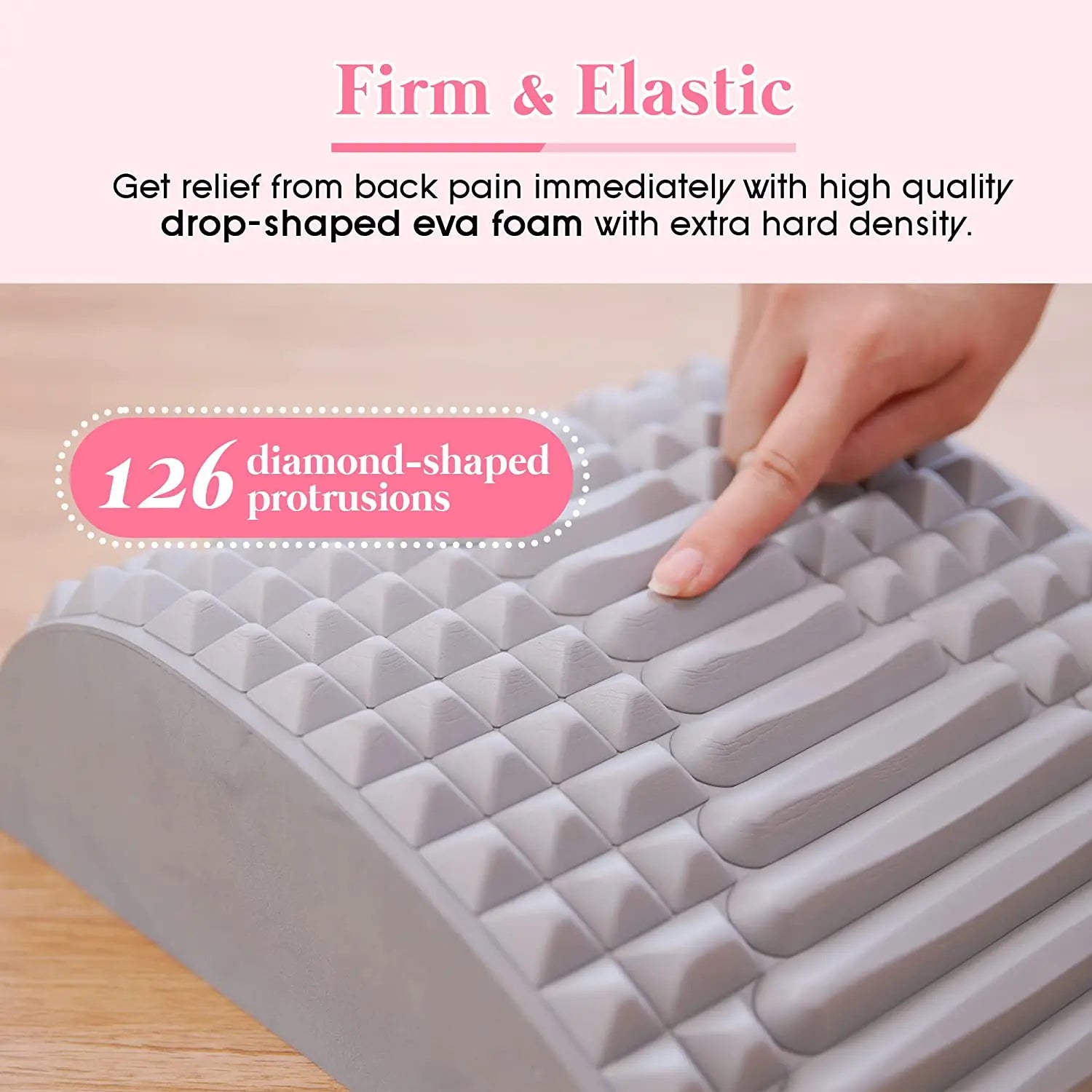
roller stretches for lower back – KentDO 💡 See it in action
What are roller stretches for lower back and how do they work?
Roller stretches for lower back involve using cylindrical tools like foam rollers or ergonomic stretchers to apply controlled pressure along the spine and surrounding muscles. This helps release tension, improve posture alignment, and reduce stiffness caused by sedentary lifestyles or physical strain.
- Loosens tight lumbar muscles
- Improves spinal flexibility
- Supports posture correction
- Encourages blood circulation
Many people prefer them because they’re simple, require no training, and can be done at home in just a few minutes daily.
Foam roller stretches lower back vs other methods
Foam roller stretches lower back routines are popular, but they’re not the only option. While foam rollers target muscle release, other tools like back stretchers focus more on spinal alignment and decompression, offering different types of relief depending on your condition.
| Method | Best For | Limitations |
|---|---|---|
| Foam Roller | Muscle tightness, soreness | Less spinal support |
| Back Stretcher | Spine alignment, posture | Fixed stretching angle |
| Inversion Table | Deep spinal decompression | Requires space & caution |
How to stretch lower back safely daily
Knowing how to stretch lower back safely daily is crucial to avoid worsening pain. The key is gentle progression and avoiding sudden pressure or overextension.
- Start with 5–10 minutes daily
- Warm up muscles with light movement
- Use controlled, slow rolling motions
- Avoid sharp or painful pressure points
- Finish with gentle resting posture
Consistency matters more than intensity. Overdoing it can increase soreness instead of relieving it.
At home remedies for chronic back stiffness
At home remedies for chronic back stiffness often combine stretching tools with lifestyle adjustments. Heat therapy, posture correction, and regular mobility work can significantly reduce recurring discomfort.
- Use heat packs before stretching
- Take breaks from long sitting
- Strengthen core muscles lightly
- Stay hydrated for tissue flexibility
Combining these with roller stretches enhances long-term relief instead of short-term fixes.
Back strain from pushing stroller long distances
Back strain from pushing stroller long distances is surprisingly common among parents and caregivers. Repetitive forward bending and uneven posture can overload the lower spine, leading to stiffness and fatigue.
Gentle roller stretches for lower back can help reverse this strain by releasing tension built up during long walks or errands.
Adjustable back stretcher pillow benefits for daily relief
Adjustable back stretcher devices offer structured spinal support that foam rollers often lack. One popular option is the ergonomic design that gently lifts and aligns the spine for decompression.
For targeted relief, explore this option: Body Care and Health Devices
- Supports natural spinal curvature
- Helps reduce pressure on discs
- Easy 5–10 minute daily use
- Works well for beginners
Foam roller vs pillow back stretcher comparison
| Feature | Foam Roller | Back Stretcher Pillow |
|---|---|---|
| Ease of use | Moderate | Very easy |
| Spinal support | Low | High |
| Muscle relief | Strong | Moderate |
| Safety | Requires control | Beginner-friendly |
Inversion table vs stretcher: which is better?
Inversion tables provide full spinal decompression but require safety precautions and space. Back stretchers offer a simpler, low-risk alternative for daily use.
- Inversion tables: deeper decompression but higher intensity
- Back stretchers: controlled, safer daily relief
For most home users, stretchers are more practical for consistent use.
Daily roller stretches for lower back routine
Building a routine ensures lasting results instead of temporary relief.
- Begin with light foam rolling (2–3 minutes)
- Switch to back stretcher (5–10 minutes)
- Perform gentle knee-to-chest stretch
- End with relaxed lying posture
This balanced approach supports both muscle and spinal recovery.
User experiences and real feedback
Many users report noticeable improvement within 1–2 weeks of consistent use. Common feedback includes reduced morning stiffness, improved posture, and less fatigue after long sitting sessions.
- “My lower back feels lighter after work.”
- “Stiffness in the morning is almost gone.”
- “Better than pain creams for daily relief.”
Mid guide recommendation for daily comfort
For those seeking structured support, combining roller stretches for lower back with ergonomic devices can significantly improve comfort and recovery speed. Explore supportive options in Body Care and Health Devices to enhance your daily routine.
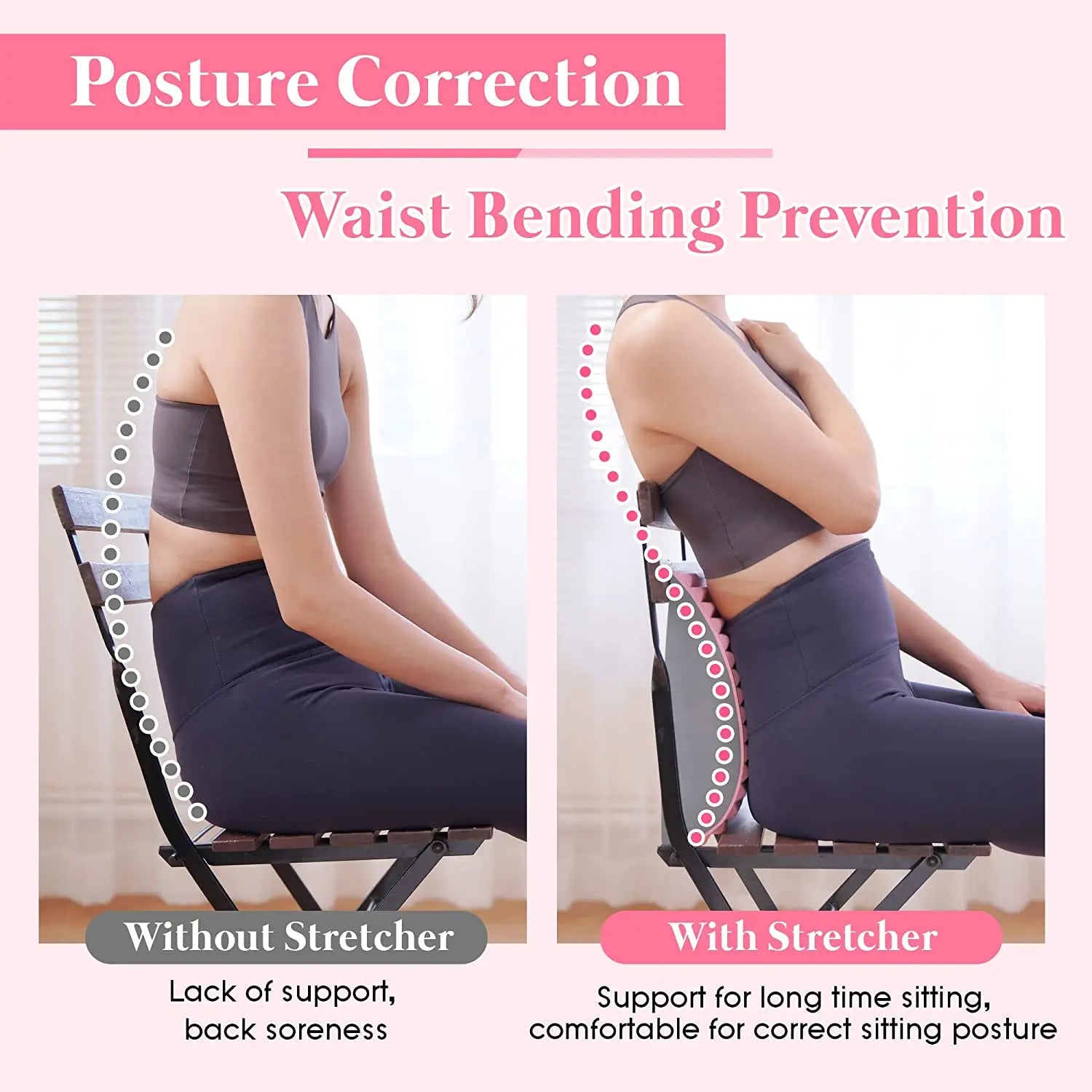
roller stretches for lower back technique – 💡 Improve flexibility at home
Tips for best results with roller stretches
- Stay consistent, even 5 minutes daily helps
- Combine stretching with posture awareness
- Avoid aggressive rolling on painful areas
- Use supportive tools when needed
Small habits lead to long-term spinal health improvements.
When should you avoid roller stretches?
While generally safe, roller stretches should be avoided in cases of acute injury, severe disc issues, or sharp radiating pain. In such cases, professional guidance is recommended before starting any stretching routine.
Final recommendation: which method works best?
There is no single best method for everyone. Foam rollers are great for muscle release, while back stretchers provide structured spinal support. For most people, combining both offers the most balanced and effective relief for daily lower back stiffness.
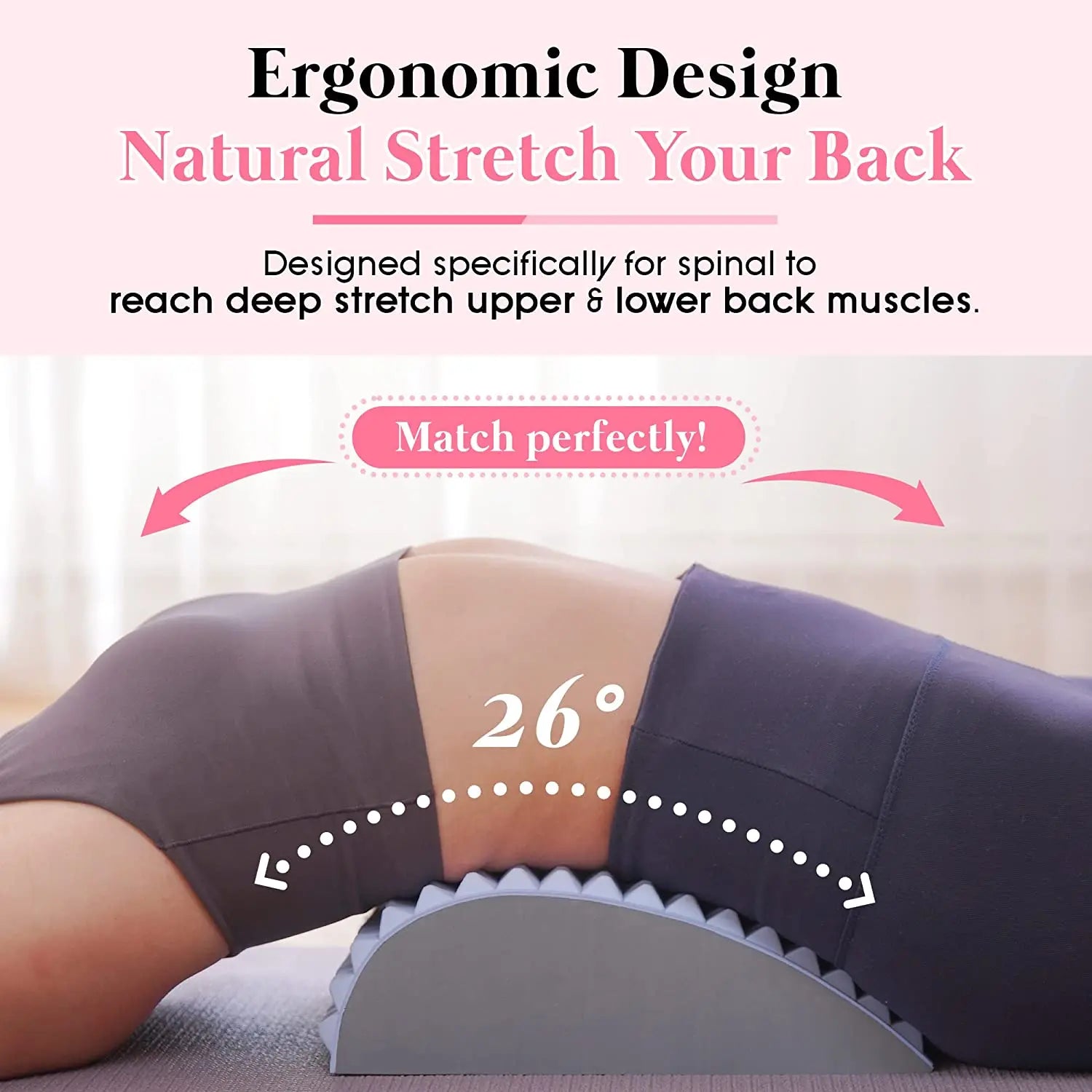
roller stretches for lower back – 💡 Final relaxation support at home
Mini FAQ
How often should I do roller stretches for lower back?
Most people benefit from daily use for 5–10 minutes. Consistency is more important than intensity for reducing stiffness and improving mobility.
Can foam roller stretches lower back pain permanently?
They can significantly reduce discomfort and improve mobility, but long-term results depend on posture, activity level, and regular stretching habits.
Is a back stretcher better than a foam roller?
Back stretchers provide more spinal alignment support, while foam rollers are better for muscle release. Many users benefit from using both together.
Are roller stretches safe for beginners?
Yes, when done gently. Start slowly and avoid forcing movement. Using supportive devices can make the process safer and more comfortable.
Related Articles:
- Back Stretcher Bench vs Portable Devices: Which Wins?
- Pillow Back Massager vs Traditional Massagers: Key Differences
- Back Stretches with a Foam Roller: Best Moves Compared
- Massage Back Pillow vs Manual Massage: What Relieves Pain Better?
- Roller Stretches for Lower Back: Which Method Works Best?
Pillar Articles: