
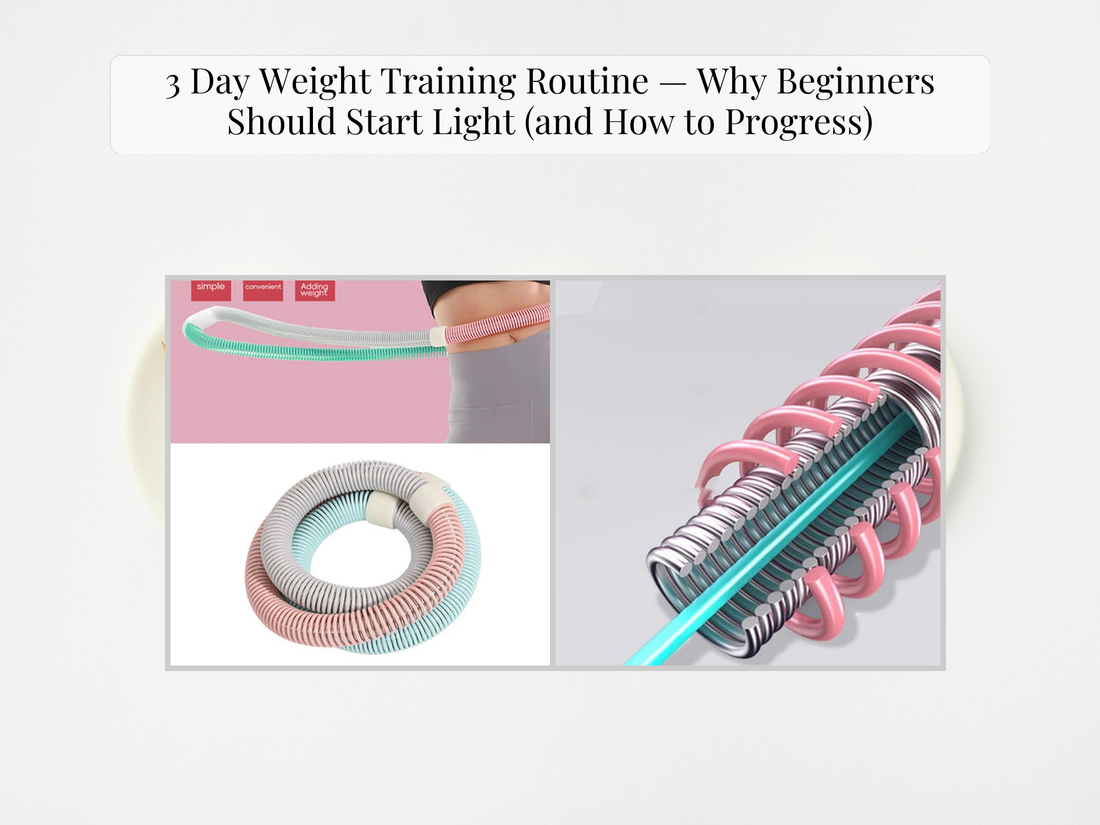
A 3 day weight training routine gives beginners the ideal balance between effective training and recovery. By following a structured 3 day strength training plan , new lifters can build foundational strength, improve movement quality, and develop consistent habits without rushing into advanced lifting programs. Starting with manageable weights and focusing on proper technique helps create a safer path toward long-term progress.
3 Day Weight Training Routine: Beginner Plan to Build Strength Safely
Starting a weight training program can feel overwhelming when you are unfamiliar with exercises, equipment, or how much weight to lift. A well-designed 3 day weight training routine removes that uncertainty by providing a simple weekly structure that targets major muscle groups while allowing enough recovery time between sessions.
This beginner-friendly approach focuses on learning essential movement patterns, improving strength gradually, and building confidence before increasing training intensity. Whether you train at home or in a gym, a consistent three-day schedule can help you create a sustainable foundation for future fitness goals.
⏱ 5 min read

See it in action with a structured 3 day full body workout routine
3 Day Weight Training Routine: Quick Start Weekly Schedule
A successful beginner program starts with a clear schedule. This 3 day weight training routine is designed around full-body training, balanced exercise selection, and recovery between workouts. Instead of training the same muscles every day, each session gives your body enough stimulus to improve while allowing time for repair and adaptation.
Who This Program Is Best For
This beginner weight training routine is suitable for people who:
- Are new to resistance training and want a simple starting point
- Have limited time and prefer training three days per week
- Want to build strength, improve posture, and increase overall fitness
- Need a structured plan before moving to more advanced workout splits
- Prefer a flexible routine that works for both home and gym environments
Weekly Training Calendar
A common schedule for a 3 day full body workout routine looks like this:
| Day | Training Focus | Goal |
|---|---|---|
| Day 1 | Full Body Strength | Learn foundational movements and build strength |
| Day 2 | Full Body Muscle Building | Increase training volume and improve muscle development |
| Day 3 | Strength & Conditioning | Practice movements and improve overall fitness |
For most beginners, spacing workouts with rest days between sessions works well. For example, training on Monday, Wednesday, and Friday allows muscles to recover while maintaining a consistent weekly routine.
Before You Begin: Warm-Up, Mobility, and Training Rules
Before starting any 3 day strength training plan , preparing your body is essential. A proper warm-up increases blood flow, improves joint mobility, and helps you practice movement patterns before adding resistance.
5-10 Minute Dynamic Warm-Up
A simple beginner warm-up can include:
- Arm circles: Prepare shoulders for pressing and pulling movements.
- Bodyweight squats: Activate legs and practice proper squat mechanics.
- Hip hinges: Improve movement for deadlifts and lower-body exercises.
- Walking lunges: Increase lower-body mobility and stability.
- Light cardio: Raise body temperature before strength training.
Choosing the Right Starting Weight
The best starting weight is one that allows you to complete every repetition with controlled form. Beginners should avoid choosing weights based only on appearance or comparison with experienced lifters.
- Start with a weight you can lift for the target repetitions while maintaining good technique.
- Leave a few repetitions in reserve instead of training to complete exhaustion.
- Increase resistance only after your movement pattern feels stable.
Rest Periods and Tempo
Controlled movements are more important than lifting quickly. Beginners should focus on steady repetitions, full range of motion, and proper breathing.
- Rest 60-90 seconds between most beginner sets.
- Rest longer after challenging compound exercises if needed.
- Lower weights slowly and avoid using momentum to complete repetitions.
Why Starting Light Accelerates Your Progress
Many beginners assume heavier weights create faster results, but a strong foundation comes from mastering technique first. Starting with manageable resistance allows your muscles, joints, connective tissues, and nervous system to adapt gradually.
A lighter starting point also makes it easier to maintain consistency, which is one of the biggest factors in long-term strength improvement.
- Improves exercise technique: Learning correct movement patterns helps prepare your body for heavier training later.
- Supports safer progression: Gradual increases reduce unnecessary stress on joints and muscles.
- Builds training confidence: Completing workouts successfully encourages consistency.
- Develops movement control: Repeated practice helps create efficient lifting habits.
Understanding a 3 Day Workout Split for Beginners
A beginner-friendly 3 day workout split for beginners should focus on training all major muscle groups while giving your body enough time to recover. Unlike advanced routines that separate individual muscles across many training days, a three-day plan uses efficient exercise selection to build strength, improve coordination, and develop balanced fitness.
A simple weekly structure can look like this:
- Day 1: Full Body Strength Training — Focus on foundational compound movements that train the upper body, lower body, and core together.
- Day 2: Full Body Muscle Development — Use moderate training volume to strengthen major muscle groups and improve movement quality.
- Day 3: Strength and Conditioning — Reinforce key lifts while adding core work and optional conditioning exercises for overall fitness.
Scheduling rest days between workouts allows muscles to repair and adapt. For example, training on Monday, Wednesday, and Friday creates a practical rhythm that supports recovery while maintaining consistency. This makes a 3 day full body workout routine a strong option for beginners with busy schedules, limited gym time, or home workout setups.
Benefits of a 3 Day Full Body Workout Routine
- Trains the entire body efficiently: Each workout targets multiple movement patterns instead of focusing on only one muscle group.
- Supports consistent progress: Three weekly sessions are realistic for most beginners and easier to maintain long term.
- Reduces unnecessary fatigue: Recovery days help prevent excessive soreness and training burnout.
- Builds a strong foundation: Repeated practice improves exercise technique, strength, and confidence.
- Allows measurable progression: Beginners can gradually increase repetitions, resistance, or training quality over time.
The best 3 day weight training routine is not the one with the most exercises — it is the one you can perform consistently with proper form and steady progression.
5 Core Exercises for Beginners
Building strength starts with mastering fundamental movement patterns. These 5 core exercises for beginners train multiple muscle groups, improve stability, and create the foundation needed for more advanced workouts. They can be adapted for home or gym training and scaled based on your current fitness level.
- Squats: Squats strengthen the legs, glutes, and core while teaching proper lower-body movement mechanics. Beginners can start with bodyweight squats before adding dumbbells or other resistance.
- Push-ups: Push-ups develop chest, shoulder, and triceps strength while improving upper-body stability. Beginners can modify them by performing incline push-ups or using their knees for support.
- Deadlifts: Deadlifts train the posterior chain, including the hamstrings, glutes, and back muscles. Learning proper hip hinge technique is essential before increasing weight.
- Rows: Rowing movements strengthen the upper back and help maintain balanced shoulder development. Dumbbell rows, resistance band rows, or machine rows are effective beginner options.
- Planks: Planks build core stability by training the muscles that support posture and controlled movement. Beginners can start with shorter holds and gradually increase duration.
How to Add Core Work
Core training should support your main strength exercises rather than replace them. A strong core improves balance, stability, and control during movements such as squats, deadlifts, and presses.
- Add 1-3 core exercises at the end of strength workouts.
- Focus on controlled movement instead of holding positions for excessive time.
- Progress by increasing repetitions, duration, or difficulty gradually.
- Train core stability with exercises like planks, dead bugs, and controlled carries.
For beginners following a 3 day full body workout routine , core exercises are typically included at the end of training sessions to avoid fatigue during major compound movements.
Common Technique Mistakes
Proper form is more important than lifting heavier weights. Avoid these common beginner mistakes to build strength safely:
- Using momentum: Perform each repetition with control instead of rushing through the movement.
- Ignoring range of motion: Use a comfortable movement range while gradually improving mobility.
- Adding weight too quickly: Master technique before increasing resistance.
- Skipping warm-ups: Prepare muscles and joints before challenging exercises.
- Training through sharp pain: Normal muscle fatigue is expected, but sharp or unusual pain should not be ignored.
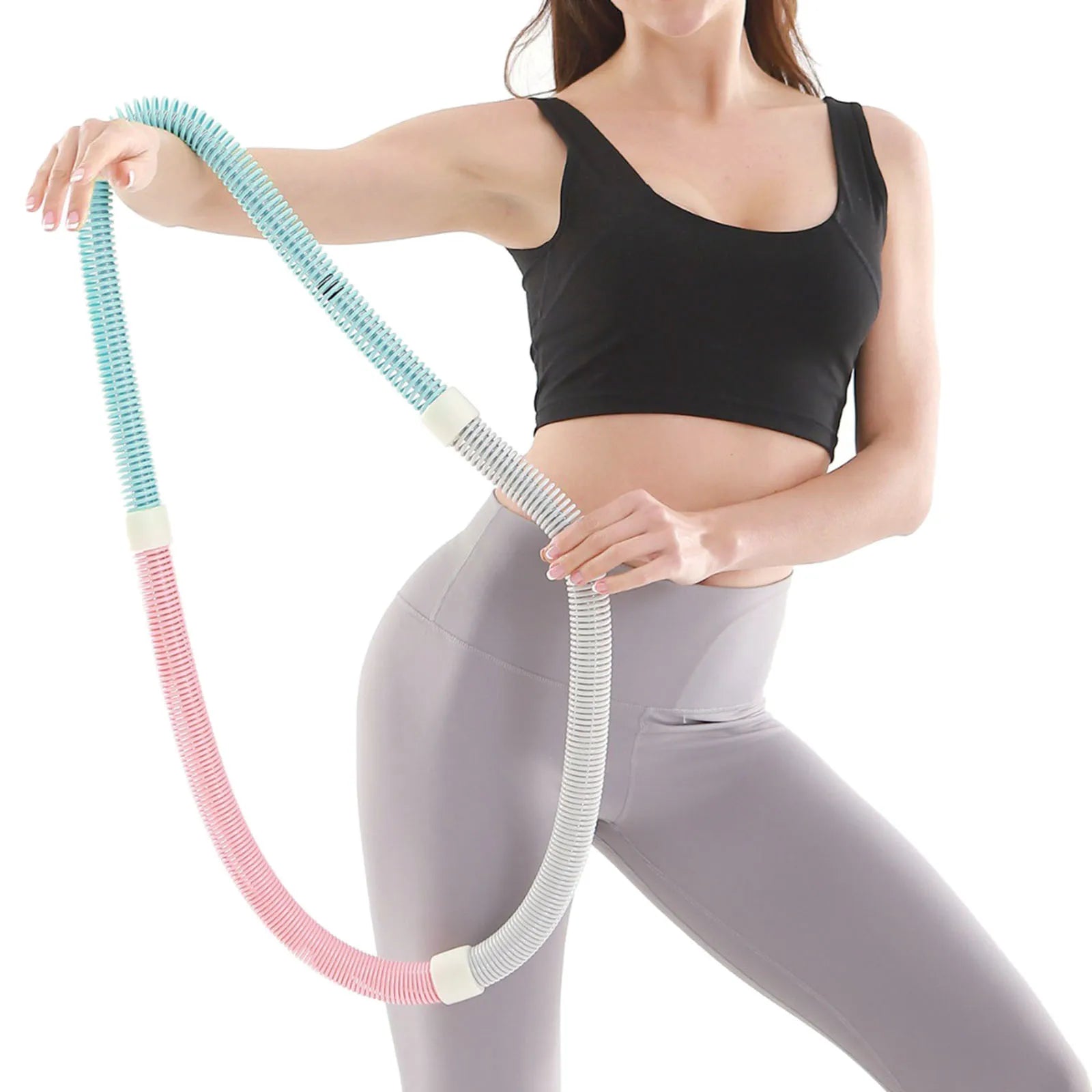
Learn these 5 core exercises for beginners to build lasting strength
How to Progress Safely Over Time
Building strength with a beginner weight training routine requires gradual progression. Increasing weight too quickly can limit your progress, affect exercise technique, and increase the risk of unnecessary strain. A structured approach helps you improve performance while allowing your body to adapt.
Progressive Overload: Your 6-12 Week Progression Plan
Progressive overload means gradually challenging your muscles over time. This does not always mean adding more weight — beginners can progress by improving repetitions, control, training consistency, or exercise difficulty.
- Weeks 1-4: Build technique and consistency — Focus on learning movement patterns, completing workouts regularly, and using comfortable resistance.
- Weeks 5-8: Increase training challenge — Add small amounts of weight or additional repetitions while maintaining proper form.
- Weeks 9-12: Continue improving performance — Adjust exercises, increase resistance gradually, and track measurable strength gains.
When to Increase Weight
Increase resistance only when you can complete your current sets with good form and controlled movement. A common approach is to add a small amount of weight after completing all planned repetitions comfortably for multiple sessions.
- Add approximately 2-5% more resistance when exercises feel consistently manageable.
- Increase weight slowly for compound movements such as squats, deadlifts, and rows.
- Keep technique as the priority rather than chasing heavier numbers.
Reps vs. Load
Beginners can make progress by adjusting either repetitions or resistance. If increasing weight feels too challenging, adding one or two more repetitions per set can still provide a useful training stimulus.
- Increase reps: Improve endurance and movement control before adding heavier loads.
- Increase weight: Build strength once your technique is reliable.
- Improve tempo: Slow, controlled repetitions can make exercises more challenging without extra equipment.
Deload Weeks
Recovery is an important part of any 3 day strength training plan . After several weeks of consistent training, some beginners benefit from a lighter week to reduce fatigue and prepare for future progress.
- Reduce weight or training volume temporarily.
- Focus on mobility, technique practice, and quality movement.
- Return to normal training gradually after recovery.
Tracking workouts, prioritizing recovery, and making small adjustments over time creates a sustainable path for improving strength without unnecessary setbacks.
Recovery, Nutrition, and Sleep for Better Results
Building strength with a 3 day weight training routine depends on more than the workouts themselves. Recovery, nutrition, and sleep provide the foundation your body needs to repair muscle tissue, adapt to training stress, and continue improving performance.
Protein and Hydration
Protein provides the building blocks needed for muscle repair after resistance training. Beginners do not need complicated meal plans, but maintaining a balanced diet with enough protein, carbohydrates, and healthy fats supports better training results.
- Prioritize protein: Include protein-rich foods such as eggs, lean meats, fish, dairy products, beans, or plant-based alternatives throughout the day.
- Stay hydrated: Water supports muscle function, energy levels, and workout performance.
- Fuel workouts: Balanced meals with carbohydrates and protein can help maintain energy during training sessions.
Rest Days
Rest days are an essential part of any beginner weight training routine . Muscles do not grow during the workout itself — they adapt during recovery periods between sessions.
- Use rest days for light activities such as walking, stretching, or mobility work.
- Avoid training the same muscles intensely every day.
- Return to workouts when soreness has improved and movement feels normal.
Signs You Need More Recovery
Increasing training volume too quickly can slow progress. Pay attention to signs that your body may need additional recovery time:
- Persistent muscle soreness that affects normal movement
- Declining workout performance despite consistent effort
- Unusual fatigue or reduced motivation
- Difficulty maintaining proper exercise form
- Changes in sleep quality or energy levels
A balanced approach to training and recovery helps beginners stay consistent, reduce setbacks, and make steady progress throughout their 3 day strength training plan .
Customize the Routine for Your Goal
The best 3 day weight training routine can be adjusted based on your primary goal. Small changes to exercise selection, intensity, and volume allow beginners to create a program that matches their individual needs.
Fat Loss
For fat loss, combine strength training with regular movement and appropriate nutrition. Focus on maintaining muscle while creating a sustainable calorie deficit.
- Keep compound exercises as the foundation of workouts.
- Add optional cardio sessions on rest days.
- Maintain consistent training rather than relying on extreme routines.
Muscle Gain
Building muscle requires consistent resistance training, gradual progression, and enough recovery. Beginners should focus on increasing training quality before adding excessive workout volume.
- Gradually increase resistance or repetitions.
- Prioritize compound movements that train multiple muscles.
- Support workouts with adequate protein and calories.
Strength Focus
If your goal is improving strength, emphasize controlled heavy movements with longer rest periods and careful progression.
- Practice key lifts regularly.
- Increase weight gradually while maintaining technique.
- Track performance to measure improvements.
Home vs Gym
A beginner can follow this program in either environment. Gyms provide access to more equipment, while home workouts offer convenience and flexibility.
- Home setup: Dumbbells, resistance bands, and adjustable equipment can support effective training.
- Gym setup: Machines, barbells, and cable systems provide additional exercise options.
- Limited equipment: Bodyweight variations can still build strength when progressed correctly.
Common Mistakes to Avoid
A successful beginner weight training routine depends on more than simply completing workouts. Avoiding common training mistakes helps you build strength more efficiently, maintain proper technique, and create habits that support long-term progress.
Poor Exercise Selection
Beginners often make the mistake of choosing exercises based only on what looks challenging rather than what builds a strong foundation. Effective beginner programs should prioritize fundamental movement patterns that train multiple muscle groups.
- Focus on compound movements: Exercises like squats, rows, presses, and deadlift variations provide efficient full-body strength development.
- Avoid unnecessary complexity: Master basic movements before adding advanced exercises.
- Balance training patterns: Include pushing, pulling, squatting, hinging, and core stability exercises.
Skipping Recovery
Training every day without enough recovery can limit progress. Muscles need time to repair and adapt after resistance training sessions.
- Keep rest days between intense workouts when following a 3 day strength training plan .
- Prioritize sleep, hydration, and balanced nutrition.
- Reduce training intensity if fatigue continues to affect performance.
Ignoring Form
Proper technique should always come before increasing weight. Poor form can reduce exercise effectiveness and create unnecessary stress on joints and muscles.
- Perform repetitions slowly and with control.
- Use a manageable weight that allows proper movement.
- Ask for guidance or use trusted exercise references when learning new movements.
- Stop and adjust your technique if an exercise causes sharp or unusual pain.
Consistency, patience, and attention to technique are the key factors that help beginners progress safely with a structured weight training program.
Frequently Asked Questions
- Is a 3 day weight training routine enough to build muscle?
- Yes. A consistent 3 day weight training routine can build muscle for beginners when combined with progressive overload, proper nutrition, and adequate recovery.
- What is the best 3 day weight lifting routine for beginners?
- The best beginner routine focuses on full-body workouts that include major movement patterns such as squats, pushes, pulls, hinges, and core exercises. A balanced plan allows steady progress without excessive training volume.
- Can I combine cardio with a 3 day strength training plan?
- Yes. Light to moderate cardio can be added on rest days or after strength sessions depending on your goals. Keep enough recovery time to support strength improvements.
- How long should each workout take?
- Most beginner strength workouts take approximately 45-60 minutes, including warm-up, training exercises, and a short cooldown.
- How much weight should beginners start with?
- Beginners should start with a weight that allows controlled repetitions while maintaining proper form. The correct starting weight varies by exercise, experience level, and individual strength.
- When should I increase the weight?
- Increase weight when you can complete your planned sets and repetitions comfortably with consistent technique. Small increases are usually more effective than large jumps.
- Can I follow this routine at home with dumbbells only?
- Yes. A home-based routine can be effective with adjustable dumbbells, resistance equipment, and bodyweight exercises. The key is choosing exercises that can be progressed over time.
- What if I miss one workout during the week?
- If you miss a session, continue with your next planned workout instead of trying to complete multiple sessions back-to-back. Consistency over months matters more than perfection each week.
Related Articles:
- 7 Exercises to Do Everyday for Beginners — Transform Your Energy in 10 Minutes
- 10 Day Chair Workout to Lose Belly Fat — Perfect for Desk Workers
Pillar Articles:
- 3 Day Workout Split for Beginners — Honest Brand Comparison and Expert Verdict
- 2 Day Workout Split — The Minimalist Plan That Keeps You Fit for Life
- 3 Day Workout Split for Female Beginners — Step-by-Step Plan for a Stronger Core
- 10 Minute Exercise to Lose Belly Fat — The Hidden Routine That Works Fast













