
4 Best Core Exercises for Beginners: Build Strength, Stability & Better Posture
⏱ 8 min read
Looking for effective core exercises for beginners ? These four foundational movements—plank, glute bridge, bird-dog, and dead bug—help build core strength, improve stability, support better posture, and make everyday movement easier. You do not need a gym or expensive equipment to get started; a few controlled sessions each week can create a strong foundation for more advanced training.
What Are the Best Core Exercises for Beginners?
The best core exercises for beginners are the plank, glute bridge, bird-dog, and dead bug. Together, these beginner core exercises train the abdominal muscles, obliques, lower back, glutes, and other muscles that help stabilize your trunk. They emphasize control and proper positioning rather than simply doing as many repetitions as possible.
- Plank — Builds whole-core endurance and teaches you to maintain a stable spine.
- Glute Bridge — Strengthens the glutes while challenging core and pelvic stability.
- Bird-Dog — Develops balance, coordination, and control around the spine.
- Dead Bug — Trains deep abdominal control while practicing coordinated arm and leg movement.
Who Should Start With Beginner Core Exercises?
Beginner core exercises are a good starting point for people who are new to exercise, returning after a break, or looking for simple core exercises at home for beginners . They can also complement walking, strength training, mobility work, and full-body workouts.
Start with manageable sets and prioritize technique. You do not need to train until your muscles are exhausted for a core workout to be productive. If an exercise causes sharp, worsening, or unusual pain, stop rather than trying to push through it.
What Muscles Does Your Core Include?
Your core is more than your visible abdominal muscles. Core muscle exercises for beginners can train the rectus abdominis, transverse abdominis, internal and external obliques, spinal stabilizers, diaphragm, pelvic-floor muscles, and muscles around the hips and pelvis. These structures work together to stabilize your trunk while you bend, lift, walk, rotate, and maintain balance.
Why Core Strength Matters
A strong core does more than help define your midsection. It helps your trunk remain stable while you move, supports balance, contributes to efficient posture, and gives your arms and legs a stable base for many activities. That makes core strength exercises for beginners useful beyond traditional ab workouts.
Core strength can also support everyday movements such as getting up from a chair, carrying groceries, climbing stairs, bending, and reaching. The goal is not simply to make your abs tired; it is to improve your ability to control your body under different types of movement and load.
These core strengthening exercises for beginners are intentionally simple. You can practice them at home with little or no equipment while gradually improving your endurance, coordination, and movement quality.
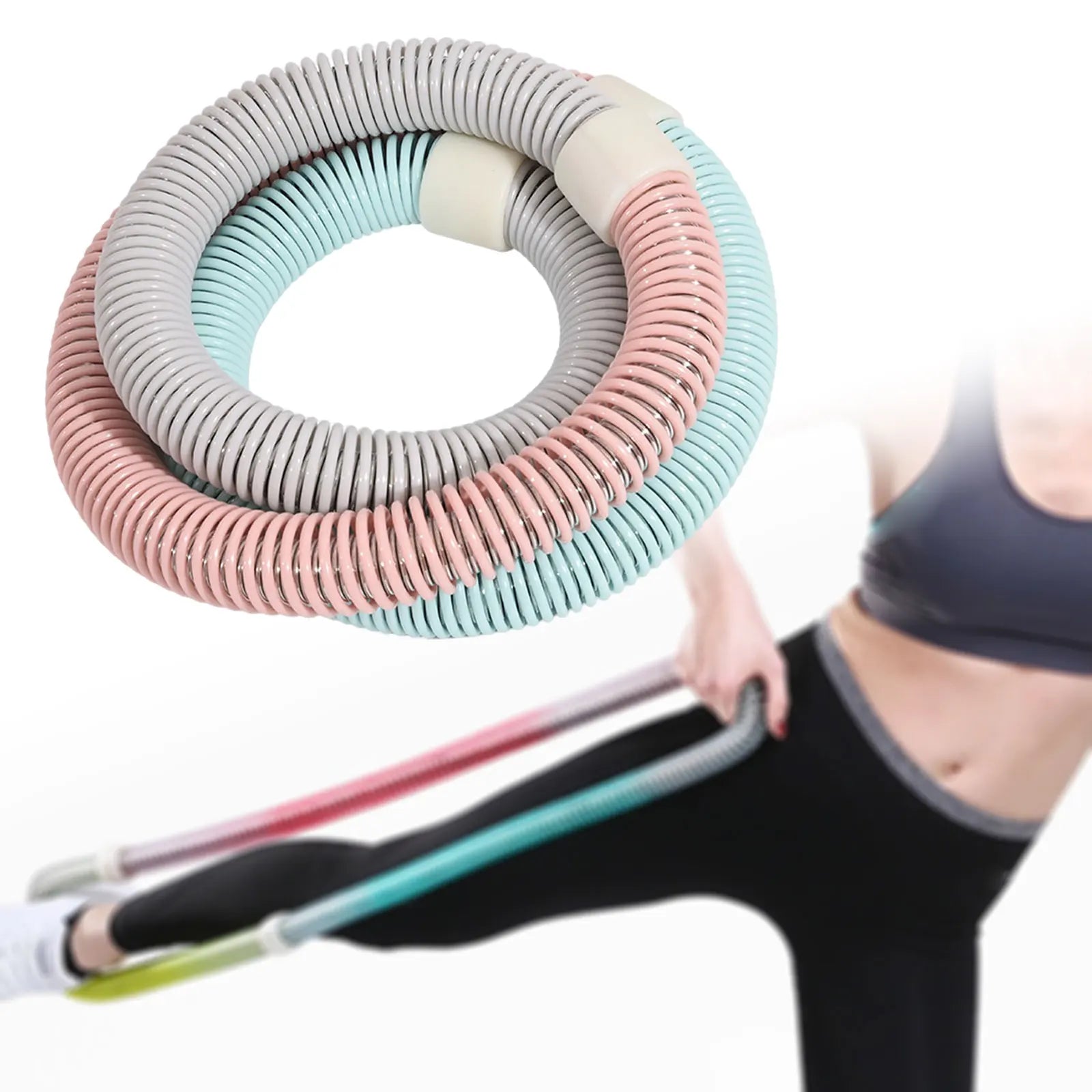
Build a stronger foundation with four beginner-friendly core exercises that emphasize stability, control, and proper form.
Start with controlled repetitions and build your core routine gradually as your strength and confidence improve.
Before You Start: Form, Breathing, and Safety
Good technique matters more than holding a plank longer or completing more repetitions. During core training for beginners , aim to keep your spine in a comfortable neutral position, breathe continuously, and move slowly enough that you can control every repetition.
How to Brace Your Core
- Take a relaxed breath and allow your rib cage and abdomen to expand naturally.
- Gently tighten your abdominal muscles as though preparing for a light tap to the stomach.
- Keep breathing while maintaining that gentle tension rather than holding your breath.
- Keep your ribs, pelvis, and spine in a controlled position throughout the movement.
Common Beginner Mistakes
- Holding your breath during difficult repetitions.
- Using momentum instead of controlled movement.
- Allowing your lower back to excessively arch or your hips to rotate.
- Increasing repetitions or duration before you can maintain good form.
- Assuming muscle fatigue should feel like sharp or worsening pain.
When to Stop an Exercise
Stop an exercise if you experience sharp pain, sudden pain, unusual weakness, dizziness, numbness, or symptoms that become worse as you continue. Mild muscular effort or fatigue can be expected, but pain should not be used as a measure of workout quality. If you have a known injury, persistent back symptoms, or another health concern that affects exercise, consider getting individualized guidance from an appropriate healthcare professional before starting a new routine.
1. Plank
The plank is one of the most accessible best core exercises for beginners because it teaches you to resist movement while keeping your trunk stable. It challenges the abdominals, obliques, shoulders, hips, and back muscles while requiring very little space or equipment.
How to Perform
- Begin on your hands and knees, then place your forearms on the floor with your elbows beneath or close to your shoulders.
- Extend your legs behind you and position your body in a comfortable straight line from head to heels.
- Gently brace your abdomen and squeeze your glutes without holding your breath.
- Hold the position for about 15–30 seconds while maintaining steady breathing.
- Rest and repeat for 2–3 sets.
Common Mistakes
- Letting the hips sag toward the floor.
- Raising the hips excessively and turning the plank into a pike.
- Looking too far forward and straining the neck.
- Holding the breath instead of breathing steadily.
- Chasing a longer hold after form has already deteriorated.
Beginner Modification
If a full plank is too difficult, keep your knees on the floor while maintaining a straight line from your knees through your hips and shoulders. You can also perform an elevated plank with your hands on a sturdy, stable surface. Progress to a longer hold or a full plank once you can maintain good alignment.
2. Glute Bridge
The glute bridge is a useful core workout for beginners because it combines hip extension with trunk stability. Stronger glutes can help support efficient movement, while the exercise teaches you to control the position of your pelvis and torso.
How to Perform
- Lie on your back with your knees bent, feet flat on the floor, and feet approximately hip-width apart.
- Position your feet so your heels are comfortably close to your hips.
- Gently brace your core and squeeze your glutes.
- Lift your hips until your shoulders, hips, and knees form a comfortable diagonal line.
- Pause briefly at the top without excessively arching your lower back.
- Lower slowly and repeat for 10–15 controlled repetitions.
Common Mistakes
- Driving the movement primarily through the lower back instead of the glutes.
- Allowing the knees to collapse inward.
- Rushing through the lowering phase.
- Overarching the back at the top of the movement.
Progression
Once 12–15 repetitions feel controlled, increase the pause at the top to 2–3 seconds or slow the lowering phase. Later, you can progress to more challenging variations such as a staggered-stance bridge. Increase difficulty gradually rather than immediately adding high repetition volume.
The glute bridge combines hip strength and core stability in a simple at-home movement.
Discover more body-strengthening options in our Body Care and Health Devices collection.
3. Bird-Dog
The bird-dog is one of the most useful core workouts for beginners for developing balance, coordination, and spinal control. Instead of simply holding your trunk still, you learn to stabilize your body while your opposite arm and leg move.
How to Perform
- Start on all fours with your hands under your shoulders and knees beneath your hips.
- Brace your core gently while keeping your spine in a comfortable neutral position.
- Slowly extend your right arm and left leg without rotating your hips or arching your back.
- Pause briefly, then return both limbs to the starting position with control.
- Repeat on the opposite side for 8–10 repetitions per side.
Common Mistakes
- Rotating the hips as the leg lifts.
- Raising the arm or leg higher than you can control.
- Moving too quickly and losing balance.
- Allowing the lower back to arch significantly.
Regression
If moving the opposite arm and leg together is difficult, practice one limb at a time. Extend one leg while keeping both hands on the floor, return it, and then practice the opposite leg. You can later add the arms before progressing to the full bird-dog.
4. Dead Bug
The dead bug is a beginner-friendly exercise for developing deep abdominal control and coordination. It is especially useful for learning how to keep the trunk stable while the arms and legs move independently.
How to Perform
- Lie on your back with your arms reaching toward the ceiling and your knees bent at approximately 90 degrees.
- Gently brace your abdomen while keeping your rib cage and pelvis controlled.
- Slowly lower your right arm and left leg toward the floor.
- Only lower the limbs as far as you can without losing control of your trunk.
- Return to the starting position and switch sides.
- Complete 8–12 controlled repetitions per side.
Common Mistakes
- Allowing the lower back to lift excessively away from the floor.
- Moving the arms and legs too quickly.
- Lowering the limbs farther than your core can control.
- Holding your breath during the most difficult part of the movement.
Progression
To make the dead bug more challenging, gradually increase the range of motion while maintaining control. You can also slow each repetition or add a brief pause when the arm and opposite leg are extended. Quality should remain the priority throughout the progression.
Complete Beginner Core Workout Routine
A simple beginner core workout does not need to be long. Start with two or three rounds of the four exercises, using a controlled pace and enough rest to maintain good technique. The goal is to finish feeling challenged but still able to perform each movement correctly.
Warm-Up
Spend about 5 minutes preparing to exercise. Easy walking, gentle marching in place, shoulder circles, controlled hip movements, and several slow bodyweight squats can help you transition into the workout. Keep the warm-up comfortable rather than treating it as a second workout.
Workout Order
| Exercise | Sets | Reps/Duration | Rest |
|---|---|---|---|
| Plank | 2–3 | 15–30 sec | 30–60 sec |
| Glute Bridge | 2–3 | 10–15 reps | 30–60 sec |
| Bird-Dog | 2–3 | 8–10 reps/side | 30–60 sec |
| Dead Bug | 2–3 | 8–12 reps/side | 30–60 sec |
Weekly Schedule
For most beginners, start with this routine 2–3 days per week , leaving recovery time between challenging sessions. On other days, you can complement your training with walking, mobility work, stretching, or a full-body beginner workout. As your technique and endurance improve, you can gradually increase training volume.
If you enjoy adding low-impact movement to your home routine, the Kentdo Weighted Fitness Hoop can be used separately as an optional conditioning activity. It is not required to strengthen your core, and your progress should remain centered on consistent resistance and bodyweight training.
Keep your first month simple: focus on consistent sessions, controlled repetitions, and gradual progress rather than doing as much as possible at once.
How to Progress After Your First 4 Weeks
Once the basic movements feel comfortable, progressive overload can help you continue developing strength and endurance. You do not have to change every exercise at once. Make one small adjustment, maintain good form, and give your body time to adapt.
Increase Time
For exercises measured by time, such as the plank, add a few seconds when you can complete your current duration without losing alignment. A controlled 30-second hold is more useful than a longer hold performed with poor positioning.
Add Difficulty
For repetitions, first increase control and range of motion before adding large amounts of volume. You can then move to a more challenging variation, add a brief pause, or slow the eccentric portion of an exercise.
Track Progress
Record your exercise variation, repetitions, hold time, and how difficult the session felt. Progress can show up as better balance, smoother movement, longer controlled holds, improved posture, or less fatigue—not just visible changes in your abdomen.
Recovery is also part of progression. Adequate rest, regular movement, and a balanced exercise routine help you continue training consistently instead of repeatedly pushing through excessive fatigue.
Beginner Modifications for Limited Mobility
You can adapt these easy core exercises for beginners if getting onto the floor, bearing weight through your wrists, or using a large range of motion is uncomfortable. The best modification is one that allows you to maintain control without aggravating symptoms.
- Chair options: Practice seated abdominal bracing or controlled alternating knee lifts from a stable chair.
- Wrist-friendly options: Use a forearm plank variation or an elevated surface rather than placing your bodyweight directly on your hands.
- Back-friendly options: Reduce the range of motion in dead bugs and bridges and focus on maintaining comfortable spinal control.
- Reduced range of motion: Shorten the movement until you can complete each repetition smoothly, then gradually increase the range as control improves.
If you have persistent or significant pain, recent surgery, an injury, or a medical condition that limits movement, seek individualized advice before modifying an exercise program.
Core Training FAQ
How often should beginners do core workouts?
Most beginners can start with 2–3 focused core sessions per week , allowing recovery between harder sessions. Your ideal frequency depends on your overall activity level, exercise intensity, and ability to recover.
What is the best core exercise for beginners?
There is no single exercise that is best for everyone. The plank is a strong starting point for whole-core stability, while the glute bridge, bird-dog, and dead bug add hip stability, coordination, and controlled trunk movement. Using several complementary exercises is usually more useful than relying on one movement alone.
Can I strengthen my core without equipment?
Yes. All four exercises in this routine can be performed without equipment. Bodyweight resistance is enough to establish a foundation of core endurance, coordination, and stability. Equipment can be added later if you want more variety or resistance.
How long should a beginner core workout last?
A focused beginner session can take about 10–20 minutes , including short rest periods. The exact duration matters less than consistent practice and maintaining good technique throughout the workout.
Should beginners train abs every day?
Daily abdominal training is not necessary. Beginners can make progress with several quality sessions per week while using other days for walking, full-body strength work, mobility, or recovery. If your core is still noticeably fatigued or sore, allow more recovery before another demanding session.
Are planks enough to build core strength?
Planks can be an effective part of a beginner program, but they do not train every aspect of core function by themselves. Combining anti-movement exercises such as planks with controlled movements such as bird-dogs, dead bugs, and glute bridges provides a more balanced approach.
What if I have lower back pain during core exercises?
Stop the movement if it causes pain and reassess your technique, range of motion, and exercise variation. Some people may need a simpler modification, but persistent or worsening back pain should not be treated as a normal part of core training. Consider speaking with a qualified healthcare professional for individualized guidance before continuing.
Pillar Article: 3 Day Workout Split for Female Beginners — Step-by-Step Plan for a Stronger Core
Other Related Articles:
- 1 Workout a Day — Can One Routine Transform Your Body in a Month?
- 3 Best Ab Exercises at Home — What You’re Missing in Your Routine
- 30 Day Home Workout Challenge — How to Stay Motivated Without a Gym
Explore More:













