

Is an ABS plastic wax heater safe to use?
Short answer
Yes—an ABS plastic wax heater is generally safe for home and personal use when it is manufactured with quality materials, accurate temperature controls, and appropriate safety features. ABS (Acrylonitrile Butadiene Styrene) is a durable engineering plastic commonly used in small appliances because it withstands the normal operating temperatures required for waxing without losing its structural integrity.
Why ABS is considered safe for wax heaters
The safety of an ABS plastic wax heater depends on three primary factors rather than the plastic alone:
- Temperature control accuracy: A reliable thermostat keeps wax within the intended operating range, typically around 40°C–100°C depending on the wax type and heating stage.
- Build quality: High-grade ABS offers excellent impact resistance, electrical insulation, and heat resistance, helping keep the exterior cooler than the internal heating chamber.
- Proper use: Following the manufacturer's instructions, avoiding unattended operation, and keeping ventilation openings clear significantly reduce overheating risks.
Bottom line: An ABS plastic wax heater is considered safe when it combines quality construction, dependable temperature regulation, and responsible operation. Most safety concerns arise from poor-quality components, damaged devices, or misuse—not from ABS plastic itself.
ABS Plastic Wax Heater: Reliability and Safety Tested
⏱ 6 min read
If you've ever wondered whether an ABS plastic wax heater can safely handle repeated heating cycles, you're asking an important question. The material used for the outer housing, the accuracy of the thermostat, and the overall design all contribute to safe waxing. This guide explains how ABS performs under heat, why manufacturers rely on it, and what features separate a safe wax heater from one that poses unnecessary risks.
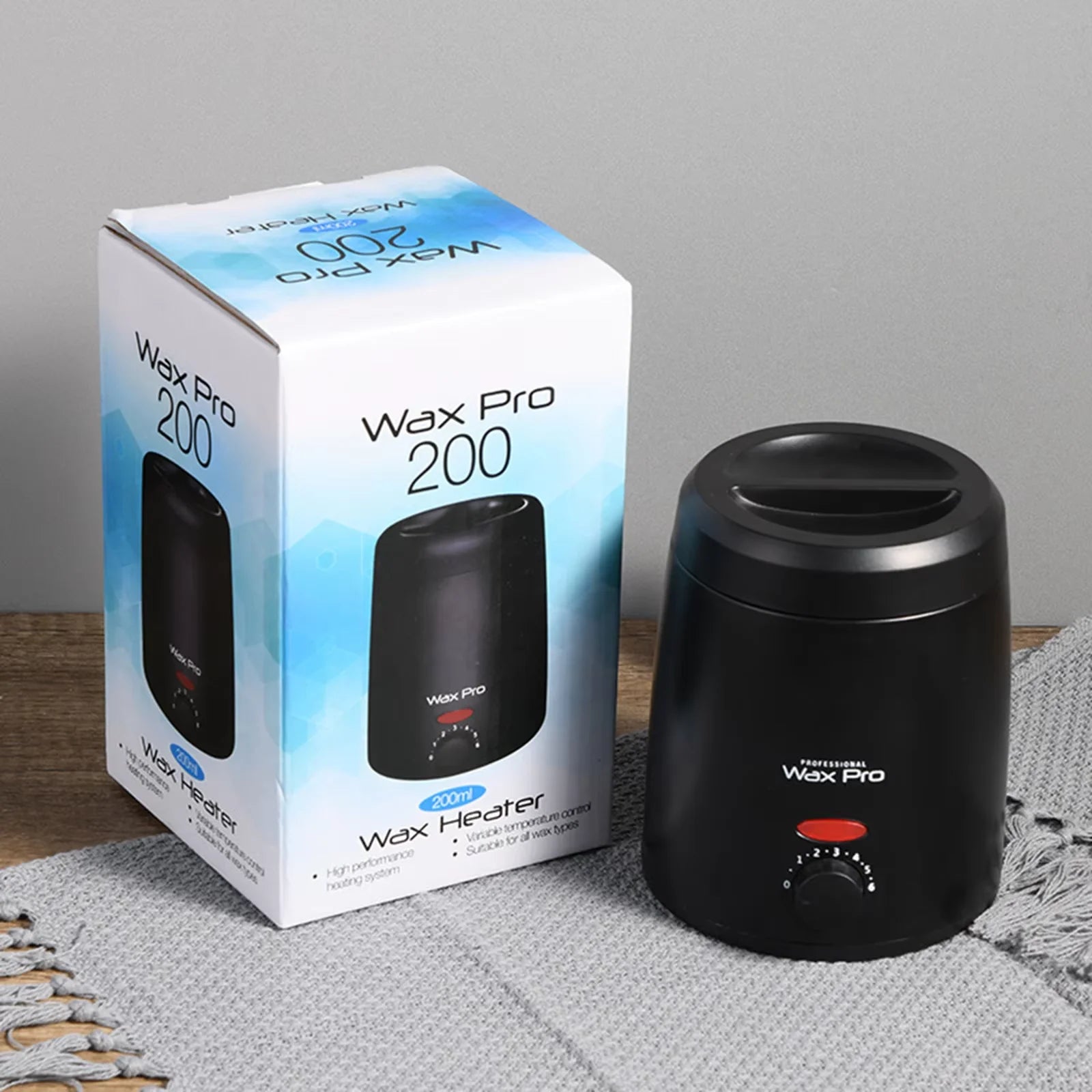
ABS plastic wax heater design with stable temperature control. See it in action.
What Is ABS Plastic and Is It Heat Resistant?
ABS properties
ABS (Acrylonitrile Butadiene Styrene) is an engineering-grade thermoplastic known for its toughness, dimensional stability, and excellent electrical insulation. Because it combines strength with moderate heat resistance, it is widely used in beauty devices, kitchen appliances, automotive interiors, and consumer electronics.
For wax heater material safety, ABS provides several important advantages:
- Strong impact and crack resistance
- Good thermal insulation that keeps the outer housing cooler
- Excellent electrical insulating properties
- Lightweight yet durable construction
- Resistance to repeated heating and cooling cycles under normal operating conditions
Operating temperature vs glass transition and melting point
If you're wondering, is ABS plastic heat resistant? The answer is yes—for the temperatures encountered during normal waxing.
ABS has a glass transition temperature of approximately 95°C to 105°C, meaning it gradually begins to soften above this range rather than suddenly melting. Its actual melting temperature is much higher, generally above 200°C.
Most home wax heaters operate between approximately 40°C and 100°C during normal use, although the internal heating element may become considerably hotter. Because the ABS housing is separated from the heating element by insulated components, it remains structurally stable during intended operation.
Why manufacturers use ABS
Manufacturers choose ABS because it offers an effective balance between safety, durability, cost, and user comfort. Unlike metal housings, ABS does not transfer heat as quickly to the exterior, helping reduce accidental contact burns while still protecting the internal electrical components.
Combined with a reliable thermostat and quality construction, ABS contributes to a safer, lighter, and easier-to-handle wax heater for everyday home use.
When ABS Plastic Wax Heaters Are Safe vs Unsafe
Safe usage conditions
- Temperature remains within the manufacturer's recommended operating range.
- The heater includes a functioning thermostat, thermal protection, or automatic shut-off.
- The device is used for normal waxing sessions rather than continuous all-day operation.
- Ventilation openings remain unobstructed to allow proper heat dissipation.
- The housing is free from cracks, damage, or signs of excessive wear.
Risk scenarios to avoid
- Leaving the heater switched on and unattended for extended periods.
- Using damaged, counterfeit, or poorly manufactured devices.
- Operating the heater beyond its intended temperature range.
- Blocking ventilation slots or placing the heater on unstable surfaces.
- Using the appliance near sinks, bathtubs, or other sources of water.
Understanding these conditions helps distinguish between normal, safe operation and situations that increase the likelihood of overheating or electrical failure. In most cases, the greatest safety risks come from faulty components or improper use—not from the ABS plastic housing itself.
How Wax Heaters Work (And Where Heat Actually Comes From)
Heating element
A wax heater generates heat using an electric resistance heating element located beneath the removable wax pot. When electricity passes through the heating coil, thermal energy is transferred into the aluminum or metal chamber, gradually melting hard or soft wax to the desired consistency.
The heating element reaches temperatures much higher than the wax itself, but it is isolated from the outer housing by internal insulation and the appliance's structural design.
Thermostat and temperature control
A built-in thermostat continuously monitors the heating cycle by switching the heating element on and off to maintain the selected temperature. This prevents unnecessary overheating while helping keep the wax at a consistent working consistency.
Higher-quality wax heaters typically provide more accurate temperature regulation, reducing temperature fluctuations that can lead to overheated wax, poor application, or unnecessary stress on internal components.
Why the plastic housing stays cooler
The ABS outer housing is not designed to produce heat—it serves as a protective shell around the internal heating system. Because ABS is a relatively poor conductor of heat compared with metal, it slows heat transfer from the heating chamber to the exterior surface.
This insulation helps make the appliance more comfortable to handle during normal operation while protecting users from accidental contact with the hottest internal components.
Can Wax Heaters Overheat? Real Risks Explained
Common causes
Yes, wax heaters can overheat if a component fails or the appliance is used improperly. Although quality models are designed with temperature regulation and safety protections, no electrical appliance is completely immune to malfunction.
- Faulty or inaccurate thermostat that no longer regulates temperature correctly
- Continuous operation for many hours without allowing cooling cycles
- Blocked ventilation openings that trap excess heat inside the unit
- Poor-quality electrical components or manufacturing defects
- Damaged power cords, loose internal wiring, or improper repairs
Most cases of wax heater overheating risk are linked to equipment faults or misuse rather than the ABS housing material itself.
Warning signs
Recognizing early warning signs can help prevent equipment damage and reduce potential burn or electrical hazards.
- Wax becomes unusually thin, begins smoking, or develops a burnt smell
- A persistent burning plastic or electrical odor develops during operation
- The exterior housing becomes significantly hotter than normal
- The temperature dial or digital controls stop responding accurately
- The heater cycles erratically or continues heating without stopping
If any of these symptoms occur, unplug the appliance immediately and allow it to cool before inspecting it or contacting the manufacturer.
What happens during thermostat failure
If the thermostat fails in the closed position, the heating element may continue producing heat beyond the intended operating range. As temperatures continue to rise, the wax can overheat, internal electrical components may deteriorate more rapidly, and safety risks increase.
While high-quality ABS plastic usually remains intact during the early stages of overheating, prolonged excessive heat can damage nearby components, shorten the heater's lifespan, and in severe electrical failure scenarios increase the risk of smoke or fire. This is why reliable temperature control and built-in thermal protection are more important to safety than the housing material alone.
Wax Heater Temperature Control: The Most Important Safety Feature
Manual vs automatic controls
Temperature regulation is the single most important factor affecting wax heater safety. While the housing material provides insulation, the thermostat determines whether the wax remains within a safe working range.
Manual temperature controls allow users to select a heating level and make adjustments as the wax melts. Automatic systems go a step further by cycling the heating element on and off to maintain a more consistent temperature, reducing the chance of overheating.
For beginners and frequent home users, automatic temperature regulation typically delivers better consistency and a lower risk of overheating the wax.
Thermal cutoff protection
Many modern wax heaters include secondary safety mechanisms that activate if temperatures rise beyond the intended operating range. These protections help prevent damage to internal components and reduce the likelihood of dangerous overheating.
- Automatic shut-off when excessive temperatures are detected
- Thermal cutoff devices that interrupt power during abnormal heating
- Temperature sensors that improve thermostat accuracy
- Ventilation designed to help dissipate excess heat
These safety features work together with the thermostat to improve reliability during normal operation.
What happens if controls fail
If the thermostat or temperature sensor malfunctions, the heating element may continue operating without properly regulating heat. As temperatures continue to rise, wax can become excessively hot, internal electrical parts may degrade prematurely, and the appliance's overall lifespan can be shortened.
Choosing a wax heater with dependable temperature regulation and built-in thermal protection is one of the most effective ways to reduce overheating risks.
Built-In Safety Features That Prevent Overheating
Auto shut-off and thermal cutoff
- Automatic shut-off helps stop heating when unsafe temperatures are detected.
- Thermal cutoff protection disconnects power if abnormal overheating occurs.
- Quality thermostats maintain a consistent wax temperature throughout the heating cycle.
Stable base and insulation design
- Heat-resistant ABS housing helps reduce external surface temperatures.
- Non-slip feet improve stability during waxing sessions.
- Ventilation openings promote airflow around internal electrical components.
- Well-insulated construction helps separate the hot heating chamber from the exterior housing.
Although no electrical appliance is completely risk-free, these design features substantially improve everyday safety and reduce the likelihood of overheating during normal use.
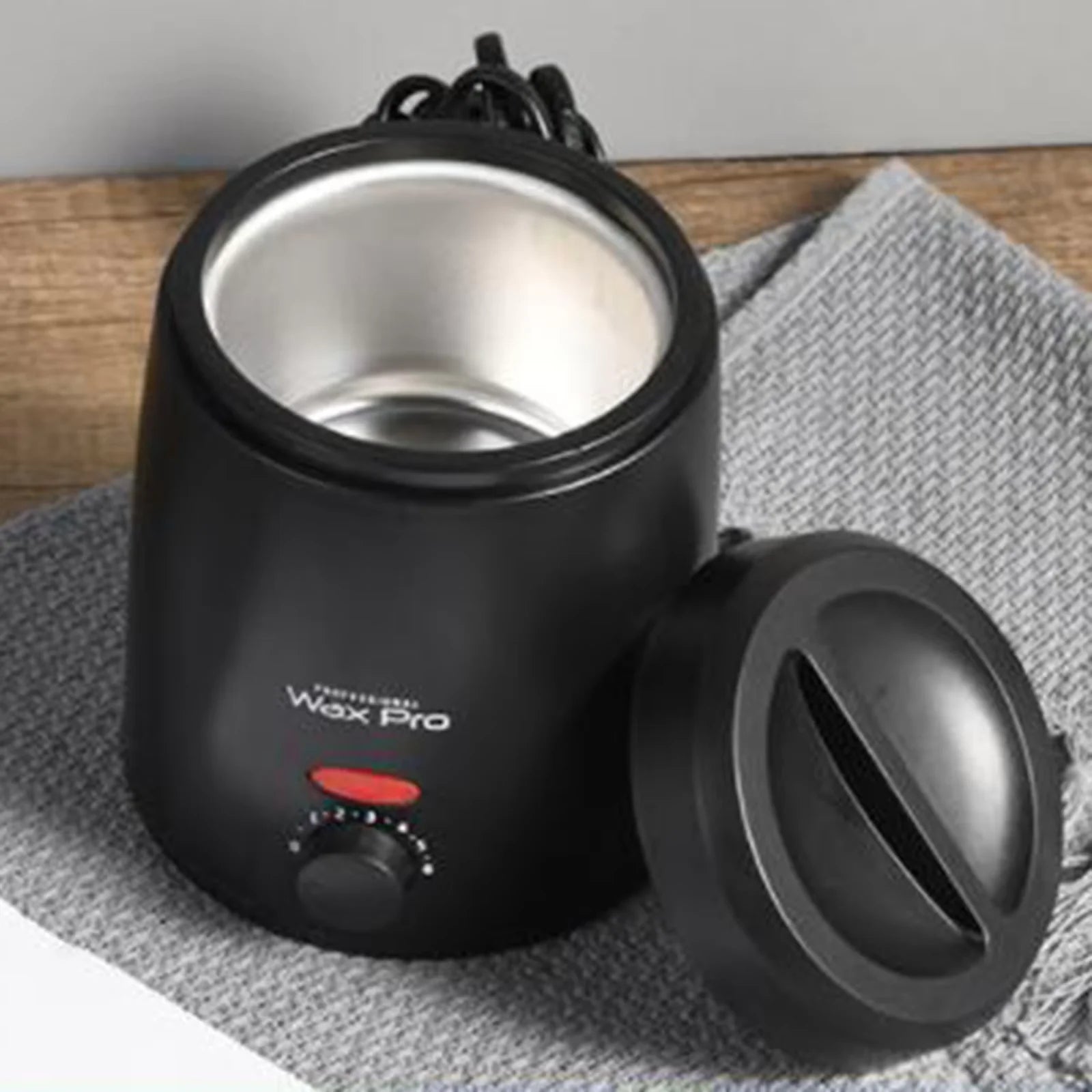
Stable wax heater temperature with heat-resistant ABS housing. See it in action.
ABS vs Metal Wax Heaters: Which Is Safer?
Heat retention
ABS and metal wax heaters differ primarily in how they manage heat rather than how they melt wax. Metal housings conduct and retain heat more efficiently, allowing them to warm quickly and stay hot longer. While this can benefit high-volume salon environments, it also means the exterior may become considerably hotter during extended use.
ABS housings are designed to insulate rather than retain heat. They help keep more heat inside the heating chamber while reducing heat transfer to the outside surface, making them a practical choice for home waxing.
For most home users, the greatest day-to-day safety advantage of ABS is its cooler exterior. Since ABS is a poor conductor of heat compared with metal, accidental contact with the housing is less likely to result in minor burns.
Regardless of housing material, the removable wax pot and melted wax remain hot enough to cause burns if handled carelessly. Safe handling practices are always essential.
Durability and insulation
High-quality ABS offers excellent impact resistance, electrical insulation, and long-term durability when used within its intended operating temperatures. Metal housings are highly durable but typically transfer heat more readily to the user.
| Feature | ABS Housing | Metal Housing |
|---|---|---|
| Surface temperature | Generally cooler during use | Often becomes hotter to the touch |
| Heat retention | Moderate | Higher |
| Electrical insulation | Excellent | Requires additional insulation |
| Best suited for | Home and occasional use | Frequent or commercial use |
For most consumers looking for the best safe wax heater for home use , a well-built ABS model with reliable temperature control provides an excellent combination of comfort, safety, and performance.
Home Wax Heater Safety Tips
Before use
- Inspect the power cord, plug, and housing for cracks or visible damage.
- Place the heater on a stable, level, heat-resistant surface.
- Keep ventilation openings unobstructed.
- Read the manufacturer's instructions before the first use.
- Use only compatible wax designed for your heater.
During waxing
- Set the lowest effective temperature needed to melt the wax.
- Do not leave the heater unattended while powered on.
- Keep children and pets away from the appliance.
- Avoid moving the heater while it contains hot wax.
- If you notice smoke, unusual odors, or erratic heating, unplug the unit immediately.
Cleaning and storage
- Allow the heater to cool completely before cleaning.
- Remove wax residue according to the manufacturer's recommendations.
- Keep moisture away from electrical components.
- Store the appliance in a clean, dry location.
- Replace the heater if the housing becomes cracked or electrical components appear damaged.
Following these home wax heater safety tips helps reduce overheating risks, improves performance, and extends the service life of your appliance.
KentDO Wax Heater with Adjustable Temperature
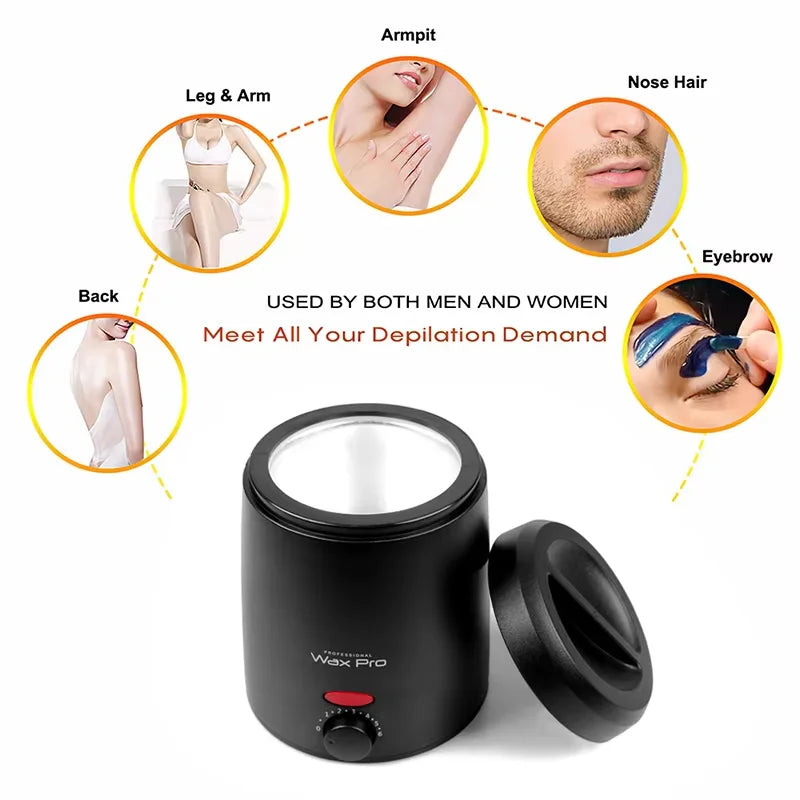
Professional-grade ABS plastic wax heater designed for reliable temperature control and safe home waxing. See it in action.
Frequently Asked Questions
Does ABS plastic melt in a wax heater?
No. Under normal operating conditions, ABS does not melt inside a wax heater. It begins to soften only at temperatures well above the normal working range used for melting wax, while the heating element is isolated from the outer housing.
Can wax heaters overheat?
Yes. A wax heater can overheat if the thermostat fails, ventilation is blocked, or the appliance is left operating for extended periods without proper temperature regulation. Choosing a heater with thermal protection and automatic temperature control helps reduce this risk.
Is ABS plastic toxic when heated?
High-quality ABS used within its intended operating temperature range is considered stable for consumer appliances. During normal waxing temperatures, it should not release harmful chemicals. If you notice persistent smoke or a strong burning plastic odor, discontinue use and inspect the appliance for damage.
Is BPA a concern in ABS wax heaters?
No. BPA (Bisphenol A) is commonly associated with polycarbonate plastics rather than ABS. Standard ABS housings used in wax heaters are not manufactured from BPA-containing polycarbonate materials.
How long does an ABS wax heater last?
A quality ABS wax heater can provide many years of reliable service when used according to the manufacturer's instructions. Regular cleaning, avoiding overheating, and replacing damaged components when necessary help maximize its lifespan.
What certifications should a safe wax heater have?
Look for products that comply with recognized electrical safety standards applicable to your region, such as UL, ETL, or CE certification where appropriate, along with RoHS compliance when available. Purchasing from reputable manufacturers provides additional confidence in product quality and safety.
Related Guide: Wax Melting Pot Electric: In-Depth Review and Buyer Insights













