

What is the fastest way to relieve aching feet after standing all day?
The fastest way to achieve standing all day foot pain relief is to combine elevation, gentle stretching, targeted massage, and the right temperature therapy. Together, these techniques improve circulation, reduce swelling, ease muscle tension, and help your feet recover more quickly after long hours of standing or walking.
- Elevate your feet above heart level for 10–15 minutes to reduce swelling and improve blood flow.
- Stretch your calves, toes, and arches to release built-up tension and restore mobility.
- Massage the soles using your hands, a massage ball, or a foot massage pad to relax tight muscles.
- Apply warm or cold therapy depending on whether stiffness or swelling is your primary symptom.
If your feet hurt after standing all day on a regular basis, repeating this 10–15 minute recovery routine after each shift provides more consistent foot relief after standing than relying on a single remedy.
Aching Feet From Standing All Day: Causes, Fast Relief & Long-Term Fixes
Aching feet are one of the most common complaints among nurses, retail workers, teachers, warehouse employees, restaurant staff, and anyone who spends hours on their feet. Continuous standing places stress on your muscles, joints, ligaments, and circulation, often leaving your feet sore, swollen, or heavy by the end of the day. This guide explains why foot pain from standing all day develops, how to relieve aching feet quickly, and what habits can help prevent recurring discomfort.
⏱ 7 min read
Explore smart recovery ideas designed for long days on your feet.
Why do my feet hurt after standing all day?
Foot pain from standing all day develops because your feet continuously absorb body weight while stabilizing your posture. Over several hours, muscles become fatigued, ligaments experience repeated strain, joints absorb impact, and blood tends to pool in the lower legs. The combination of mechanical stress and reduced circulation explains why many people notice soreness, swelling, stiffness, or burning sensations after a long shift.
How prolonged standing affects foot anatomy and circulation
Each foot contains 26 bones, dozens of joints, and a complex network of muscles, tendons, ligaments, and nerves that work together to support every step. When standing for extended periods, these structures remain under constant load without adequate recovery. Reduced calf muscle movement also slows the return of blood toward the heart, increasing pressure within the feet and ankles.
Poor circulation and blood pooling
Remaining in one position for hours allows blood and fluid to collect in the lower extremities. This often causes swollen feet, a feeling of heaviness, tight shoes by the end of the day, and throbbing discomfort. Elevation and gentle ankle movements help encourage healthy circulation after prolonged standing.
Muscle fatigue and overuse
Your foot, ankle, and calf muscles continuously stabilize your body while standing. Without regular movement or rest breaks, these muscles gradually fatigue, making your feet feel sore, tired, and less supportive. This is one of the most common reasons feet hurt after standing all day.
Plantar fasciitis and arch strain
Repeated stress on the arch can irritate the plantar fascia—a thick band of tissue connecting the heel to the toes. People with limited ankle flexibility, tight calves, or inadequate arch support may notice heel pain that is worse after long workdays or when taking their first steps after resting.
Metatarsalgia, flat feet, and high arches
Foot structure also influences how pressure is distributed. Flat feet may allow the arch to collapse inward, increasing strain on muscles and ligaments. High arches often concentrate pressure on the heel and ball of the foot, while metatarsalgia causes aching beneath the forefoot after prolonged standing. Proper footwear and supportive insoles can help reduce these pressure points.
Unsupportive footwear and hard surfaces
Standing on concrete or tile floors while wearing worn-out shoes, flat soles, or footwear with poor cushioning increases impact forces throughout the feet. Shoes that provide adequate arch support, cushioning, and shock absorption generally reduce fatigue and improve comfort during long shifts.
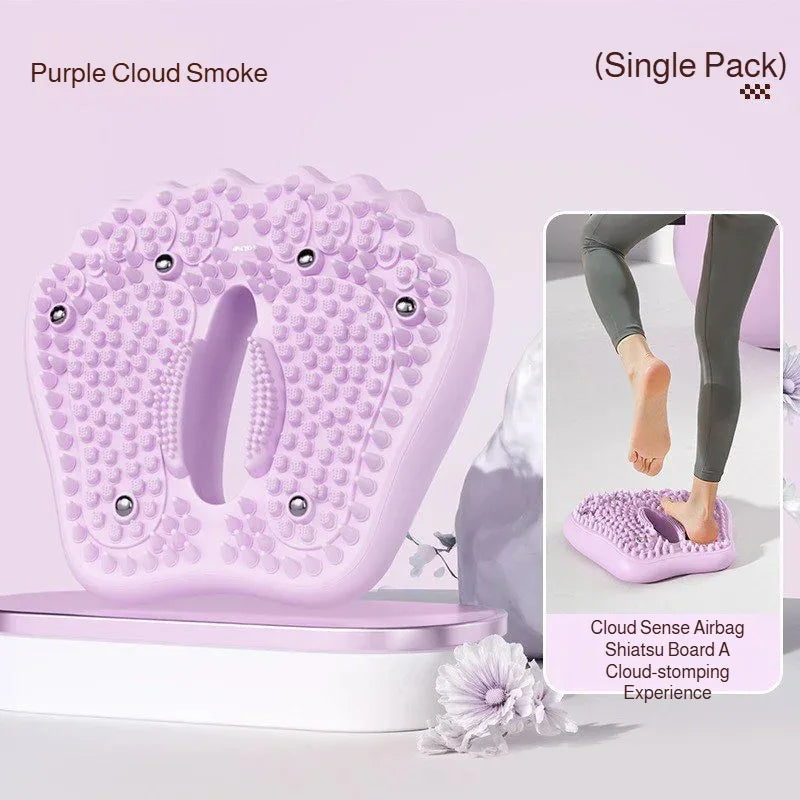
A closer look at an aching feet remedy in daily use See it in action
Immediate relief routine for sore feet after work (step-by-step)
This simple recovery routine is designed to reduce foot pain after a long shift, improve circulation, and help soothe tired feet before soreness becomes worse. Most people notice meaningful relief within 15 minutes.
5-minute quick reset
- Sit comfortably and elevate your feet above heart level whenever possible.
- Roll a massage ball or frozen water bottle under each foot for 1–2 minutes.
- Flex, point, and spread your toes repeatedly to restore movement.
- Perform gentle ankle circles to stimulate circulation before standing again.
15-minute deep recovery routine
- Soak your feet in comfortably warm water for 5–10 minutes if stiffness is the main issue.
- Stretch your calves, Achilles tendons, arches, and toes slowly without bouncing.
- Use a massage tool or foot massage pad to relax tight muscles and improve circulation.
- If swelling is present, apply a cold pack for 10–15 minutes after massage.
- Finish by elevating your feet for another 10 minutes to reduce lingering swelling.
This routine combines stretching, massage, elevation, and temperature therapy to provide effective sore feet after work recovery while supporting faster healing after a long shift.
Best remedies for aching feet from standing all day (ranked by effectiveness)
The best remedy for aching feet combines treatments that provide immediate comfort with habits that reduce recurring pain. While no single solution works for everyone, the following options are supported by clinical practice and are among the most effective aching feet home remedies for people who spend long hours standing.
Stretching and mobility
Gentle stretching improves ankle mobility, reduces calf tightness, and decreases stress on the arches. Stretching is one of the most effective long-term sore feet remedies because it addresses muscle tension instead of simply masking discomfort. Focus on the calves, plantar fascia, toes, and Achilles tendon for the greatest benefit.
Foot massage and stimulation
Massage helps relax overworked muscles, stimulates circulation, and reduces the sensation of foot fatigue. Whether performed manually, with a massage ball, or using a foot massage device, regular massage can provide fast relief after long work shifts while complementing stretching and recovery exercises.
Elevation and circulation support
Elevating your feet for 10–15 minutes after standing encourages fluid to move away from the feet and ankles, helping reduce swelling and feelings of heaviness. Gentle ankle pumps and toe movements while elevating further improve circulation.
Cold vs warm therapy
Both temperature therapies have their place, depending on your symptoms.
- Cold therapy: Best when your feet are swollen, inflamed, or feel hot after prolonged standing.
- Warm therapy: Better for muscle tightness, stiffness, and general relaxation.
- Alternating heat and cold: Some people find alternating therapies helpful for improving comfort after demanding workdays.
Strengthening exercises
Building strength in the feet and lower legs helps reduce fatigue over time. Simple exercises such as towel scrunches, heel raises, toe spreads, and single-leg balance drills strengthen the muscles that support the arches and improve stability during prolonged standing. Performing these exercises several times per week can reduce recurring foot pain from standing all day.
Daily habits that prevent foot pain from long shifts
Daily prevention is often more effective than treating pain after it develops. Small changes to footwear, work habits, and standing posture can significantly reduce foot fatigue relief needs over time.
Best footwear characteristics
Choose shoes that match both your foot shape and your work environment. Supportive footwear should provide adequate arch support, cushioning, a stable heel, sufficient toe room, and shock absorption without feeling excessively soft. Replacing worn shoes before their cushioning breaks down also helps reduce strain.
When insoles help
Supportive insoles may improve comfort for people with flat feet, high arches, or occupations requiring extended standing. Insoles help distribute pressure more evenly across the foot and can reduce localized stress on the heel and forefoot. They work best when paired with properly fitting shoes rather than used as a substitute for supportive footwear.
Compression socks and anti-fatigue mats
Compression socks may help reduce swelling and improve comfort by supporting healthy circulation during long shifts. Anti-fatigue mats provide a cushioned standing surface that decreases repetitive impact on the feet, knees, and lower back, making them particularly valuable for retail, manufacturing, kitchens, and workshops.
Micro-break strategies during work
Even brief movement breaks help prevent stiffness and muscle fatigue.
- Shift your weight between both feet regularly.
- Walk for one or two minutes whenever possible.
- Perform gentle calf stretches during scheduled breaks.
- Flex and extend your ankles while sitting.
- Alternate standing and sitting tasks if your job allows.
Surface and posture adjustments
Standing with balanced posture helps distribute body weight more evenly across both feet. Avoid locking your knees, keep your shoulders relaxed, and engage your core muscles while standing. Whenever possible, alternate foot position using a small footrest or step to reduce continuous pressure on the same areas of the feet. Combining good posture with supportive flooring and footwear provides effective standing all day foot pain relief and helps prevent soreness from returning.
Who Benefits Most From a Durable Heel Grinder?
A metal-bodied electric foot grinder is especially beneficial for people who perform routine foot maintenance and want reliable performance over the long term. The added durability and stability of an aluminum alloy housing make it well suited for repeated use without the premature wear often associated with lower-quality plastic devices.
- Regular home users who maintain dry heels or calluses every few weeks.
- People with thick or stubborn calluses who need consistent grinding performance.
- Salon and spa professionals looking for equipment designed to withstand frequent operation.
- Users seeking long-term value by investing in a device that may require fewer replacements over time.
Those browsing Nail Care Devices often pair a durable electric foot grinder with other at-home pedicure essentials to create a complete foot care routine.
Maintenance Tips That Extend Tool Life
Even a high-quality aluminum alloy foot grinder performs best when it is cleaned and stored correctly. Simple maintenance habits help preserve both appearance and grinding performance while extending the lifespan of replaceable components.
- Wipe the aluminum alloy housing clean after every use to remove dust and skin debris.
- Clean or replace grinding heads according to the manufacturer's recommendations.
- Avoid pressing excessively during use, allowing the motor and grinding head to do the work.
- Store the grinder in a cool, dry location away from prolonged moisture.
- Inspect the housing, grinding head attachment, and fasteners periodically for signs of wear.
- Recharge the battery according to the manufacturer's instructions if using a cordless model.
Routine care not only helps preserve the finish of the aluminum alloy body but also supports smoother operation, more consistent results, and dependable performance for years of regular home use.
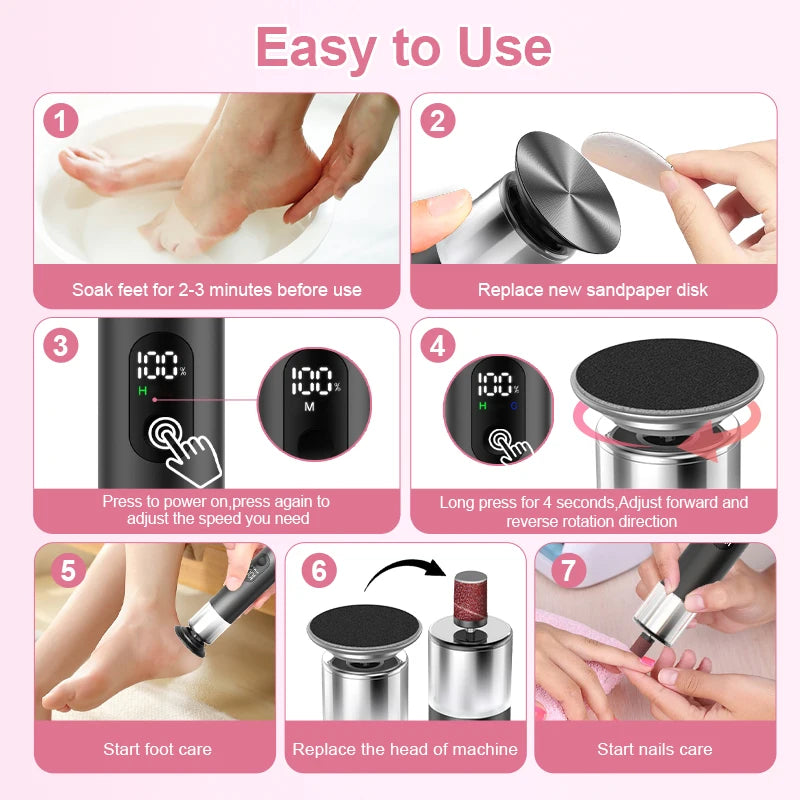
Built to last, designed for confidence — See it in action
When aching feet may signal a bigger problem
Foot pain from standing all day often improves with rest and a consistent recovery routine. However, pain that is severe, persistent, or accompanied by other symptoms may indicate an underlying condition that requires medical evaluation rather than self-care alone.
Red-flag symptoms
- Sharp heel pain that is worst with the first steps in the morning, which may suggest plantar fasciitis.
- Swelling that does not improve after rest, elevation, or several days of reduced activity.
- Numbness, tingling, burning, or weakness that could indicate nerve involvement.
- Pain following an injury or inability to bear weight comfortably.
- Visible redness, warmth, or signs of infection.
- Pain that continues for several weeks despite appropriate home treatment.
When to see a healthcare professional
Consult a healthcare professional if your symptoms interfere with daily activities, continue to worsen, or repeatedly return despite wearing supportive footwear and following a recovery routine. Early evaluation can help identify conditions such as plantar fasciitis, stress fractures, tendon injuries, arthritis, nerve compression, or circulation problems before they become more difficult to treat.
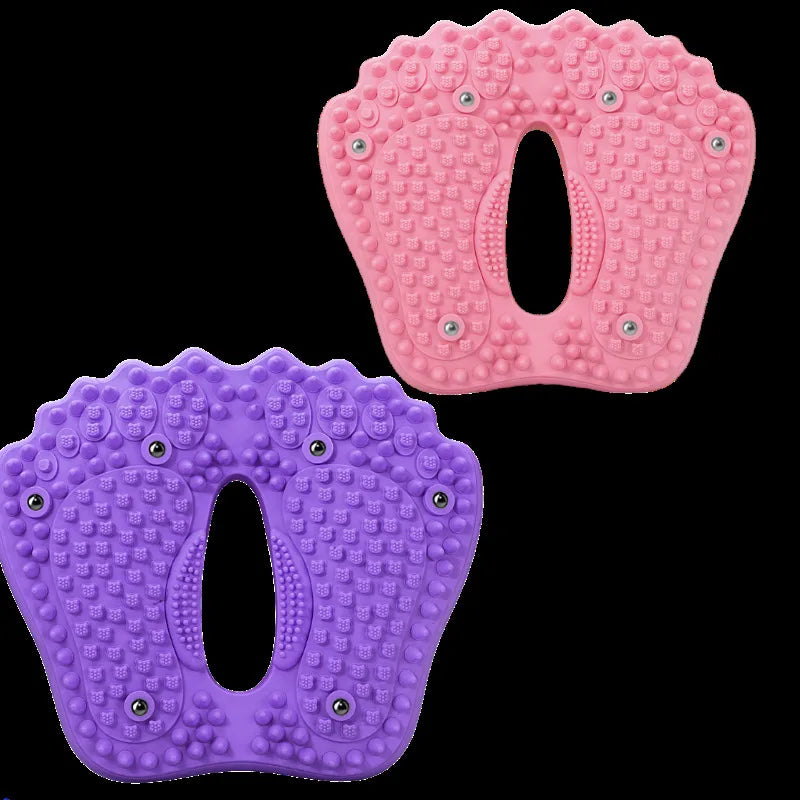
A calming end-of-day ritual for foot fatigue See it in action
For broader wellness support, explore Body Care and Health Devices to complement your recovery routine.
Recovery timelines: when should your feet feel better?
Normal recovery
Most people notice meaningful improvement within a few hours after elevating their feet, stretching, and reducing activity. Mild soreness from a demanding workday often resolves within 24 hours, while recurring fatigue generally improves over several weeks when supportive shoes, strengthening exercises, and regular recovery habits become part of your routine.
When pain lasts longer than expected
If your feet remain painful for more than one to two weeks despite consistent self-care, or your symptoms become more severe over time, it is advisable to seek medical advice. Persistent pain may indicate an underlying structural or medical condition that requires a more targeted treatment plan.
Frequently asked questions
Why do my feet hurt after standing all day?
Feet hurt after standing all day because prolonged weight-bearing causes muscle fatigue, increased pressure on joints and ligaments, and slower circulation. Factors such as hard floors, poor footwear, flat feet, or high arches can make symptoms worse.
How do I relieve sore feet after work quickly?
The fastest relief usually comes from elevating your feet, stretching your calves and arches, massaging the soles, and using cold therapy if swelling is present. Combining several methods is generally more effective than relying on a single treatment.
What is the best remedy for aching feet?
The best remedy combines supportive footwear during the day with stretching, strengthening exercises, massage, and elevation after work. This approach addresses both immediate discomfort and the underlying causes of recurring foot fatigue.
How can I prevent foot pain from standing all day?
Wear supportive shoes with adequate cushioning, consider insoles if appropriate, take regular movement breaks, avoid standing in one position for prolonged periods, and perform simple recovery exercises after each shift.
Can standing all day permanently damage your feet?
Standing alone does not usually cause permanent damage, but repeated stress without adequate recovery may contribute to conditions such as plantar fasciitis, tendon irritation, or joint pain. Early prevention and supportive footwear reduce these risks.
Are compression socks good for aching feet after work?
Compression socks may help reduce swelling and improve comfort for people who stand for extended periods, particularly when combined with movement, stretching, and elevation after work.
What shoes are best for people who stand all day?
Look for shoes that provide appropriate arch support, cushioning, shock absorption, a stable heel, and enough room in the toe box. Replacing worn shoes regularly also helps maintain support.
Should I use ice or heat for sore feet after standing?
Ice is generally more helpful when swelling or inflammation is present, while heat is better for relieving muscle stiffness and tightness. Choose the option that best matches your symptoms.
Why do my arches hurt after standing for hours?
Arch pain often results from muscle fatigue, plantar fascia strain, inadequate arch support, or foot mechanics such as flat feet or high arches that increase pressure during prolonged standing.
When should foot pain after work be evaluated by a doctor?
Seek medical evaluation if pain persists for several weeks, worsens despite self-care, follows an injury, or is accompanied by severe swelling, numbness, weakness, redness, or difficulty walking.
Support your feet with a smarter daily recovery routine.













