

Does a Butane Camping Heater Really Provide Reliable Warmth?
A quality portable butane heater can provide dependable warmth for camping by delivering steady radiant heat in well-ventilated outdoor shelters and campsites. Performance depends on the heater's BTU rating, outside temperature, wind conditions, and proper operation. While butane heaters are convenient and portable, they require careful attention to ventilation and safety and are generally less effective than propane models in extremely cold weather.
Best Butane Heater for Camping: Complete Buying Guide & Reviews
Staying warm can make the difference between an enjoyable camping trip and a miserable night outdoors. Whether you're planning a weekend at a campground, preparing an emergency kit, or looking for a compact heat source for shoulder-season adventures, choosing the best butane heater for camping means balancing heating performance, portability, runtime, and safety. This guide helps you understand what to look for before buying and how to use a camping heater responsibly.
⏱ 6 min read
Quick question: Are you looking for the lightest heater for backpacking, or a higher-output model for comfortable car camping?

Compact portable heater suitable for outdoor cold-weather use. See it in action.
Does a Butane Camping Heater Really Provide Reliable Warmth?
Yes. A portable butane heater can effectively warm a small camping area when matched to the right environment and used according to the manufacturer's instructions. Most camping models produce between 7,000 and 10,000 BTU, making them suitable for car camping, ice fishing shelters, hunting blinds, and other compact outdoor spaces. Heat output remains consistent while fuel pressure is stable, although efficiency typically decreases in freezing temperatures because butane vaporizes less effectively than propane.
For the best results, choose a heater with an appropriate BTU rating, built-in tip-over and low-oxygen shutoff protection, and always maintain adequate ventilation. Proper placement away from flammable materials and careful fuel handling are essential for safe operation during camping trips.
Best Butane Heater for Camping: Quick Comparison Table
| Heater | Approx. BTU Output | Typical Runtime | Weight | Best For | Key Safety Features |
|---|---|---|---|---|---|
| Mr. Heater Portable Buddy | 4,000–9,000 BTU | Up to 6 hours (1 lb propane cylinder) | About 9 lb | Car camping and emergency use | Tip-over shutoff, low-oxygen sensor |
| Iwatani CB-CGS-PTB | About 7,500 BTU | 2.5–3 hours (butane canister) | About 5 lb | Compact camping trips | Pressure safety device, piezo ignition |
| Kovea Cupid | About 7,300 BTU | Up to 3 hours | About 3 lb | Lightweight travel | Automatic gas shutoff, stable base |
| Sengoku HeatMate | 8,000–10,000 BTU | Up to 3 hours | About 6 lb | Cold-weather campsites | Tip-over protection, oxygen depletion sensor |
When comparing the best butane heater for camping, focus on usable heat output, fuel availability, packed size, and integrated safety systems rather than BTU ratings alone. Models with automatic shutoff features and stable bases are generally better suited to outdoor recreational use.
Our Picks: Best Butane Heaters for Camping
Best Overall
Iwatani CB-CGS-PTB. This portable butane heater offers an excellent balance of heating performance, compact size, dependable ignition, and easy transport. It is well suited for campers who want reliable warmth without carrying a large heater.
- Pros: Lightweight, simple ignition, compact design.
- Cons: Runtime is limited by standard butane canisters.
- Best for: Weekend camping and general outdoor recreation.
Best Budget
Basic single-canister butane heaters provide adequate warmth for occasional camping trips at an affordable price. They work best in mild to cool weather where maximum heat output is not essential.
Best for Tent Camping
Choose a compact heater with tip-over protection and a low-oxygen shutoff system. Even with these features, maintain continuous ventilation and follow the manufacturer's instructions regarding enclosed-space use.
Best for Car Camping
Larger portable heaters with higher BTU ratings are ideal for vehicle-supported camping because additional weight is less of a concern, while greater heat output improves comfort during colder evenings.
Best Lightweight
Compact models weighing around 3–5 pounds are easier to transport between campsites and store alongside other camping equipment without taking up excessive space.
Best Emergency Backup
A portable camping heater can serve as a valuable emergency heat source during power outages when used safely in accordance with the manufacturer's recommendations and local safety guidance.
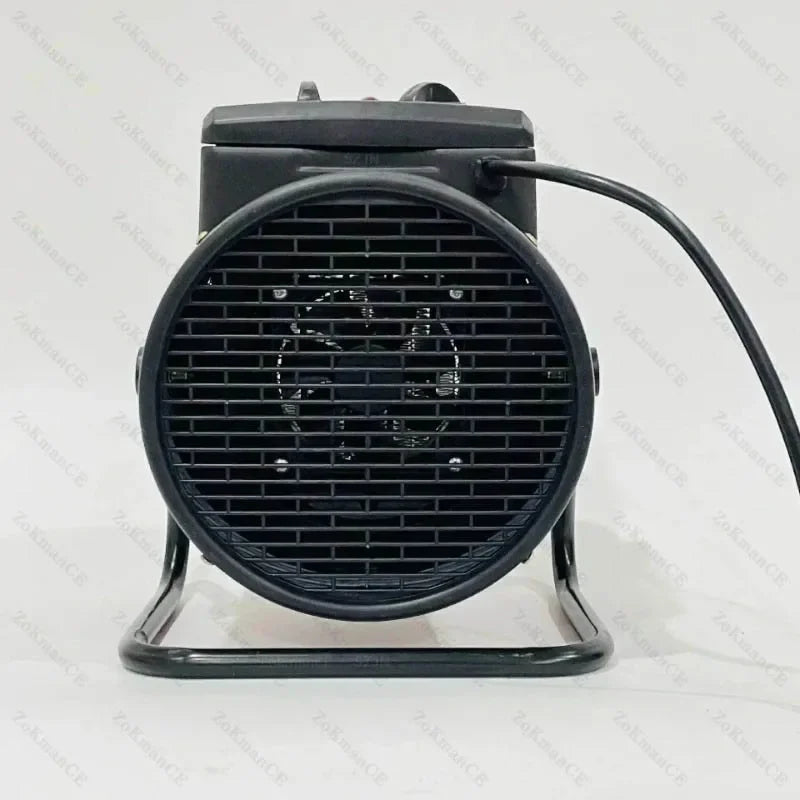
Portable camping heater designed for dependable outdoor warmth. See it in action.
How We Selected and Tested These Camping Heaters
Testing criteria
Our evaluation focuses on the factors that matter most during real camping trips rather than manufacturer specifications alone. Each heater is assessed for usable heat output, ignition reliability, portability, safety systems, fuel efficiency, and overall build quality.
- Heating performance: Ability to warm a small camping shelter or seating area.
- Runtime: Expected operating time from a standard fuel canister under typical conditions.
- Ease of ignition: Consistent startup using integrated piezo ignition or manual systems.
- Build quality: Stability, durability, and resistance to outdoor use.
- Safety features: Presence of tip-over protection, pressure safety devices, and low-oxygen shutoff where applicable.
Field-use evaluation
Camping heaters perform differently depending on wind, outside temperature, shelter size, and elevation. Real-world evaluation considers these variables instead of relying solely on laboratory BTU ratings, giving campers a more realistic expectation of heating performance.
Butane Heater Safety for Camping
Ventilation requirements
Always operate a butane heater in a well-ventilated area. Fresh air helps reduce carbon monoxide accumulation while ensuring efficient combustion. Never block ventilation openings or use a heater contrary to the manufacturer's instructions.
Carbon monoxide risks
Fuel-burning heaters consume oxygen and produce combustion gases. A carbon monoxide detector is strongly recommended whenever a heater is used in enclosed or partially enclosed camping environments approved by the manufacturer.
Indoor tent limitations
Not every portable butane heater is designed for enclosed shelter use. Before operating a heater inside a tent, screen room, or other temporary shelter, verify that the model is specifically rated for that application and maintain continuous ventilation throughout operation.
Safety checklist
- Place the heater on a flat, stable, nonflammable surface.
- Keep sleeping bags, clothing, and other combustible materials well away from the heater.
- Inspect fuel canisters and connections before each use.
- Never leave the heater operating unattended.
- Allow the heater to cool completely before packing or transporting it.
- Store butane canisters away from direct sunlight and excessive heat.
Butane vs Propane Heater for Camping
| Feature | Butane Heater | Propane Heater |
|---|---|---|
| Cold-Weather Performance | Best above freezing temperatures | Performs better in freezing conditions |
| Fuel Availability | Widely available in many outdoor stores | Commonly available at camping and hardware retailers |
| Portability | Compact canisters and lightweight heaters | Slightly larger fuel cylinders |
| Operating Cost | Economical for short trips | Often more cost-effective for extended use |
| Best Use Case | Mild-weather camping, emergency kits, car camping | Winter camping and prolonged cold-weather use |
Performance in cold weather
Butane loses vapor pressure as temperatures approach freezing, reducing heat output and runtime. Propane continues to vaporize efficiently at much lower temperatures, making it the preferred option for winter camping and high-altitude trips.
Fuel availability
Both fuels are easy to find in many regions, but availability varies depending on your destination. Check local outdoor retailers before extended trips, especially in remote areas.
Operating costs
For occasional weekend camping, butane heaters provide a convenient and affordable solution. Campers expecting long runtimes or frequent cold-weather use may find propane offers better long-term value.
BTU Guide: Choosing the Right Heater Size
Solo camping
A heater producing approximately 4,000 to 7,000 BTU is generally sufficient for one or two campers in a compact shelter when weather conditions are moderate and ventilation is maintained.
Family camping
Larger family shelters typically benefit from heaters in the 8,000 to 10,000 BTU range, provided the heater is approved for the intended environment and adequate airflow is maintained.
Car camping
Because weight is less restrictive during car camping, higher-capacity portable heaters are practical and can provide more comfortable warmth during cool mornings and evenings.

Choose a portable camping heater with the right BTU output for your shelter size and outdoor conditions.
How to Use a Butane Heater While Camping
Setup
- Place the heater on a level, stable, nonflammable surface.
- Install the butane canister according to the manufacturer's instructions.
- Check that the fuel compartment is securely locked before ignition.
- Ensure adequate ventilation around the camping area before turning the heater on.
Operation
- Use the lowest heat setting that provides adequate comfort.
- Keep combustible materials well outside the manufacturer's recommended clearance distances.
- Inspect the heater periodically for stable operation and proper flame performance.
- Never leave a portable butane heater unattended while operating.
Shutdown
- Turn the control knob to the OFF position.
- Allow the heater to cool completely before moving it.
- Remove the fuel canister if the heater will be stored or transported.
- Store fuel canisters in a cool, dry location away from direct sunlight and excessive heat.
Fuel Efficiency, Runtime, and Operating Costs
Fuel consumption
Most portable butane heaters operate for approximately 2 to 4 hours on a standard butane canister, depending on the BTU setting and outdoor conditions. Lower heat settings generally provide longer runtime.
Canister availability
Standard butane canisters are widely available at many outdoor retailers, camping stores, and hardware suppliers. If traveling to remote destinations, bring enough fuel for the entire trip.
Cost per trip
For occasional camping, butane heaters offer an economical heating solution. Estimating daily runtime and carrying extra fuel helps avoid interruptions during cold evenings.
Maintenance and Storage Tips
Cleaning
Keep the burner area free from dust, dirt, and debris. Regular cleaning promotes efficient combustion and helps maintain reliable ignition throughout the camping season.
Off-season storage
Store the heater in a dry location after ensuring it has completely cooled. Remove fuel canisters before long-term storage and inspect the appliance before the next camping trip.
Alternatives for Extreme Winter Camping
When butane is not enough
In sub-freezing temperatures or high-altitude environments, butane heaters may deliver reduced performance because fuel vaporization becomes less efficient. Campers expecting severe winter conditions should plan accordingly.
Propane alternatives
Portable propane heaters generally perform better in freezing weather and are often the preferred choice for extended winter camping, ice fishing, and larger outdoor shelters.
Frequently Asked Questions
Are butane heaters safe inside a tent?
Only use a butane heater inside a tent if the manufacturer specifically approves that application. Maintain continuous ventilation, follow all operating instructions, and never sleep with an operating fuel-burning heater.
Do butane heaters work in freezing weather?
They can operate in cool weather, but performance often declines as temperatures approach or fall below freezing because butane vapor pressure decreases.
How long does one butane canister last?
A standard canister typically provides between 2 and 4 hours of runtime, depending on the heater model and heat setting.
What BTU rating is best for camping?
For most campers, heaters producing approximately 4,000 to 10,000 BTU provide a practical balance between warmth, portability, and fuel consumption. The ideal output depends on shelter size and expected weather conditions.
Which is better for camping: butane or propane?
Butane is lightweight and convenient for mild-weather camping, while propane generally offers superior performance during freezing temperatures and extended winter trips.
Recommended product: Portable Electric Heater Ceramic
Related Guide: Fast Heating Ceramic Technology Explained for Instant Comfort













