Do adult ski snowboarding goggles really improve visibility and comfort on the slopes?
Yes. High-quality adult ski snowboarding goggles improve visibility, comfort, and confidence by combining dual-lens anti-fog construction, efficient ventilation, wide-angle optics, and multi-layer face foam. Together, these features help reduce glare, maintain clearer vision in changing weather, and minimize eye fatigue during long days on the mountain.
Anti Fog Magnetic Goggles Review: Are They Worth Upgrading in 2026?
Poor visibility can quickly turn an enjoyable ski or snowboard run into a frustrating experience. Fogged lenses, flat light, and rapidly changing weather all make it harder to read terrain safely. Modern anti fog magnetic goggles are designed to solve these challenges with advanced lens technology, quick interchangeable lens systems, and improved ventilation. In this guide, you'll learn how they work, who benefits most from upgrading, and what features matter when choosing the best ski and snowboard goggles.
⏱ 5 min read

Adult ski snowboarding goggles improving clarity and visibility in low-light mountain conditions.
Do Anti Fog Magnetic Goggles Really Work?
Quick Verdict
For most skiers and snowboarders, the answer is yes. Well-designed anti fog magnetic goggles provide noticeably better visibility than basic goggles by combining insulated dual lenses, effective airflow, and fast lens changes. These improvements help maintain clearer vision during cold weather, heavy snowfall, and high-output riding when traditional goggles are most likely to fog.
What Makes Them Different from Standard Goggles
Unlike conventional goggles that require manually removing the lens from the frame, magnetic systems use securely positioned magnets to simplify lens changes. This makes it easier to adapt to changing light while reducing unnecessary handling of the delicate inner anti-fog surface.
- Quick lens swaps for changing weather and light
- Reduced moisture exposure during lens changes
- Improved ventilation that helps limit condensation
- Wide field of view for better terrain awareness
Best Ski and Snowboard Goggles (2026 Top Picks)
Best Overall
A premium magnetic goggle with dependable anti-fog performance, excellent optical clarity, and a wide field of view for riders who encounter mixed weather throughout the season.
Best Budget
An affordable option offering reliable anti-fog protection, comfortable padding, and solid visibility for occasional skiers and snowboarders.
Best for Snowboarding
Models featuring expansive peripheral vision, secure helmet compatibility, and fast magnetic lens changes that perform well in variable mountain conditions.
Best OTG for Glasses
Over-the-glasses (OTG) goggles with extra interior space and enhanced ventilation for riders who wear prescription eyewear.
Best for All-Day Comfort
Goggles with triple-layer face foam, lightweight construction, and flexible frames that remain comfortable from first chair to the final run.
Best Anti-Fog Performance
High-end designs that combine advanced lens coatings, efficient vent channels, and durable magnetic systems to maximize visibility in humid, snowy, and cold conditions.
Quick Comparison Table
| Feature | What to Look For |
|---|---|
| Lens Type | Cylindrical for value or spherical for enhanced optics and peripheral vision |
| OTG Compatibility | Extra frame depth for riders wearing prescription glasses |
| Best Conditions | Interchangeable magnetic lenses for changing weather; fixed lenses for consistent conditions |
| Price Range | Budget, mid-range, and premium options depending on lens technology and features |
How Anti-Fog Technology Works
Dual-Lens Construction
Modern anti fog ski goggles rely on a dual-pane lens system that creates an insulating air pocket between the inner and outer lenses. This reduces the temperature difference across the lens surface, making condensation far less likely to develop during cold-weather riding.
Ventilation Systems
Well-designed ventilation channels encourage continuous airflow while helping block snow and moisture from entering the frame. When combined with a proper helmet fit, this balanced airflow keeps warm, humid air moving instead of collecting inside the goggles.
Lens Coatings
The inner lens is typically treated with a moisture-managing anti-fog coating that spreads condensation into a thin, transparent layer instead of allowing visible droplets to form. To maximize coating lifespan, avoid wiping the inside of the lens when it is wet or frosted.
- Dual lenses improve thermal insulation.
- Ventilation helps regulate humidity inside the frame.
- Protective coatings maintain clearer vision in demanding conditions.
Why Ski Goggles Fog and How to Prevent It
Common Causes
Fog develops whenever warm, moisture-filled air from your face contacts a colder lens surface. Poor helmet compatibility, blocked vents, excessive perspiration, and repeatedly removing your goggles all increase the likelihood of condensation.
Best Practices
- Choose goggles that fit both your face and helmet correctly.
- Keep ventilation ports free of snow and debris.
- Avoid placing goggles on your forehead during breaks.
- Allow wet goggles to air dry naturally after each session.
- Store goggles in a protective microfiber bag to preserve lens coatings.
How Anti Fog Magnetic Goggles Improve Visibility
Key Design Advantages
- Dual-lens insulation minimizes internal temperature differences.
- Strategically positioned vents promote consistent airflow.
- Magnetic interchangeable lenses make adapting to changing light fast and convenient.
- Wide lenses improve peripheral awareness when navigating trails and terrain.
Performance in Snow, Wind, and Humidity
Visibility often changes throughout the day as weather shifts from bright sunshine to cloud cover or snowfall. Magnetic lens systems allow riders to swap lenses quickly while minimizing handling of the inner anti-fog surface. Combined with effective ventilation, this helps maintain consistent optical clarity during lift rides, tree runs, and long descents.
Real-World Performance Testing
Cold Weather
In below-freezing temperatures, dual-lens anti fog ski goggles consistently resist condensation better than single-lens designs, especially during repeated chairlift rides and frequent stops.
Powder Days
Snowy conditions place greater demands on ventilation. Goggles with efficient airflow channels continue to provide dependable visibility while limiting moisture accumulation inside the frame.
High-Speed Runs
At higher speeds, stable lens construction and secure frame seals help maintain sharp vision while reducing distractions caused by wind, glare, and changing terrain contrast.
What Riders Notice Most
- Significantly less fogging during lift rides and rest breaks.
- Improved contrast in changing weather and flat-light conditions.
- More consistent visibility throughout long riding sessions.
- Quick lens changes without interrupting time on the mountain.
Magnetic vs Traditional Goggles: At-a-Glance
Pros and Cons Breakdown
| Feature | Magnetic Goggles | Traditional Goggles |
|---|---|---|
| Lens Changes | Fast, tool-free interchangeable lenses | Manual removal takes longer |
| Adaptability | Excellent for changing weather and light | Best for riders using one lens all day |
| Fog Resistance | Often better due to reduced lens handling | Depends more heavily on ventilation and care |
| Cost | Typically mid-range to premium | Usually more budget friendly |
Both styles can provide excellent visibility when properly designed. Magnetic systems mainly benefit riders who frequently encounter changing weather or prefer switching lenses throughout the day.
Are Magnetic Goggles Worth It? (Buyer Decision Guide)
When They're Worth the Upgrade
- You ski or snowboard in rapidly changing weather.
- You regularly experience fogging during lift rides or breaks.
- You want fast lens changes without removing gloves.
- You ride enough to benefit from interchangeable lenses.
When Standard Goggles Are Enough
- You ride only a few times each season.
- Your local conditions remain fairly consistent.
- Keeping costs low is more important than convenience.
- You rarely need to swap lenses during the day.
Who Should Upgrade to Anti Fog Magnetic Goggles?
- Frequent skiers and snowboarders riding throughout the season.
- Mountain riders who encounter snow, fog, and changing light on the same day.
- People frustrated by recurring lens fogging.
- Performance-focused riders seeking maximum visibility and convenience.
- Travelers visiting resorts where weather conditions change quickly.
How to Choose the Right Ski and Snowboard Goggles
Lens Shape
Spherical lenses generally provide a wider field of view with reduced optical distortion, making them a popular choice for performance-oriented riders. Cylindrical lenses offer dependable performance at a lower price point while maintaining a sleek profile.
Fit and Face Size
Comfortable ski goggles should create an even seal around your face without pressure points. Frames that are too large can allow cold air inside, while goggles that are too small may reduce comfort during all-day use.
Helmet Compatibility
Your helmet and goggles should fit together seamlessly to eliminate gaps across the forehead. A compatible setup improves airflow, increases comfort, and helps reduce fogging caused by warm air escaping upward.
Ventilation
Look for models with well-designed vent channels and breathable face foam that encourage steady airflow while preventing snow from entering the frame.
Buying Guide: What Matters Most Before You Buy
Fit Checklist
- Even facial seal with no pressure hotspots.
- Comfortable fit while wearing your helmet.
- Wide peripheral vision without obstruction.
- Appropriate size for your face shape.
Lens Selection
Select lens tints based on your typical riding conditions. Riders who experience a variety of weather will benefit most from interchangeable magnetic lens systems that allow quick adaptation throughout the day.
Budget Considerations
Entry-level goggles provide dependable protection for occasional riders, while premium models justify their higher price through improved optics, faster lens changes, greater durability, and enhanced anti-fog performance.
Maintenance Tips
- Allow goggles to dry naturally after each session.
- Store them in a protective microfiber pouch.
- Avoid wiping the inside of the lens.
- Keep vents clean to maintain optimal airflow.
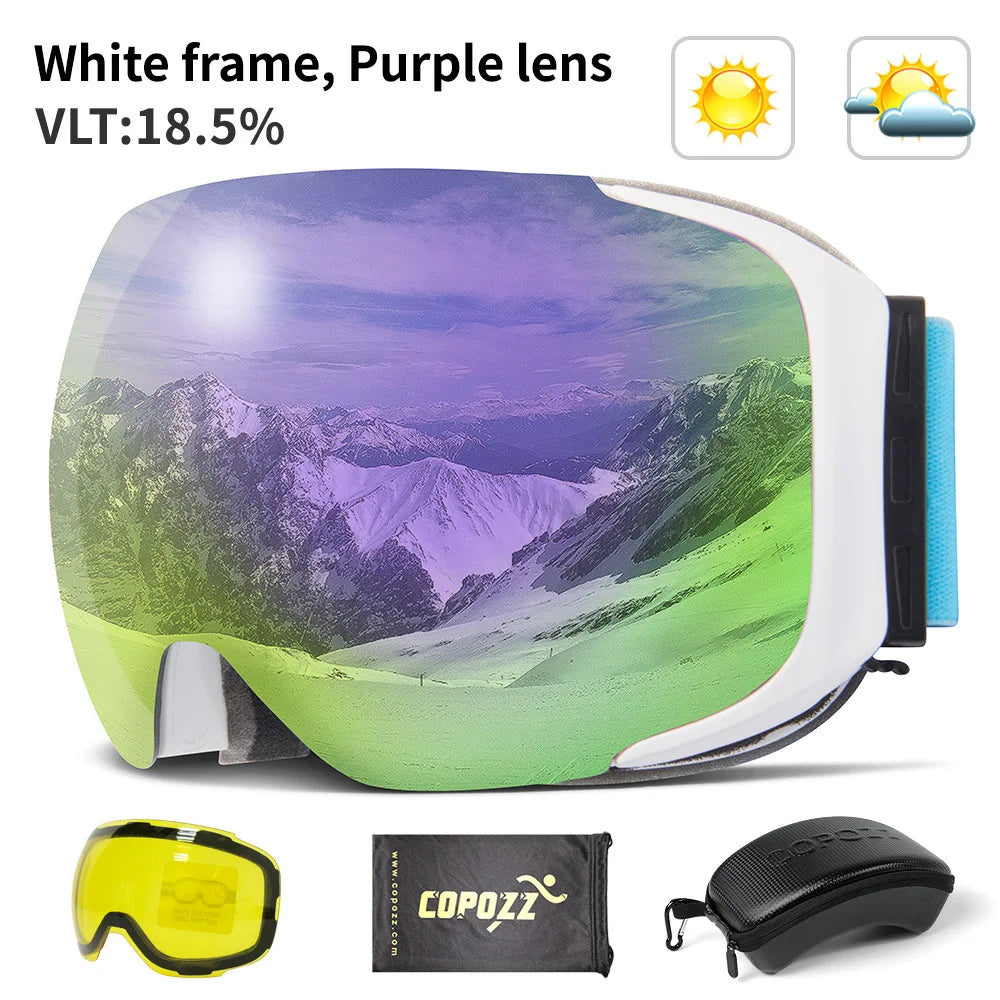
Anti fog ski goggles helping maintain clear vision in challenging winter conditions.
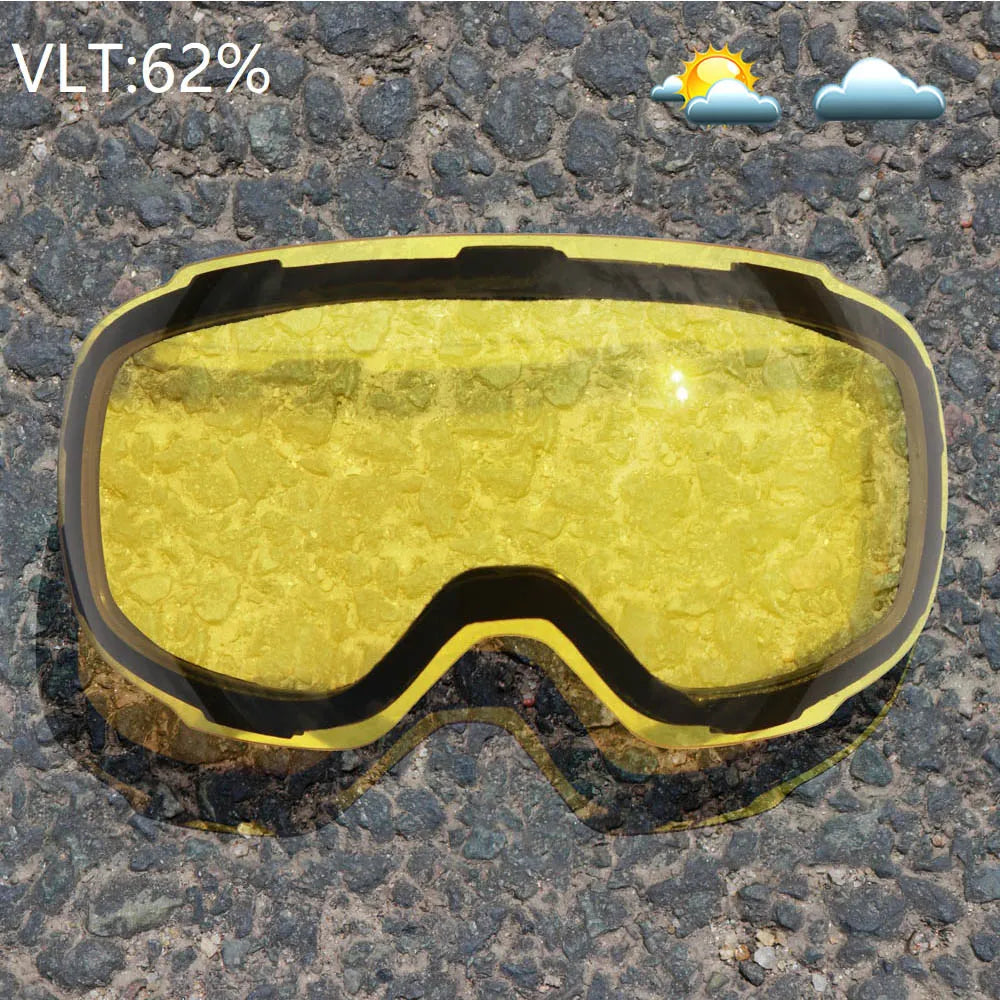
Adult ski snowboarding goggles designed for dependable visibility in changing mountain weather.
Common Buying Mistakes
Wrong Lens
Choosing a lens tint that doesn't match your typical weather can reduce contrast and depth perception. Riders who experience changing conditions benefit most from interchangeable magnetic lenses.
Poor Fit
Even premium ski and snowboard goggles perform poorly if they do not seal comfortably against your face. A proper fit improves both comfort and fog resistance.
Ignoring Helmet Compatibility
Always try goggles with your helmet whenever possible. A compatible combination improves ventilation, eliminates forehead gaps, and creates a more secure riding experience.
Skipping OTG Needs
If you wear prescription glasses, consider OTG-compatible goggles instead of forcing standard frames to fit. Extra interior space and dedicated ventilation provide greater comfort and reduce fogging.
Frequently Asked Questions
What are the best ski and snowboard goggles for beginners?
Beginners should prioritize comfortable fit, reliable anti-fog performance, helmet compatibility, and a versatile lens suitable for mixed weather rather than focusing only on premium features.
Can I use snowboard goggles for skiing?
Yes. Modern ski and snowboard goggles are generally interchangeable, provided they fit properly, offer adequate protection, and are compatible with your helmet.
What VLT is best for changing weather?
A medium visible light transmission (VLT) lens or an interchangeable magnetic lens system provides the greatest versatility when conditions shift throughout the day.
Are OTG ski goggles comfortable for all-day wear?
Quality OTG ski goggles are specifically designed to accommodate prescription eyewear while maintaining ventilation and comfort during extended sessions.
How do anti-fog ski goggles prevent condensation?
They combine dual-lens insulation, moisture-managing coatings, and efficient ventilation to reduce condensation before it forms on the lens surface.
How do I know if goggles fit my helmet?
The goggles should sit flush against the helmet without creating a gap above the frame while maintaining an even facial seal and unrestricted ventilation.
Do expensive ski goggles make a noticeable difference?
Premium models often provide better optics, improved coatings, more durable construction, and faster interchangeable lens systems. Frequent riders typically notice the greatest benefits.
How should I clean anti-fog lenses?
Allow lenses to air dry naturally after use and clean only the exterior with a microfiber cloth when necessary. Avoid rubbing the inner anti-fog coating, as this can shorten its lifespan.