

Do Air Compression Leg Massagers Work?
Yes, air compression leg massagers can work for specific recovery and comfort goals, especially when used consistently. These devices use intermittent pneumatic compression (IPC) to apply rhythmic pressure through inflatable air chambers, which may help support circulation, reduce mild leg swelling, and relieve feelings of heaviness or fatigue.
However, expectations matter. An air compression leg massager is not a replacement for medical treatment, exercise, stretching, or professional rehabilitation. The biggest benefits are typically related to circulation support, relaxation, and short-term recovery after activity rather than dramatic changes in muscle performance or body composition.
People who spend long hours sitting or standing, frequently exercise, travel often, or experience everyday leg fatigue may find these devices useful. For athletes needing maximum compression power and full-leg coverage, professional pneumatic compression boots for recovery may be a better fit.
Air Compression Leg Massager vs Massage Boots: Which Recovery Device Is Better?
Recovery technology has become increasingly popular among athletes, office workers, travelers, and wellness-focused users. Two common options are air compression leg massagers and compression massage boots .
Both devices rely on air-powered compression cycles, but they are built for different purposes. A home leg compression massager focuses on convenience, relaxation, and everyday recovery, while advanced compression boots are designed for users who need stronger compression systems and more extensive leg coverage.
Understanding how these devices work, what research suggests, and who benefits most can help you choose the right recovery solution for your lifestyle.
⏱ 7 min read
Heavy legs after workouts? Swelling after sitting all day? Many people look for recovery tools that provide more support than stretching alone. This guide explains how air compression leg massagers work, what benefits they can realistically provide, and how they compare with compression boots and sleeves.
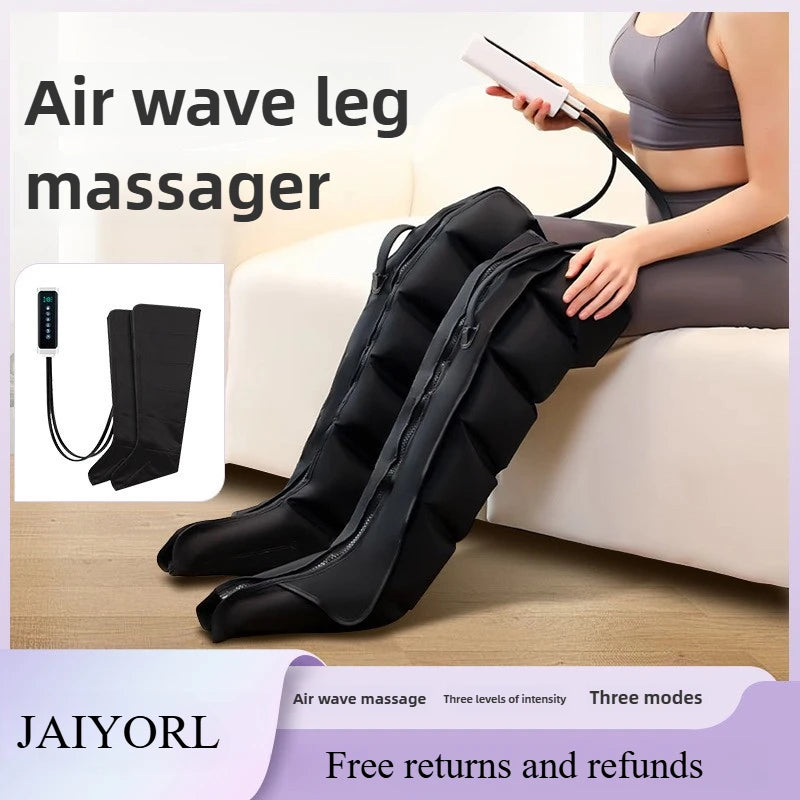
Air compression leg massager design compared with compression massage boots See it in action
How Air Compression Leg Massagers Work
An air compression leg massager is a recovery device that uses inflatable chambers to apply controlled pressure around the legs. These chambers repeatedly inflate and release, creating a squeezing sensation similar to a massage.
How Intermittent Pneumatic Compression Works
Most devices use a technique called intermittent pneumatic compression. Air chambers inflate in programmed sequences, applying pressure to different areas of the leg. This compression pattern may encourage venous blood movement back toward the heart and help move excess fluid away from tissues.
Unlike traditional massage tools that rely on vibration or kneading, a leg compression machine works by changing pressure around the limb. The result is a gentle compression cycle designed to support circulation and relaxation.
Medical-Grade vs Consumer Leg Compression Machines
Medical compression systems and consumer recovery devices share similar technology but differ in design and purpose.
- Medical-grade compression devices: are designed for specific healthcare applications and may require professional guidance.
- Consumer leg compression machines: are designed for home wellness, relaxation, exercise recovery, and everyday comfort.
A full leg compression machine may include more air chambers and extended coverage, while smaller home devices often focus on calves, feet, or lower-leg areas for easier daily use.
What Does the Research Say?
Research on pneumatic compression suggests that controlled compression can provide measurable benefits in certain situations. However, results depend on the device type, pressure settings, and the user's goal.
Evidence for Circulation and Swelling
Intermittent pneumatic compression is commonly used to support circulation and manage swelling in medical and recovery settings. The pressure cycles may assist fluid movement and help reduce feelings of heaviness in the legs.
For everyday users, an air compression massage benefit may include temporary comfort after prolonged sitting, standing, travel, or physical activity.
Evidence for Exercise Recovery
Athletes often use compression devices after intense training because compression may help reduce perceived muscle soreness and improve recovery comfort.
However, compression should be viewed as a recovery support tool rather than a guaranteed method for improving athletic performance.
What Compression Cannot Do
Air compression devices are not designed to:
- Replace medical treatment for circulation disorders
- Eliminate all muscle soreness instantly
- Build muscle or increase strength directly
- Correct underlying health conditions
The most realistic expectation is improved comfort, relaxation, and support during recovery routines.
Air Compression Leg Massager Benefits
The benefits of air compression leg massager devices depend on the user's needs, but several advantages are consistently reported by home users.
Circulation Support
Rhythmic compression may help encourage blood movement through the lower legs. This can be useful for people who experience tired, heavy-feeling legs after sitting or standing for extended periods.
Reduced Mild Swelling and Leg Fatigue
Compression cycles may help move fluid away from areas where mild swelling occurs. Many users choose these devices after travel, workdays, or exercise sessions when their legs feel uncomfortable.
Muscle Recovery After Exercise
For recreational athletes, an air compression leg massager can become part of a post-workout routine. Compression may help reduce the sensation of tightness and support relaxation after demanding activity.
Relaxation and Daily Comfort
One of the biggest advantages of home compression devices is convenience. Unlike larger recovery systems, many compact models can be used while relaxing at home.
Users looking for additional wellness solutions can explore related recovery products in the Body Care and Health Devices collection.
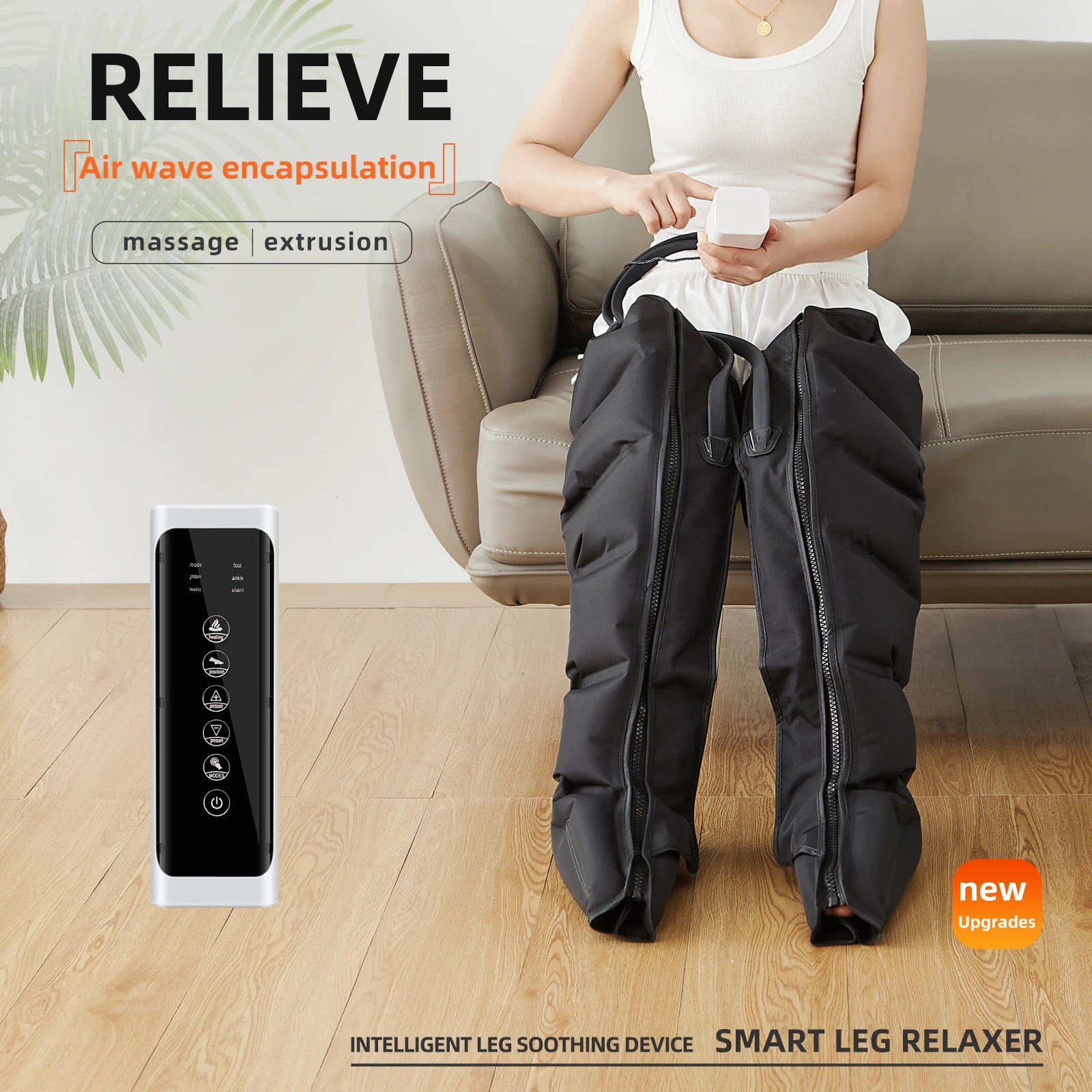
Using an air compression leg massager as part of a leg recovery routine See it in action
Who Can Benefit Most?
Athletes
Athletes who train regularly may use compression devices as part of their recovery routine. Higher-performance users may prefer advanced compression boots, while casual athletes often find home devices sufficient.
Office Workers
People who spend many hours sitting may appreciate compression sessions that provide relaxation after long workdays.
Older Adults
Some older adults use compression devices for comfort and circulation support. However, individuals with medical conditions should consult a healthcare professional before use.
People With Mild Leg Swelling
Those experiencing occasional mild swelling from daily activities may find compression helpful. Persistent or unexplained swelling should always be evaluated medically.
Who Should Not Use Air Compression Leg Massagers?
Although many people use compression therapy devices safely, they are not suitable for everyone.
Medical Contraindications
Avoid using air compression devices without medical guidance if you have:
- Deep vein thrombosis (DVT) or active blood clots
- Severe peripheral artery disease
- Certain heart failure conditions
- Serious circulation disorders
- Active infections or untreated wounds
Potential Risks and Side Effects
Some users may experience discomfort if pressure settings are too high or the device does not fit correctly. Stop use and seek medical advice if you experience unusual pain, significant discomfort, or concerning symptoms.
Air Compression Leg Massager vs Compression Boots vs Compression Sleeves
Choosing between these devices depends on your recovery goals, budget, and how often you plan to use them.
Massage Boots vs Compression Sleeves
Compression sleeves provide passive pressure through elastic fabric. They are lightweight and commonly used during travel or exercise.
Compression massage boots actively inflate and deflate through air chambers, creating dynamic compression cycles.
Home Leg Massagers vs Pneumatic Compression Boots
- Home air compression leg massagers: better for daily comfort, portability, and affordable recovery.
- Pneumatic compression boots for recovery: better for athletes who want stronger compression and full-leg coverage.
When Each Option Makes Sense
| Feature | Air Compression Leg Massager | Compression Boots | Compression Sleeves |
|---|---|---|---|
| Main Purpose | Home recovery and comfort | Advanced athletic recovery | Passive compression support |
| Compression Type | Active air cycles | Advanced pneumatic cycles | Constant pressure |
| Portability | High | Lower | Very high |
| Best For | Daily users | Athletes and intensive training | Travel and exercise support |
How Often Should You Use an Air Compression Leg Massager?
Most users can incorporate compression sessions into a regular recovery routine. Typical sessions often last around 15–30 minutes depending on comfort, device settings, and personal goals.
- Daily relaxation: short sessions after work or before bedtime may be suitable.
- Exercise recovery: use after demanding workouts as part of a broader recovery plan.
- Travel recovery: sessions may help relieve temporary feelings of heaviness after long periods of sitting.
Avoid excessive pressure or prolonged sessions that cause discomfort. The goal is supportive recovery, not maximum intensity.
How to Choose the Right Leg Compression Machine
Compression Levels
Look for adjustable pressure settings so you can choose a comfortable intensity. More powerful compression is not always better for every user.
Coverage Area
Consider whether you need calf-only coverage or a full leg compression machine that reaches higher areas of the leg.
Programs and Fit
Multiple massage modes, adjustable timers, and a comfortable fit can improve long-term usability.
Portability
If you plan to use the device frequently at home, compact storage and easy controls can make a major difference.
Frequently Asked Questions
Do air compression leg massagers really improve circulation?
Air compression leg massagers may support circulation by applying rhythmic pressure that encourages fluid movement through the legs. Results vary depending on individual health and device use.
Are air compression leg massagers safe to use every day?
Many healthy adults use compression devices regularly. However, people with circulation disorders, blood clots, heart conditions, or other medical concerns should seek professional advice first.
How long should you use a leg compression machine?
Many sessions last about 15 to 30 minutes, but the ideal duration depends on the device instructions and personal comfort.
Who should not use air compression leg massagers?
People with DVT, severe vascular disease, certain heart conditions, infections, or open wounds should avoid compression therapy unless approved by a healthcare professional.
Do compression boots work better than home leg massagers?
Compression boots generally provide stronger compression and broader coverage, making them popular among athletes. Home leg massagers are often more convenient and affordable for everyday users.
Are compression boots worth it for recovery?
Compression boots may be worthwhile for serious athletes or users with demanding recovery needs. For general relaxation and daily leg comfort, a home compression device may provide better value.
Can air compression leg massagers reduce swelling?
They may help reduce mild swelling by supporting fluid movement, but persistent swelling should be evaluated by a healthcare professional.
What's the difference between compression boots and compression stockings?
Compression boots use active air-powered cycles, while compression stockings provide constant passive pressure through elastic material.
Related Guide: Best Air Compression Leg Massager Compared for Faster Recovery













