

Does Air Compression Massage Therapy Really Ease Head Pressure?
Air compression massage therapy uses inflatable air chambers to deliver gentle, rhythmic pressure around the head. This controlled compression may help relax tight muscles, promote a sense of relaxation, and ease stress-related head pressure for some users. While it can be a useful comfort tool, results vary from person to person and it is not intended to diagnose, treat, or replace medical care for headaches or other health conditions.
Air Compression Head Massager: How It Works, Benefits, and What to Look For
Stress, long hours at a computer, and daily tension can leave your head feeling tight and uncomfortable. An air compression head massager offers a hands-free way to encourage relaxation by applying rhythmic pneumatic pressure around key areas of the head. Understanding how this technology works, what benefits it may provide, and which features matter most can help you decide whether it fits your daily wellness routine.
⏱ 6 min read
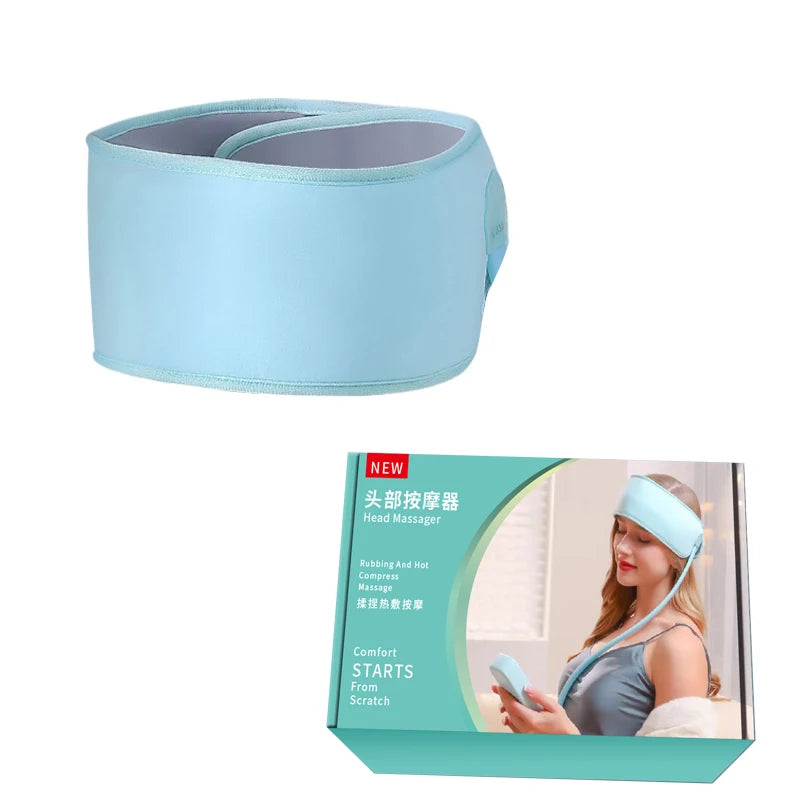
Air compression massage therapy uses targeted pneumatic pressure to encourage calm and everyday comfort. See it in action.
What Is an Air Compression Head Massager?
An air compression head massager is a wearable head pressure relief device that uses inflatable air chambers to deliver controlled, rhythmic pressure around the temples, forehead, and sides of the head. Unlike vibration-only devices, it relies on carefully timed inflation and deflation cycles to create a balanced massage experience instead of continuous mechanical vibration.
Many modern air compression head massagers combine pneumatic compression with adjustable intensity levels, multiple massage programs, and optional heat therapy. Together, these features allow users to personalize each session for comfort while helping reduce everyday tension associated with stress, prolonged screen use, or mental fatigue.
How Air Compression Head Massage Works
Understanding how air compression massage works begins with its pneumatic system. Small internal air chambers inflate and deflate in repeating sequences, applying gentle pressure that mimics the rhythm of manual compression techniques. Rather than producing constant force, the device alternates between compression and release to create a comfortable massage pattern.
- Inflatable air chambers deliver evenly distributed pressure around the head.
- Rhythmic compression and release cycles help promote muscle relaxation.
- Balanced pressure patterns reduce the feeling of localized tightness without harsh vibration.
- Adjustable intensity settings allow users to choose a pressure level that feels comfortable.
Because the pressure is controlled electronically, an air compression head massage can provide a more consistent experience than manual massage. While many users report feeling more relaxed after a session, individual results vary, and the technology is intended to support comfort rather than provide medical treatment.
Air Compression vs Vibration vs Heat
Head massagers use several different technologies, each creating a different sensation. Understanding these differences makes it easier to choose the features that best match your preferences.
- Air Compression: Uses pneumatic air chambers to create rhythmic squeeze-and-release pressure that promotes relaxation and balanced comfort.
- Vibration: Uses rapid mechanical movement to stimulate surface tissues but generally provides less targeted compression.
- Heat Therapy: Applies gentle warmth that may help muscles feel more relaxed, but it does not provide the compression cycles created by inflatable air chambers.
Many premium air compression head massagers combine air compression, vibration, and optional heat into a single device, allowing users to customize their massage experience based on their comfort preferences and daily routine.
Air Compression Head Massager Benefits: What Can It Help With?
Stress and Tension Relief
One of the primary air compression head massager benefits is everyday stress relief. Rhythmic pneumatic pressure can help relax muscles around the temples, forehead, and scalp while encouraging a calming massage experience. Many people use short sessions after work, exercise, or extended concentration to unwind and reduce feelings of tension. For a broader wellness routine, some users also explore products in the Body Care and Health Devices collection.
Headache and Migraine Support
Some users find that gentle air compression massage provides temporary comfort during episodes of tension-related head pressure. Because the massage is evenly distributed rather than forceful, it may feel more comfortable than aggressive vibration for certain individuals.
However, air compression massage should not be viewed as a treatment for migraines or other medical conditions. If headaches are severe, persistent, sudden, or accompanied by other concerning symptoms, professional medical evaluation is recommended.
Screen Fatigue and Eye Strain Relief
Long periods spent using computers, tablets, and smartphones can contribute to muscle tightness around the forehead and temples. An air compression head massager may help promote relaxation after prolonged screen use by gently massaging these areas as part of a regular self-care routine.
Users who experience eye fatigue from digital devices sometimes combine head massage with products from the Eye Care Devices collection for additional comfort during breaks.
Relaxation and Sleep Support
Many people include air compression massage therapy in their evening routine because rhythmic pressure patterns can create a calming environment before bedtime. While individual results differ, using a head massager as part of a consistent wind-down routine may help promote relaxation and make it easier to transition into restful sleep.
Key Features That Make Air Compression Massage Therapy Effective
Precision Compression Zones for Balanced Relief
Well-designed air compression head massagers distribute pressure across multiple compression zones rather than concentrating force in a single location. Even pressure distribution improves comfort while helping create a more natural massage experience.
- Targets common tension-prone areas around the temples and forehead
- Provides balanced pneumatic compression across both sides of the head
- Maintains consistent inflation and release cycles
- Helps reduce localized pressure caused by uneven massage patterns
Custom Intensity Levels for Personal Comfort
Pressure preferences vary from person to person. Adjustable intensity settings allow users to begin with lighter compression and gradually increase the pressure if desired. Devices offering multiple massage programs provide greater flexibility for daily relaxation, recovery after work, or shorter refresh sessions.
Heat + Compression Combination
Optional heat therapy can complement air compression by adding gentle warmth during massage sessions. Heat does not replace pneumatic compression, but many users find that combining the two features creates a more soothing overall experience. Models with adjustable heat settings provide greater flexibility for different comfort preferences.
Quiet Operation for True Relaxation
A quiet motor and low-noise air pump can make a noticeable difference during regular use. Quieter operation is particularly valuable when using a head massager while reading, meditating, taking a work break, or preparing for sleep, allowing the massage experience to remain relaxing without unnecessary distraction.
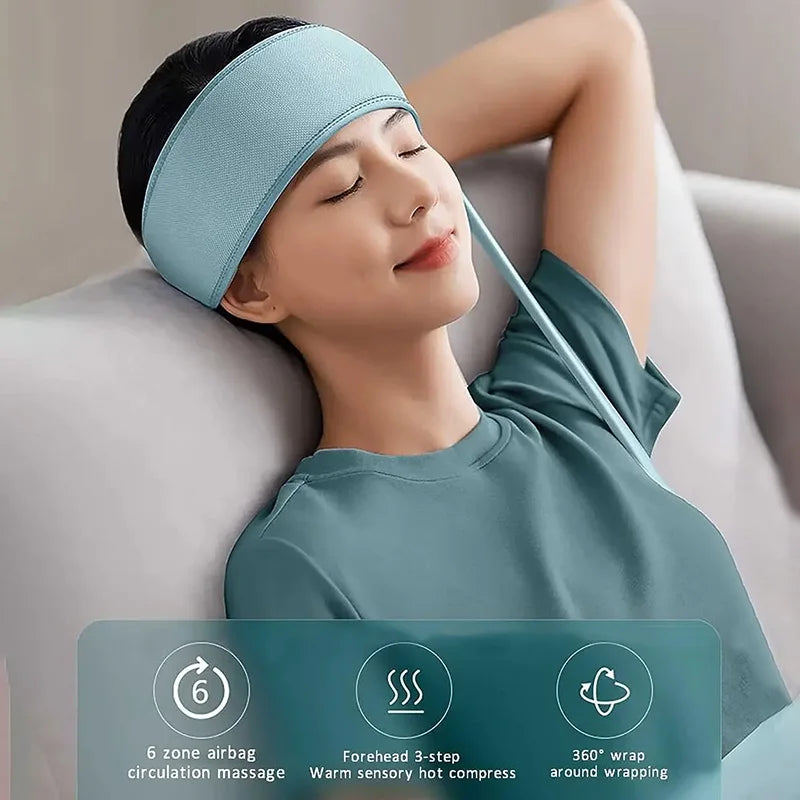
Precision air compression massage uses balanced pneumatic pressure to support relaxation and everyday comfort. See it in action.
Air Compression Massage vs Other Head Relief Methods
Air Compression vs Manual Massage
Manual massage can be effective but depends on technique, pressure, and the availability of another person—or your own hands. An air compression head massager delivers repeatable pressure patterns with consistent timing, allowing users to enjoy a hands-free massage whenever needed. This consistency can make it easier to include relaxation sessions in a regular wellness routine.
Air Compression vs Vibration Massagers
Although both technologies are designed to promote relaxation, they create different sensations. Vibration massagers primarily stimulate surface tissues through rapid movement, while air compression massage uses pneumatic inflation and deflation cycles to apply evenly distributed pressure around the head. Many users who prefer a gentler, more balanced massage choose air compression over vibration alone.
Air Compression vs Heat-Only Devices
Heat therapy provides soothing warmth that may help muscles feel more relaxed, but it does not create the rhythmic squeeze-and-release action produced by pneumatic air chambers. Devices that combine adjustable heat with air compression allow users to enjoy both features together or independently, depending on personal comfort preferences.
Air Compression and Medication for Headaches
Air compression massage therapy is best viewed as a comfort and relaxation tool rather than a replacement for prescribed or over-the-counter medications. Some people choose to use a head massager as part of their overall self-care routine for stress-related tension, but persistent, severe, or recurring headaches should be evaluated by a qualified healthcare professional.
Who Should Consider an Air Compression Head Massager?
Office Workers and Screen Users
People who spend hours working at computers often experience muscle tightness around the forehead, temples, and scalp. Short air compression massage sessions may provide a relaxing break during or after long periods of screen use without requiring assistance from another person.
People Seeking Stress and Tension Relief
If daily responsibilities leave you feeling mentally or physically tense, an air compression head massager can become part of a regular relaxation routine. Adjustable pressure settings allow users to choose a comfortable massage intensity for morning refresh sessions or evening recovery.
Users Looking for Relaxation and Sleep Support
Individuals who enjoy calming bedtime rituals may appreciate the gentle, rhythmic pressure of air compression massage before sleep. Used alongside other healthy sleep habits, a brief session can help create a more relaxing environment at the end of the day.
People Comparing Headache Relief Options
Those exploring non-invasive ways to manage occasional tension-related head discomfort may consider an air compression head massager as one option. Because experiences vary, it is important to maintain realistic expectations and seek medical advice if headaches become frequent, severe, or interfere with daily activities.
How to Use an Air Compression Head Massager Safely
- Adjust the head massager so it fits securely without feeling tight or uncomfortable.
- Begin with the lowest compression setting, especially if you are using the device for the first time.
- If your model includes heat, enable it only if it feels comfortable and discontinue use if excessive warmth develops.
- Relax for approximately 10–15 minutes, or follow the session length recommended by the manufacturer.
- Increase the compression level gradually only if the massage remains comfortable.
- Stop using the device immediately if you experience pain, dizziness, skin irritation, or unusual symptoms.
Short, consistent sessions are generally more comfortable than extended massage sessions. Always follow the manufacturer's instructions for fit, cleaning, charging, and maintenance. If you have recently experienced a head injury, undergone surgery, or have a medical condition that could affect safe use, consult a healthcare professional before using an air compression head massager.
Air Compression Head Massager Buying Guide
Choose the Right Pressure and Compression Modes
Look for a head massager that offers multiple compression programs and adjustable pressure levels. A wider range of settings allows you to tailor the massage to different situations, whether you prefer a gentle relaxation session or firmer rhythmic compression after a demanding day.
Decide Whether You Need Heat
Integrated heat can enhance comfort for many users, but it is not essential for everyone. If you are sensitive to warmth or simply prefer pneumatic compression alone, choosing a model with optional or adjustable heat provides greater flexibility.
Check Fit, Comfort, and Head Size Range
A well-fitting device distributes pressure evenly without creating uncomfortable pressure points. Adjustable headbands, soft interior padding, lightweight construction, and compatibility with a wide range of head sizes all contribute to a better long-term user experience.
Compare Battery Life, Noise, and Controls
Battery runtime determines how often the device needs charging, particularly if you travel frequently. Quiet motors, intuitive control buttons, USB charging, and clear status indicators also improve everyday convenience.
Review Warranty and Return Policies
Beyond technical specifications, review the manufacturer's warranty coverage, return period, and customer support. A dependable warranty and straightforward return policy provide added confidence when investing in an air compression head massager for regular use.
Pros and Cons: What Real-World Use Is Like
Everyday use often depends on the quality of the device, its fit, and how consistently it is used. Air compression head massagers are designed to support relaxation rather than provide medical treatment, so individual experiences can vary.
Pros
- Hands-free operation with consistent pneumatic compression.
- Adjustable pressure settings for different comfort preferences.
- Many models combine air compression with optional heat and multiple massage modes.
- Portable, rechargeable designs make it easy to use at home, in the office, or while traveling.
- Quiet operation on many premium models supports relaxation without significant distraction.
Potential Limitations
- Compression intensity may feel too strong or too light depending on individual sensitivity.
- Fit can vary between head sizes and designs.
- Rechargeable batteries require periodic charging for regular use.
- Optional heat may not appeal to users who prefer massage without warmth.
- Results differ from person to person and should not be expected to replace professional medical care for headaches or neurological conditions.
Reading educational resources in the Body & Face Blog can help you better understand relaxation techniques, device features, and healthy self-care habits before choosing a head massager.
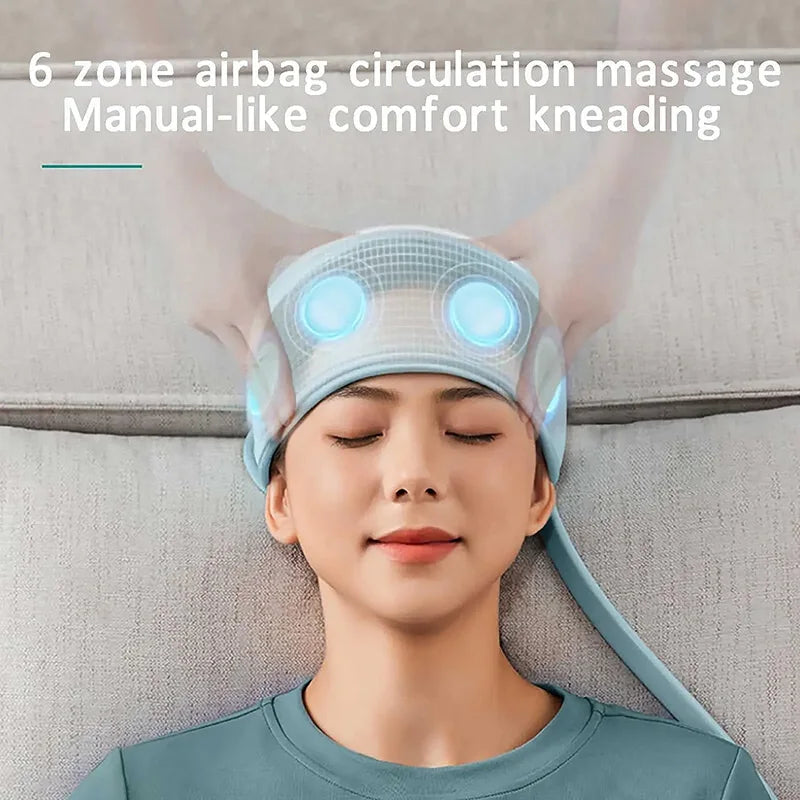
Air compression technology provides a consistent, hands-free massage experience for everyday relaxation. See it in action.
Frequently Asked Questions
Can air compression head massagers be used every day?
Most air compression head massagers are suitable for daily use when used according to the manufacturer's instructions. Many people find that regular, shorter sessions are more comfortable than infrequent extended sessions.
Can air compression massage help with headaches or migraines?
Air compression massage may help some people feel more comfortable during episodes of tension-related head pressure by encouraging relaxation. However, it is not a treatment for migraines or other medical conditions, and persistent or severe headaches should be evaluated by a healthcare professional.
How long should an air compression head massage session last?
Most manufacturers recommend sessions of approximately 10 to 20 minutes, although the ideal duration depends on the specific device and your comfort level.
Is heat necessary in an air compression head massager?
No. Heat is an optional feature that some users enjoy because it adds gentle warmth, but effective air compression massage can also be achieved without heat.
Are air compression head massagers safe for everyone?
Most healthy adults can use these devices safely when following the manufacturer's instructions. Individuals with recent head injuries, certain neurological conditions, recent surgery, or other medical concerns should consult a healthcare professional before use.
How loud are air compression head massagers?
Most modern devices are designed to operate quietly. Noise levels vary by model, but premium units typically produce only a soft motor and air pump sound suitable for relaxation.
How long does the battery typically last?
Battery life varies by model, massage intensity, and heat usage. Many rechargeable air compression head massagers provide enough runtime for several massage sessions before requiring another charge.
What is the difference between air compression and vibration massage?
Air compression massage uses inflatable air chambers to create rhythmic squeeze-and-release pressure around the head. Vibration massage relies on rapid mechanical movement that primarily stimulates surface tissues. Many premium devices combine both technologies, allowing users to choose the massage style they prefer.













