

Aluminum Alloy Foot Grinder Durability: Why Metal Matters
⏱ 7 min read
Choosing an electric foot grinder isn't just about motor power or grinding heads. Long-term performance depends heavily on build quality, and the aluminum alloy body is often what separates a durable tool from one that wears out quickly. Compared with plastic housings, aluminum alloy offers greater structural strength, improved stability during use, and better resistance to everyday wear, helping maintain consistent callus removal over time.
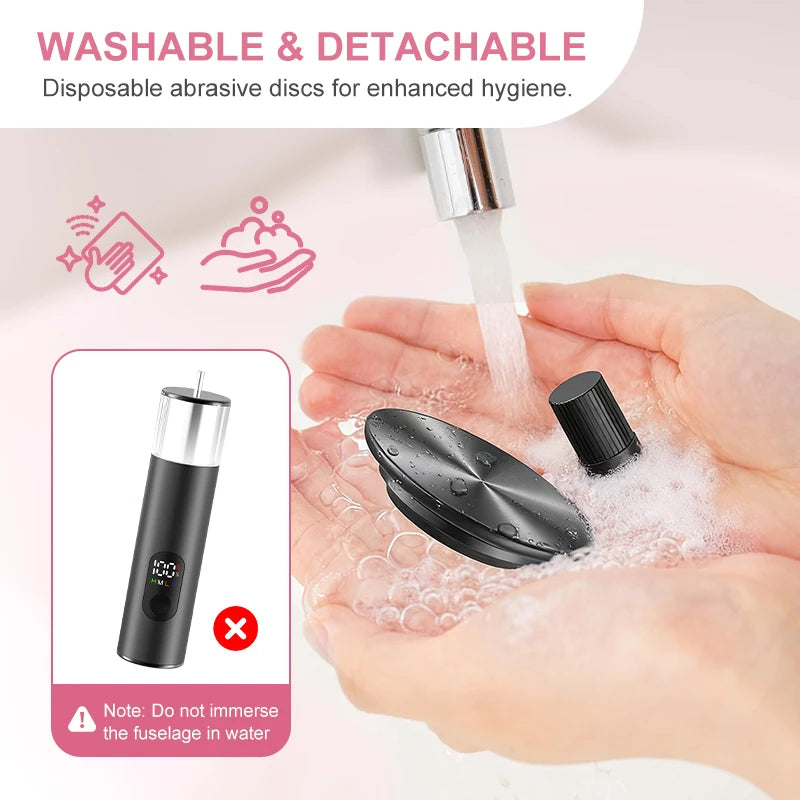
Durable aluminum alloy body keeps power steady — See it in action
Does an Aluminum Alloy Foot Grinder Really Last Longer?
In most cases, yes. An aluminum alloy foot grinder is designed to withstand repeated use while maintaining stable grinding performance. Unlike many plastic-bodied devices that can develop cracks, loosen over time, or transmit more vibration, a metal housing helps protect the internal motor and supports more consistent torque throughout the product's lifespan.
While actual longevity depends on maintenance, frequency of use, and overall product quality, aluminum alloy is widely valued because it combines lightweight construction with excellent mechanical strength. This makes it well suited for home users who regularly remove dry skin and stubborn calluses.
Common indicators of a durable aluminum alloy foot grinder include:
- High resistance to scratches, dents, and everyday handling
- Stable motor support that helps maintain consistent grinding power
- Corrosion-resistant finishes such as anodized or protective coatings
- Reduced housing flex compared with many plastic alternatives
- Improved long-term reliability when cleaned and stored properly
Top 3 Advantages of Aluminum Alloy Body Foot Grinders
1. Exceptional Material Strength
Aluminum alloy offers an excellent balance of strength and low weight. Its rigid construction helps protect internal components from everyday impacts while allowing the grinder to handle firm calluses without excessive flexing or structural fatigue.
2. Better Resistance to Daily Wear
Frequent use exposes foot grinders to friction, moisture, accidental drops, and repeated cleaning. Aluminum alloy is naturally more resistant to surface wear than many standard plastics, helping preserve both appearance and performance over the long term.
3. More Consistent Grinding Performance
A rigid metal housing minimizes unnecessary vibration and supports steadier pressure during use. This can contribute to smoother callus removal, improved user control, and more even results across rough areas of the feet, especially during regular maintenance sessions.
How This Electric Foot Grinder Delivers Real Results
Material quality directly affects how consistently an electric foot grinder performs over months of regular use. During repeated use on dry, thickened skin, a rigid aluminum alloy housing helps stabilize the motor, reducing unnecessary vibration and allowing the grinding head to maintain more even contact with the skin. The result is smoother callus removal with less effort than many lightweight plastic designs.
Performance also depends on proper technique. Most users achieve noticeable improvement by treating each foot for 5–10 minutes, one to three times per week, while avoiding excessive pressure that can irritate healthy skin.
- Multiple speed settings help match grinding intensity to different levels of callus buildup.
- A sturdy aluminum alloy body supports stable torque throughout each session.
- Reduced vibration improves control and helps create more even results.
- Durable construction helps maintain performance despite frequent use.
For shoppers exploring Body Care and Health Devices , overall build quality is often the feature that determines whether a foot grinder continues delivering reliable performance after months of regular maintenance.
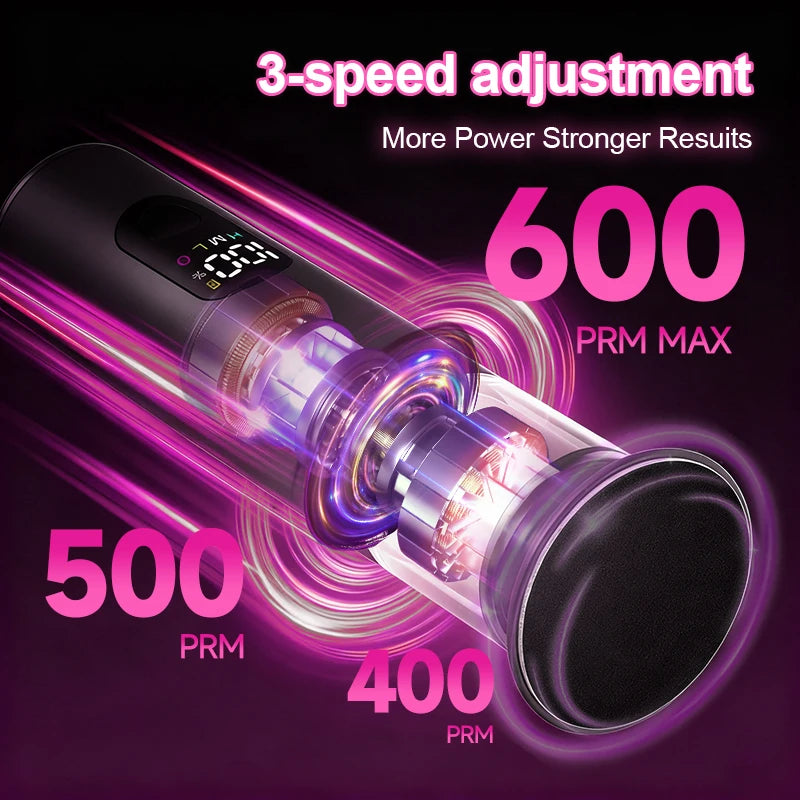
Even pressure, steady torque — aluminum alloy body performance
Aluminum Alloy vs Plastic Foot Tools: A Detailed Comparison
| Feature | Aluminum Alloy Body | Plastic Body |
|---|---|---|
| Overall Durability | Excellent resistance to dents, cracks, and everyday wear | More susceptible to cracking, flexing, and cosmetic damage |
| Grinding Stability | Stable housing helps minimize vibration and maintain consistent pressure | May flex more under load, reducing consistency |
| Expected Service Life | Typically 3–5 years with proper maintenance | Commonly 1–2 years depending on build quality and usage |
| Heat Dissipation | Metal construction generally transfers heat more efficiently | Plastic retains more heat around internal components |
| Maintenance | Easy to wipe clean and resistant to corrosion when properly cared for | Requires careful cleaning to minimize surface wear |
Although both materials can be suitable for occasional home pedicures, users who regularly manage thick calluses often choose aluminum alloy because it offers better structural stability, longer service life, and more consistent grinding performance over time.
Understanding Foot Grinder Build Quality and Lifespan
How Durable Is Aluminum Alloy?
Aluminum alloy is widely used in premium personal care devices because it combines high strength with relatively low weight. Unlike many plastics that may become brittle after repeated stress, aluminum alloy maintains its structural integrity under normal household use. Protective finishes such as anodizing also improve resistance to scratches, corrosion, and moisture exposure commonly encountered during foot care routines.
Beyond appearance, a rigid housing helps keep internal components properly aligned. This stability can reduce unnecessary vibration, support smoother motor operation, and contribute to more consistent grinding performance throughout the life of the device.
Metal Body Foot Grinder Lifespan vs Plastic Models
While actual lifespan varies by manufacturing quality, maintenance, and frequency of use, a well-built aluminum alloy foot grinder generally outlasts comparable plastic models. Many quality metal-bodied devices remain reliable for three to five years with regular home use, whereas lower-cost plastic alternatives often show signs of wear sooner.
To maximize service life:
- Clean grinding heads after every treatment.
- Keep the device dry before storage.
- Replace worn grinding rollers as recommended by the manufacturer.
- Avoid dropping the grinder or applying excessive pressure during use.
How to Use an Electric Foot Grinder Safely at Home
Proper technique improves both safety and results. Rather than pressing the grinder firmly against the skin, allow the rotating head to gradually remove layers of hardened skin over multiple short sessions.
- Wash or briefly soak your feet to soften thick, dry skin.
- Dry your feet thoroughly before using the grinder unless the device is specifically designed for wet use.
- Select the appropriate speed for the thickness of the callus.
- Move the grinder slowly using gentle, continuous motions without lingering in one area.
- Stop once the rough skin has been reduced—avoid grinding healthy skin.
- Apply a moisturizer after treatment to help maintain smooth heels.
A durable aluminum alloy housing helps maintain steady motor output throughout each session, so excessive pressure is unnecessary. Gentle technique not only improves comfort but also reduces the risk of over-filing and skin irritation.
Who Benefits Most From a Durable Heel Grinder?
A metal-bodied electric foot grinder is especially beneficial for people who perform routine foot maintenance and want reliable performance over the long term. The added durability and stability of an aluminum alloy housing make it well suited for repeated use without the premature wear often associated with lower-quality plastic devices.
- Regular home users who maintain dry heels or calluses every few weeks.
- People with thick or stubborn calluses who need consistent grinding performance.
- Salon and spa professionals looking for equipment designed to withstand frequent operation.
- Users seeking long-term value by investing in a device that may require fewer replacements over time.
Those browsing Nail Care Devices often pair a durable electric foot grinder with other at-home pedicure essentials to create a complete foot care routine.
Maintenance Tips That Extend Tool Life
Even a high-quality aluminum alloy foot grinder performs best when it is cleaned and stored correctly. Simple maintenance habits help preserve both appearance and grinding performance while extending the lifespan of replaceable components.
- Wipe the aluminum alloy housing clean after every use to remove dust and skin debris.
- Clean or replace grinding heads according to the manufacturer's recommendations.
- Avoid pressing excessively during use, allowing the motor and grinding head to do the work.
- Store the grinder in a cool, dry location away from prolonged moisture.
- Inspect the housing, grinding head attachment, and fasteners periodically for signs of wear.
- Recharge the battery according to the manufacturer's instructions if using a cordless model.
Routine care not only helps preserve the finish of the aluminum alloy body but also supports smoother operation, more consistent results, and dependable performance for years of regular home use.
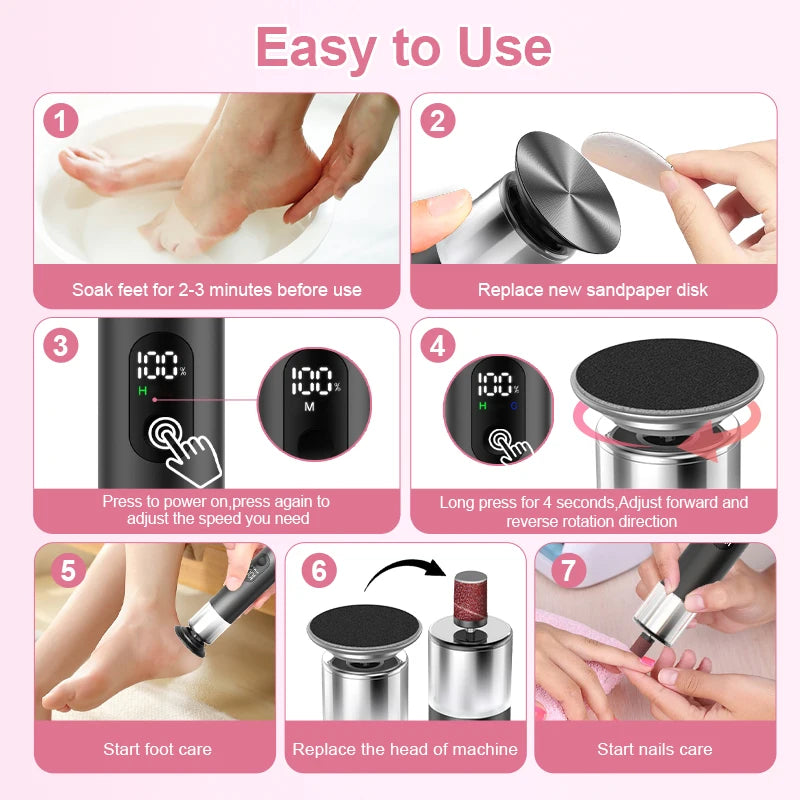
Built to last, designed for confidence — See it in action
Quick Answers About Aluminum Alloy Foot Tools
Why Does Aluminum Alloy Body Durability Matter?
An aluminum alloy housing provides greater structural stability than many plastic alternatives. This helps reduce vibration, supports smoother motor performance, improves user control during callus removal, and contributes to a longer overall service life when the device is properly maintained.
Is an Electric Foot Grinder Safe for Regular Use?
Yes. Most electric foot grinders are safe for routine home use when operated according to the manufacturer's instructions. Use gentle pressure, avoid grinding healthy skin, and stop if irritation develops. Regular maintenance of the grinding head also helps ensure safe, effective performance.
How Long Does an Aluminum Alloy Foot Grinder Last?
A well-built aluminum alloy foot grinder commonly lasts between three and five years with normal home use and proper care. Actual lifespan depends on build quality, usage frequency, cleaning habits, battery care for cordless models, and timely replacement of worn grinding rollers.
Does an Aluminum Alloy Body Require Special Maintenance?
Not usually. Wiping the housing after each use, keeping the device dry during storage, and using compatible replacement grinding heads are typically sufficient to maintain both appearance and performance.
Is an Aluminum Alloy Foot Grinder Worth Choosing Over Plastic?
For users who perform regular foot care, an aluminum alloy body often offers better long-term value through improved durability, more consistent grinding performance, and greater resistance to everyday wear compared with many plastic-bodied models.
Shop the KentDO Electric Foot Grinder













