

How to Heal Your Ankle: A Step-by-Step Recovery Guide
If you want to know how to heal an ankle injury fast, the safest approach is not to rush through recovery. The ankle healing process typically moves from protecting the injured area and controlling symptoms to restoring mobility, rebuilding strength, improving balance, and gradually returning to normal activity. The right plan depends on the type and severity of the injury, your symptoms, and how your ankle responds to progressive movement.
⏱ 10 min read
A gradual recovery plan can help you move from protection to confident everyday activity.
How to Heal Your Ankle: A Step-by-Step Recovery Guide
To heal an ankle effectively, think in stages rather than looking for one instant solution. Early protection helps prevent the injury from worsening, while progressive movement and strengthening help restore the function that supports long-term recovery.
What Determines How Fast an Ankle Injury Heals
Ankle recovery time depends on several factors, including whether the injury is a mild sprain, a more significant ligament injury, a fracture, or another type of damage. The amount of swelling, your ability to bear weight, previous ankle injuries, overall activity level, and how consistently you follow a gradual rehabilitation plan can all influence recovery.
Trying to return to running, jumping, or demanding exercise before your ankle has regained adequate strength and stability can prolong symptoms or increase the risk of reinjury. In contrast, complete inactivity for too long may contribute to stiffness and weakness. The goal is usually a gradual progression from protection to controlled movement and then functional activity.
Ankle Healing Process: What Happens After Injury
After an ankle injury, the body begins repairing damaged tissues while the joint may become swollen, painful, and temporarily less stable. During the early stage, protecting the ankle and managing symptoms are priorities. As pain and swelling improve, gentle movement can help restore range of motion.
Later stages of the ankle healing process focus on rebuilding strength, balance, coordination, and confidence. These abilities matter because an ankle may feel better before it has fully regained the control needed for uneven ground, quick changes of direction, running, or sports.
When a Sprain May Be More Serious Than It Seems
A painful ankle is not always a simple sprain. Severe swelling, significant bruising, an inability to take several steps, marked instability, or pain directly over certain bones may require professional assessment. A fracture or more substantial ligament injury may need different treatment than a mild sprain.
If you are unsure whether home care is appropriate, getting medical advice is safer than trying to push through worsening symptoms.
Understanding Ankle Injuries: Types and Severity
Not all ankle injuries are the same. Understanding the likely severity helps set realistic expectations for ankle injury recovery time and determines whether self-care, structured rehabilitation, or professional treatment may be appropriate.
Grade 1 Sprain: Mild
A Grade 1 sprain generally involves stretching and minor damage to a ligament. Swelling and tenderness may be limited, and walking is often possible, although certain movements can be uncomfortable. A gradual return to normal activity is usually more appropriate than immediately resuming high-impact exercise.
Grade 2 Sprain: Moderate
A Grade 2 sprain involves more substantial ligament damage and may cause noticeable swelling, bruising, pain, and difficulty bearing weight. Controlled rehabilitation is important because the ankle may temporarily lose strength and stability.
Grade 3 Sprain: Severe
A Grade 3 sprain involves a complete ligament tear or severe disruption. Significant swelling, bruising, instability, and difficulty walking may occur. Medical evaluation is important to determine the extent of the injury and the best treatment for an ankle sprain of this severity.
When an Ankle Injury May Involve a Fracture or Other Damage
Severe pain, obvious deformity, an inability to bear weight, or significant tenderness over the bones can indicate that the injury may be more than a sprain. A medical professional may recommend imaging when a fracture or other serious damage is suspected.
Because the symptoms of different ankle injuries can overlap, do not rely only on swelling or bruising to judge severity. When symptoms are severe or your ankle is not improving as expected, seek professional advice.
What to Do in the First 72 Hours After an Ankle Injury
The first few days are focused on protecting the ankle, limiting aggravating activity, and managing pain and swelling. The best approach depends on the severity of the injury, but a painful ankle generally should not be repeatedly tested with activities that increase symptoms.
Protect and Reduce Pain Without Complete Immobilization
Reduce activities that cause significant pain and protect the ankle from unnecessary twisting or impact. Depending on the injury, a brace, supportive footwear, or temporary assistance with walking may be useful. Complete immobilization is not automatically necessary for every sprain, so the level of support should match the injury and professional guidance when needed.
Gentle, pain-limited movement may be appropriate for some mild injuries, but do not force the ankle through sharp pain or repeatedly test movements that increase swelling.
Cold Therapy, Compression, and Elevation for Swelling
To help reduce ankle swelling after injury, consider cold therapy, comfortable compression, and elevation. Elevating the ankle above the level of the heart when resting may help manage swelling. Compression can also provide support, but it should not feel excessively tight or cause numbness, tingling, color changes, or worsening discomfort.
Cold therapy can temporarily help reduce pain and discomfort. Use a protective layer between a cold source and your skin, and avoid prolonged exposure.
When to Avoid Heat in the Early Injury Stage
Heat may feel soothing, but it is generally best to avoid using heat as a primary treatment when the ankle is acutely swollen or the injury has just occurred. Warmth can make some people feel more comfortable later in recovery, particularly when stiffness is the main issue, but it should not replace evaluation or appropriate early injury care.
Safe Pain Relief Options
Over-the-counter pain relief may help some people manage discomfort. Non-steroidal anti-inflammatory drugs (NSAIDs) and other medications are not suitable for everyone, so follow the product directions and ask a healthcare professional or pharmacist if you are unsure about interactions, contraindications, or which option is appropriate for you.
Ankle Recovery by Phase: From Protection to Full Function
A progressive rehabilitation framework helps you match activity to your current recovery stage. You do not need to move through each phase on a fixed calendar. Progress when symptoms are settling and your ankle can tolerate the next level of activity without a significant flare-up.
Phase 1: Protect and Control Symptoms
During the early phase, focus on protecting the ankle, reducing activities that worsen pain, and managing swelling. Short, comfortable movements may be appropriate if tolerated, but the priority is avoiding unnecessary aggravation.
If walking is difficult or symptoms are severe, professional assessment may be needed to determine whether additional support or imaging is appropriate.
Phase 2: Restore Range of Motion
As pain and swelling begin to settle, gradually work on ankle mobility. Gentle movements can help address stiffness and restore the ability to point, flex, and move the ankle in a controlled way.
The aim is steady improvement rather than forcing a maximum stretch. If a movement causes sharp pain or produces a substantial increase in swelling afterward, reduce the intensity or seek guidance.
Phase 3: Rebuild Strength and Stability
Once basic movement is becoming easier, progress to ankle strengthening exercises. Calf raises, controlled resistance exercises, and other appropriately scaled movements can help rebuild the muscles that support the ankle.
Balance training is also important because ankle injuries can affect proprioception, or your body's awareness of joint position. Better balance and control can support more confident movement.
Phase 4: Return to Normal Activity or Sport
The final phase involves gradually reintroducing more demanding activities. Walking should become comfortable before progressing to higher-impact exercise. Running, jumping, cutting, and sports-specific drills should be introduced progressively rather than all at once.
Returning to activity based only on reduced pain can be misleading. Strength, mobility, balance, and movement control should also be improving.
Ankle Exercises for Mobility, Strength, and Balance
Ankle exercises for recovery should progress from gentle mobility to strengthening and then balance and functional control. The right starting point depends on the injury, but exercises should generally be performed within a comfortable range and progressed gradually.
Gentle Range-of-Motion Exercises
Gentle ankle circles, controlled pointing and flexing of the foot, and alphabet-style movements can help restore mobility when tolerated. These exercises are often useful for reducing stiffness after periods of reduced movement.
Move slowly and avoid forcing the ankle into a painful end range. The goal is to gradually improve comfortable movement, not to create additional irritation.
Calf and Ankle Strengthening Exercises
As weight-bearing becomes more comfortable, strengthening may include controlled calf raises and resistance-band movements such as dorsiflexion and plantarflexion. Depending on your recovery, exercises that work the muscles responsible for moving the foot inward and outward may also be added.
Start with a level of resistance and repetitions that you can perform with good control. Progress gradually rather than increasing resistance sharply.
Balance and Proprioception Training
Balance exercises can help restore the control needed to react to uneven surfaces and everyday movement. A supported single-leg stand may be an appropriate starting point for some people, followed by more challenging balance tasks as control improves.
Use a stable surface and hold onto appropriate support when necessary. Do not begin challenging balance exercises if you cannot safely control your body weight.
Exercises for Post-Injury Ankle Stiffness
Post-injury ankle stiffness treatment may include regular gentle mobility work, gradual strengthening, and controlled calf stretching when appropriate. If the ankle has been immobilized, stiffness may be more noticeable and may require a slower progression.
Consistent, comfortable movement is generally more useful than occasional aggressive stretching. Persistent stiffness that limits normal walking or function should be evaluated.
How to Progress Exercises Safely
Increase exercise difficulty one variable at a time. You might first increase repetitions, then resistance, duration, balance demands, or activity intensity. Avoid making several major increases at once.
A small amount of temporary discomfort may occur during rehabilitation, but sharp pain, increasing swelling, worsening instability, or a significant decline in function are signs to reduce the load and reassess your plan.

Progressive mobility, strength, and balance work can support recovery as the ankle becomes more capable.
How Long Does It Take to Heal an Ankle Injury?
How long it takes to heal an ankle injury depends on the injury's severity and how your symptoms progress. Recovery timelines are estimates rather than guarantees. A person may be able to walk comfortably before the ankle has fully recovered its strength and stability.
Mild Sprain Recovery Timeline
A mild sprain may improve substantially within 1–2 weeks, although some people need longer before returning to demanding exercise. Gradual mobility and strengthening can help restore function as symptoms settle.
Moderate Sprain Recovery Timeline
A moderate sprain may take approximately 3–6 weeks or longer to recover, depending on the extent of ligament damage and functional progress. Swelling, weakness, stiffness, or instability may continue after pain has begun to improve.
Severe Sprain or Fracture Recovery Timeline
A severe sprain may require 6–12 weeks or longer, while fractures and more complex injuries can require a substantially longer recovery period. The appropriate timeline depends on the specific injury, treatment, and professional assessment.
Signs Your Recovery Is Progressing Normally
Positive signs include gradually decreasing swelling, improved walking tolerance, increasing range of motion, better strength, and improved balance. Recovery does not always progress in a perfectly straight line, but a general trend toward improved function is encouraging.
If symptoms are worsening, your ankle remains significantly unstable, or progress has stalled, professional evaluation may help identify the reason.
How to Know When Your Ankle Is Ready for Normal Activity
Knowing when to return to normal activity is about more than waiting a certain number of days. Functional benchmarks can help you judge whether your ankle is ready for increasing demands.
Walking Without Significant Pain or Limping
You should be able to walk comfortably without a significant limp before progressing to more demanding activities. A persistent limp can indicate that the ankle is not yet tolerating normal loading well.
Restored Range of Motion and Strength
Your injured ankle should be moving and functioning more similarly to the other side, although exact symmetry may vary. Strength should be sufficient for the activities you plan to resume.
Balance and Single-Leg Control
You should be able to perform appropriate balance tasks with control before returning to activities that require rapid changes in direction or uneven surfaces. Poor single-leg control may indicate that more rehabilitation is needed.
Return-to-Sport and Higher-Impact Activity Criteria
For running, jumping, or sports, gradually test progressively more demanding movements. You should be able to perform the basic movements required by your activity without significant pain, swelling, instability, or loss of control.
If your sport involves frequent cutting, landing, or contact, a physiotherapist or other qualified professional can help assess readiness and design a safer progression.
When to See a Doctor for an Ankle Injury
Many mild ankle injuries can improve with appropriate home care and progressive rehabilitation. However, some symptoms require medical evaluation rather than continued self-treatment.
Red Flags That May Indicate a Fracture or Serious Injury
- Inability to bear weight or take several steps
- Severe or rapidly worsening pain
- Significant swelling or bruising
- Visible deformity
- Marked instability or a feeling that the ankle cannot support you
- Numbness, unusual color changes, or other concerning symptoms
When Persistent Swelling or Pain Needs Evaluation
If pain, swelling, stiffness, or difficulty walking is not gradually improving, arrange an evaluation. Persistent symptoms may indicate that the original injury was more significant than expected or that your rehabilitation plan needs adjustment.
When Imaging or Physiotherapy May Be Needed
Imaging may be recommended when a fracture or significant structural injury is suspected. Physiotherapy can be useful when mobility, strength, balance, or function remain limited after the initial injury, especially when you are struggling to progress with ankle rehab exercises at home.
When Recurrent Sprains Require Further Assessment
Repeated ankle sprains or ongoing feelings of instability deserve attention. Recurrent injuries may be associated with incomplete rehabilitation, reduced balance or strength, persistent ligament instability, or other factors that should be assessed.
How to Prevent Another Ankle Injury
Finishing the initial recovery is only part of long-term ankle health. Continuing to build strength, mobility, and balance can help prepare the ankle for everyday and higher-demand activities.
Continue Strength and Balance Training
Maintain ankle strengthening exercises and balance work after symptoms have improved. These exercises can help preserve the support and control developed during rehabilitation.
Improve Ankle Mobility and Flexibility
Regular mobility work can help you maintain comfortable ankle movement. If stiffness continues to limit your activities, address it rather than repeatedly compensating with other parts of the body.
Use Appropriate Support During Higher-Risk Activities
Supportive footwear or an appropriate brace may be useful during activities that place greater demands on the ankle, particularly if you have a history of sprains. Support should complement strength and rehabilitation rather than replace them.
Return to Activity Gradually
Increase training volume and intensity progressively. Avoid making a sudden jump from low activity to intense running, jumping, or sport-specific work after an injury.
Frequently Asked Questions About Healing an Ankle Injury
How long does it take to heal an ankle injury?
A mild ankle sprain may improve within 1–2 weeks, a moderate sprain may take around 3–6 weeks, and a severe sprain may take 6–12 weeks or longer. Fractures and complex injuries can take longer. Your ankle injury recovery time depends on the specific injury and how function progresses.
How can I reduce ankle swelling after an injury?
Protect the ankle from aggravating activity, use comfortable compression if appropriate, elevate the ankle when resting, and consider cold therapy for short-term comfort. If swelling is severe, worsening, or accompanied by an inability to bear weight, seek medical evaluation.
When should I start ankle exercises for recovery?
Gentle range-of-motion exercises may often begin when they can be performed comfortably and safely, but the timing depends on the injury. More demanding strengthening and balance exercises should be introduced progressively as pain, swelling, and weight-bearing ability improve.
How do I regain ankle mobility after a sprain?
Start with gentle, controlled range-of-motion exercises and gradually progress to strengthening and functional movement. Avoid forcing painful stretches. If mobility remains significantly limited, a physiotherapist can help identify the cause and guide progression.
Is heat or ice better for an injured ankle?
Cold therapy is commonly used for short-term comfort during the early phase when swelling and pain are prominent. Heat may be more comfortable later when stiffness is the main concern and significant acute swelling has settled. Neither should replace appropriate assessment or rehabilitation.
Can I walk on a sprained ankle?
It depends on the severity of the sprain and your symptoms. Some mild sprains allow comfortable walking, while more serious injuries may require additional support or reduced weight-bearing. Do not force walking through severe pain or significant instability.
When should I see a doctor for an ankle injury?
Seek medical evaluation for severe pain, significant swelling, visible deformity, inability to bear weight, worsening symptoms, persistent instability, or symptoms that are not improving as expected. Recurrent ankle sprains may also require further assessment.
Are home ankle rehab exercises enough?
Home ankle rehab exercises may be enough for some mild injuries when symptoms steadily improve. Moderate or severe injuries, persistent pain, significant weakness, ongoing instability, or difficulty progressing may require professional guidance.
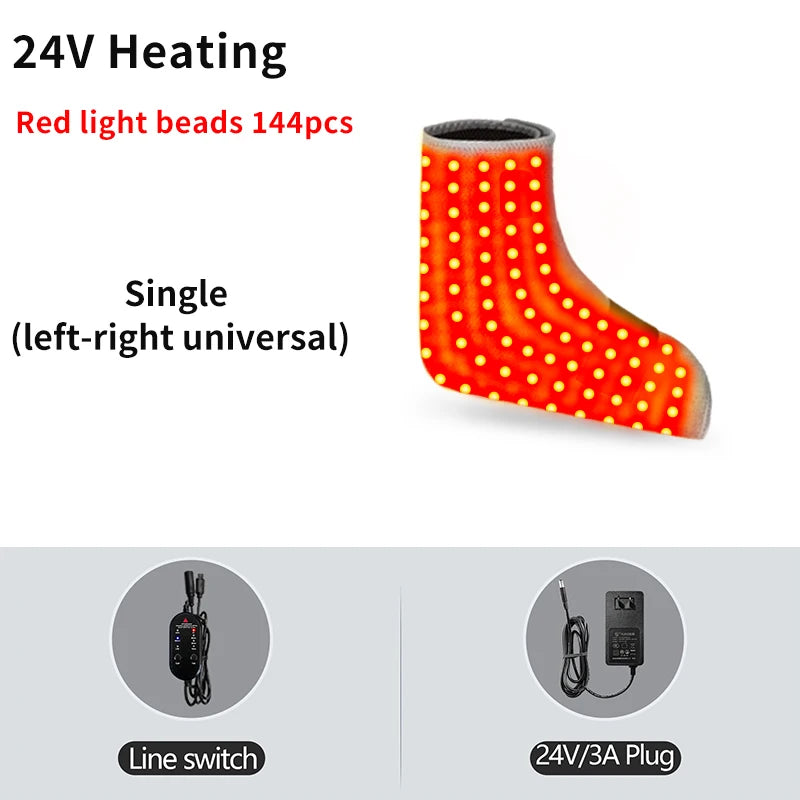
Once the acute phase has passed and warmth feels comfortable for your symptoms, some people choose the heated ankle wrap as part of a daily comfort routine. It should complement, not replace, appropriate injury assessment and progressive rehabilitation.

A consistent, gradual approach can help build confidence as your ankle returns to normal activity.













