

Understanding the Ankle Sprain Healing Time Frame
An ankle sprain healing time frame depends on the severity of the ligament injury, the quality of rehabilitation, and individual health factors. While many mild sprains improve within a few weeks, more serious injuries can require several months of structured recovery. Understanding the expected milestones helps you set realistic expectations and reduce the risk of reinjury.
Mild Ankle Sprain Healing Time (Grade I: 1–3 Weeks)
Grade I sprains involve microscopic stretching of the ligaments without significant tearing. Most people can resume normal daily activities within 1 to 3 weeks with early protection, compression, gentle range-of-motion exercises, and progressive weight-bearing as tolerated.
Grade II sprains include partial ligament tears, causing noticeable swelling, bruising, and joint instability. Recovery commonly takes 3 to 6 weeks, although athletes or physically demanding workers may require additional rehabilitation before returning to full activity.
Severe Ankle Sprain Healing Time (Grade III: 2–6 Months)
Grade III sprains involve complete ligament rupture. Healing often requires 2 to 6 months of rehabilitation, temporary bracing or immobilization, and supervised strengthening to restore stability. In selected cases with associated injuries, surgical evaluation may be recommended.
Ankle Sprain Recovery Timeline Comparison Table
| Sprain Grade | Typical Healing Time | Main Symptoms | Recovery Goal |
|---|---|---|---|
| Grade I | 1–3 weeks | Mild pain, slight swelling | Restore normal walking |
| Grade II | 3–6 weeks | Moderate swelling, bruising, instability | Regain strength and balance |
| Grade III | 2–6 months | Severe pain, major instability | Return to sports safely |
Ankle Sprain Healing Time Frame: Complete Recovery Guide
⏱ 6 min read
An ankle sprain healing time frame can feel confusing and frustrating—especially when pain lingers longer than expected. You rest, ice, elevate… yet walking still feels unstable. The real question most people ask is simple: are you using the right support to actually heal, not just cope? This in-depth guide explores medically informed recovery timelines, the role of ankle support wraps, and strategies to safely return to daily activities.

Ankle sprain healing support in real use — See it in action
Why Ankle Sprains Sometimes Take Longer to Heal
Even a seemingly minor sprain may require longer than expected to recover because ligaments heal more slowly than muscles. Recovery also depends on how consistently you follow rehabilitation and whether the ankle regains normal strength, flexibility, and balance.
- Age and tissue health: Older adults and people with reduced circulation may heal more slowly.
- Reinjury or premature activity: Returning to sports before ligaments mature increases the risk of setbacks.
- Poor rehabilitation: Skipping balance and strengthening exercises often contributes to chronic instability.
- Severity underestimation: Partial ligament tears are frequently mistaken for mild sprains, delaying appropriate treatment.
What Determines How Long an Ankle Sprain Takes to Heal?
Ligament Damage and Injury Severity
The amount of ligament stretching or tearing is the biggest factor influencing ankle sprain recovery time. More extensive damage requires additional tissue remodeling before the ankle becomes stable again.
Age, Health, and Activity Level
Healthy circulation, balanced nutrition, adequate sleep, and good overall fitness all support tissue repair. Smoking, diabetes, and poor nutrition may extend recovery.
Early Treatment and Rehabilitation
Prompt protection of the injured ankle, progressive exercises, and appropriate compression can improve recovery while reducing the likelihood of stiffness or chronic weakness.
Previous Ankle Injuries
People with repeated sprains often experience slower recovery because previous injuries can weaken ligaments and reduce joint stability.
Ankle Sprain Healing Stages: Week-by-Week Recovery Timeline
Week 1: Inflammation and Protection
The body begins repairing injured ligaments by controlling bleeding and inflammation. Focus on protecting the joint, limiting excessive stress, and gradually restoring gentle movement.
Weeks 2–3: Early Mobility
Pain and swelling typically decrease. Gentle mobility exercises, light strengthening, and controlled walking help restore normal ankle movement without overloading healing tissue.
Weeks 4–6: Strength and Stability
Balance training, resistance exercises, and functional movements become increasingly important as ligaments remodel and regain strength.
Beyond 6 Weeks: Return to Sport and Full Activity
Higher-impact activities should be introduced gradually. Functional testing, sport-specific drills, and continued strengthening help reduce the risk of future ankle sprains.
How to Heal an Ankle Sprain Faster
First 48 Hours
Protect the ankle, manage swelling with compression and elevation, and avoid activities that significantly increase pain. Early care sets the foundation for faster recovery.
Rehabilitation Exercises
Begin mobility work as pain allows, then progress to calf strengthening, resistance-band exercises, and single-leg balance training to restore joint stability.
Walking should gradually become pain-free before advancing to jogging, jumping, or sports. Increase activity progressively instead of rushing back to full intensity.
Mistakes That Delay Healing
- Ignoring persistent swelling or instability.
- Returning to sports before strength and balance recover.
- Skipping rehabilitation after pain improves.
- Using inadequate ankle support during early recovery.
How Ankle Support Wraps and Compression Aid Recovery
Compression wraps and ankle supports can reduce swelling, improve comfort during walking, and provide additional stability while healing tissues regain strength.
Best Ankle Wrap for Sprain
Choose a wrap with adjustable compression, breathable materials, and sufficient support for your activity level. A proper fit helps stabilize the joint without limiting healthy movement.
Compression Wrap for Ankle Sprain
Graduated compression helps limit fluid buildup, making it easier to control swelling throughout the day while supporting normal circulation.
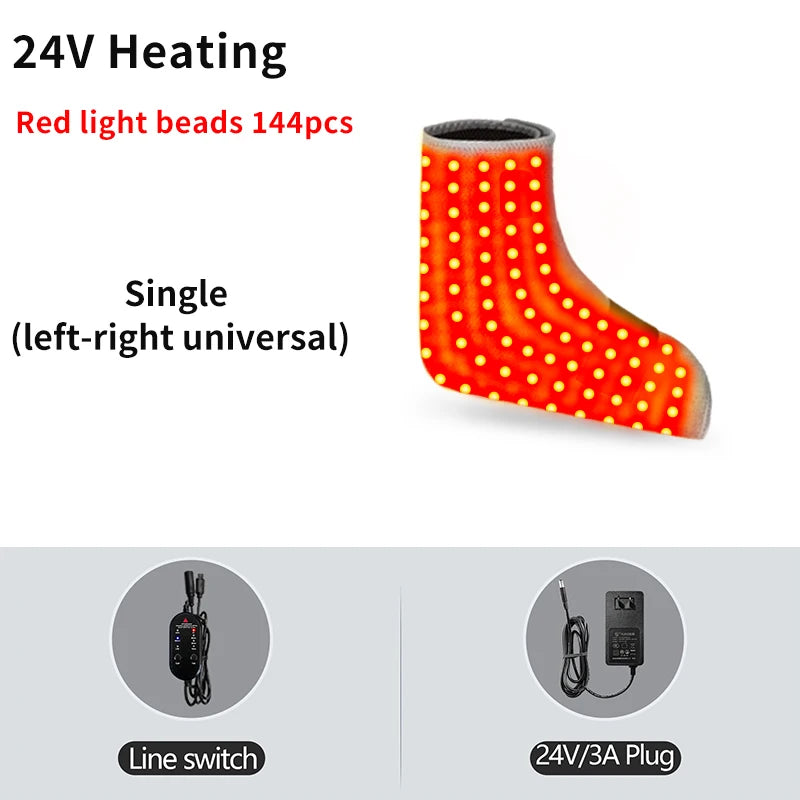
Effective ankle wrap for recovery — Feel the difference
Ankle Support Wrap for Sprain During Activity
Many people benefit from wearing an ankle support during walking, work, or rehabilitation exercises, particularly during the first several weeks after injury.
How Long to Wear an Ankle Wrap
Wear the wrap during activities that place stress on the ankle. Remove it periodically to inspect the skin and avoid excessive compression unless your healthcare provider recommends otherwise.
Common Factors That Slow Ankle Sprain Recovery
Incomplete Rehabilitation
Stopping therapy when pain disappears often leaves weakness that increases reinjury risk.
Returning to Activity Too Soon
Ligaments continue remodeling after symptoms improve, so returning too early may restart the healing process.
Persistent Swelling
Ongoing swelling can limit joint movement and delay strengthening exercises needed for full recovery.
Chronic Ankle Instability
Repeated sprains can damage balance mechanisms around the ankle, leading to frequent "rolling" episodes and longer recovery times.
When Swelling Should Improve During Recovery
Normal Swelling Timeline
Most swelling peaks within the first 48 hours and gradually improves over the following 1 to 3 weeks, depending on injury severity.
When Swelling Lasts Too Long
If swelling remains significant beyond several weeks, especially when accompanied by increasing pain or instability, medical reassessment is recommended.
Managing Persistent Swelling
Compression, elevation after activity, gentle mobility exercises, and gradual strengthening often help manage lingering swelling while tissues continue healing.
When to See a Doctor
Signs You Need Medical Evaluation
- Severe swelling or bruising that continues worsening.
- Inability to bear weight after several days.
- Persistent ankle instability.
- Numbness, tingling, or deformity.
When Imaging Is Recommended
X-rays may be needed to rule out fractures, while MRI can evaluate ligament injuries when symptoms persist or recovery is slower than expected.
Symptoms of a Severe Injury
Persistent instability, repeated giving way, severe pain despite treatment, or suspected tendon injury should be assessed promptly by a healthcare professional.
Frequently Asked Questions About Ankle Sprain Healing
How long does an ankle sprain take to heal?
Mild sprains usually recover within 1 to 3 weeks, moderate sprains often require 3 to 6 weeks, and severe ligament tears may need 2 to 6 months of rehabilitation.
Can I walk on a sprained ankle?
Many mild sprains allow gradual weight-bearing as tolerated, but severe pain or inability to walk should be evaluated by a healthcare professional.
When can I return to running or sports?
Return only after full range of motion, near-normal strength, and good balance have been restored without pain.
How long should swelling last?
Most swelling improves substantially within several weeks, although moderate and severe sprains may have mild residual swelling for longer during activity.
How to heal ankle sprain faster?
Early protection, progressive rehabilitation, consistent strengthening, appropriate compression, adequate nutrition, and avoiding reinjury provide the best opportunity for efficient recovery.
Explore more recovery tools in the Body Care and Health Devices collection.
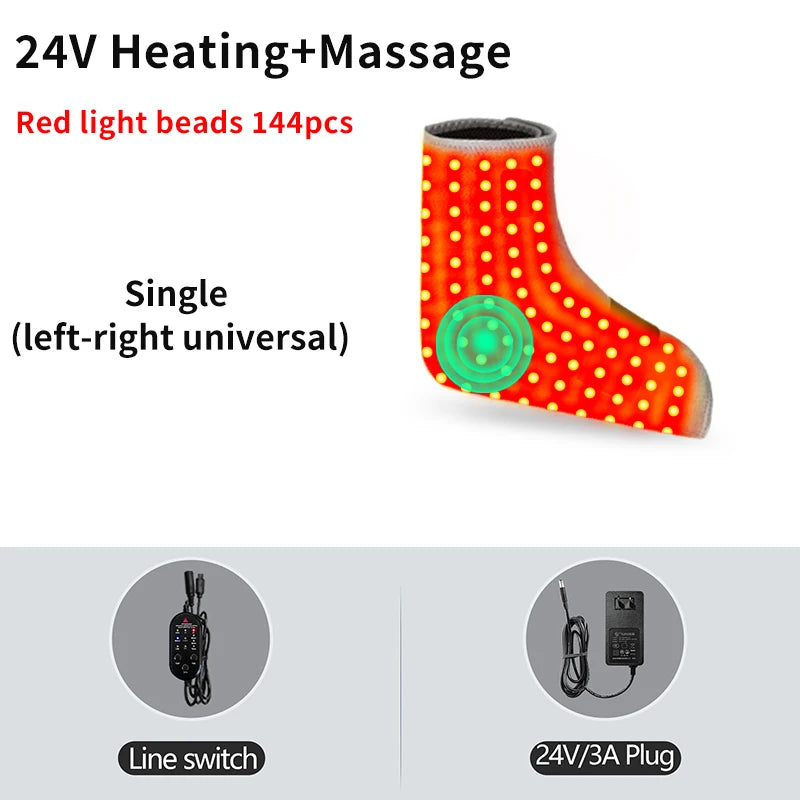
Support your ankle sprain healing — See it in action













