

Do anti fog ski goggles really work?
Yes. Anti fog ski goggles reduce condensation by combining hydrophilic anti-fog coatings, dual-lens insulation, and ventilation channels that remove humid air. Premium models can stay clear for hours in most conditions, but performance depends on proper fit, open vents, and careful maintenance. If moisture develops between the two lenses, the lens seal has likely failed and replacement is usually necessary.
Anti Fog Ski Goggles Compared: Do They Really Stay Clear?
⏱ 6 min read
Cold air, warm breath, changing weather, and physical exertion create ideal conditions for lens fogging. Anti fog ski goggles are designed to keep your vision clear, but their real-world performance depends on how effectively they control moisture, airflow, and temperature differences throughout the day.
Explore how modern anti-fog designs compare before your next trip.
Which anti fog technology matches how you ski? Read on to find out.
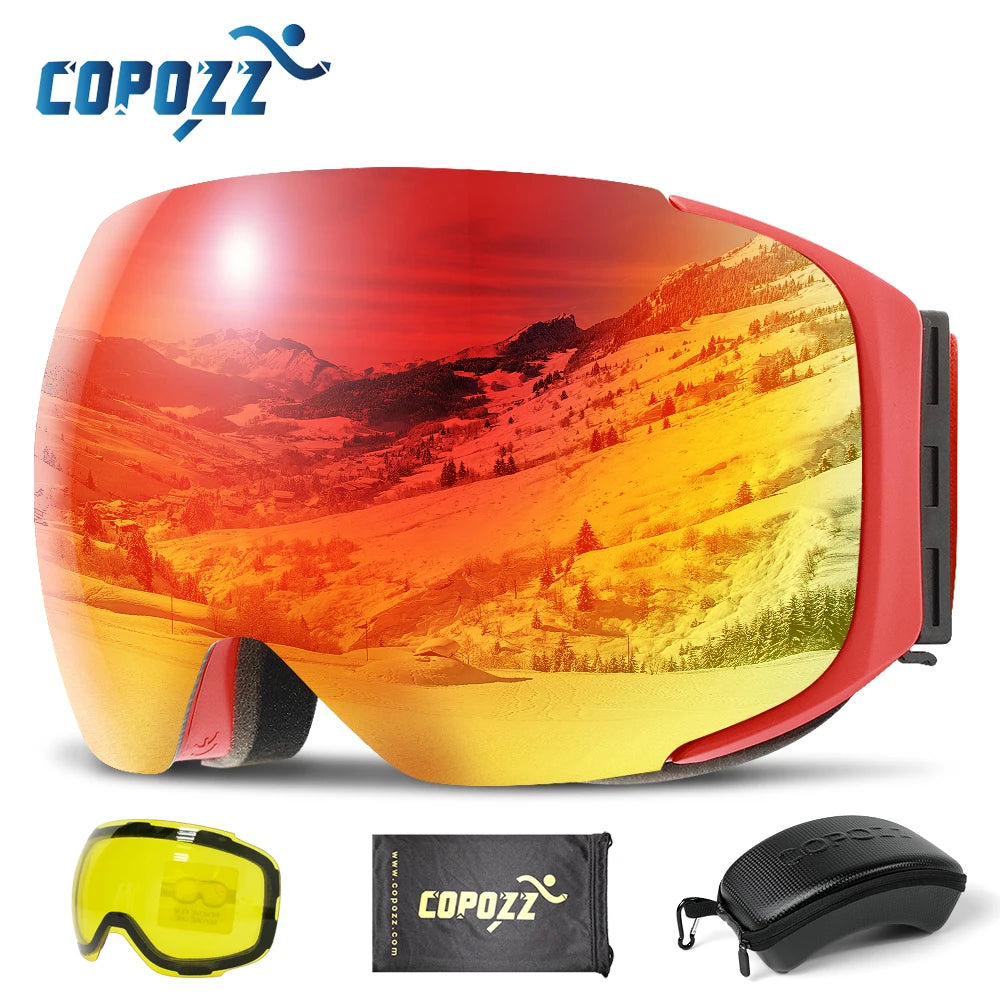
Clear vision skiing starts with the right lens technology. See it in action.
Why Do Ski Goggles Fog Up? (The Science Explained)
Warm Air vs Cold Lens: Condensation Explained
Foggy ski goggles develop when warm, humid air inside your goggles contacts a colder lens surface. Water vapor condenses into tiny droplets that scatter light, reducing visibility and contrast.
The larger the temperature difference between your face and the outside air, the faster condensation forms. This is why goggles fog more frequently during cold chairlift rides followed by intense downhill runs.
Sweat, Breath, and Humidity Build-Up
Your own body is the biggest source of moisture. Heavy sweating, breathing upward through a neck gaiter, and wet snowfall all increase humidity inside the goggles.
Once the humidity exceeds what the ventilation system can remove, goggles fog even if they include an anti-fog coating.
Poor Ventilation and Seal Issues
Blocked vents, incompatible helmets, or compressed face foam restrict airflow. Without fresh air circulating through the vents, moisture remains trapped against the lens.
Why Do My Snow Goggles Fog Up in Different Conditions?
If you're wondering, "Why do my snow goggles fog up?" the answer often depends on the environment:
- Wet snow: High humidity overwhelms ventilation.
- Very cold days: Larger temperature differences increase condensation.
- Spring skiing: Warm air and heavy sweating generate more moisture.
- Storms: Snow can partially block ventilation openings.
How Anti Fog Ski Goggles Actually Work
Moisture-Absorbing Inner Lens Coatings
Most anti fog ski goggles use hydrophilic coatings that spread moisture into a transparent film instead of allowing visible droplets to form. This helps preserve clarity during changing weather.
Dual-Lens Insulation (Thermal Barrier Explained)
Double lenses create an insulating air pocket that slows heat transfer. Keeping the inner lens closer to face temperature greatly reduces condensation compared with a single-lens design.
Ventilation Systems: Airflow vs Anti-Fog Coating
Ventilation continuously removes warm, humid air, while the coating manages any moisture that remains. Ski goggles ventilation vs anti fog coating is not an either-or choice—the best-performing goggles combine both systems.
How Long Anti-Fog Technology Lasts
Anti-fog coatings gradually lose effectiveness with repeated cleaning, abrasion, dirt buildup, and improper storage. With careful handling, premium coatings typically provide reliable performance for several seasons, although longevity varies by manufacturer and usage.
Check out advanced designs like magnetic ski goggles built for fast airflow and easy lens swaps.
How to Stop Ski Goggles Fogging (Before, During, and After Skiing)
Before You Hit the Slopes
- Dry your goggles completely before wearing them.
- Ensure helmet vents align with the goggle vents.
- Adjust your face covering so breath exits downward.
- Avoid storing goggles in a cold vehicle overnight.
Quick Fixes on the Mountain
- Lift goggles briefly to release trapped moisture.
- Clear snow blocking the ventilation ports.
- Allow airflow while riding the lift.
- Avoid placing goggles on your forehead where sweat transfers directly onto the foam.
After-Ski Care
Allow goggles to air dry naturally before placing them in a protective case. Never pack them while damp, since trapped moisture encourages coating damage and mold growth inside the foam.
What NOT to Do
- Don't wipe the inside lens.
- Don't use household cleaners or glass cleaner.
- Don't dry goggles with high heat.
- Don't block vents with helmet accessories or stickers.
Troubleshooting Foggy Ski Goggles by Situation
Fogging in Wet Snow
Wet weather carries more moisture than cold, dry powder. Choose goggles with larger vents and periodically remove accumulated snow from the ventilation channels.
Fogging During Heavy Sweating
Open jacket vents, reduce excess clothing layers, and manage body temperature. Lower perspiration means less moisture entering your goggles.
Fogging While Wearing Glasses
OTG (over-the-glasses) goggles provide extra interior volume and ventilation. Properly fitting prescription glasses also help reduce trapped moisture.
Fog Between the Double Lenses
Fog between the lenses is different from ordinary lens fogging. It almost always indicates seal failure and cannot be fixed with sprays or cleaning.
Long-Term Ski Goggles Fog Prevention
Cleaning Without Damaging Anti-Fog Coating
Let goggles air dry before gently dabbing with a microfiber cloth. Learn proper care in this how to clean ski goggles guide.
Helmet Compatibility and Fit
A properly matched helmet and goggles allow ventilation systems to function as designed. Explore options in best ski helmets to improve compatibility.
Storage and Drying Best Practices
Store goggles inside a protective bag in a dry location. Avoid placing heavy objects on the lens, and never leave wet goggles sealed inside a backpack for extended periods.
When to Replace Lenses
Consider replacing lenses or the entire goggle if the anti-fog coating has worn away, scratches significantly reduce visibility, or moisture begins appearing between the dual lenses.
Ski Goggles Ventilation vs Anti-Fog: Which Matters More?
When Ventilation Matters Most
During humid storms, spring skiing, or strenuous activity, effective airflow removes moisture before condensation develops.
When Coatings Make the Difference
In extremely cold weather, dual-lens insulation and anti-fog coatings continue working even when airflow alone cannot prevent condensation.
The Best Combination for Clear Vision
The highest-performing anti fog ski goggles combine durable coatings, dual-lens construction, efficient ventilation, and a well-matched helmet fit. Each feature complements the others for consistently clearer vision.
Anti-Fog Myths That Can Ruin Your Goggles
Should You Use Dish Soap or Household Sprays?
DIY treatments may leave residue or damage factory coatings. Products designed for household glass are not intended for modern ski goggle lenses.
Can You Wipe the Inside Lens?
Only when absolutely necessary and only after the lens is completely dry. Rubbing a wet inner lens can permanently damage the anti-fog coating.
Do DIY Treatments Really Work?
Some temporary treatments provide short-lived results, but they cannot replace the engineered coatings and ventilation built into quality ski goggles.
When Are Clear Ski Goggles a Good Choice?
Best Conditions for Clear Lenses
Clear ski goggles are ideal for night skiing, overcast weather, heavy snowfall, and wooded trails where maximum light transmission improves visibility.
Do Clear Lenses Fog More?
No. Lens tint has little effect on fogging. Whether clear ski goggles are good depends on light conditions, while fog resistance depends on ventilation, lens construction, and anti-fog coatings.
Why Ski Goggles Fogging Between Lenses Is a Red Flag
Why It Happens
Fogging between double lenses usually means the perimeter seal has failed, allowing moisture to enter the insulated air chamber.
Can It Be Fixed?
Unfortunately, no reliable repair restores the original seal. Drying the goggles may temporarily reduce moisture, but the problem typically returns.
When Replacement Is the Only Option
If you notice persistent internal fog, distorted vision, glare, or water trapped between the lenses, replacement is generally the safest solution. Check whether the manufacturer offers warranty coverage for seal failure.
Frequently Asked Questions About Foggy Ski Goggles
Why do my snow goggles fog up even when they have anti-fog coating?
Anti-fog coatings help manage condensation, but blocked vents, excessive humidity, poor helmet fit, or heavy sweating can still overwhelm the system.
How do you stop snowboard goggles fogging up?
Keep vents clear, avoid wiping the inside lens, direct your breath downward, and allow goggles to dry completely after every session.
Can you fix fog between double ski goggle lenses?
Usually not. Internal fog indicates seal failure, and replacing the lens or goggles is normally the most effective solution.
How often should you replace ski goggles?
Replace them when vision is compromised by severe scratches, worn anti-fog coatings, or failed dual-lens seals. Casual skiers may get several seasons from quality goggles with proper care.
Are anti fog ski goggles worth it?
Yes. They greatly reduce fogging compared with basic goggles, especially when used with proper ventilation and maintenance.
Are clear ski goggles good for cloudy days?
Yes. Clear lenses maximize available light, making them an excellent choice for overcast weather, snowfall, and evening skiing.
Can you wash the inside of ski goggles?
No. Avoid washing or rubbing the inner lens. If cleaning is necessary, allow the lens to dry completely and gently dab it with a clean microfiber cloth.
Does helmet fit affect ski goggle fogging?
Yes. A compatible helmet helps maintain proper airflow through the vents, reducing moisture buildup and improving anti-fog performance.
Explore magnetic ski goggles designed for consistent visibility—limited availability this season.













