

Do performance insoles basketball really improve speed and reduce joint stress?
Yes. Performance insoles for basketball and running can improve comfort, stability, and shock absorption during high-impact movement. By helping distribute pressure more evenly across the foot, quality athletic insoles may reduce stress on the ankles, knees, and hips while improving energy return during sprints, jumps, quick cuts, and longer runs. Although they cannot replace proper footwear or training, they can noticeably improve fit, reduce fatigue, and enhance overall athletic performance.
Performance Insolles Basketball: Best Picks for Speed, Support & Shock Absorption (2026)
⏱ 7 min read
Whether you're attacking the basket, defending through repeated lateral cuts, or logging miles between games, every stride places significant force on your feet and joints. Standard shoe insoles often compress quickly under repeated impact, reducing support exactly when athletes need it most. High-performance basketball insoles are engineered with advanced cushioning materials, structured arch support, and responsive foam technologies that help improve stability, absorb landing forces, and maintain comfort throughout intense training sessions. Choosing the right insole can make every jump, sprint, and change of direction feel more controlled while helping reduce lower-body fatigue.
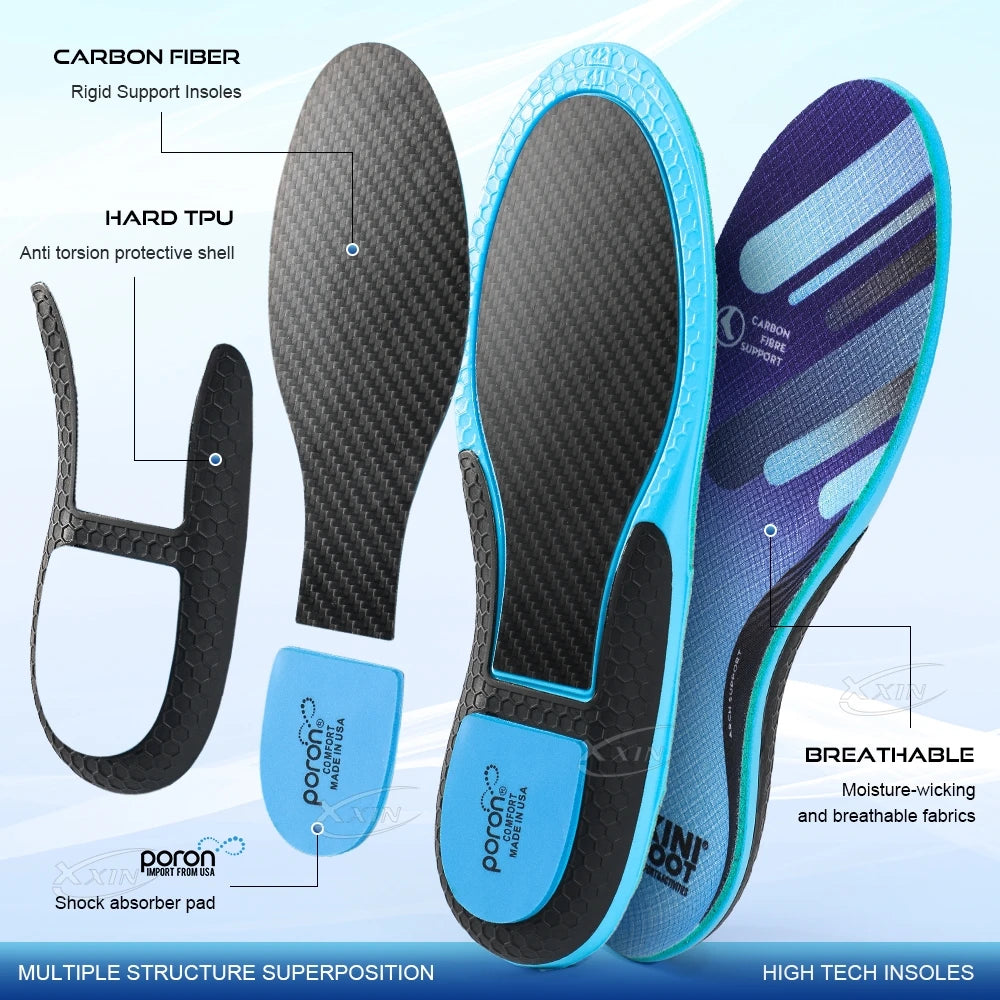
Shock-absorbing insoles designed to improve comfort, stability, and joint protection during basketball and running.
Best Performance Insoles for Basketball (Ranked & Tested)
To identify the strongest options for basketball players and multi-sport athletes, we evaluated performance insoles based on impact absorption, responsiveness, stability, durability, arch support, overall fit, and long-term comfort. Rather than focusing on everyday walking, these recommendations prioritize the demands of explosive court movement while remaining versatile enough for running workouts.
#1 Best Overall Performance Insole
A balanced design combining excellent shock absorption with responsive cushioning makes this the best choice for most athletes. It provides reliable impact protection without sacrificing court feel, making it suitable for recreational and competitive players alike.
- Best for: All-around basketball performance
- Key strength: Balanced energy return and lateral stability
- Ideal player: Guards, wings, and all-position athletes
#2 Best for Shock Absorption
Designed with thicker heel and forefoot cushioning, this option excels at reducing landing forces during rebounds, repeated jumping, and high-volume training. It is especially beneficial for heavier athletes or anyone managing chronic joint discomfort.
- Best for: Maximum impact protection
- Key strength: Deep heel cushioning and pressure distribution
- Ideal player: Centers, forwards, and frequent jumpers
#3 Best for Arch Support
A firmer support structure helps improve foot alignment for athletes with flat feet or moderate overpronation while maintaining enough cushioning for extended practices and games.
- Best for: Stability and alignment
- Key strength: Structured arch support
- Ideal player: Athletes seeking better biomechanical support
#4 Best for Guards (Speed & Agility)
Low-profile construction keeps players close to the court while delivering fast energy transfer for explosive acceleration, quick pivots, and rapid defensive movements.
- Best for: Speed and responsiveness
- Key strength: Lightweight, agile design
- Ideal player: Point guards and perimeter players
#5 Best for Big Men (Impact Protection)
Built for athletes who generate greater landing forces, this style emphasizes durability, underfoot cushioning, and long-lasting structural support without excessive compression over time.
- Best for: Heavy-impact play
- Key strength: Durable cushioning under high loads
- Ideal player: Centers, power forwards, and heavier athletes
How We Ranked These Basketball Performance Insoles
Our evaluation focuses on the characteristics that matter most during basketball games and running workouts rather than everyday comfort alone. Each insole was assessed using performance-based criteria that influence stability, impact protection, long-term durability, and overall athletic performance.
- Shock Absorption: How effectively the insole cushions repeated landings, hard cuts, and high-impact jumps while helping reduce stress on the feet, knees, and hips.
- Energy Return: The ability of cushioning materials to rebound after compression, supporting quicker acceleration and more responsive movement.
- Stability: Lateral support during pivots, defensive slides, and sudden changes in direction without allowing excessive foot movement inside the shoe.
- Fit & Compatibility: Whether the insole fits comfortably inside basketball and running shoes without creating pressure points or reducing toe room.
- Arch Support: Appropriate structural support for different foot types, helping improve alignment and reduce fatigue during extended activity.
- Durability: Resistance to compression and material breakdown after repeated high-impact training sessions and competitive play.
By emphasizing athletic performance instead of casual walking comfort, these criteria help identify insoles that remain supportive through demanding practices, games, and running sessions.
Why Fast Cuts Create More Joint Impact
Basketball places unique demands on the lower body because nearly every possession involves explosive acceleration, abrupt stops, lateral cuts, pivots, and repeated jumping. These movements create multidirectional forces that travel from the feet through the ankles, knees, hips, and lower back. Running adds another layer of stress by exposing the body to thousands of repetitive forward-impact strides over a single workout.
When athletes regularly participate in both sports, cushioning materials inside standard shoe insoles may compress unevenly or lose resilience over time. As support decreases, more impact is transferred directly to the joints and surrounding muscles, potentially contributing to discomfort, early fatigue, and reduced movement efficiency.
Properly designed performance insoles help address these demands by improving shock absorption during landings, stabilizing the foot during lateral movement, and distributing pressure more evenly across the entire foot. While they cannot eliminate injury risk, they can improve comfort and support during high-impact athletic activities when paired with well-fitting footwear.
Performance Tip: If you experience discomfort mainly during side-to-side cuts, prioritize lateral stability. If fatigue develops during longer runs, look for insoles that combine responsive cushioning with consistent energy return over repeated strides.
What Makes Basketball Performance Insoles Different?
Basketball performance insoles are engineered to handle the unique demands of explosive, multi-directional sports. While everyday insoles prioritize comfort and many running insoles focus on forward motion, basketball models are designed to stabilize the foot during rapid cuts, repeated jumps, hard landings, and quick changes of direction without sacrificing responsiveness.
- Lateral Support: Reinforced sidewalls and supportive heel structures help reduce excessive foot movement during defensive slides, pivots, and crossover steps.
- Impact Protection: High-performance foam, gel, or composite cushioning absorbs repeated landing forces generated during jumping and rebounding.
- Energy Return: Responsive materials rebound after compression, helping athletes maintain a more efficient stride and quicker first step.
- Arch Support: Structured support promotes better foot alignment and can help reduce fatigue during extended practices and competitive games.
- Secure Fit: Low-slip top covers and anatomical shaping minimize foot movement inside the shoe, improving stability and overall control.
The combination of cushioning, stability, and responsiveness makes performance insoles especially valuable for players who rely on speed, agility, balance, and explosive power throughout every quarter.
Standard Insoles vs Performance Insoles (Basketball Focus)
Although most athletic shoes include factory insoles, they are generally designed to fit a wide range of users rather than optimize sports performance. Upgrading to a dedicated performance insole can provide more consistent support during high-impact activities.
| Feature | Standard Insoles | Performance Insoles |
|---|---|---|
| Cushioning | Basic foam for everyday comfort | Advanced materials designed for repeated impact |
| Shock Absorption | Moderate | High, especially during jumps and hard landings |
| Arch Support | Minimal or generic | Structured support for improved alignment |
| Lateral Stability | Limited | Designed for quick cuts and directional changes |
| Energy Return | Low | Responsive cushioning helps maintain momentum |
| Durability | May compress quickly under heavy use | Built to maintain performance over extended training |
For basketball players and athletes who alternate between court sports and running, performance insoles typically provide greater stability, more consistent cushioning, and improved durability than standard factory insoles. While no insole can replace properly fitted shoes, upgrading the footbed can significantly improve comfort and support during demanding training sessions.
Choosing the Right Insoles for Your Play Style & Foot Type
Guards vs Forwards vs Centers
Different positions place different demands on the feet, so the ideal performance insole depends on how you play.
- Guards: Benefit from lightweight, low-profile insoles that maximize court feel, quick acceleration, and rapid lateral movement without adding unnecessary bulk.
- Forwards: Need a balanced combination of cushioning and stability to handle frequent jumping, rebounding, and aggressive drives to the basket.
- Centers: Typically generate the highest landing forces and benefit from thicker heel cushioning, durable support, and enhanced shock absorption to reduce stress on the knees and ankles.
Flat Feet vs High Arches
Your foot structure plays an important role in selecting the right insole.
- Flat Feet: Choose insoles with structured arch support and heel stability to help manage overpronation and improve overall alignment.
- Neutral Arches: Medium-support performance insoles usually provide the best balance between comfort and responsiveness.
- High Arches: Look for models with generous cushioning and flexible support to distribute pressure more evenly and reduce localized impact.
Injury Prevention (Knees, Ankles, Plantar Fasciitis)
While no insole can completely prevent injuries, selecting one that matches your biomechanics can help reduce repetitive stress during training and competition.
- Knee Discomfort: Prioritize excellent shock absorption and even pressure distribution.
- Ankle Stability: Choose insoles with firm heel support and strong lateral stability for quick directional changes.
- Plantar Fasciitis: Consider supportive arch designs with well-cushioned heels to reduce tension on the plantar fascia during prolonged activity.
How Performance Insoles Reduce Fatigue and Improve Energy Return
High-quality performance insoles do more than soften landings. They help optimize how force moves through the foot, allowing athletes to maintain comfort and efficiency throughout demanding practices, games, and running sessions.
- Responsive Cushioning: Advanced foam and composite materials compress under impact before quickly rebounding to support the next movement.
- Improved Force Distribution: Even pressure across the foot helps reduce localized fatigue and excessive stress on muscles and joints.
- Better Alignment: Appropriate arch support encourages more stable foot positioning, reducing unnecessary strain on the calves, knees, and hips.
- Consistent Performance: Durable materials resist compression over time, maintaining cushioning and responsiveness through repeated high-impact use.
Although the improvement varies between athletes, properly fitted performance insoles can contribute to reduced muscle fatigue, improved comfort during extended play, and a more confident feel during explosive movements.
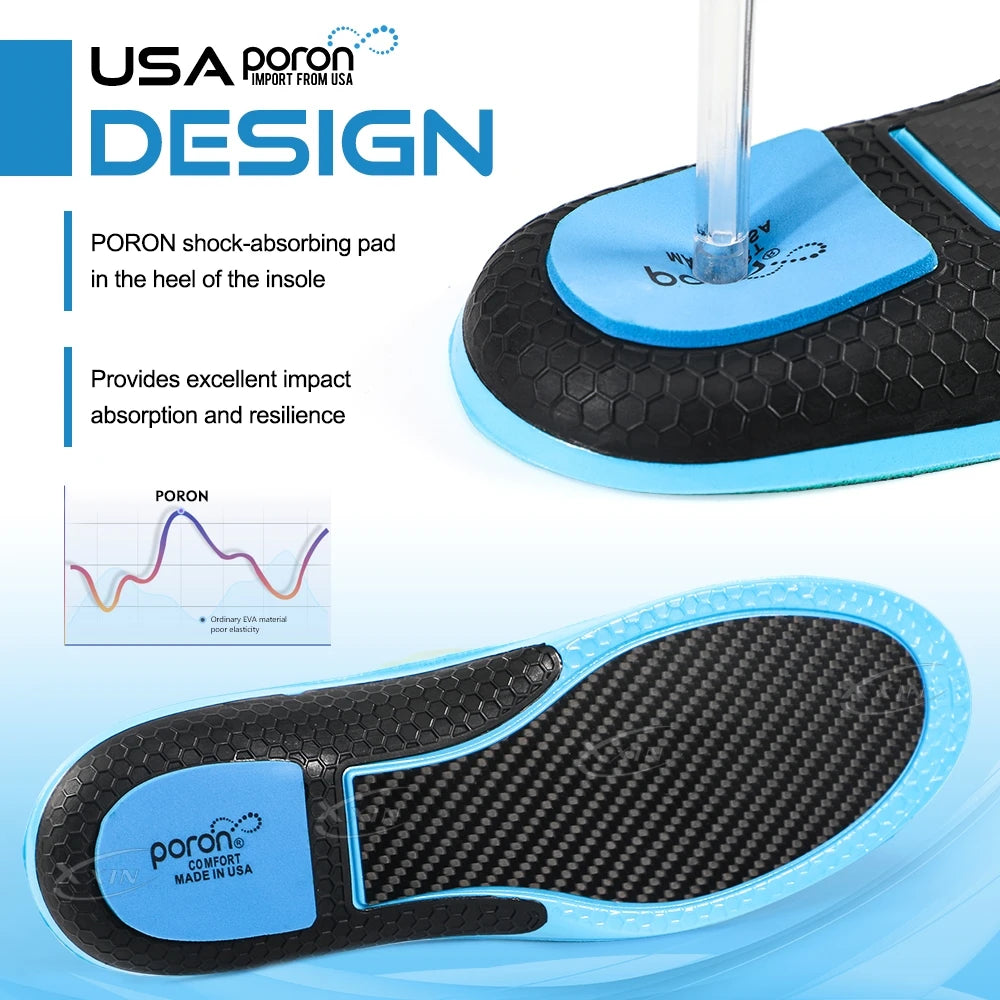
Performance insoles engineered to reduce impact, improve stability, and support long-lasting comfort during training and competition.
Real-World Performance: Court vs Running Use
Many athletes rotate between basketball, gym workouts, and road running, making versatility an important consideration when choosing performance insoles. Although some premium models perform well across multiple activities, the physical demands of each sport differ enough that no single design is perfect for every situation.
- Basketball: Prioritizes lateral stability, impact protection, rapid acceleration, controlled landings, and secure foot positioning during cuts and pivots.
- Running: Emphasizes forward motion, smooth heel-to-toe transitions, repetitive shock absorption, and long-distance comfort over thousands of strides.
- Cross-Training: Benefits from balanced cushioning and moderate stability for athletes who regularly alternate between court sports, conditioning sessions, and short runs.
If basketball is your primary sport, choose an insole specifically engineered for court movement. Athletes who split their time more evenly between basketball and running may prefer a versatile performance model that balances responsiveness with long-lasting cushioning, even if it makes small compromises in sport-specific performance.
How to Use Performance Insoles for Maximum Results
- Remove the factory insole. Most performance insoles are designed to replace, not stack on top of, the original shoe insert.
- Check the fit carefully. Trim along the manufacturer's guidelines if necessary, ensuring the insole sits flat without curling or bunching.
- Wear them during shorter sessions first. Allow your feet and lower legs to adapt over two or three practices before using them in full games or long runs.
- Monitor comfort and support. Minor adjustment is normal, but persistent discomfort may indicate the wrong arch height or insole size.
- Replace when performance declines. Most athletic insoles maintain optimal cushioning for approximately 6 to 12 months, depending on training frequency, athlete weight, and impact level.
Proper sizing, gradual break-in, and routine replacement help maintain consistent support, cushioning, and responsiveness throughout the life of the insole.
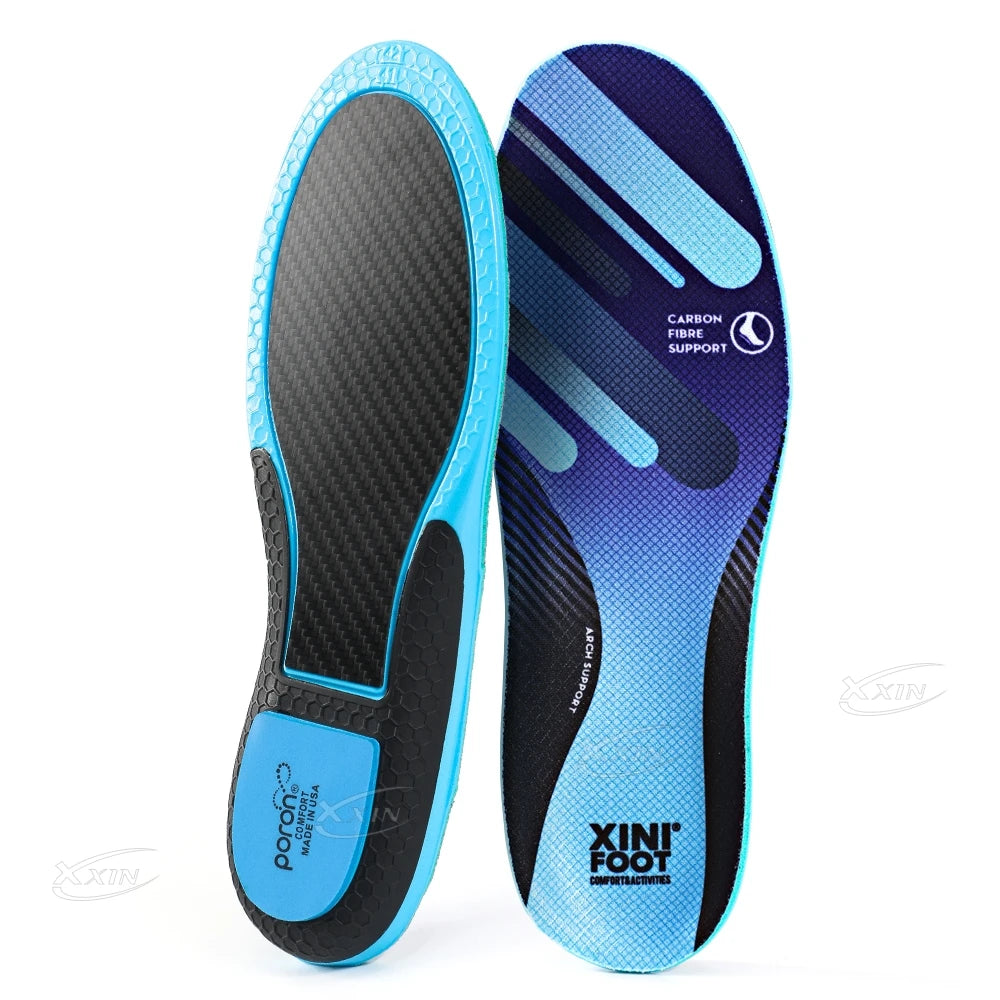
Reliable support that helps keep pace with explosive cuts, hard landings, and long training sessions.
FAQs About Basketball Performance Insoles
Can performance insoles fit both basketball and running shoes?
In most cases, yes. Performance insoles are available in a variety of sizes and can usually be trimmed for a customized fit. Models designed specifically for basketball provide stronger lateral stability, while running-focused insoles emphasize forward motion and repetitive impact cushioning.
Do performance insoles help reduce knee pain during basketball?
They may help reduce stress on the knees by improving shock absorption and supporting better foot alignment during jumping, cutting, and landing. However, persistent knee pain should be evaluated by a qualified healthcare professional, as insoles cannot address every underlying cause.
How long do basketball performance insoles last?
Most quality performance insoles maintain their support for approximately 6 to 12 months. Athletes who train several times each week or compete regularly may need replacement sooner if the cushioning compresses or the support begins to deteriorate.
Are premium performance insoles worth the investment?
For athletes who play frequently, higher-quality insoles often offer more durable materials, better impact protection, improved arch support, and longer-lasting responsiveness. Recreational players may also appreciate the added comfort, especially during longer training sessions.
Do professional basketball players use performance insoles?
Many professional and collegiate athletes use either custom orthotics or premium performance insoles to improve comfort, optimize fit, and enhance support inside their basketball shoes. The exact setup varies according to individual biomechanics and personal preference.
Should you replace the original shoe insole?
Yes. Performance insoles are generally designed to replace the factory insole rather than sit on top of it. Removing the original insert helps maintain proper shoe fit, reduces crowding, and allows the performance insole to function as intended.
Can performance insoles improve vertical jump or sprint speed?
No insole can dramatically increase athletic performance on its own. However, responsive cushioning, improved stability, and better force distribution may help athletes feel more comfortable and efficient during explosive movements when combined with proper training and well-fitted footwear.













