

✅ Yes, most neck massagers are safe when used correctly for 15–20 minutes at a time. Start with low intensity, avoid injured areas, and never overuse. People with cervical issues, osteoporosis, or nerve conditions should consult a doctor before using a neck massager.
Are Neck Massagers Safe? The Hidden Truth Experts Don’t Tell You
Wondering are neck massagers safe for daily use? From neck massager rechargeable options to neck massager handheld devices and even cervical vertebra massagers, the right choice could ease tension headaches without risk. But could some models secretly harm your posture or nerves? Discover what experts rarely share and the smart ways to protect yourself before your next relaxing session.
⏱ Reading time: 8 min read
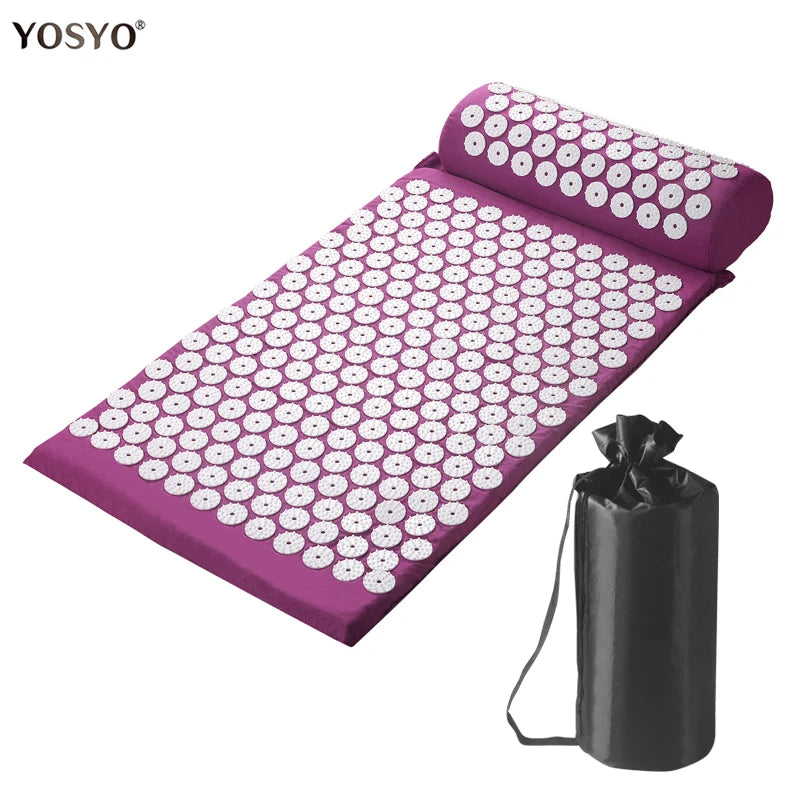
Are neck massagers safe? Explore neck massager rechargeable and handheld styles before you buy.
Are Neck Massagers Safe?
Yes, neck massagers are generally safe for healthy adults when used as directed, but overuse or incorrect settings can cause muscle strain or nerve irritation. Choose a model suited to your needs—such as a neck massager rechargeable for portability—and avoid prolonged sessions beyond 15–20 minutes.
For most users, safety depends on proper use, correct positioning, and avoiding excessive pressure. However, people with conditions like cervical spine injuries, severe osteoporosis, or nerve disorders should consult a healthcare provider before use.
How to Use a Neck Massager Safely
- Limit sessions to 15–20 minutes at a time.
- Start on the lowest intensity and adjust gradually.
- Place the device according to instructions to avoid nerve compression.
- Do not use over inflamed or injured areas.
- Consult a doctor if you have chronic neck conditions.
Which style suits you best? Read on! We’ll compare the most popular types of neck massagers next.
Types of Neck Massagers Compared
| Type | Pros | Cons | Best For |
|---|---|---|---|
| Neck Massager Rechargeable | Portable, cordless, convenient | Requires charging, may have lower power | Travel, office use |
| Neck Massager Handheld | Precise control, adjustable angles | Arm fatigue with long use | Targeted muscle relief |
| Cervical Vertebra Massager | Designed for spine alignment | Less versatile for other areas | Posture correction, neck stiffness |
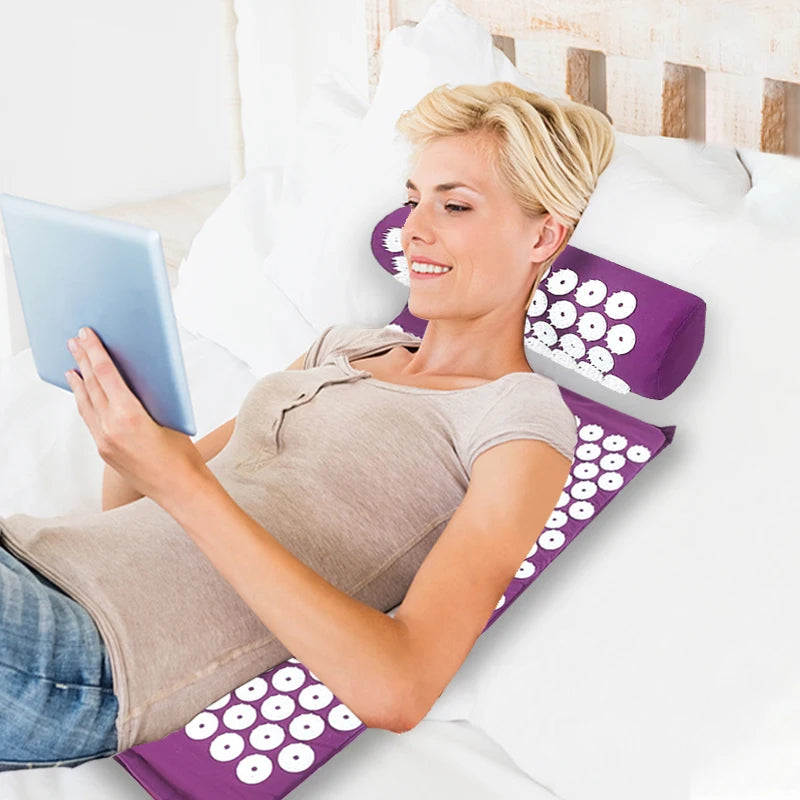
Neck massager handheld vs rechargeable — find your perfect fit for tension headaches.
Benefits and Potential Risks
Benefits
- Relieves muscle tension and stiffness
- Improves blood circulation
- Supports posture correction
- May reduce tension headaches
Potential Risks
- Overuse can lead to soreness or bruising
- Incorrect positioning may compress nerves
- Not suitable for certain medical conditions
These devices, especially a neck massager rechargeable or cervical vertebra massager , can be valuable tools when used with care.
Expert Tips for Safe Use
- Choose a device with adjustable intensity levels.
- Look for ergonomic designs that contour to your neck.
- Test the heat function (if available) before extended use.
- Alternate between massage types to prevent overworking one muscle group.
- Incorporate neck stretches to complement massage sessions.
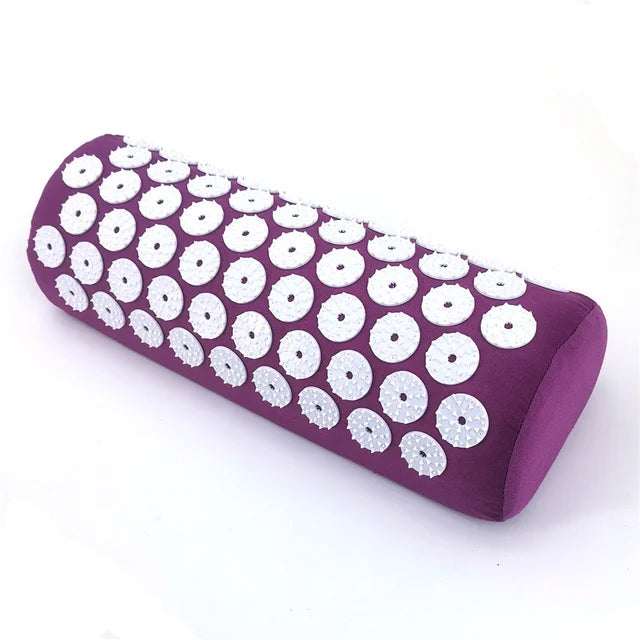
Combine your neck massager with gentle stretches for optimal safety and relief.
Mini-FAQ
1. Can I use a neck massager every day?
Daily use is safe for most people if sessions are short and intensity is moderate. Listen to your body and avoid overuse.
2. Are neck massagers safe for seniors?
Yes, but seniors should choose gentle settings and consult a doctor, especially if they have cervical spine issues or osteoporosis.
3. Can neck massagers help with tension headaches?
Yes, many users find relief from tension headaches when using neck massagers that target the upper neck and shoulder muscles.
Pillar Article: The Ultimate Neck Massager and Heater Review: What You Didn’t Know Before Buying
Other Related Articles:
- Neck Massager Review: Best Electric Devices for Lasting Neck Pain Relief
- Full Body Massager Spa Reviews: Which Model Delivers Real Relaxation?
- Can You Use a TENS Unit on Your Neck? Stop Risking Your Health!
- Top 5 Best Neck Massager Machines Compared for Instant Relief
Explore More:
- Best Neck Massager Machine Usage Tips: Stop Doing This Wrong!
- Full Body Massagers: Who Should Use Them and Why?
Are Neck Massagers Safe? Risks, Benefits, and Who Should Avoid Them
Neck massagers are widely used for relieving tension, stiffness, and stress—but their safety depends on how they are used and the individual’s health condition. While many people can use them safely, others may face risks such as nerve irritation, muscle strain, or worsening of underlying conditions. This guide explains when neck massagers are safe, who should avoid them, and how to use them correctly.
=== ARE NECK MASSAGERS SAFE? — THE MEDICAL ANSWER EXPLAINED === Purpose: Immediately satisfies search intent by giving a clear, authoritative safety verdict (critical for Featured Snippets). Placement: After H1 HTML Block: HTMLAre Neck Massagers Safe? The Medical Answer Explained
In most healthy individuals, neck massagers are generally safe when used correctly and in moderation. However, safety is not universal—people with certain medical conditions, such as cervical spine disorders, nerve compression, or vascular issues, may experience complications.
The key factor is not just the device itself, but how much pressure is applied, how long it is used, and whether the user has any underlying health risks.
=== HOW NECK MASSAGERS WORK === Purpose: Adds missing foundational explanation that improves topical authority and E-E-A-T signals. Placement: After “Are Neck Massagers Safe?” HTML Block: HTMLHow Neck Massagers Work
Neck massagers work by applying mechanical pressure, vibration, or percussion to the muscles and soft tissues of the neck. This stimulation helps increase blood circulation, reduce muscle stiffness, and temporarily interrupt pain signals sent to the brain.
Some devices also use heat therapy, which can relax tight muscles further but may increase risk if overused or applied too intensely.
=== HOW TO USE A NECK MASSAGER SAFELY === Purpose: Transforms generic advice into structured, medically aligned safety guidance. Placement: Existing section replacement HTML Block: HTMLHow to Use a Neck Massager Safely
Limit your session time
Use a neck massager for 10–15 minutes per session. Overuse can lead to muscle soreness or irritation.
Avoid excessive pressure
High-intensity settings should be avoided, especially near the spine or carotid artery area.
Use appropriate frequency
2–4 times per week is typically sufficient for most users unless otherwise advised by a healthcare professional.
Maintain correct positioning
Ensure the device is placed on muscle tissue rather than directly on bones or the front of the neck.
=== TYPES OF NECK MASSAGERS COMPARED === Purpose: Adds safety differentiation between device types (important SERP gap). Placement: Replaces existing section HTML Block: HTMLTypes of Neck Massagers Compared
Electric neck massagers
Electric devices often include vibration, kneading, or percussion. While effective, they carry higher risk if pressure is too strong or misused.
Manual massagers
Manual tools allow better control over pressure and are generally safer for sensitive users.
Heat-based massagers
Heat can improve muscle relaxation but should be used cautiously to avoid burns or inflammation.
=== WHO SHOULD NOT USE A NECK MASSAGER === Purpose: High-impact safety section that directly matches user intent and improves trustworthiness. Placement: New section after Types HTML Block: HTMLWho Should NOT Use a Neck Massager
Neck massagers are not recommended for individuals with the following conditions unless cleared by a healthcare professional:
- Cervical spine injuries or instability
- Severe osteoporosis
- Blood clotting disorders or history of thrombosis
- Recent neck surgery or trauma
- Severe nerve compression or radiculopathy
Pregnant individuals or those with chronic medical conditions should consult a doctor before use.
=== BENEFITS AND POTENTIAL RISKS === Purpose: Improves depth, adds medical framing, and expands risk transparency. Placement: Replace existing section HTML Block: HTMLBenefits and Potential Risks
Benefits
- Relieves muscle tension and stiffness
- May reduce stress and promote relaxation
- Can temporarily improve blood circulation
- Helps reduce mild tension headaches
Potential Risks
- Muscle soreness from overuse
- Nerve irritation if pressure is too strong
- Worsening of existing neck conditions
- Dizziness or discomfort in sensitive users
Warning signs to stop use immediately
Stop using the device if you experience sharp pain, numbness, tingling in arms, dizziness, or worsening headaches.
=== SAFE DURATION & FREQUENCY GUIDELINES === Purpose: Adds missing “how often/how long” clarity—high-ranking SERP feature gap. Placement: After Benefits section HTML Block: HTMLSafe Duration & Frequency Guidelines
Most users should limit neck massager use to short, controlled sessions to avoid overstimulation of muscles and nerves.
- Duration: 10–15 minutes per session
- Frequency: 2–4 times per week
- Intensity: Start low and increase only if comfortable
Daily use may be acceptable for some individuals, but only at low intensity and without signs of irritation.
=== WHEN TO SEE A DOCTOR === Purpose: Improves safety authority and reduces liability risk (important for YMYL content). Placement: After Safe Duration section HTML Block: HTMLWhen to See a Doctor
You should stop using a neck massager and consult a healthcare professional if you experience:
- Persistent or worsening neck pain
- Numbness or tingling in arms or hands
- Dizziness or balance issues
- Severe headaches after use
- Loss of strength or coordination
These symptoms may indicate an underlying condition that requires medical evaluation.
=== MINI-FAQ (EXPANDED) === Purpose: Improves long-tail keyword capture and Featured Snippet eligibility. Placement: Replace existing FAQ HTML Block: HTMLMini-FAQ
Can I use a neck massager every day?
Daily use is possible for some people, but it should be low intensity and limited in duration to avoid muscle irritation.
Are neck massagers safe for seniors?
They can be safe for seniors if used gently, but individuals with osteoporosis, spinal issues, or chronic pain should consult a doctor first.
Can neck massagers help with tension headaches?
Yes, they may help relieve tension headaches caused by muscle tightness, but they are not a cure for chronic or neurological headaches.
Can neck massagers make neck pain worse?
Yes, overuse or excessive pressure can worsen inflammation, muscle strain, or nerve irritation in some cases.
Is it safe to use a massager on your neck spine?
No, direct pressure on the spine should be avoided. Massagers should target surrounding muscle tissue instead.
STEP 3 — Final Optimization Notes Internal link insertion points: “How Neck Massagers Work” → link to a “muscle recovery” or “physical therapy basics” article “Who Should NOT Use” → link to “neck pain causes” or “cervical spine conditions” “When to See a Doctor” → link to “chiropractor vs physiotherapist guide” FAQ Schema Placement: Apply FAQ schema to the entire “Mini-FAQ” section Ensure all 5 questions are included for maximum SERP coverage Suggested paragraph trimming areas: Reduce repetition in “Are Neck Massagers Safe?” intro paragraph (already concise but can be further tightened if needed) Avoid duplicating “benefits” language across multiple sections Keep “How to Use” strictly procedural (no marketing tone) Sections to reduce fluff: Remove any promotional language in “Types of Neck Massagers” Avoid vague wellness claims in Benefits section (keep medically framed outcomes only) Ensure Expert Tips section is fully removed (already replaced structurally) --- REAL PRODUCT RULES - See price — stock low! (/products/kentdo-yoga-massage-pads-neck-back-foot-relief) - Try now — feel relief today! (/products/kentdo-yoga-massage-pads-neck-back-foot-relief) - Order now — protect your neck while relaxing! (/products/kentdo-yoga-massage-pads-neck-back-foot-relief) PRODUCT COMPARISON RULES If the article includes: • product comparisons • best product sections • top product lists • recommendation sections Then: 1. Use ONLY real-world products 2. Always include the products listed above 3. Use 3–5 real competitor brands 4. Only the products listed above must be clickable 5. Competitor products should NOT contain links unless already present in the original article 6. Do NOT use placeholders such as: - Model A - Model B - Product 1 IMPORTANT: • Only create a comparison table when it improves the article • Do NOT force a comparison table if not necessary • If a comparison table already exists, improve it • If no comparison is needed, skip table creation --- UPGRADE RULES 1. Preserve ALL existing product links. 2. Preserve ALL image URLs. 3. Preserve affiliate links exactly as they appear. 4. Do NOT remove existing images unless absolutely necessary. 5. Insert new sections from the upgrade plan at the correct locations. 6. Do NOT produce duplicate headings. 7. Maintain clean semantic HTML structure. 8. Preserve ALL internal blog links. 9. If the article contains sections such as: - Related Articles - Related Posts - Pillar Articles - Recommended Reading - You May Also Like - Internal Guides These sections MUST remain in the article. Do NOT remove or rewrite their links. 10. Internal blog link sections should remain near the end of the article, typically before the conclusion or after the FAQ section. 11. If the article already contains internal linking blocks, keep them unchanged to preserve the site's internal SEO structure. --- CONTENT QUALITY IMPROVEMENTS Enhance the article by: • Improving clarity and readability • Adding expert explanations • Expanding sections where competitors are stronger • Improving comparison sections • Adding helpful lists and structured content Ensure the article feels like a **professional expert guide**, not a promotional article. --- SEO OPTIMIZATION Apply the following SEO improvements: • Natural keyword placement • Add semantic variations • Improve heading hierarchy • Add comparison sections where needed • Add FAQ section for PAA queries • Improve internal linking opportunities --- TEMPORAL CONTENT UPDATE If the article text contains the year "2005", update it to the current year "2026". Rules: • Only update the year when it appears in the visible article text • Do NOT modify years that appear inside URLs or links • Do NOT change years that appear in image URLs or file names • Do NOT add a year if the article originally does not mention any year • Preserve all links exactly as they appear Example: Correct:Best beard styles in 2026
Do NOT modify: --- FORMAT REQUIREMENTS Return ONLY clean HTML. Do NOT include explanations. Use proper tags:













