

Are Stainless Steel Mugs Safe to Drink From? (Science-Based Guide + Risks Explained)
⏱ 7 min read
Are stainless steel mugs safe? Yes — when made from food-grade materials, they are one of the safest and most stable drinkware options available. Stainless steel resists corrosion, does not contain BPA, and maintains chemical stability with both hot and cold drinks. This science-based guide explains how stainless steel works, whether it can leach metals, and when it may not be the safest choice.
Quick Answer: Are Stainless Steel Mugs Safe?
The Short Verdict
Yes — stainless steel mugs are safe to drink from when they are made from food-grade stainless steel (such as 18/8 or 304). They do not contain BPA, resist corrosion, and do not leach harmful chemicals under normal use.
When Stainless Steel Is 100% Safe
- Made from food-grade stainless steel (304 or 18/8)
- Not heavily scratched, rusted, or damaged
- Used for typical beverages (water, coffee, tea)
- Not used for long-term storage of highly acidic liquids
For everyday use, stainless steel is considered one of the safest drinkware materials available.
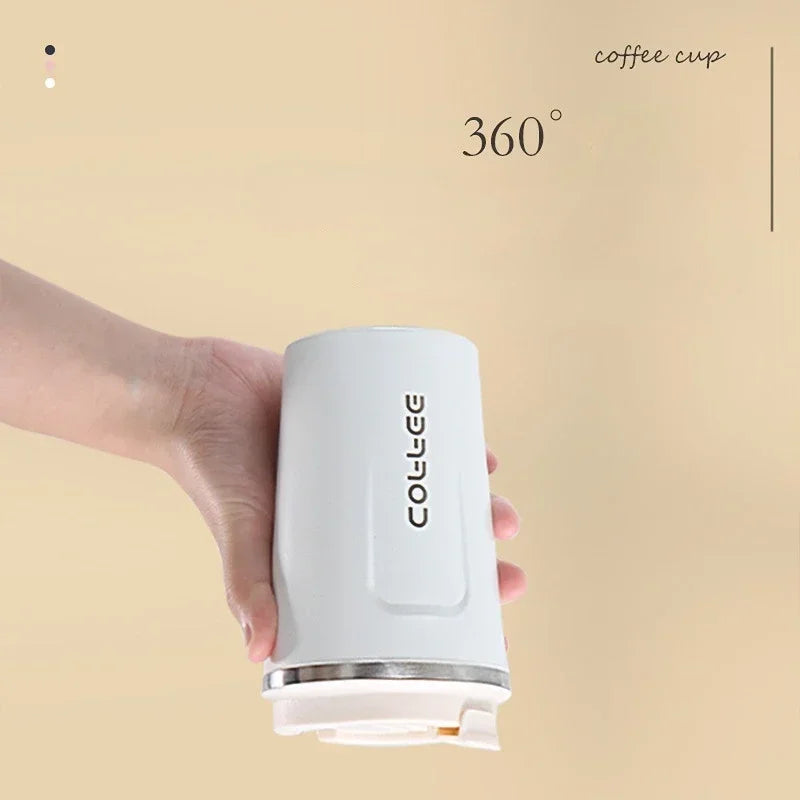
Experience the benefits of stainless steel cups with the KentDO Stainless Steel Thermal Mug .
What Is Stainless Steel Made Of — And Why It’s Safe for Drinkware
Key Elements (Iron, Chromium, Nickel)
Stainless steel is an alloy primarily made of iron, chromium, and sometimes nickel. Each element contributes to durability, corrosion resistance, and safety when used for drinking.
The Chromium Oxide Layer Explained
The key to stainless steel safety is a thin, invisible layer called chromium oxide. When chromium reacts with oxygen, it forms a protective barrier that prevents rust and blocks metals from leaching into beverages.
Why Nickel Is Used (and When It Matters)
Nickel improves corrosion resistance and strengthens the alloy. While safe for most people, individuals with nickel sensitivity may prefer low-nickel or nickel-free alternatives.
Discover more eco-friendly essentials in our Lifestyle collection .
What “Food-Grade Stainless Steel” Really Means
18/8 vs 18/10 Stainless Steel
These numbers refer to the percentage of chromium and nickel. Both grades offer strong corrosion resistance and are widely used in safe drinkware.
What Is 304 Stainless Steel?
304 stainless steel is the most common food-grade material used in mugs and cups. It is highly resistant to corrosion and does not react easily with beverages.
Are Cheap Stainless Steel Cups Safe?
Lower-quality cups may use inferior alloys that are more prone to rust or flavor transfer. Choosing certified food-grade stainless steel ensures better safety and durability.
Do Stainless Steel Cups Leach Metals Into Drinks? (Scientific Evidence)
What Research Says About Leaching
Studies show that high-quality stainless steel releases extremely small amounts of metals, far below safety limits set by organizations like the FDA and EFSA.
Acidic Drinks (Coffee, Lemon, Soda) — Real Impact
Acidic beverages may slightly increase trace metal release, but the amounts remain minimal and safe for daily consumption.
Does Heat Increase Metal Leaching?
Heat does not significantly increase leaching in food-grade stainless steel. Even with hot drinks, the material remains chemically stable.
Are Stainless Steel Cups Safe for Coffee, Tea, and Hot Drinks?
Heat Resistance and Stability
Stainless steel remains stable at temperatures far above those used for hot drinks, making it safe for coffee and tea.
Does Stainless Steel Affect Taste?
High-quality stainless steel does not alter taste. However, poorly made or unclean cups may cause a slight metallic flavor, especially with acidic drinks.
When Stainless Steel Drinkware May NOT Be Safe
Nickel Allergies and Sensitivity
People with nickel allergies may react to stainless steel containing nickel. Nickel-free alternatives may be preferable.
Low-Quality or Damaged Steel
Poor manufacturing can reduce corrosion resistance, increasing the risk of rust or leaching.
Long-Term Storage of Acidic Liquids
Extended storage of acidic drinks can gradually weaken the protective layer and increase metal migration.
Rust, Scratches, and Wear
Visible rust or deep scratches compromise the protective surface. Damaged cups should be replaced.
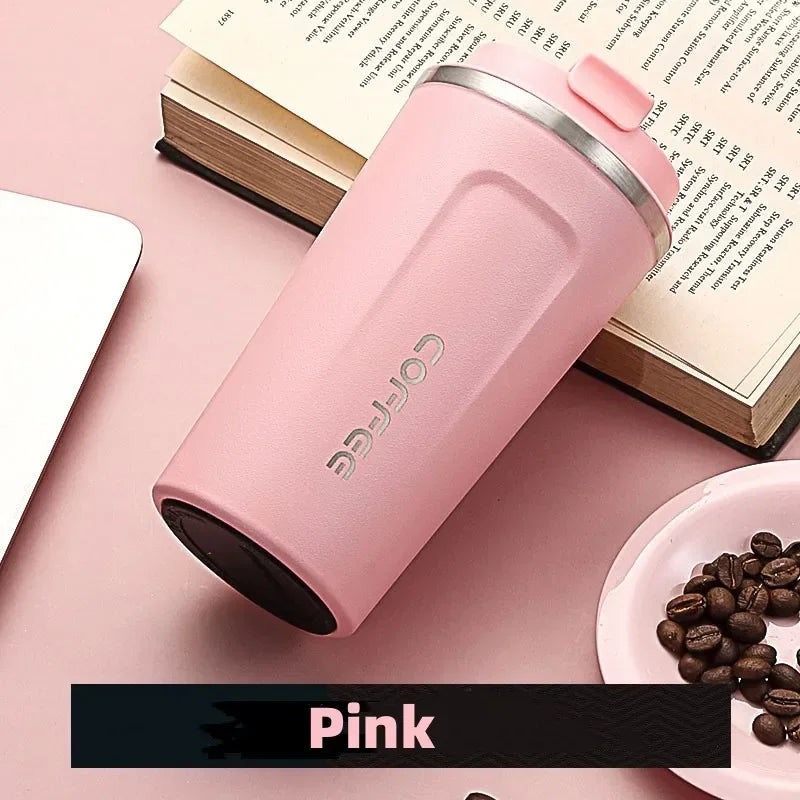
Explore how the best insulated travel coffee mug keeps your brew perfect on-the-go.
Stainless Steel vs Other Materials: Which Is Safest?
Stainless Steel vs Plastic (BPA & Microplastics)
Stainless steel does not contain BPA or release microplastics, making it a safer long-term option.
Stainless Steel vs Aluminum (Coatings & Reactivity)
Unlike aluminum, stainless steel does not rely on coatings to prevent chemical reactions.
Stainless Steel vs Glass (Purity vs Durability)
Glass is inert but fragile. Stainless steel offers similar safety with far greater durability.
| Material | Durability | Chemical Safety | Heat Retention | Eco-Friendliness |
|---|---|---|---|---|
| Stainless Steel | ✅ Excellent | ✅ Non-toxic | ✅ High | ✅ Fully recyclable |
| Plastic | ❌ Weak | ⚠️ Depends on type | ❌ Poor | ❌ Waste-producing |
| Glass | ⚠️ Fragile | ✅ Safe | ⚠️ Moderate | ✅ Recyclable |
| Ceramic | ⚠️ Moderate | ✅ Safe | ⚠️ Average | ✅ Sustainable |
Benefits of Stainless Steel Cups (Why People Choose Them)
Durability and Longevity
Resistant to breakage and long-lasting, stainless steel cups outperform glass and plastic in durability.
Eco-Friendliness
Reusable design reduces reliance on disposable cups and minimizes environmental impact.
Temperature Retention
Insulated designs keep drinks hot or cold longer, improving daily convenience.
Products such as the KentDO Stainless Steel Thermal Mug combine durability with excellent temperature control.
What Are the Cons of Using Stainless Steel Cups?
Metallic Taste Issues
Some users may notice a metallic taste, especially with low-quality products.
Not Microwave Safe
Stainless steel cannot be used in microwaves, limiting heating convenience.
Potential for Low-Quality Manufacturing
Not all stainless steel meets food-grade standards, making quality selection important.
How to Safely Use and Maintain Stainless Steel Cups
Cleaning Best Practices
- Wash regularly with mild soap and warm water
- Avoid abrasive scrubbers
- Use baking soda for deep cleaning
Preventing Corrosion or Damage
- Avoid prolonged exposure to acidic liquids
- Dry thoroughly after washing
Daily Usage Tips
- Use for water, coffee, and tea
- Replace if rust or deep scratches appear
Want to upgrade your self-care essentials? Check out Body Care and Health Devices or Skin and Beauty Care Devices .
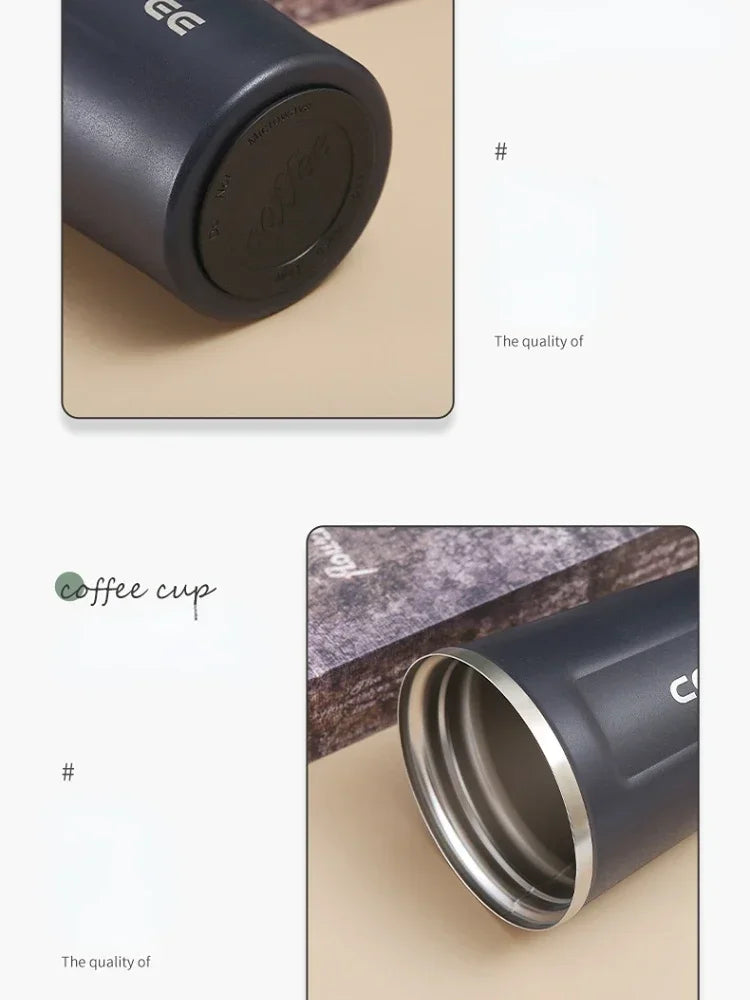
Discover the sleek design and long-lasting quality of the KentDO insulated mug.
FAQ: Are Stainless Steel Cups Safe to Drink From?
Are stainless steel cups safe for hot drinks?
Yes, they are heat-resistant and safe for hot beverages.
Is it safe to drink coffee from stainless steel?
Yes, coffee is safe to drink from stainless steel mugs.
Do stainless steel cups leach chemicals?
They may release trace metals, but levels are extremely low and safe.
Are metal cups safer than plastic?
Yes, stainless steel avoids BPA and microplastics.
Can stainless steel make drinks taste different?
High-quality stainless steel does not affect taste, but poor-quality cups might.
Pillar Article: Best Insulated Coffee Mug Travel Showdown: Top 7 Picks That Actually Keep Drinks Hot
Other Related Articles:
- How Many Ounces in a Tumbler? The Size Guide You Didn’t Know You Needed
- Best Insulated Coffee Mug with Handle Review: Comfort Meets All-Day Heat Retention
- Spill Proof Coffee Mugs Ranked: The 5 You Can Actually Trust in Your Bag
- Leak Proof Travel Tumbler Review: Which Models Survive the Drop Test?
Explore More:













