

Is a Stainless Steel Thermos Cup Safe for Tea? What You Need to Know About Leaching, 304 Steel, and Daily Use
Wondering are stainless steel cups safe for your morning brew or afternoon tea? Experts reveal how these durable alternatives compare to your best coffee thermos mug or vacuum insulated travel mug when it comes to keeping drinks pure, flavorful, and safe. Learn what research says about 304 stainless steel, 18/8 stainless steel, metal leaching, and whether the best thermal coffee cup options are suitable for everyday tea and coffee use.
⏱ 8 min read
Quick Answer: Is Stainless Steel Thermos Cup Tea Safety a Concern?
Yes, a food-grade stainless steel thermos cup is generally considered safe for tea when it is made from quality materials such as 304 or 316 stainless steel and used correctly. These materials are designed for food contact and are resistant to corrosion during normal use.
The main concerns are usually not immediate safety risks but factors such as possible metal leaching under extreme conditions, long-term storage of acidic drinks, and changes in tea flavor caused by heat and tannins.
Why Food-Grade Stainless Steel Is Commonly Used for Tea and Coffee
Stainless steel is widely used for drinkware because it is durable, non-porous, and does not easily react with beverages. High-quality stainless steel cups create a protective oxide layer that helps prevent corrosion and limits interaction between the metal surface and drinks.
- Food-grade stainless steel is non-toxic and BPA-free
- High resistance to corrosion and rust
- Safe for coffee, tea, hot chocolate, and water
- Minimal metal leaching during normal use
- Long lifespan compared with plastic drinkware
Are Stainless Steel Cups Safe to Drink From Every Day?
Yes, stainless steel cups are considered safe for everyday use when manufactured from food-grade stainless steel such as 304 (18/8) or 316 stainless steel. These materials are commonly used in kitchen equipment, beverage containers, and commercial food-processing systems because of their corrosion resistance and durability.
- Made from food-grade stainless steel (304/316)
- Resistant to rust, stains, and odors
- Free from BPA and many chemical additives found in plastics
- Suitable for hot and cold beverages
- Eco-friendly and reusable for years
The Difference Between Safety Risks and Taste Changes
One important distinction is that safety and flavor are not the same thing. A stainless steel thermos can remain completely safe while still affecting how tea tastes after several hours of storage. Most concerns about stainless steel drinkware relate to beverage quality rather than health risks.
As consumers move away from disposable cups and plastic containers, more people are asking whether stainless steel thermos cups are truly safe for tea and coffee. Understanding how stainless steel behaves under heat and prolonged beverage contact helps explain why it remains one of the most trusted drinkware materials available today.
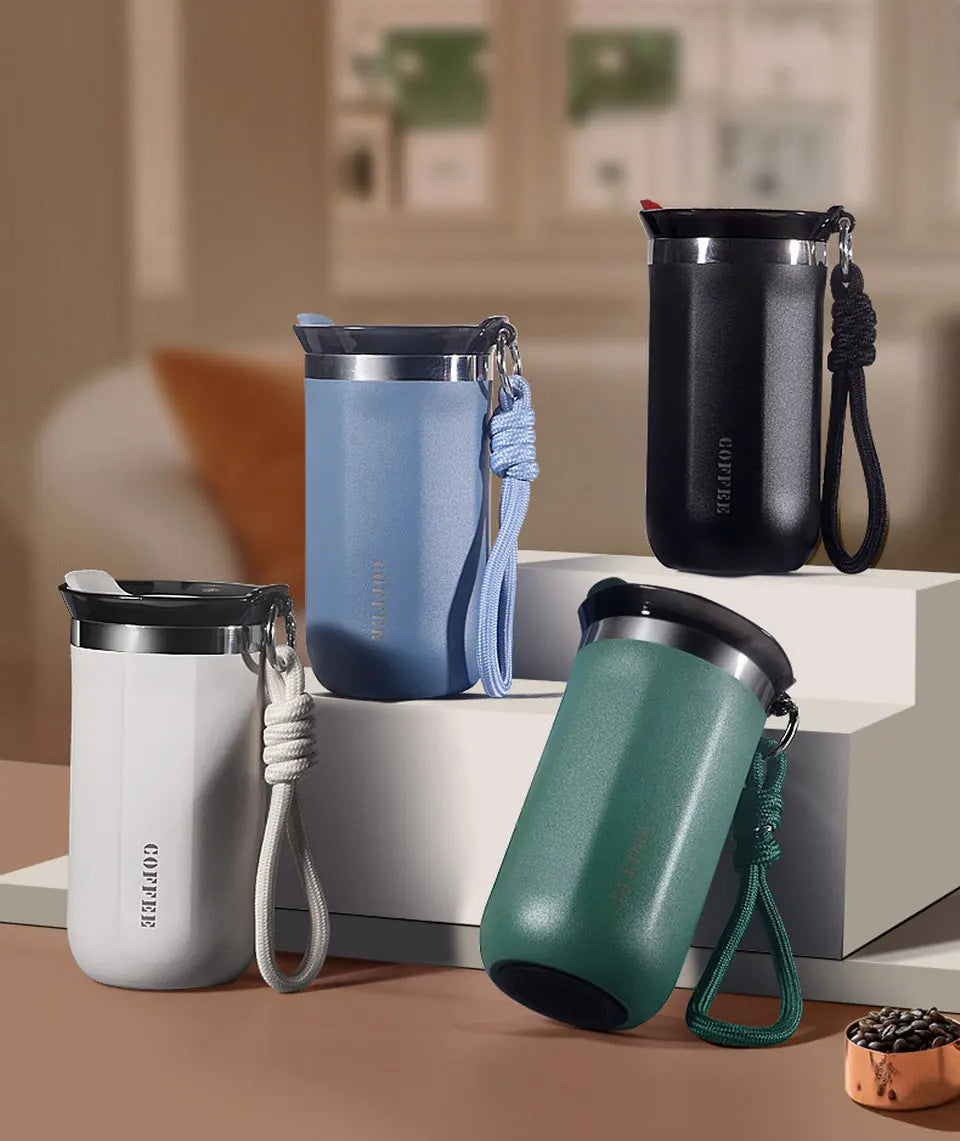
Explore how the best coffee thermos mug compares — and why stainless steel remains a popular choice for daily beverages.
Discover the best options for your lifestyle in our Lifestyle collection .
How Stainless Steel Drinkware Works
Understanding how stainless steel works helps explain why many people use stainless steel thermos cups for tea, coffee, and hot drinks every day.
What Makes Stainless Steel Resistant to Corrosion
Stainless steel contains chromium, which reacts with oxygen to form a thin protective oxide layer on the surface. This invisible barrier helps prevent rust, protects against corrosion, and reduces the likelihood of beverage interaction with the underlying metal.
Unlike many other metals, stainless steel continuously renews this protective layer when exposed to oxygen, helping maintain its long-term stability.
Why 304 and 316 Stainless Steel Are Used for Food Contact
304 stainless steel, often called 18/8 stainless steel, contains approximately 18% chromium and 8% nickel. It is one of the most common materials used in food containers, travel mugs, and reusable cups.
316 stainless steel contains additional molybdenum, providing enhanced resistance to corrosion. This makes it popular in premium drinkware and environments where stronger protection is desirable.
What Is 18/8 Stainless Steel? Is It Safe for Hot Coffee and Tea?
18/8 stainless steel is one of the most common materials used in stainless steel cups, thermoses, and travel mugs. The name refers to its approximate composition of 18% chromium and 8% nickel.
Because of its balance of durability, corrosion resistance, and affordability, 18/8 stainless steel has become the standard material for many high-quality insulated drink containers.
Does 18/8 Stainless Steel Leach Into Hot Drinks?
Under normal everyday conditions, food-grade 18/8 stainless steel is designed to resist corrosion and minimize metal transfer into beverages. Research shows that any trace metal release is typically extremely small and generally remains below recognized safety limits.
Poor-quality materials, damaged surfaces, or prolonged exposure to highly acidic liquids may increase the possibility of metal interaction, which is why reputable food-grade products are recommended.
Is 316 Stainless Steel Safer Than 304?
Both 304 and 316 stainless steel are widely accepted as suitable for food contact applications. The primary difference is corrosion resistance rather than safety.
For most tea and coffee drinkers, 304 stainless steel performs exceptionally well. However, 316 stainless steel offers additional protection in more demanding environments and premium products.
Does Stainless Steel Leach Metals Into Coffee or Tea?
Many consumers worry about chromium or nickel entering their beverages from stainless steel cups. In reality, the answer depends on the steel grade, product quality, surface condition, and how the container is used.
How Chromium and Nickel Exposure Works
Chromium and nickel are structural components within many stainless steel alloys. The protective oxide layer formed by chromium helps keep these metals stable and minimizes their release into beverages during normal use.
While laboratory testing can detect trace metal migration under certain conditions, typical exposure from quality food-grade drinkware remains very low.
Why Tea Acidity and Long Storage Time Matter
Tea and coffee are mildly acidic beverages. Although this acidity is generally not enough to damage food-grade stainless steel, storing beverages for extended periods can gradually affect flavor quality.
For most users, the greater concern is taste rather than safety. Long storage times may increase bitterness or alter aroma even when the thermos remains safe to use.
Why Tea Can Taste Different in a Stainless Steel Thermos
A stainless steel thermos can keep tea hot for many hours, but some users notice flavor changes over time. This is usually related to temperature retention and natural tea chemistry rather than a safety issue.
Tea Tannins, Temperature, and Flavor Changes
Tea contains tannins and antioxidants that continue reacting when exposed to heat for extended periods. The longer tea remains hot, the more likely it is to develop stronger bitterness or a flatter taste profile.
This process can occur regardless of whether the beverage is stored in stainless steel, glass, or ceramic containers.
Safety vs Beverage Quality: Two Different Concerns
A drink can remain safe while becoming less enjoyable to consume. Stainless steel thermos cup safety and tea flavor preservation are separate topics, and many concerns about metal containers actually relate to taste rather than health.
Are Stainless Steel Travel Mugs Safe for Daily Use?
Stainless steel travel mugs are specifically designed for repeated daily use. When made with food-grade stainless steel interiors, they are considered safe, durable, and suitable for both commuting and travel.
Insulated Thermos Safety Considerations
Most modern travel mugs use double-wall vacuum insulation. This design helps maintain beverage temperature while preventing excessive heat transfer to the outer surface.
The insulation system does not typically affect the stainless steel interior where the beverage is stored.
Lid Materials and BPA Concerns
Although the stainless steel body is usually the primary focus, the lid matters too. Choosing BPA-free lids helps ensure the entire drinking system meets modern safety expectations.
Which Drinks Are Safe (and Not Ideal) for Stainless Steel Thermos Cups?
Tea, Coffee, Water, and Hot Drinks
Food-grade stainless steel thermos cups are commonly used for:
- Black tea and green tea
- Coffee and espresso beverages
- Hot chocolate
- Water
- Herbal infusions
- Most non-carbonated hot beverages
Drinks to Avoid Long-Term Storage
Some beverages may be less suitable for prolonged storage because they can affect flavor, odor retention, or cleaning difficulty:
- Highly acidic fruit juices
- Dairy-based drinks
- Sugary beverages
- Carbonated drinks stored for long periods
While occasional use is generally not problematic, prompt cleaning helps maintain drink quality and hygiene.
Stainless Steel vs Other Drinkware Materials
Comparing common drinkware materials helps illustrate why stainless steel remains one of the most popular options for reusable cups and thermoses.
Stainless Steel vs Ceramic
Ceramic is non-reactive and safe, but it can chip or crack. Low-quality glazes may also raise concerns about heavy metal content.
Stainless Steel vs Plastic
Plastic is lightweight but may degrade over time and can raise concerns about chemical migration when exposed to heat.
Stainless Steel vs Aluminum
Aluminum is lightweight but generally more reactive than stainless steel and often relies on protective interior coatings.
Stainless Steel vs Glass
Glass is highly inert and taste-neutral but significantly more fragile for travel and commuting.
| Material | Safety | Durability | Heat Retention | Eco Impact |
|---|---|---|---|---|
| Stainless Steel | ✅ Non-reactive, BPA-free | ✅ Highly durable | ✅ Excellent with vacuum insulation | ✅ Recyclable, long lifespan |
| Plastic | ❌ May raise chemical concerns | ❌ Scratches easily | ❌ Limited insulation | ❌ Lower longevity |
| Glass | ✅ Safe and neutral | ❌ Fragile | ❌ Lower insulation | ✅ Recyclable |
| Ceramic | ✅ Safe when properly manufactured | ❌ Breakable | ✅ Moderate | ✅ Sustainable |
How to Use a Stainless Steel Thermos Cup Safely
Cleaning and Maintenance Tips
- Wash the cup regularly to prevent residue buildup.
- Use mild dish soap and warm water whenever possible.
- Avoid harsh bleach-based cleaners.
- Avoid using damaged cups with peeling coatings or severe scratches.
- Follow manufacturer cleaning recommendations.
- Allow the cup to dry completely before storage.
How Long Can Tea Stay in a Thermos?
For the best flavor experience, many tea drinkers prefer consuming tea within several hours rather than leaving it stored all day. While the thermos may safely maintain temperature for extended periods, taste and aroma often decline over time.
Regular cleaning and avoiding prolonged storage of leftover beverages can help preserve both flavor and hygiene.
Learn step-by-step how to clean and care for your stainless steel items in our Skin and Beauty Care Devices tips section.
Common Myths About Stainless Steel Cups
Myth: Stainless Steel Always Releases Toxic Metals
Food-grade stainless steel releases only trace amounts of metals during normal use, and high-quality products are specifically designed for food and beverage contact.
Myth: Coffee Immediately Reacts With Stainless Steel
Coffee is mildly acidic, but food-grade stainless steel is engineered to resist corrosion and beverage interaction.
Myth: All Stainless Steel Cups Are the Same
Quality varies considerably. Food-grade 304 and 316 stainless steel generally provide better corrosion resistance and performance than unknown or low-quality alloys.
Why the KentDO Thermal Mug Stands Out
For readers looking for a practical insulated mug, the KentDO Thermal Coffee Travel Mug combines food-grade 304 stainless steel construction with double-wall vacuum insulation to help maintain beverage temperature throughout the day.
Key Benefits
- Made from food-grade 304 stainless steel
- Double-wall vacuum insulation
- Leak-resistant lid design
- Suitable for hot and cold beverages
- Designed for commuting, office use, and travel
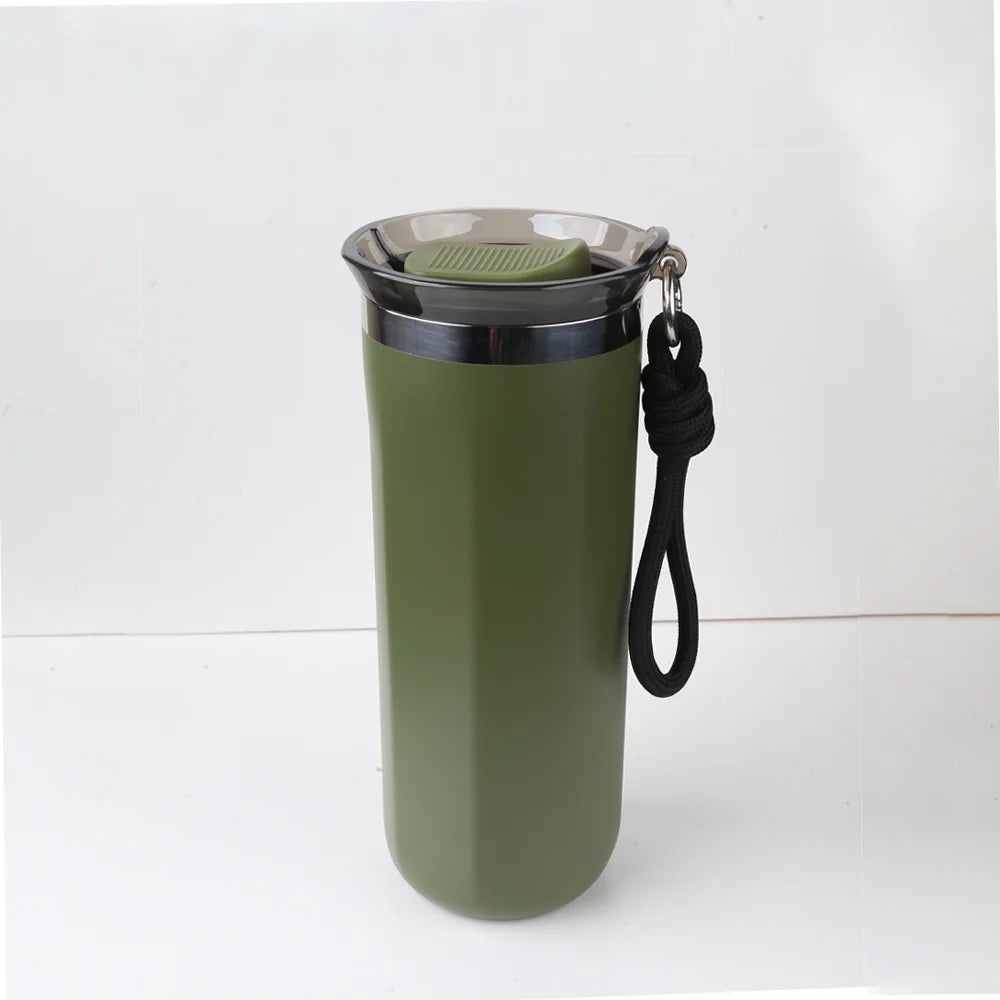
Experience your best thermal coffee cup — safe, practical, and built for everyday use.
| Pros | Cons |
|---|---|
| ✅ Excellent temperature retention | ❌ Slightly heavier than plastic alternatives |
| ✅ Food-grade stainless steel construction | ❌ Premium insulated mugs may cost more upfront |
Get yours now — limited stock! Shop KentDO Thermal Coffee Travel Mug .
FAQ: Stainless Steel Thermos Cup Tea Safety
Are stainless steel cups safe for hot drinks?
Yes, food-grade stainless steel cups are commonly used for hot drinks because they are durable, corrosion resistant, and designed for beverage contact.
Is it safe to drink coffee from stainless steel every day?
Yes, a quality stainless steel mug made from food-grade materials is generally suitable for daily coffee use.
Does stainless steel leach into coffee?
Under normal use, high-quality stainless steel is designed to minimize interaction with beverages and releases only trace amounts of metals.
Is 18/8 stainless steel safe for hot coffee?
Yes, 18/8 stainless steel is one of the most widely used materials in food and beverage containers because of its corrosion resistance and durability.
Are stainless steel travel mugs safe?
Yes, stainless steel travel mugs are commonly used for hot drinks when they are manufactured from food-grade materials and paired with BPA-free lids.
How do I know if a stainless steel mug is food-grade?
Look for labels such as 304 stainless steel, 18/8 stainless steel, or 316 stainless steel from reputable manufacturers.
Pillar Article: Best Coffee Travel Mug: 9 Reasons It’s the Only Morning Upgrade You Need
Other Related Articles:
Explore More:













