

ATV Helmet DOT Approved: Best Models Compared for Safety, Comfort & Value (2026)
⏱ 7 min read
Choosing an atv helmet dot approved model is one of the most important safety decisions you can make as a rider. Modern helmets combine certified impact protection with comfort, airflow, and lightweight construction—helping reduce fatigue while improving real-world safety on unpredictable terrain.
Best DOT Approved ATV Helmets (2026): Quick Picks by Rider Type
Here are the best DOT approved ATV helmets based on rider needs, budget, and riding style—so you can decide fast without overthinking.
Best Overall DOT Approved ATV Helmet
- Balanced safety, airflow, and comfort
- Ideal for all-terrain riders
- Mid-range price with strong value
Best Budget DOT Approved ATV Helmet
- Affordable DOT-certified protection
- Durable ABS shell construction
- Best for beginners or occasional riders
Best Premium Full Face ATV Helmet
- Lightweight composite or carbon shell
- Quieter ride with better aerodynamics
- Best for aggressive or long-distance riders
Best Lightweight ATV Helmet
- Reduces neck fatigue on long rides
- Optimized weight-to-protection ratio
- Great for endurance trail riders
Best for Trail & Off-Road Riding
- Maximum ventilation and airflow
- Extended visor for sun and debris protection
- Goggle compatibility
Best DOT Approved UTV Helmet
- Works for both ATV and UTV use
- Strong retention system and durability
- Ideal for mixed terrain riding
Best Youth ATV Helmet
- Smaller sizing with proper fit design
- Lightweight for reduced strain
- Essential for young rider safety
Quick Comparison: Best DOT Approved ATV Helmets (Side-by-Side Table)
Here’s a quick comparison of the best DOT approved ATV helmets based on weight, shell material, ventilation, and price range to help you decide fast.
- Best Overall: Balanced safety, comfort, and airflow
- Best Budget: Affordable DOT certified protection
- Best Premium: Lightweight, quiet, and high-end materials
- Best Lightweight: Reduced neck fatigue for long rides
- Best Off-Road: Maximum ventilation and visor design
Key comparison factors: DOT certification, shell material (ABS vs composite), weight, ventilation, and real-world comfort.
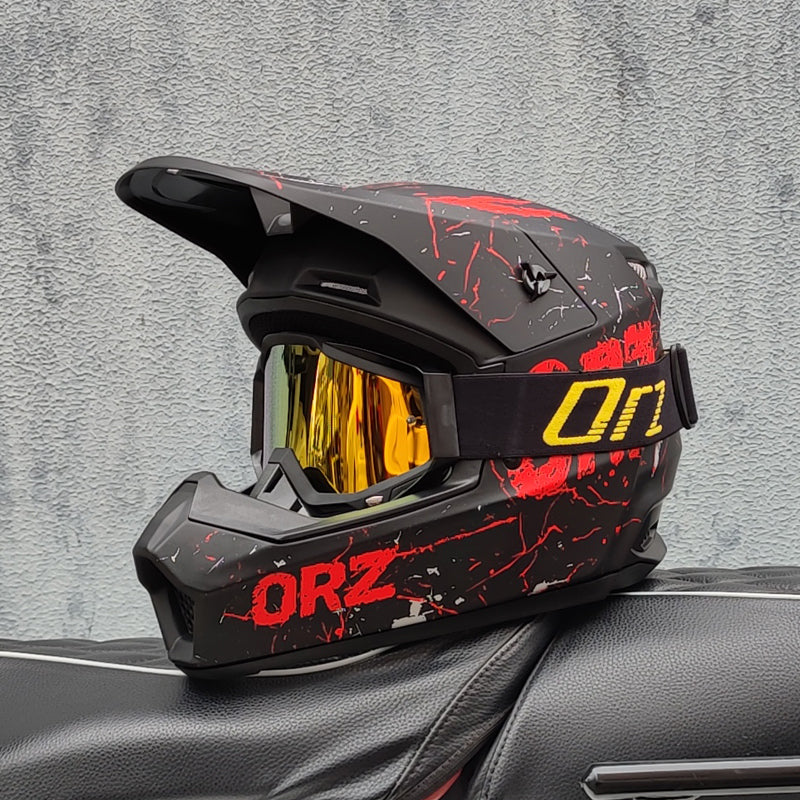
Advanced atv helmet dot approved protection meets full face atv helmet comfort See it in action
What Does DOT Approved Mean for ATV Helmets?
What Is a DOT Approved Helmet?
A DOT approved helmet meets the FMVSS 218 safety standard set by the U.S. Department of Transportation. It ensures the helmet can absorb impact, resist penetration, and stay securely fastened during a crash.
DOT vs Snell vs ECE Certifications
- DOT: Mandatory U.S. baseline for road legality and safety
- Snell: Voluntary, higher impact testing standards
- ECE: European certification with broader testing scenarios
While DOT is the minimum requirement, helmets with additional certifications often provide enhanced protection.
Why DOT Certification Matters for ATV Riding
- Impact protection: Reduces head injury risk
- Retention system strength: Keeps helmet securely in place
- Penetration resistance: Protects against debris
For ATV and UTV riders, DOT certification is the essential safety baseline—not just a label.
How We Tested and Ranked These DOT Approved ATV Helmets
We evaluated helmets using real-world riding conditions, not just manufacturer specs.
- Safety compliance: Verified DOT certification and construction
- Comfort over time: Fit and pressure during long rides
- Ventilation: Airflow in hot and dusty environments
- Weight: Impact on neck fatigue
- Noise: Wind resistance at trail speeds
- Durability: Long-term wear and interior quality
Detailed Reviews: Best DOT Approved ATV Helmets
Best Overall DOT Approved ATV Helmet
Designed for versatility across terrains with balanced protection and comfort.
- Strong airflow for trail riding
- Balanced weight and durability
- Ideal for most riders
Best Budget DOT Approved ATV Helmet
Affordable helmets that still meet safety requirements.
- Lower cost without sacrificing protection
- Durable ABS shell
- Basic but functional ventilation
Best Premium Full Face ATV Helmet
High-end protection for serious riders.
- Composite or carbon shell
- Reduced noise
- Superior comfort
Best Lightweight ABS Shell ATV Helmet
Designed to reduce fatigue while maintaining safety.
- Lightweight construction
- Comfort for long rides
- Strong value option
Best Trail & Off-Road Helmet
- High airflow ventilation
- Extended visor
- Goggle-ready design
Best DOT Approved UTV Helmet
- Multi-purpose use
- Durable build
- Secure retention system
Best Youth ATV Helmet
- Proper sizing for kids
- Lightweight design
- Essential safety fit
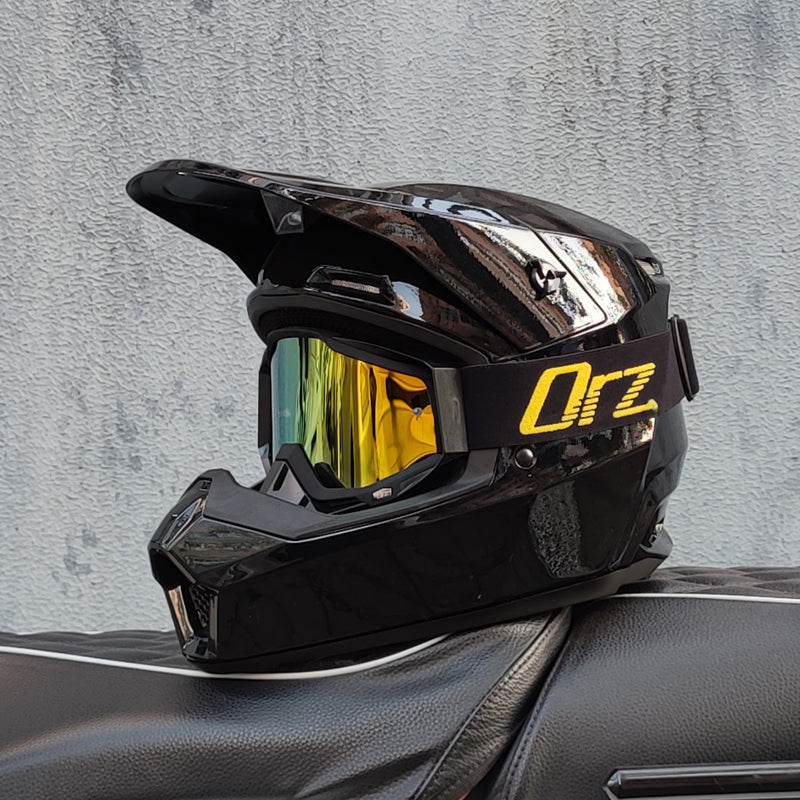
Offroad motorcycle helmet airflow meets atv helmet safety engineering See it in action
Full Face ATV Helmet vs Off-Road Motorcycle Helmet
Key Differences That Impact Safety and Comfort
- Full face ATV helmet: Maximum protection and quieter ride
- Off-road motorcycle helmet: Better ventilation and lighter feel
When to Choose Each Type
Choose full face for speed and cold conditions. Choose off-road designs for hot climates and technical trails.
ABS Shell vs Composite Shell: Which Helmet Material Is Better?
Pros and Cons of ABS Shell Helmets
- Cost-effective and durable
- Strong impact distribution
- Slightly heavier
When to Upgrade to Fiberglass or Carbon Fiber
Advanced riders benefit from lighter weight, better aerodynamics, and long-term durability.
How to Choose the Best DOT Approved ATV Helmet
Find the Right Helmet Size
A snug fit without pressure points is critical. Always measure your head and check sizing charts.
Choose the Right Riding Style
Match helmet type to terrain—trail, racing, or recreational riding.
Ventilation and Comfort
Look for adjustable vents and breathable padding for long rides.
Weight and Neck Fatigue
Lighter helmets reduce strain on rough terrain.
Safety Certifications Beyond DOT
Consider helmets with Snell or ECE ratings for added protection.
After long trail rides, recovery and muscle relaxation can improve riding endurance. Riders exploring wellness recovery options often browse the Body Care and Health Devices collection for recovery support tools.
Real-World Performance: Comfort, Noise, and Durability Over Time
- Comfort: Padding quality matters more than first fit
- Noise: Aerodynamics affect fatigue
- Durability: Liners wear out faster than shells
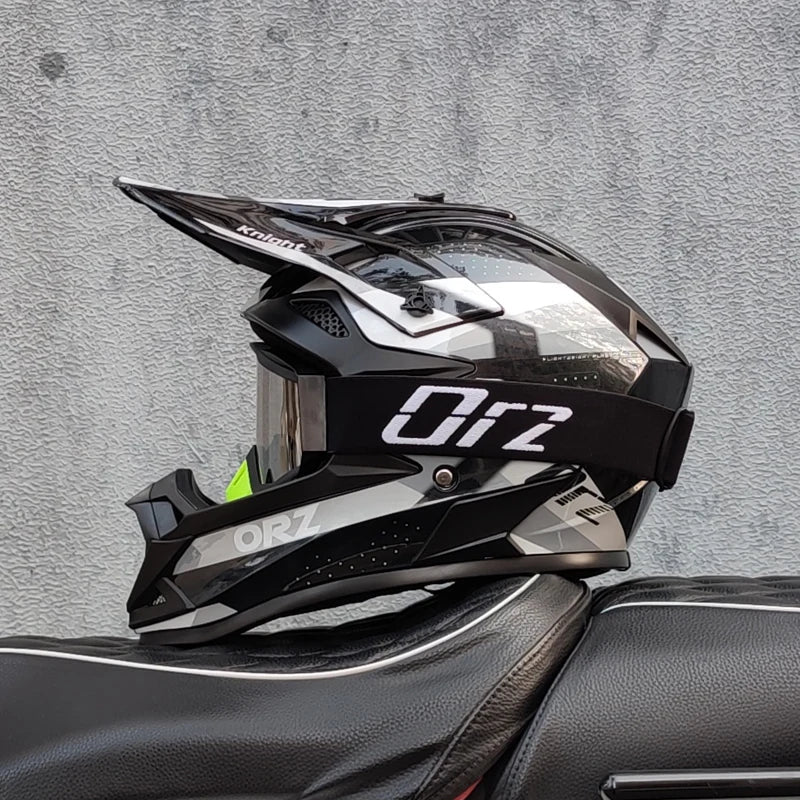
Full face atv helmet design combining abs shell material and offroad motorcycle helmet ventilation See it in action
Are DOT Approved Helmets Safe for ATV Riding?
Common Safety Mistakes Riders Make
- Choosing the wrong size
- Ignoring proper strap adjustment
- Using damaged or old helmets
When to Replace Your Helmet
Replace every 3–5 years or immediately after a crash. Foam degradation reduces protection over time.
DOT approved helmets are safe—but only when properly fitted and matched to your riding conditions.
Common Mistakes When Buying an ATV Helmet
- Buying based on price alone
- Ignoring certification labels
- Choosing poor ventilation designs
- Wearing incorrect sizes
- Keeping helmets beyond safe lifespan
Frequently Asked Questions About DOT Approved ATV Helmets
How long does an ATV helmet remain safe to use?
Typically 3–5 years, or immediately after impact.
Are offroad motorcycle helmets safe for ATV riding?
Yes, as long as they are DOT certified and properly fitted.
Does ABS shell material provide enough protection compared to fiberglass?
Yes. ABS offers excellent durability and impact distribution for most riders.
What is DOT certification for ATV helmets?
It confirms compliance with federal safety standards for impact, retention, and penetration resistance.
Can you use DOT approved UTV helmets for ATV riding?
Yes, if they fit properly and match your riding style.
Related Guide: DOT Approved Motorcycle Helmet: Best Picks Compared













