

Automatic Temperature Control in a Car: How It Works and How to Use It Correctly
⏱ 6 min read
Have you ever set your car's cabin temperature only to feel too warm a few minutes later or too cold after the system adjusts? Automatic temperature control is designed to maintain a consistent cabin environment without constant manual changes. By understanding how this automotive climate control system operates, you can improve comfort, reduce unnecessary HVAC adjustments, and help the system work more efficiently in both hot and cold weather.
Explore smart comfort solutions in Lifestyle .
Automatic temperature control basics explained — See it in action
What Is Automatic Temperature Control in a Car?
Automatic temperature control is an automotive climate control feature that automatically maintains your selected cabin temperature by adjusting heating, air conditioning, airflow direction, and fan speed. Rather than manually changing HVAC controls throughout your drive, you simply choose a preferred temperature while the system continuously makes small adjustments to keep the cabin comfortable.
Modern automatic climate control systems combine electronic sensors, an HVAC control module, and mechanical components to monitor interior and exterior conditions. The system compares the actual cabin temperature with the driver's selected setting and responds by increasing heating, cooling, or airflow whenever necessary.
Unlike manual air conditioning systems that require frequent adjustments, automatic temperature control continuously fine-tunes cabin conditions. This provides more consistent comfort during changing weather, varying sunlight levels, stop-and-go traffic, and longer highway trips.
Many newer vehicles also include features such as dual-zone climate control, ambient temperature sensing, and solar load compensation, allowing the HVAC system to respond intelligently without requiring constant driver input.
How Automatic Temperature Control Works (Step-by-Step)
Automatic temperature control works through a continuous feedback process that measures cabin conditions, compares them with your desired temperature, and automatically adjusts the HVAC system. Instead of operating like a simple on/off air conditioner, the system constantly balances heating, cooling, blower speed, and air distribution to maintain a stable interior environment.
- The driver selects a target temperature. Choosing a setting such as 72°F establishes the cabin temperature the system will continuously maintain.
- Temperature sensors collect real-time information. Interior sensors measure cabin air temperature, while many vehicles also monitor outside temperature and sunlight intensity to predict changing heat loads.
- The HVAC control module processes the data. The climate control computer compares the current cabin conditions with the selected temperature and determines the most efficient response.
- Heating or cooling output is adjusted automatically. If the cabin is warmer than desired, the air conditioner increases cooling. If it's colder, the heater gradually raises cabin temperature using heat from the engine's cooling system.
- Fan speed and airflow are optimized. The blower motor may initially run faster to reach the target temperature more quickly before automatically slowing down to maintain consistent comfort with less noise.
- A continuous feedback loop maintains stability. As occupants enter the vehicle, outside temperatures change, or sunlight increases, the sensors detect these changes and the HVAC system makes small corrections without requiring manual intervention.
Because this monitoring process operates continuously, automatic climate control delivers more consistent cabin temperatures than manual HVAC systems while reducing the need for frequent adjustments during everyday driving.
Key Components of an Automatic Climate Control System
An automotive temperature control system combines electronic controls with mechanical HVAC components to maintain a comfortable cabin temperature. Each part performs a specific function, and together they create a responsive system that can automatically heat, cool, and circulate air based on changing driving conditions.
Temperature Sensors
Cabin temperature sensors continuously monitor the interior air temperature. Their readings allow the HVAC control module to determine whether additional heating or cooling is needed to reach the driver's selected temperature.
Sunlight and Ambient Sensors
Many vehicles use both ambient air temperature sensors and solar load sensors. The ambient sensor measures outside air temperature, while the sunlight sensor detects solar heat entering through the windshield. Together, they help the system anticipate temperature changes before passengers notice them.
HVAC Control Module
The HVAC control module serves as the system's electronic control center. It processes information from multiple sensors, calculates the most efficient operating strategy, and commands the heater, air conditioner, blower motor, and blend door actuators to maintain a stable cabin climate.
Blend Doors and Actuators
Blend doors regulate how much heated and cooled air enters the ventilation ducts. Electric actuators precisely position these doors to achieve the desired outlet temperature while also directing airflow toward the dashboard vents, floor vents, or windshield when required.
Fan and Compressor Control
The blower motor controls airflow volume, while the air conditioning compressor provides cooling when needed. Automatic climate control continuously adjusts both components to reach the target temperature quickly before reducing output to improve comfort, reduce noise, and minimize unnecessary energy use.
Automatic Climate Control vs Manual Car Temperature Control
Both manual HVAC systems and automatic climate control systems provide heating and cooling, but they operate very differently. The key distinction is whether the driver or the vehicle manages temperature adjustments after a desired setting has been selected.
Manual HVAC
With a manual HVAC system, the driver controls fan speed, air distribution, air conditioning, and temperature using separate controls. Changes in outside weather, sunlight, or passenger load often require repeated manual adjustments throughout the journey.
Manual systems are generally simpler, less expensive to repair, and found in many entry-level vehicles. However, maintaining consistent cabin comfort depends entirely on driver input.
Single-Zone Automatic Climate Control
Single-zone automatic climate control allows the driver to choose one target temperature for the entire cabin. The system automatically adjusts heating, cooling, blower speed, and airflow direction to maintain that setting with minimal intervention.
This design offers greater comfort during changing weather while reducing the need to constantly adjust climate controls.
Dual Automatic Temperature Control
Dual automatic temperature control divides the front cabin into separate climate zones, allowing the driver and front passenger to select different temperature settings. Independent blend doors and sensors help maintain each zone without significantly affecting the other.
This feature is especially beneficial on long trips or whenever occupants have different comfort preferences, making it one of the most popular upgrades available in modern vehicles.
Which System Is Better?
For most drivers, automatic climate control provides the better overall experience because it maintains a more consistent cabin temperature, minimizes distractions, and responds automatically to changing environmental conditions.
| Feature | Manual HVAC | Automatic Climate Control |
|---|---|---|
| Temperature consistency | Moderate | Excellent |
| Driver adjustments | Frequent | Minimal |
| Passenger comfort | Depends on manual settings | Consistently maintained |
| Dual-zone capability | Typically unavailable | Available on many models |
| Maintenance complexity | Lower | Moderate due to additional sensors and electronics |
Although automatic temperature control systems include more electronic components than manual HVAC systems, routine maintenance such as replacing cabin air filters and servicing the air conditioning system helps keep either design operating efficiently for years.
How Dual Automatic Temperature Control Improves Comfort
Dual automatic temperature control gives the driver and front passenger independent control over their preferred cabin temperatures. Instead of compromising on a single setting, each side of the vehicle automatically maintains its own climate zone, making everyday commuting and long-distance travel more comfortable for everyone.
Direct answer: Dual automatic temperature control improves comfort by using separate temperature settings, blend doors, and airflow management for each side of the front cabin. The HVAC control module continuously adjusts heating, cooling, and fan operation to maintain each occupant's selected temperature.
This feature is especially useful when one passenger prefers a cooler environment while another prefers a warmer cabin. Rather than repeatedly adjusting the controls, the system automatically balances both zones with minimal driver intervention.
| Feature | Single Zone | Dual Zone |
|---|---|---|
| Individual temperature settings | ❌ One setting for all occupants | ✅ Separate driver and passenger settings |
| Passenger comfort | ⚠️ Shared compromise | ✅ Personalized climate |
| Automatic temperature regulation | ✅ Yes | ✅ Independent for each zone |
| Long-distance driving comfort | Good | Excellent |
| Ease of operation | ✅ Simple | ✅ Simple after initial setup |
Many premium vehicles extend this concept further with three-zone or four-zone climate control systems, allowing rear passengers to select their own temperature preferences as well.
Dual automatic temperature control in cars — See it in action
How to Use Automatic Temperature Control the Right Way
Automatic climate control performs best when the system is allowed to manage cabin conditions with minimal manual intervention. Following a few simple operating habits helps maintain a comfortable interior temperature, improves HVAC efficiency, and reduces unnecessary adjustments during your drive.
Set Your Preferred Temperature
Select a comfortable cabin temperature instead of constantly adjusting the controls. For most drivers, a setting between 70°F and 74°F (21°C to 23°C) provides a good balance between comfort and energy efficiency. Once selected, the automatic temperature control system will regulate heating, cooling, and airflow to maintain that temperature.
Use the AUTO Mode
Press the AUTO button whenever possible. In this mode, the HVAC control module automatically manages blower speed, air distribution, air conditioning operation, and heating output. Although the fan may initially operate at a higher speed, it will gradually slow once the cabin reaches the desired temperature.
Use Recirculation When Appropriate
Recirculation mode is most effective during very hot weather because it cools already-conditioned cabin air instead of continuously drawing in warm outside air. During cooler weather or when the windows begin to fog, switching back to fresh-air mode can improve ventilation and reduce interior moisture.
Use Defrost and Demist Functions Correctly
When the windshield fogs or frosts, use the dedicated defrost setting instead of increasing the cabin temperature alone. Most automatic climate control systems automatically direct airflow toward the windshield while activating the air conditioner to remove excess humidity, clearing the glass more quickly.
Why Your Car Is Slow to Heat Up (and How to Fix It)
It's normal for a vehicle to take several minutes to produce warm air after a cold start. Unlike the air conditioner, the heater depends on hot engine coolant circulating through the heater core. Until the engine reaches its normal operating temperature, the HVAC system has limited heat available.
Direct answer: A car is slow to heat up because the engine must warm the coolant before the heater core can transfer heat into the cabin. Automatic climate control systems often delay high fan speeds until warm air is available, preventing an uncomfortable blast of cold air.
If your vehicle consistently takes much longer than expected to warm up or never produces sufficient heat, a mechanical problem may be present. Common causes include a thermostat stuck open, low engine coolant, trapped air in the cooling system, or a partially clogged heater core.
- Start the engine and select your preferred cabin temperature.
- Leave the HVAC system in AUTO mode.
- Avoid immediately selecting the maximum heat setting, as this will not warm the cabin faster.
- Allow the engine to reach normal operating temperature before expecting full heating performance.
- If heating remains weak after the engine is fully warm, inspect the cooling system or have the HVAC system professionally diagnosed.
Smarter climate control for everyday comfort — See it in action
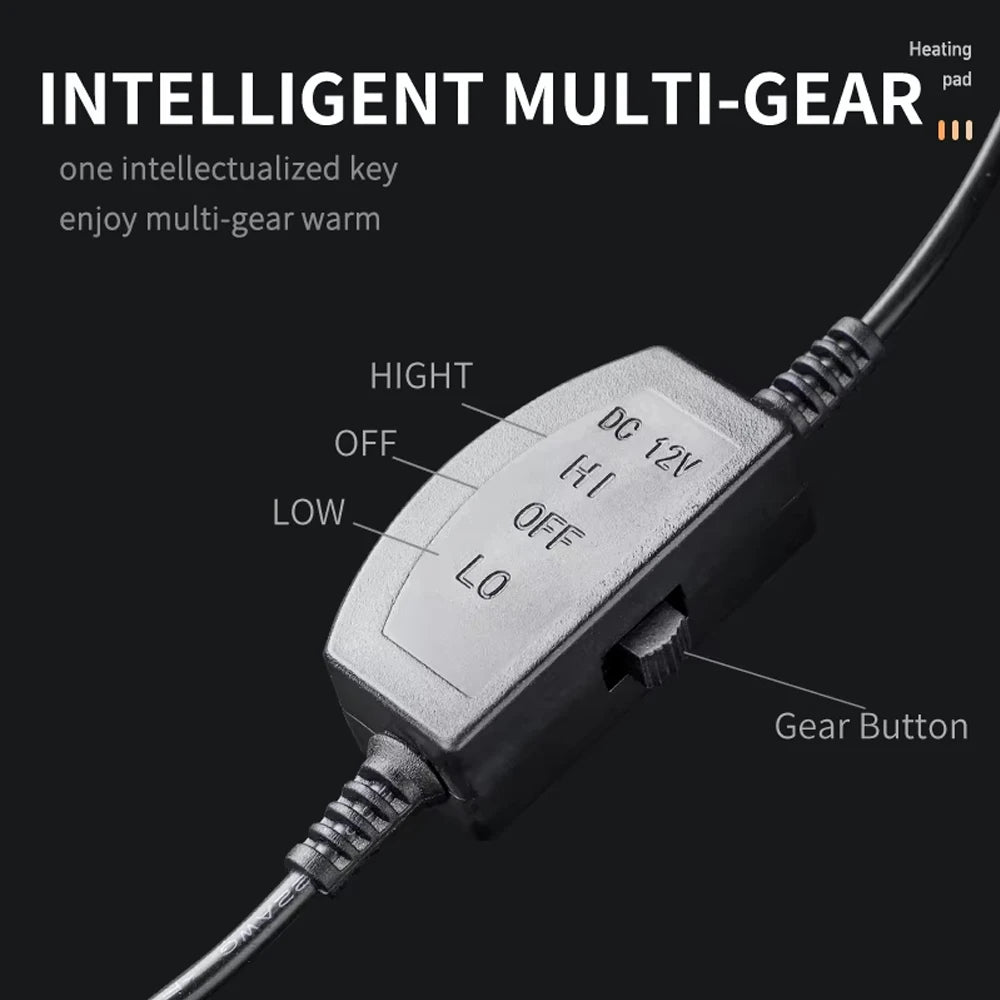
Upgrade your cold-weather comfort with the Heated Car Seat Cover .
Quick FAQ About Automatic Temperature Control in Cars
What is an automotive temperature control system?
An automotive temperature control system is the vehicle's HVAC (heating, ventilation, and air conditioning) system that regulates cabin temperature, airflow, humidity, and air distribution. Automatic climate control models use sensors and electronic controls to maintain a selected cabin temperature with minimal driver input.
What is automatic temperature control in a car?
Automatic temperature control is a climate control feature that automatically adjusts heating, air conditioning, blower speed, and airflow direction to maintain the temperature selected by the driver or passengers.
How does automatic temperature control work?
The system gathers information from cabin, ambient, and sunlight sensors. The HVAC control module compares these readings with the selected temperature and automatically adjusts the heater, air conditioner, blower motor, and blend doors to keep the cabin comfortable.
What is the difference between automatic climate control and manual HVAC?
Manual HVAC requires the driver to adjust temperature, fan speed, and airflow whenever conditions change. Automatic climate control continuously monitors cabin conditions and makes those adjustments automatically, resulting in more consistent comfort.
What is dual automatic temperature control?
Dual automatic temperature control allows the driver and front passenger to select different temperature settings. The HVAC system independently regulates each climate zone using separate airflow controls and blend doors.
Why is my car slow to heat up?
Most vehicles need time for the engine coolant to reach operating temperature before the heater core can produce warm air. If heating remains poor after the engine has warmed up, the thermostat, coolant level, or heater core may need inspection.
Can a bad thermostat affect cabin temperature?
Yes. A thermostat stuck open can prevent the engine from reaching normal operating temperature, causing weak cabin heat and longer warm-up times. A thermostat stuck closed may contribute to engine overheating while also affecting HVAC performance.
Why does my car blow hot air instead of cold?
Warm air from the vents may indicate low refrigerant, a malfunctioning compressor, a faulty blend door actuator, or an HVAC control issue. If the problem persists, the air conditioning system should be inspected by a qualified technician.
Does automatic climate control save fuel?
Automatic climate control does not necessarily reduce fuel consumption, but it can improve HVAC efficiency by avoiding unnecessary compressor operation and excessive blower speeds. Fuel economy is generally comparable to using a manual air conditioning system correctly.
How often should an automotive HVAC system be serviced?
Inspect the cabin air filter during routine maintenance and replace it according to your vehicle manufacturer's schedule. The air conditioning system, refrigerant level, and cooling system should also be checked periodically to maintain reliable heating and cooling performance.
Related Guide: How to Warm Car Seats Fast on Cold Mornings













