

Best Robot Window Cleaner: Do They Really Work?
A robot window cleaner uses powerful suction, intelligent navigation, and reusable microfiber pads to clean glass with minimal effort. For regular maintenance, an automatic window cleaning robot removes dust, fingerprints, pollen, and light grime while significantly reducing the time spent cleaning windows manually.
In real-world use, the best robot window cleaner delivers the greatest value for homes with large windows, high-rise apartments, and anyone who wants safer, hands-free cleaning. While it won't completely eliminate occasional deep cleaning, it keeps glass consistently cleaner between manual washes and dramatically reduces routine maintenance.
Robot Window Cleaner Machine Review: Real Results After Daily Use
⏱ 7 min read
Ever bought a gadget that promised spotless results only to end up unused in a closet? If you're wondering whether a robot window cleaner machine is worth the investment, this guide shares realistic expectations, actual cleaning performance, and practical buying advice based on everyday home use.
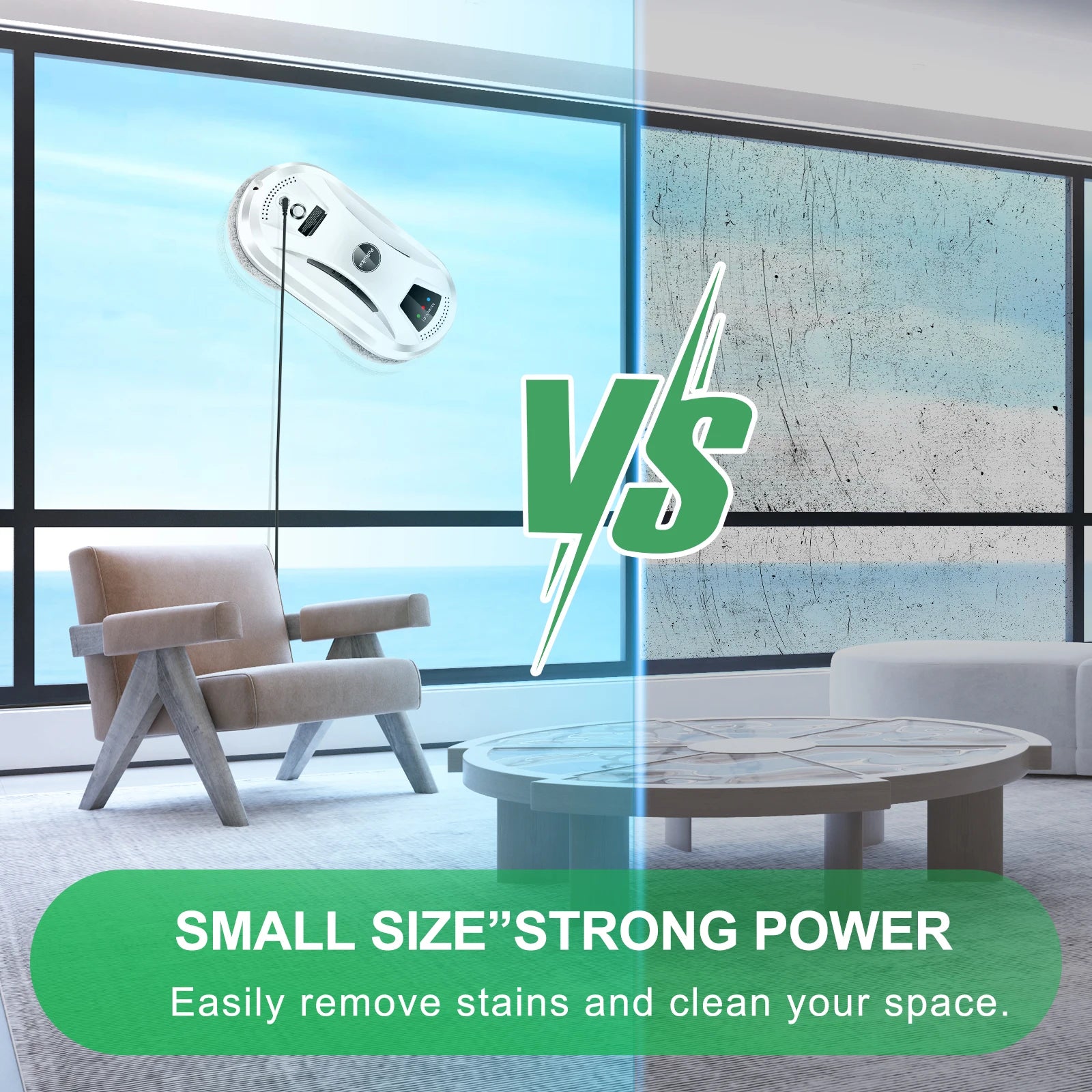
Robot window cleaner machine during everyday use.
How Does a Robot Window Cleaner Work?
Suction Technology
A robotic glass cleaner creates continuous vacuum suction that keeps it securely attached to vertical glass. As the motor maintains pressure, microfiber pads scrub away everyday dirt while the robot moves across the surface.
AI Navigation & Edge Detection
Modern smart window cleaning devices use sensors and navigation algorithms to detect window edges, map cleaning paths, and avoid repeatedly covering the same areas. Edge detection is especially valuable for frameless glass where clear boundaries are limited.
Cleaning Pads & Motion Patterns
Washable microfiber pads lift dust, fingerprints, and light grime while zigzag or overlapping movement patterns maximize coverage. Changing or washing the pads regularly helps maintain streak-free performance.
Power Cord & Backup Battery Safety
Most robot window cleaners operate while plugged into household power and include an internal backup battery that keeps suction active briefly during power interruptions. A safety rope provides an additional layer of protection when cleaning exterior or elevated windows.
Best Robot Window Cleaner Comparison
| Feature | Entry-Level Models | Premium Models |
|---|---|---|
| Performance | Excellent for light weekly cleaning | Better suction for larger and dirtier windows |
| Glass Compatibility | Best on framed windows | Suitable for framed and many frameless windows |
| Noise & Ease of Use | Simple controls with moderate noise | Quieter operation with app scheduling and smart navigation |
| Value for Money | Ideal for smaller homes | Better long-term investment for frequent use and large glass areas |

Comparing robot window cleaners in real apartments.
Window Cleaning Robot Reviews: Real-World Performance
Cleaning Quality & Streak Prevention
Robot window cleaners perform best as maintenance tools. Regular cleaning prevents heavy buildup and keeps windows looking consistently clear. Fresh microfiber pads and the proper cleaning solution significantly reduce streaks.
Framed vs Frameless Windows
Most robots perform exceptionally well on framed windows because the frame provides clear boundaries. Premium models equipped with advanced edge detection also clean many frameless installations safely when used according to manufacturer instructions.
Large Windows & High Glass
Large picture windows, glass walls, and high-rise apartments benefit the most from automated cleaning. Instead of climbing ladders or reaching difficult areas, homeowners can monitor the robot while it completes repetitive cleaning tasks.
Maintenance Requirements
Routine maintenance is minimal. Clean the microfiber pads after each session, inspect the suction vents for dust, and replace worn pads as recommended to maintain optimal cleaning performance.
- Pros: Saves time, reduces repetitive work, improves safety on tall windows, delivers consistent maintenance cleaning, and offers convenient app or remote operation.
- Cons: Initial setup requires a few minutes, textured or heavily soiled glass may still need manual cleaning, and premium models cost more than traditional window tools.
- Manual cleaning is still helpful: Removing paint, hard water stains, adhesive residue, or thick outdoor grime generally requires occasional hand cleaning.
- Long-term ownership: Operating costs remain low since maintenance mainly involves washing or replacing microfiber pads.
Is a Robot Window Cleaner Safe?
Safety Cords & Backup Battery
Quality models include durable safety ropes and emergency backup batteries that temporarily maintain suction if household power is interrupted.
Edge Detection
Built-in sensors continuously monitor window boundaries, helping prevent accidental movement beyond the glass edge while maintaining complete cleaning coverage.
Indoor vs Outdoor Use
Robot window cleaners are suitable for both indoor and outdoor glass when weather conditions are dry. Avoid operating them during rain, high winds, or on icy surfaces, as moisture can reduce cleaning effectiveness.
Who Should Buy a Robot Window Cleaner?
Homes with Large Windows
Large glass panels require significant time to clean manually, making robotic cleaners especially worthwhile.
Apartments & High-Rise Living
Residents with difficult-to-reach exterior windows benefit from safer cleaning without leaning outside or using ladders.
Busy Families
Anyone with limited free time can maintain cleaner windows more consistently by scheduling automated cleaning sessions.
People with Limited Mobility
Older adults and individuals who find repetitive reaching or climbing uncomfortable often appreciate the convenience of hands-free window cleaning.
Those with only a few small windows that are cleaned infrequently may find traditional manual tools sufficient.
Buying Guide: How to Choose the Right Robot Window Cleaner
Suction Power
Higher suction improves stability and cleaning confidence, particularly on larger vertical windows.
Navigation System
Look for intelligent path planning and reliable edge detection to reduce missed spots and improve efficiency.
Glass Compatibility
Confirm compatibility with framed, frameless, tinted, or double-glazed windows before purchasing.
Maintenance & Replacement Pads
Choose a model with washable microfiber pads that are easy and affordable to replace when worn.
Budget vs Premium
Entry-level robots handle routine household maintenance well, while premium models typically offer stronger suction, smarter navigation, quieter operation, and better performance on larger windows.
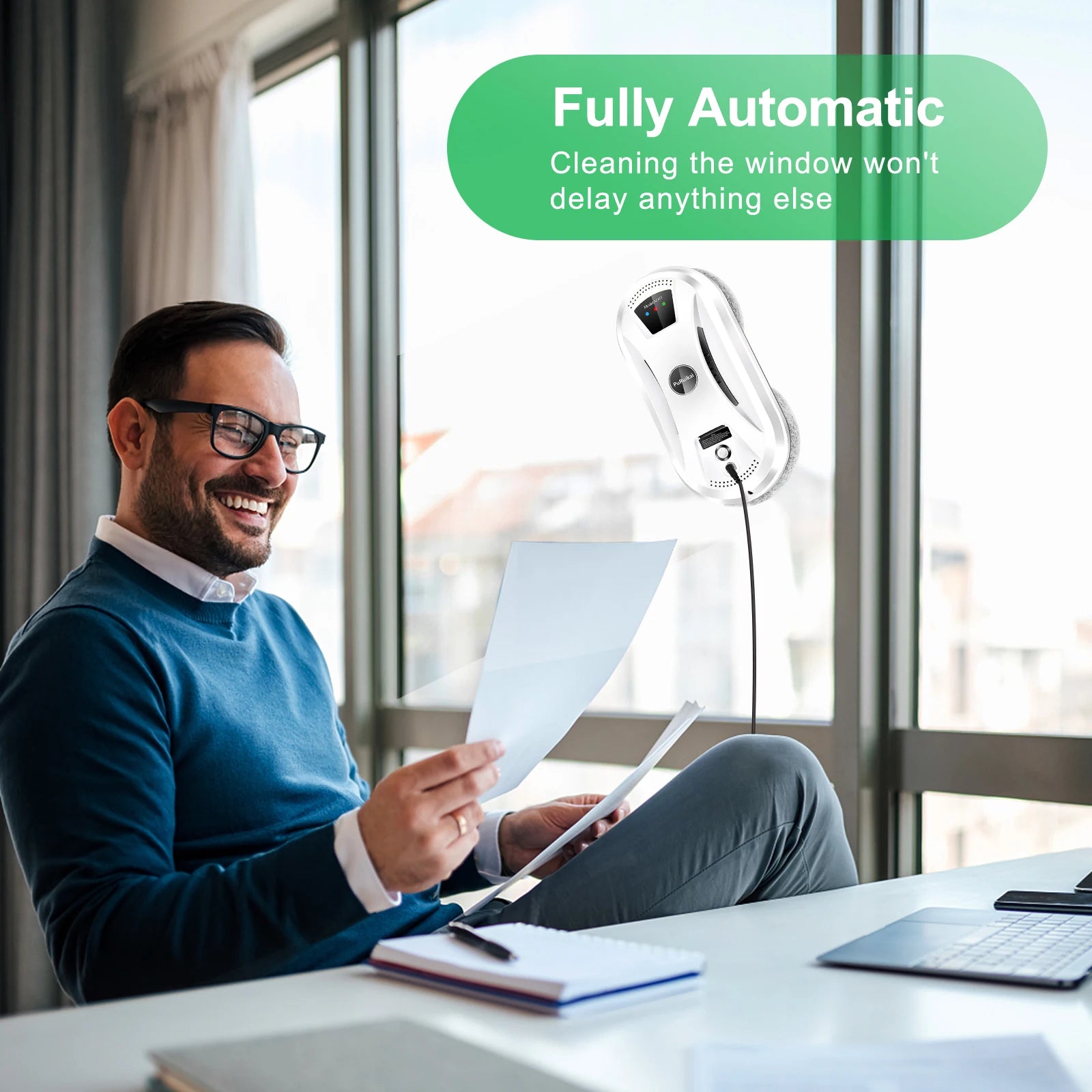
Robot window cleaner results after several weeks of regular use.
Are Robot Window Cleaners Worth It?
For households with numerous windows, large glass doors, or hard-to-reach exterior panels, robot window cleaners provide meaningful long-term value. They reduce routine cleaning time, improve safety, and keep glass looking cleaner between deep cleaning sessions.
Although they don't completely replace manual cleaning for stubborn stains or neglected windows, they dramatically reduce the frequency and effort required to maintain sparkling glass throughout the year.
FAQ
Do robot window cleaners actually work?
Yes. They perform very well for regular maintenance by removing dust, fingerprints, and everyday dirt while reducing the amount of manual cleaning required.
What surfaces can a robot window cleaner clean?
Most models are designed for smooth glass, mirrors, shower glass, and similar flat, non-porous surfaces.
Can a robot window cleaner clean frameless windows?
Many premium models can, thanks to advanced edge detection sensors. Always verify the manufacturer's recommendations for your specific glass type.
Is a robot window cleaner safe on high-rise windows?
Yes, provided the unit includes a safety rope, backup battery, and is used according to the manufacturer's safety instructions.
Do robot window cleaners leave streaks?
Clean microfiber pads and appropriate cleaning solution greatly reduce streaking. Dirty pads are the most common cause of visible marks.
How much time can a robot window cleaner save?
Depending on the number of windows, many homeowners save 20 to 30 minutes or more during each routine cleaning session.
Can robot window cleaners replace manual cleaning?
They replace most routine maintenance but occasional manual cleaning is still recommended for stubborn stains, paint, or mineral deposits.
How often should cleaning pads be replaced?
Wash the pads after each use and replace them once they become worn, lose absorbency, or no longer deliver streak-free cleaning.













