

Back Pain Relief for Construction Workers: Real Techniques That Deliver
⏱ 7 min read
What’s the best back pain relief for construction workers?
The best back pain relief for construction workers combines proper lifting habits, post-shift stretching, heat therapy, deep tissue massage, and adequate recovery between demanding workdays. Construction worker back pain often develops from repetitive lifting, bending, carrying heavy materials, and prolonged awkward positions. A consistent recovery routine helps reduce muscle stiffness, improve mobility, and lower the risk of recurring injuries.
Construction work demands strength, endurance, and repetitive physical effort—but those same demands place constant stress on your back. Whether you're lifting lumber, carrying concrete, operating heavy equipment, or working overhead for hours, your muscles rarely get enough time to recover. Instead of relying only on temporary pain relief, combining mobility work, massage therapy, and smart recovery habits can help keep you working comfortably while supporting long-term spinal health.
Real relief for hard-working backs — discover the power of targeted massage therapy for stiffness.
Why Back Pain Is So Common Among Construction Workers
Construction worker back pain is rarely caused by one incident alone. More often, it develops gradually as muscles, joints, and connective tissues absorb repeated physical stress throughout months or years of demanding work.
Heavy Lifting and Repetitive Bending Injuries
Frequently lifting cement bags, lumber, roofing materials, or tools places significant load on the lower back. Repeated bending and twisting while carrying weight increases muscle fatigue and may contribute to strains if recovery is limited.
How Long Hours and Awkward Positions Affect Your Spine
Flooring installers, electricians, plumbers, and framers often spend extended periods kneeling, crouching, reaching overhead, or working in confined spaces. These awkward postures place uneven pressure on the spine and surrounding muscles, increasing stiffness by the end of a shift.
Impact of Vibration, Carrying Materials, and Uneven Surfaces
Operating jackhammers, compactors, or other vibrating equipment can contribute to muscle fatigue. Walking across uneven terrain while carrying loads also forces stabilizing muscles to work harder, which may lead to muscle soreness after construction work .
- Heavy lifting without proper technique overloads back muscles.
- Repeated bending and twisting gradually increases tissue strain.
- Long shifts reduce recovery time between physically demanding tasks.
- Poor movement habits can increase stress on the lower back over time.
Quick Symptom Checklist: Is Your Back Pain Work-Related?
Common Signs of Construction-Related Muscle Strain
Your discomfort is more likely related to work if you notice several of these signs:
- Pain increases during or immediately after physically demanding shifts.
- Morning stiffness improves after gentle movement.
- Tightness develops after lifting or carrying heavy materials.
- Muscles feel sore rather than producing sharp, sudden pain.
- Symptoms improve with stretching, rest, or heat therapy.
When Back Pain Requires Professional Evaluation
Seek medical evaluation promptly if your pain follows a significant injury, continues worsening, causes numbness or weakness in your legs, affects bladder or bowel control, or prevents normal daily activities. Early assessment helps identify conditions that require treatment beyond self-care.
Real Relief Techniques That Actually Work
If you're wondering how to relieve back pain after construction work , focus on combining recovery methods rather than relying on a single solution.
Post-Shift Stretching Routine for Construction Workers
- Gentle hamstring stretches to reduce tension on the lower back.
- Hip flexor stretches after prolonged kneeling.
- Cat-cow mobility exercises to improve spinal movement.
- Child's pose for gentle lower back decompression.
Heat, Mobility, and Recovery Methods After Physical Work
Applying heat for 10–15 minutes may help relax tight muscles before stretching or massage. Following heat with gentle mobility exercises often feels more comfortable than stretching cold, stiff muscles.
Daily Habits to Reduce Back Pain Over Time
- Take short movement breaks during long tasks whenever possible.
- Alternate repetitive jobs to reduce overuse of the same muscles.
- Stay hydrated throughout the workday.
- Prioritize sleep to support muscle recovery.
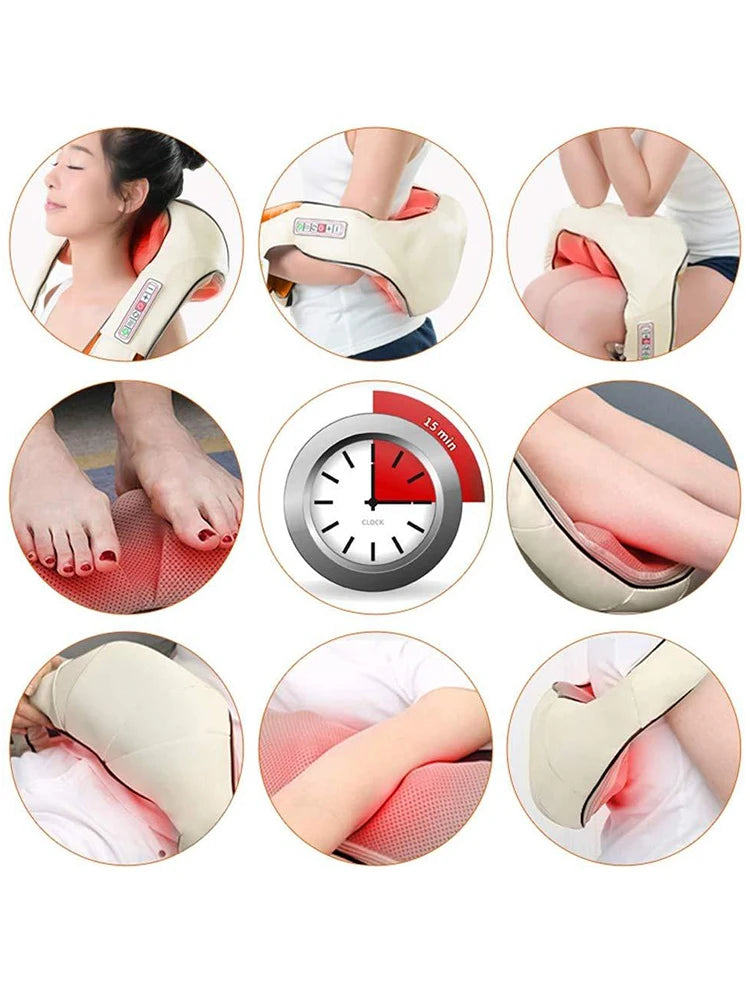
Combine heat therapy and deep kneading to help relieve upper body soreness after demanding shifts.
Massage Therapy for Stiffness: Everyday Relief You Can Feel
Massage therapy for muscle stiffness may help reduce muscle tension, improve circulation, and temporarily increase flexibility after physically demanding work. While massage does not treat structural spinal conditions, it can be a valuable part of an overall recovery routine.
Top Benefits of Regular Massage for Construction Workers
- Helps loosen tight muscles in the back, shoulders, and neck.
- Supports healthy movement and flexibility.
- Encourages relaxation after physically demanding shifts.
- Complements stretching and mobility exercises.
Massage Therapy vs Self-Recovery Techniques
Professional massage therapists can address specific muscle restrictions, while at-home recovery tools offer convenience for daily maintenance. Many workers combine stretching, heat therapy, and massage devices to maintain consistency between professional sessions.
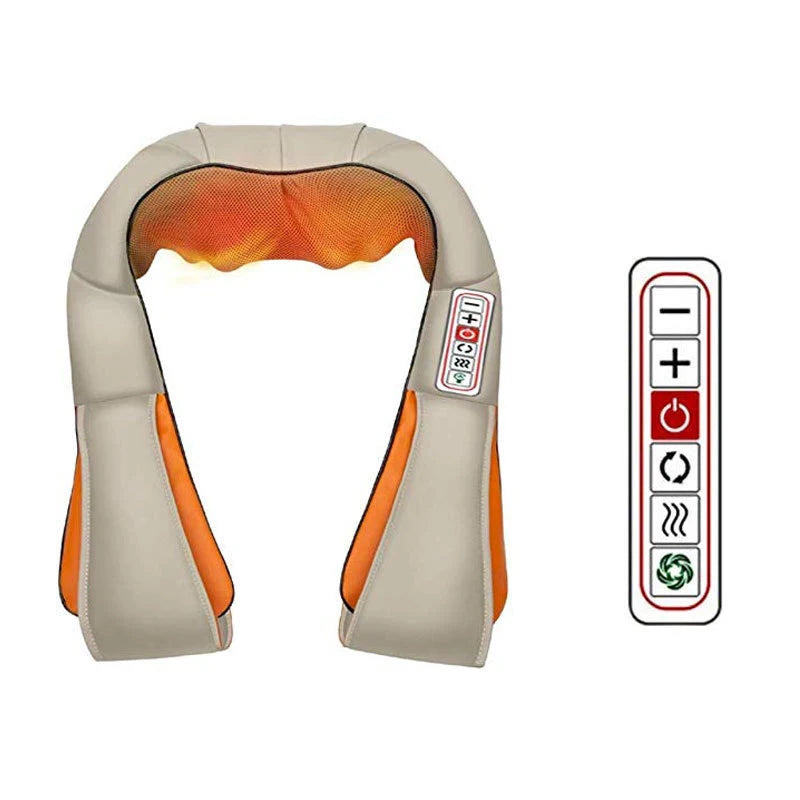
Many professionals use the KentDO Kneading Shawl Massager as part of their post-work recovery routine. Its heated kneading action helps provide a relaxing massage experience after long days on the job.
Best Deep Tissue Massage Techniques to Restore Strength
Deep tissue massage for back pain focuses on deeper muscle layers that often become tight after repetitive lifting and physical labor.
4 Proven Deep Tissue Massage Techniques You Can Try
- Trigger point release: Apply steady pressure to tender muscle knots for 20–30 seconds.
- Stripping: Use slow strokes along the direction of muscle fibers.
- Cross-fiber friction: Gentle movement across muscle fibers may improve tissue mobility.
- Heat-assisted massage: Warm muscles before deeper massage for greater comfort.
When Deep Tissue Massage May Not Be Suitable
Avoid deep tissue massage over fresh injuries, significant swelling, open wounds, or suspected fractures. If you experience severe pain, unexplained symptoms, or have been advised to avoid massage by a healthcare professional, seek medical guidance before beginning treatment.
| Technique | Best For | Typical Duration | Tool Recommendation |
|---|---|---|---|
| Trigger Point Release | Localized muscle knots | 2–5 minutes | KentDO Kneading Shawl Massager |
| Stripping | General back tightness | 5–10 minutes | Heated back massager |
| Cross-Fiber Friction | Persistent muscle stiffness | 3–6 minutes | Manual or electric roller |
| Heat-Assisted Massage | Relieve upper body soreness | 10–15 minutes | Heated shawl or pad |
Proper Lifting Techniques to Prevent Future Back Pain
How Construction Workers Should Lift Heavy Materials
- Keep loads close to your body.
- Bend at the hips and knees rather than the waist.
- Engage your core before lifting.
- Turn your feet instead of twisting your back while carrying weight.
- Use lifting equipment or ask for assistance with oversized loads.
Mistakes That Increase Lower Back Strain
- Twisting while lifting.
- Trying to lift more than you can safely control.
- Working through severe fatigue without breaks.
- Ignoring recurring stiffness until it becomes persistent pain.
Tools That Make Recovery Easier and Faster
Massage Tools for Muscle Recovery
Massage tools are most effective when paired with stretching, movement, and good lifting mechanics. They can help maintain a consistent recovery routine between demanding workdays.
Heat Therapy and Support Devices for Sore Muscles
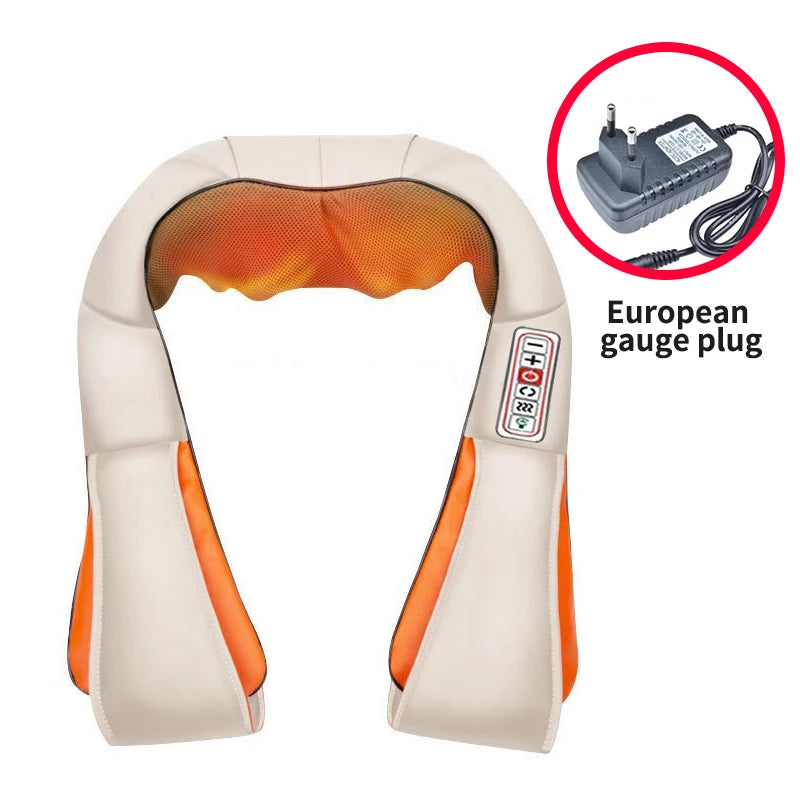
Devices like the KentDO Kneading Shawl Massager combine kneading massage with heat, making them a convenient option after physically demanding shifts. You can also explore the Body Care and Health Devices Collection for additional recovery tools designed to support muscle comfort and mobility.
Consistent recovery habits can help you stay ready for the next workday.
Frequently Asked Questions
How can construction workers relieve back pain after work?
A combination of gentle stretching, heat therapy, adequate hydration, massage, and sufficient rest can help reduce muscle stiffness after demanding shifts. Persistent or worsening pain should be evaluated by a healthcare professional.
Why do construction workers get lower back pain?
Repetitive lifting, bending, carrying heavy materials, prolonged awkward positions, vibration from machinery, and limited recovery time all contribute to lower back pain construction workers commonly experience.
What stretches help after a long construction shift?
Gentle hamstring stretches, hip flexor stretches, cat-cow movements, and child's pose are common mobility exercises that may help reduce post-work muscle tightness.
Is deep tissue massage good for construction-related muscle pain?
Deep tissue massage may help relieve muscular tension and stiffness caused by repetitive physical work. It should not replace medical evaluation for severe injuries or persistent neurological symptoms.
What is the best recovery method for muscle strain?
The best recovery plan typically combines rest, gradual movement, stretching, appropriate heat or cold therapy when indicated, and massage. Daily use of a heated kneading massager may also help support muscle relaxation after physically demanding work.
When should a construction worker see a doctor for back pain?
Seek medical care if pain follows a serious accident, lasts several weeks despite self-care, causes weakness or numbness, radiates below the knee, or is accompanied by fever, unexplained weight loss, or changes in bladder or bowel function.
Pillar Article: Benefits of Head Massage with Massager: The Overlooked Way to Boost Circulation
Other Related Articles:
Explore More:













