

What is the best backup heater for a house?
A backup heater for house use is a secondary heating system designed to keep your home warm when the primary heating system or electrical grid fails. The best backup heating for outages depends on your home's size, available fuel, climate, and whether you need heat for a single room or an entire house.
For apartments, an electric heater connected to a properly sized battery backup or generator is often the most practical solution. For detached homes experiencing frequent winter outages, indoor-safe propane heaters, kerosene heaters, or wood stoves provide dependable warmth without relying on grid electricity.
When choosing a backup heater , compare:
- Fuel availability during emergencies
- Heating capacity (BTU output)
- Indoor safety certifications
- Runtime and operating costs
- Ease of storage and maintenance
Regardless of fuel type, always install carbon monoxide detectors, follow manufacturer instructions, and choose equipment rated for indoor use when heating occupied spaces.
Backup Heating for Outages: Best Heaters for Every Home
⏱ 9 min read
When the power cuts out and temperatures drop quickly, having the right backup heat source can make the difference between staying comfortable and facing dangerous indoor temperatures. Whether you live in an apartment or a large family home, choosing reliable
backup heating for outages
helps protect your family, plumbing, and property throughout winter emergencies.
Winter storms don't just interrupt electricity—they can leave homes dangerously cold within hours. Many portable heaters stop working when the power goes out, while others require careful ventilation or specific fuels. Planning ahead ensures you'll have dependable heat when you need it most.
Reliable backup heating for outages keeps your home livable when the grid fails.
Why Backup Heating is Essential During Power Outages
Winter outages can leave indoor temperatures unsafe surprisingly fast. A dependable backup heating for power outages plan helps prevent frozen pipes, protects vulnerable family members, and reduces the stress of prolonged utility failures.
Benefits of preparing a back up heat source for power outage situations include:
- Maintaining safe indoor temperatures during extended outages.
- Reducing the risk of burst plumbing caused by freezing pipes.
- Providing emergency warmth for children, seniors, and pets.
- Improving overall emergency preparedness before severe weather arrives.
This guide explains which heating options work best for different homes, fuel types, and emergency scenarios.
Best Backup Heaters for Houses: Top Picks by Fuel Type
Portable Electric Heaters (Generator or Battery Backup)
Electric space heaters remain one of the safest heating options indoors, but they require electricity. During outages they can operate from appropriately sized portable generators, home battery systems, or high-capacity power stations. They work well for bedrooms, offices, and apartments where combustion heaters may not be allowed.
Explore compatible space heaters for apartments .
Best for: Apartments, small rooms, short outages.
Indoor-Safe Propane Heaters
Indoor-rated propane heaters deliver dependable heat without grid power. Look for models equipped with oxygen depletion sensors and tip-over shutoff protection. Always follow ventilation recommendations and install carbon monoxide detectors nearby.
Best for: Garages, cabins, living rooms, emergency heating.
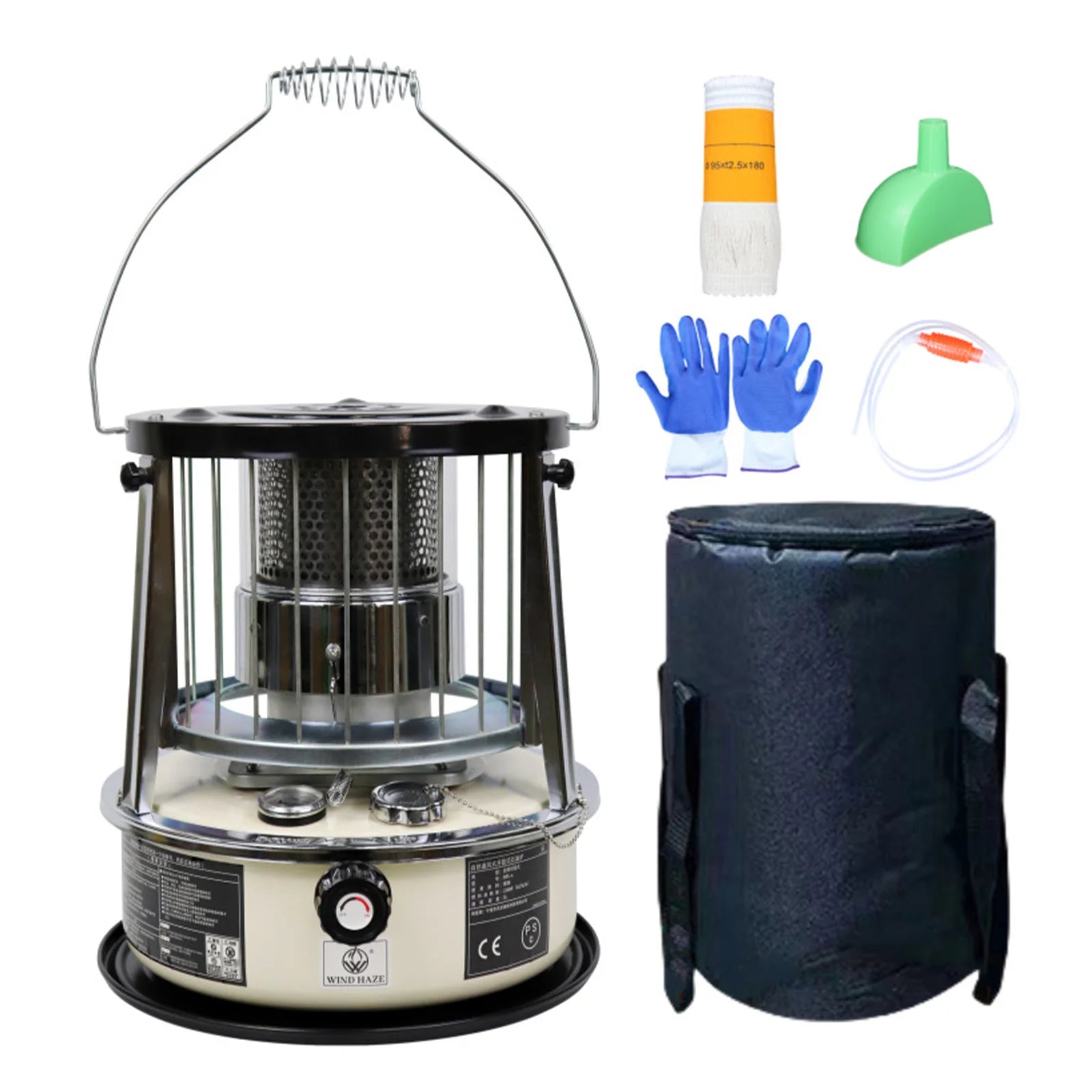
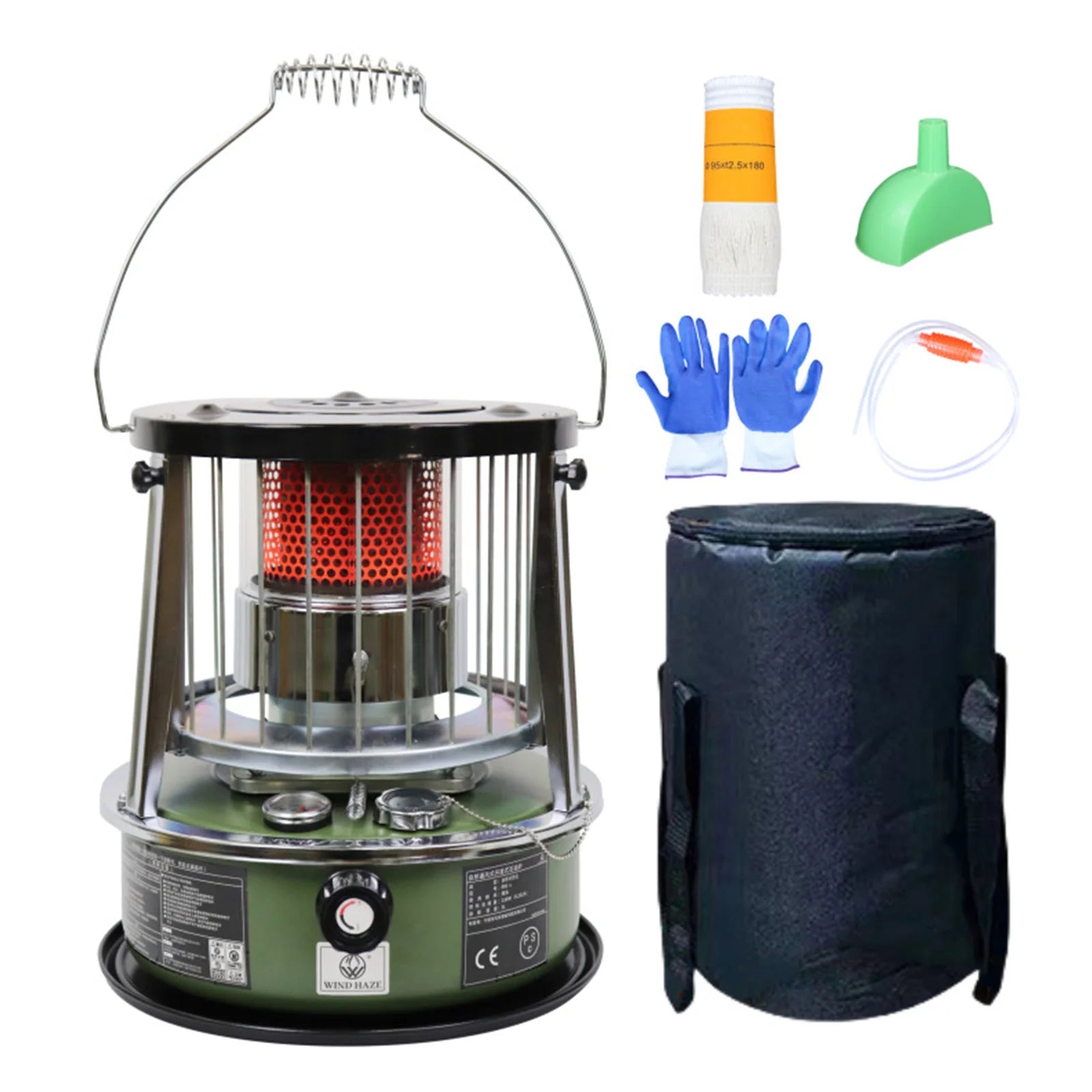
Safest Kerosene Heaters for Indoor Use
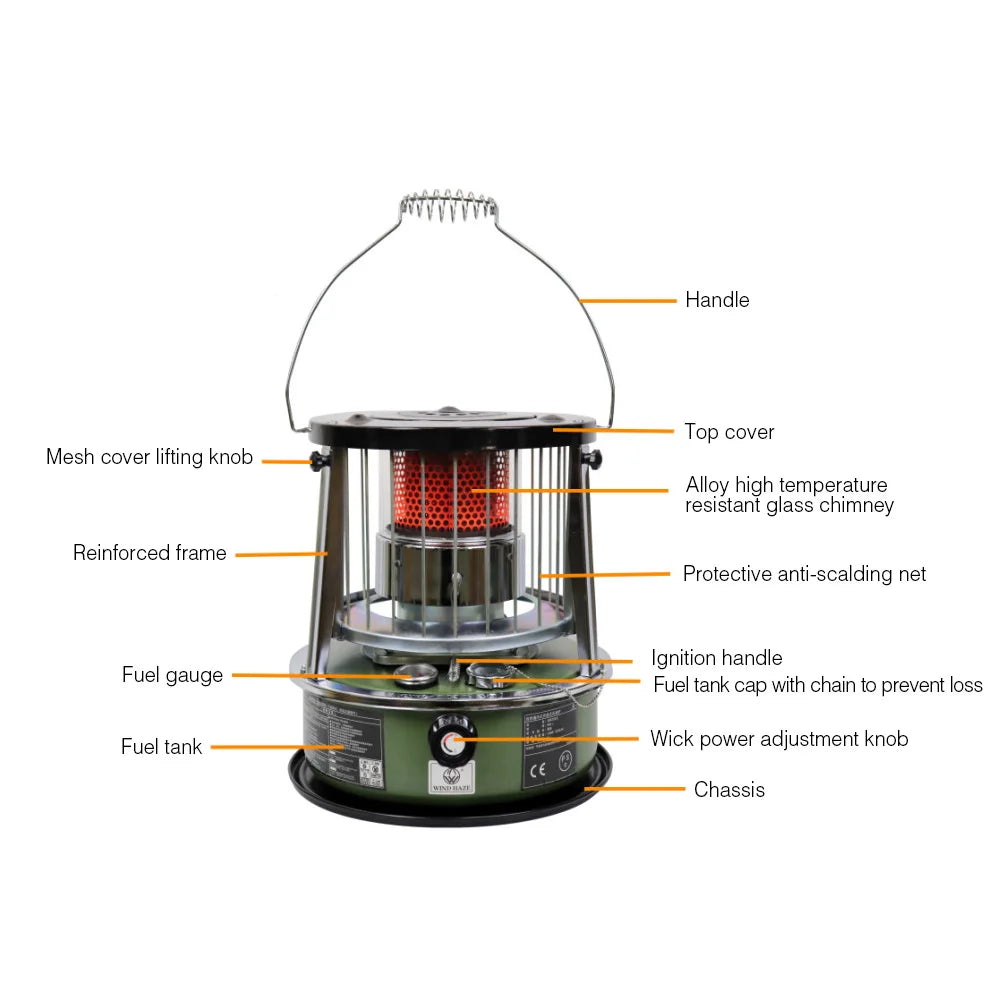
High-quality indoor-rated kerosene heaters offer excellent heat output and long runtimes, making them a popular backup heater for extended outages. Choose models with automatic shutoff, stable bases, and easy-to-read fuel gauges.
See our portable kerosene heater stove .
Pros:
- High BTU output
- Long burn time
- Portable design
Considerations:
- Requires fresh kerosene
- Needs proper ventilation
- Refuel only after cooling completely
Wood & Pellet Stoves
Wood and pellet stoves provide reliable long-term heating for homes already equipped with them. Proper installation, chimney maintenance, and dry fuel storage are essential for safe operation.
Best for: Rural homes and extended outages lasting several days.
Natural Gas & Wall Heaters
Some vented natural gas wall heaters continue operating during electrical outages, depending on their ignition system. These permanently installed units can provide efficient supplemental heat while consuming relatively little fuel.
Best No-Electricity Heat Sources During a Power Outage
Propane
Propane heaters provide fast heat, readily available fuel, and long runtimes. Indoor-rated models are suitable for emergency use when operated according to safety instructions.
Kerosene
Kerosene remains one of the most effective no electricity heat source options for portable emergency heating. It offers high heat output and performs well during prolonged winter outages.
Wood
Wood-burning stoves require no electricity and can heat large portions of a home if properly installed. Keeping seasoned firewood on hand improves efficiency.
Natural Gas
Homes with vented natural gas heaters may continue receiving heat during outages if the appliance is designed to operate without household electricity.
Quick Comparison: Best Backup Heating Options
Heating Coverage
| Heater Type | Typical Coverage | Best Use |
|---|---|---|
| Electric | Small room | Apartments |
| Propane | Small to medium room | Emergency heating |
| Kerosene | Medium to large room | Long outages |
| Wood Stove | Large areas or whole home | Extended outages |
Runtime & Fuel Cost
Electric heaters depend on generator or battery capacity, while propane and kerosene runtime varies by tank size and heat setting. Wood stoves offer excellent endurance when fuel is stocked ahead of winter.
Indoor Safety
Electric heaters require the least ventilation. Combustion heaters should always be indoor-rated and paired with functioning carbon monoxide detectors.
Maintenance
Electric heaters require minimal upkeep. Kerosene heaters benefit from wick maintenance, propane heaters need regular inspection, and wood stoves require chimney cleaning.
Comparing heating options makes it easier to prepare before the next winter outage.
How to Choose the Right Backup Heater for Your Home
Room Size & BTU Calculator
As a general guideline, many homes require approximately 20 to 40 BTUs per square foot depending on insulation, ceiling height, and outdoor temperatures. Better-insulated homes usually require less heating capacity.
Fuel Storage & Availability
Choose a fuel you can safely store and replenish during severe weather. Consider local availability of propane, kerosene, firewood, or generator fuel before purchasing a heater.
Ventilation & Carbon Monoxide Safety
Every home using combustion heaters should have working carbon monoxide detectors installed near sleeping areas. Follow ventilation requirements and maintain recommended clearances from combustible materials.
Apartment residents typically benefit from portable electric heaters powered by emergency battery systems or generators where permitted. Larger homes often gain better coverage from propane heaters, kerosene heaters, or permanently installed wood stoves.
Safety Checklist Before Using a Backup Heater Indoors
Carbon Monoxide Detectors
- Test detectors before winter begins.
- Replace batteries regularly.
- Install detectors near bedrooms.
Clearance Requirements
- Keep at least 3 feet of clearance around heaters.
- Never place clothing or blankets over heaters.
- Keep children and pets away from hot surfaces.
Fuel Storage
- Store fuel in approved containers.
- Keep fuel away from living areas and ignition sources.
- Rotate stored fuel according to manufacturer recommendations.
Refueling Rules
- Turn heaters off completely before refueling.
- Allow units to cool.
- Refuel outdoors whenever possible.
Safe Indoor Heating Tips During Winter Outages
Heat Retention
Close curtains, seal drafts, and concentrate household activities in one heated room to conserve warmth and reduce fuel consumption.
Room Isolation
Close unused rooms and interior doors to keep heated air where it matters most during extended outages.
Protecting Pipes
Allow warm air to circulate around plumbing, especially along exterior walls. During prolonged outages, let faucets drip slightly if freezing temperatures are expected.
- Always use clean, recommended fuel.
- Never operate damaged heaters.
- Monitor heaters whenever they are in use.
- Inspect carbon monoxide detectors regularly.
Preparation and safe operation help keep your family warm throughout winter outages.
Frequently Asked Questions
What is the best backup heater for a house during a power outage?
The best choice depends on your home. Wood stoves are excellent for long outages, while indoor-rated propane and kerosene heaters provide dependable portable heating. Electric heaters work well when paired with a generator or home battery backup.
What is the safest kerosene heater for indoor use?
Choose an indoor-rated model featuring automatic shutoff, tip-over protection, stable construction, and clear operating instructions. Always provide proper ventilation.
Can I safely use a propane heater indoors?
Only propane heaters specifically certified for indoor use should be operated inside a home, and they should always be used according to manufacturer instructions with carbon monoxide detection.
What heat source works without electricity?
Kerosene heaters, indoor-safe propane heaters, wood stoves, pellet stoves, and some natural gas heaters continue providing heat even when grid power is unavailable.
How many BTUs do I need to heat my home?
Most spaces require roughly 20 to 40 BTUs per square foot, depending on insulation quality, ceiling height, and outdoor temperatures.
Can a portable electric heater run from a generator or battery?
Yes. Ensure the generator or battery system provides sufficient continuous wattage for the heater and any additional connected appliances.
Is a wood stove better than a kerosene heater for emergencies?
Wood stoves are excellent for long-duration outages if your home already has one installed. Kerosene heaters offer greater portability and require no permanent installation.
How long will a backup heater run on one tank of fuel?
Runtime varies by model and heat setting. Many portable kerosene heaters operate for approximately 8 to 12 hours per tank, while propane runtime depends on cylinder size and BTU output.
Related Guide: Winter Storm Home Heating Solutions That Actually Keep You Warm













