

Neck Traction Benefits: How It Relieves Pain and Supports Spine Health
Neck stiffness that won’t fade. Headaches that start at the base of your skull. A sense that your posture is slowly working against you. If this sounds familiar, you’re not alone. Millions of people are discovering that neck traction isn’t just about short-term comfort—it’s about restoring balance, movement, and confidence in how your body feels each day.
⏱ 7 min read
Explore cervical traction options designed for home comfort
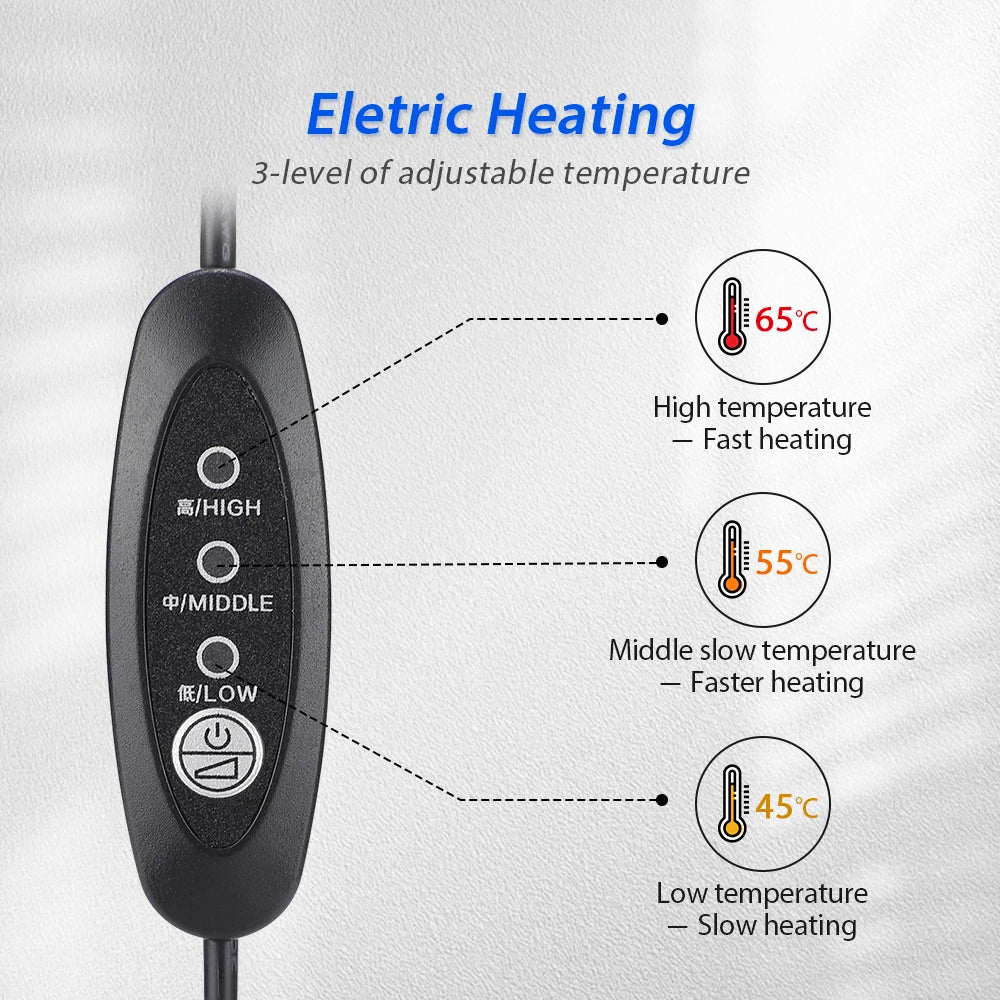
Gentle daily use highlights the benefits of cervical traction at home — See it in action
What Is Neck Traction and How Does It Work?
Neck traction, also known as cervical traction, is a therapeutic technique designed to gently stretch the cervical spine. By creating slight separation between vertebrae, it helps relieve pressure on discs and nerves, improve blood circulation, and reduce muscle tension.
This non-invasive method can be applied using clinical devices, over-the-door systems, or inflatable home traction devices, each offering specific advantages depending on your needs.
The Science Behind Cervical Traction
When traction is applied, intervertebral spaces widen slightly, reducing nerve compression. This spinal decompression helps alleviate symptoms from herniated discs, pinched nerves, and chronic neck tension. Research shows that gentle traction can improve cervical mobility, stimulate healing, and enhance muscle relaxation.
Types of Neck Traction Devices
- Over-the-door traction: Traditional setup using a pulley and harness system.
- Inflatable home devices: Soft cervical collars that gently expand to stretch the neck.
- Clinical motorized devices: Controlled traction in physiotherapy clinics with precise settings.
Top Benefits of Neck Traction
Neck traction provides multiple benefits for spinal health, pain relief, and overall mobility. Understanding these helps users decide whether to integrate traction into their care routine.
Relief from Neck Pain and Muscle Tension
Traction reduces pressure on tight muscles and compressed discs, helping ease chronic pain, stiffness, and tension headaches. Regular use can also prevent future strain by improving cervical alignment and muscular balance.
Helps with Headaches and Migraine Relief
By reducing nerve irritation in the neck and upper spine, cervical traction can lessen headache frequency and intensity. Users often report relief from tension-type headaches caused by poor posture or prolonged screen time.
Supports Spinal Decompression
Gentle traction separates vertebrae slightly, decreasing pressure on discs and nerves. This decompression can improve nutrient flow to spinal tissues, supporting healing of herniated discs and reducing radicular pain.
Enhances Posture and Mobility
Regular traction encourages proper spinal alignment, which can improve posture and range of motion. This benefit is particularly valuable for desk workers, athletes, or individuals recovering from cervical injuries.
See how this cervical traction device works
Cervical Traction at Home: Key Advantages
Convenience and Daily Routine Integration
Home cervical traction devices allow for consistent daily use without needing appointments. This convenience helps users build a sustainable routine that supports long-term neck health.
Cost-Effectiveness Compared to Clinic Sessions
Using a home device reduces costs associated with repeated clinical visits while providing similar benefits when used correctly and consistently.
Safety Considerations for Home Use
Modern home devices are designed for comfort and safety. Always follow manufacturer guidelines, start with short sessions, and monitor for discomfort.
Is Neck Traction Safe? Risks and Precautions
While generally safe, neck traction may not be suitable for everyone. It is important to follow usage guidelines and consult a healthcare professional if you have pre-existing conditions.
Who Should Avoid Neck Traction
- Individuals with severe osteoporosis or spinal fractures
- People with acute neck injuries or infections
- Those with advanced cervical arthritis or instability
Signs You Should Stop or Adjust Treatment
- Sharp or worsening pain during traction
- Dizziness or visual disturbances
- Numbness or tingling that increases instead of improves
How to Use a Home Neck Traction Device Effectively
Step-by-Step Setup and Usage Tips
- Choose the appropriate device based on comfort and medical advice.
- Follow manufacturer instructions for fitting the harness or collar securely.
- Begin with short sessions (5–10 minutes), gradually increasing as tolerated.
- Maintain relaxed breathing and correct posture during use.
Frequency and Duration Guidelines
Most users start with 3–5 sessions per week, monitoring comfort and adjusting duration slowly. Consistency is key to achieving long-term benefits.
Many users pair traction with supportive routines found in Body Care and Health Devices collections to maintain results.
Try cervical traction designed for daily home use
Home Devices vs Clinic Sessions: Which Is Right for You?
Modern cervical traction at home devices offer safety, ease of use, and consistency, making them an effective alternative to occasional clinic sessions.
| Option | Consistency | Comfort | Convenience |
|---|---|---|---|
| Cervical traction at home | High (daily use) | Adjustable, gentle | Use anytime |
| Manual stretching | Variable | Limited control | Requires effort |
| Occasional clinic sessions | Low | Professional | Appointment-based |
Frequently Asked Questions
Does neck traction help headaches?
Yes, it can reduce tension-type headaches by alleviating nerve compression and relaxing tight neck muscles.
What are the cervical traction benefits?
Benefits include pain relief, improved posture, spinal decompression, enhanced mobility, and reduced headache frequency.
Can I use neck traction with pre-existing conditions?
Consult your doctor first. Individuals with fractures, severe arthritis, or spinal instability may need to avoid traction or use it under supervision.
Pros and Cons of Cervical Traction
- ✅ Non-invasive support for neck pain relief
- ✅ Encourages posture correction
- ✅ Easy to integrate into routines
- ❌ Requires consistency for best results
Who Benefits Most from Cervical Traction?
Neck traction is especially helpful for:
- Desk workers and remote professionals
- People experiencing neck pressure causing headaches
- Individuals seeking better spinal health
- Anyone wanting a calm, restorative self-care ritual
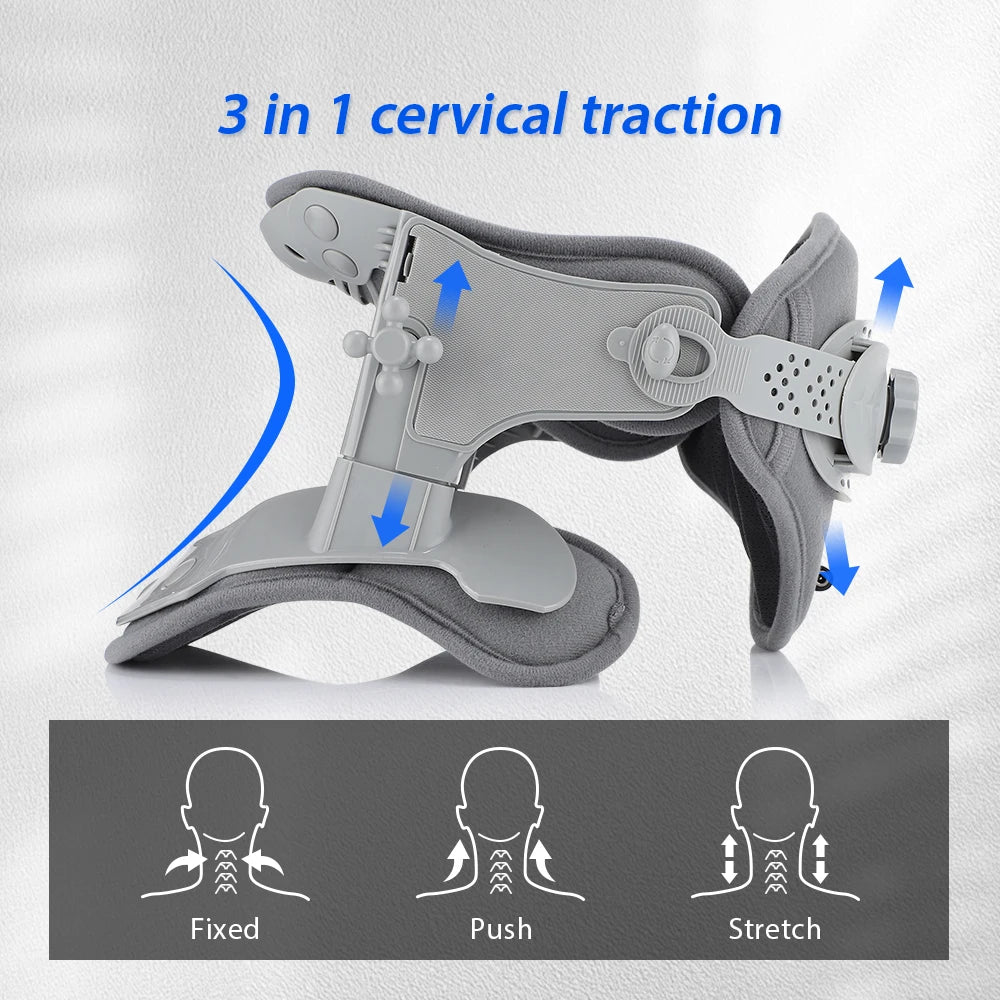
Daily comfort reflects the benefits of cervical traction at home — See it in action
Experience the lasting benefits of cervical traction today













