

Best Blending Brush Eyeshadow: Which One Wins?
Finding the best blending brush eyeshadow tool can make the difference between patchy, uneven color and a smooth, professional-looking finish. Whether you're creating a soft everyday look or a dramatic smoky eye, the right blending brush helps diffuse pigment evenly, soften harsh edges, and build seamless color transitions with less effort. In this guide, you'll discover the best brush shapes for different techniques, learn which options suit your skill level, and find out how to choose the ideal brush for consistently flawless eye makeup.
⏱ 7 min read
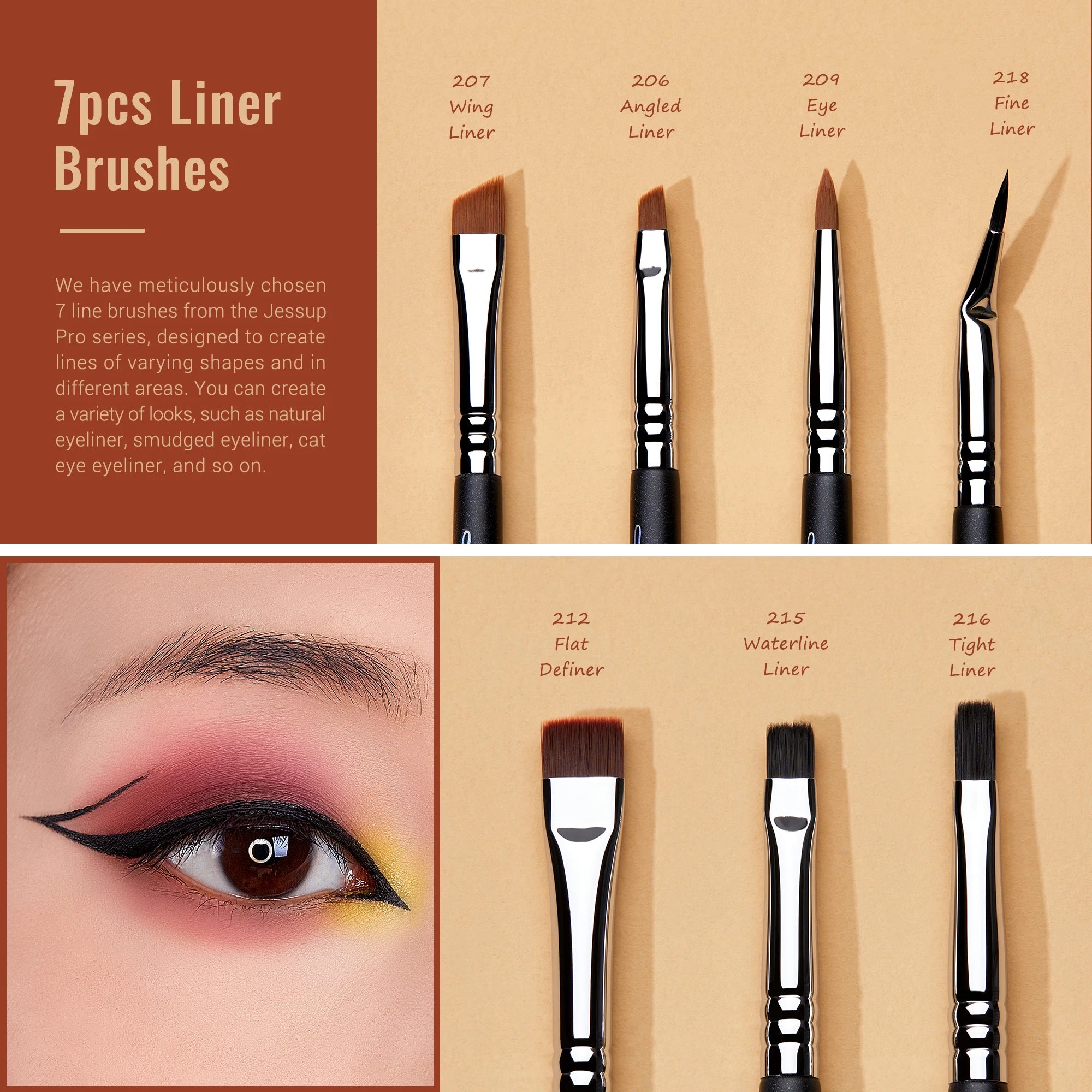
Flawless blending starts with the right tools—explore the best blending brush eyeshadow picks.
Have you ever spent extra time blending your eyeshadow only to end up with harsh lines or muddy colors?
You're not alone. Even premium eyeshadow formulas can look uneven when paired with the wrong brush. Choosing the right blending brush improves control, distributes pigment more evenly, and makes it much easier to achieve soft, natural gradients.
Whether you're just starting your makeup journey or refining advanced techniques, understanding how different brush shapes work will help you blend faster, waste less product, and create polished eye looks with confidence.
Which Brush Type Gives You the Smoothest Blend?
No single blending brush works best for every eye look. The ideal choice depends on how much precision, color payoff, and diffusion you need. Many makeup artists keep several blending brushes on hand because each shape serves a different purpose.
| Brush Type | Best For | Pros | Cons |
|---|---|---|---|
| Fluffy Blending Brush | Soft transitions and all-over blending | Creates seamless gradients with minimal effort | Less precise for detailed crease work |
| Tapered Crease Brush | Adding depth to the crease | Excellent control and targeted blending | Requires a bit more technique |
| Dense Blender | Building rich color intensity | Delivers strong pigment payoff quickly | Can over-apply product if used aggressively |
| Small Detail Blender | Lower lash line and outer corner | Ideal for precise placement and finishing touches | Not designed for blending across the entire lid |
Tip: Most makeup routines benefit from using at least two blending brushes—a larger fluffy brush for diffusing color and a smaller tapered brush for refining the crease and outer corner.
Which one suits you best? Keep reading—you might discover that combining different brush shapes creates the smoothest, most natural-looking finish.
How to Use Blending Brush Correctly for Flawless Results
Learning proper blending technique is just as important as choosing a quality brush. Gentle movements, light pressure, and gradual layering help create soft gradients while preventing patchy application or harsh lines.
- Begin with a clean, fluffy blending brush to avoid transferring leftover pigment.
- Lightly dip the brush into your eyeshadow and tap off any excess powder before applying.
- Place the color into the crease using small circular motions to distribute pigment evenly.
- Use windshield-wiper motions to soften the edges and blend neighboring shades together.
- Finish with a clean blending brush to diffuse any remaining harsh lines without adding more color.
Remember that seamless blending comes from using light pressure and building color gradually rather than trying to achieve full intensity in a single application.
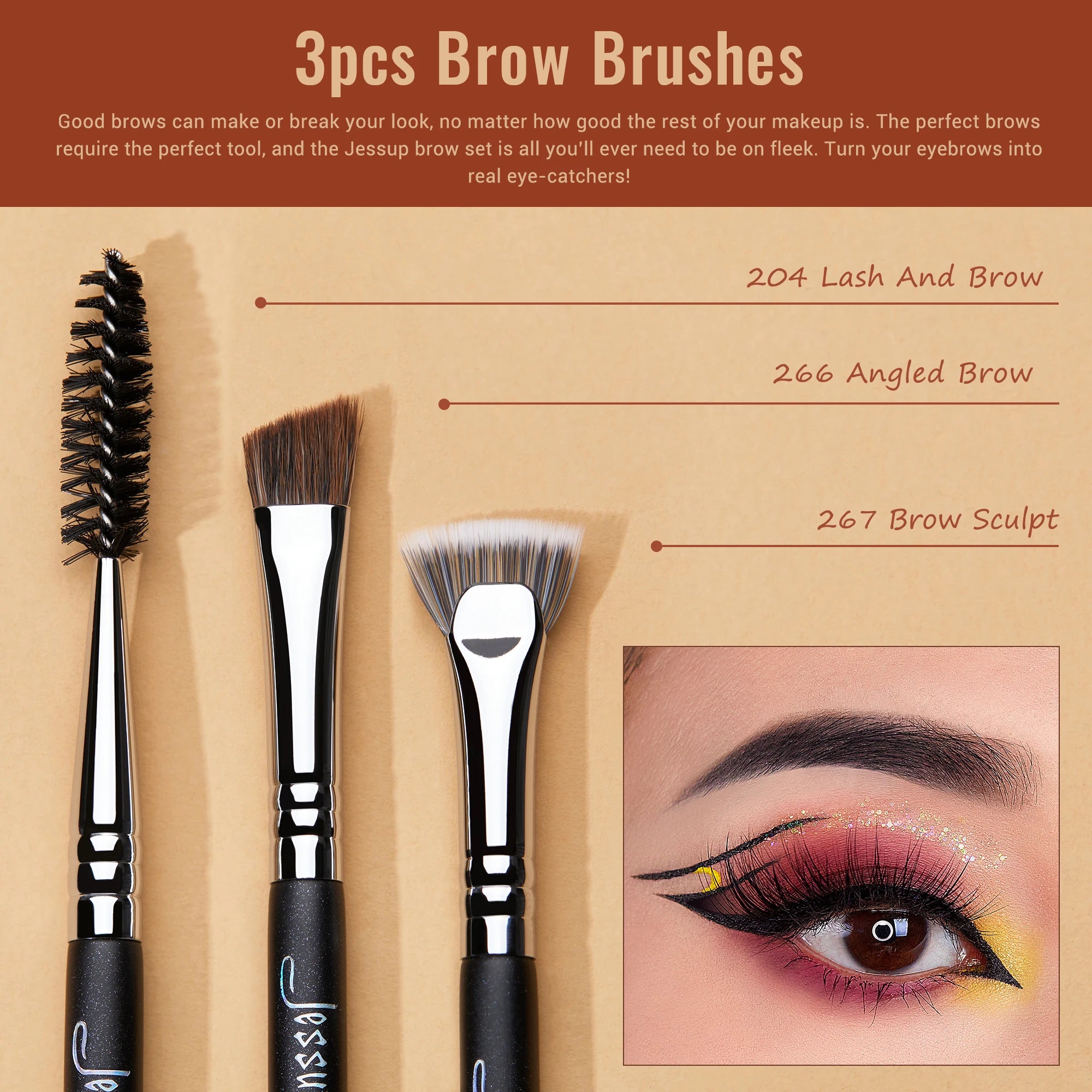
Master how to use a blending brush correctly for smooth, seamless eyeshadow application.
How This Technique Prevents Muddy Eyeshadow Instantly
Dark eyeshadows can create beautiful depth, but they also reveal blending mistakes more easily than lighter shades. These simple techniques help maintain definition while keeping colors vibrant.
- ✔ Build color gradually instead of applying heavy pigment all at once.
- ✔ Keep a clean blending brush nearby to soften edges without adding extra product.
- ✔ Limit the number of shades blended together to preserve color clarity.
- ✔ Combine shades with similar undertones for smoother, more natural transitions.
Pro tip: Blend outward toward the outer corner using light, controlled motions. This keeps the deepest color concentrated where you want definition while preventing the center of the eyelid from becoming muddy.
Frequently Asked Questions
What is the best eyeshadow blending brush for beginners?
A fluffy blending brush with soft, flexible bristles is the easiest option for beginners. Its larger, rounded shape naturally diffuses pigment, making it easier to blend transition shades and soften edges without leaving harsh lines.
What brush shape blends eyeshadow the best?
The best brush shape depends on your goal. Fluffy brushes excel at creating seamless gradients across the crease, while tapered brushes provide greater precision for defining the outer corner and adding depth. Many makeup enthusiasts use both to achieve the smoothest finish.
Are synthetic or natural blending brushes better?
High-quality synthetic brushes perform exceptionally well with both powder and cream formulas, are easier to clean, and are typically cruelty-free. Natural hair brushes can offer an ultra-soft finish with powder shadows, but they usually require more maintenance.
How often should you replace an eyeshadow blending brush?
A well-made blending brush can last for several years when cleaned regularly and stored properly. Replace it if the bristles begin shedding excessively, lose their shape, become rough, or no longer blend makeup evenly.
Can one blending brush work for every eye look?
A single fluffy brush is versatile enough for many everyday looks, but using multiple brush sizes improves precision. Pairing a larger blending brush with a smaller crease brush gives you better control when creating both natural and dramatic eye makeup.
Why does my eyeshadow look patchy or muddy even with a good brush?
Patchiness is often caused by applying too much product at once, blending incompatible shades together, or skipping gradual layering. Apply small amounts of eyeshadow, blend between each layer, and use a clean brush to soften edges for a smoother, more defined result.
Pillar Article: Best Eye Makeup Brush Set: Top Picks Compared 2026
Other Related Articles:
- Eye Makeup Brush Types: Which Ones Do You Need
- Best Eyeliner Brushes: 6 Picks for Precision Lines
- Makeup Brush Sets for Beginners: Top 5 Compared
- Good Eyeshadow Brush Sets: 7 Options Worth Buying
Explore More:













