Best Deep Tissue Massage Techniques: How They Work, How to Use Them Safely, and When They Help
The best deep tissue massage techniques use controlled, gradual pressure to address muscle tightness, restricted movement, and areas of persistent tension. Learn how deep massage therapy techniques such as stripping, cross-fiber friction, trigger point pressure, and myofascial release work, how to do deep tissue massage safely at home, and which approach may suit different problem areas.
⏱ 10 min read
What Are the Best Deep Tissue Massage Techniques?
The best deep tissue massage techniques combine slow strokes, progressive pressure, and targeted work on muscles and surrounding connective tissue. Common methods include effleurage for warming tissue, stripping for tight muscle bands, cross-fiber friction for localized restrictions, trigger point pressure for tender spots, and myofascial release for areas that feel restricted. Beginners should start with light-to-moderate pressure and increase gradually rather than trying to force deep pressure immediately.
- Effleurage: Uses long, gliding strokes to warm muscles and prepare them for deeper work.
- Stripping: Applies slow pressure along a muscle to address areas of persistent tightness.
- Cross-fiber friction: Moves across muscle fibers to work on localized areas of restricted tissue.
- Trigger point pressure: Uses controlled, sustained pressure on specific tender points.
- Myofascial release: Uses slow, sustained pressure to address restricted movement in the fascia and surrounding tissues.
Deep pressure should feel purposeful and tolerable, not sharp, burning, numb, or unbearable. The goal is controlled tissue work—not simply using as much force as possible.
How Deep Tissue Massage Works
A deep tissue massage is designed to work more deliberately on muscles and connective tissues than a relaxation-focused massage. Rather than simply applying force, an effective session uses slow movement, gradual pressure, and careful positioning to address areas that feel restricted or persistently tight.
Muscle Adhesions and Fascia
Muscles are surrounded by fascia, a connective tissue network that helps separate and support different structures. When an area becomes overloaded or remains in one position for long periods, it may feel stiff or restricted. Massage can temporarily change how these tissues feel and improve comfort and movement, although claims that massage physically “breaks up” scar tissue or adhesions should not be overstated.
Slow strokes and sustained pressure can help you work through areas of muscular tension without relying on excessive force. This is one reason controlled pressure is central to many deep massage therapy techniques.
Trigger Points
Trigger points are localized areas of tenderness within a muscle that may be associated with pain or sensitivity. Trigger point work focuses on identifying a tender area and applying tolerable, controlled pressure rather than repeatedly pressing as hard as possible.
For self-massage, the pressure should remain manageable. If pressure produces sharp pain, tingling, numbness, or symptoms that travel down an arm or leg, stop rather than continuing to work the area.
Why Slow Pressure Is Effective
Deep tissue massage does not need to be aggressive to be effective. Slow pressure gives the person receiving the massage time to adapt and allows the practitioner to monitor tissue response. Rapid, forceful pressure can increase discomfort and make it harder to distinguish useful therapeutic pressure from excessive pressure.
For beginners, a gradual progression is usually more practical: warm the area first, begin with light pressure, move slowly, and only increase intensity when the tissue feels comfortable.
Deep Tissue Massage Benefits and Best Uses
The potential deep tissue massage benefits are mainly related to short-term relief of muscular discomfort, perceived stiffness, and restricted movement. Massage can be useful as part of a broader recovery plan, but it should not be presented as a cure for every source of chronic pain.
Muscle Tightness
Deep tissue techniques may be useful when muscles feel persistently tight after prolonged sitting, repetitive activity, strength training, or other physical demands. Slow stripping and sustained pressure can help reduce the sensation of tightness and make movement feel more comfortable.
For people looking for the best massage for muscle tightness , the right pressure depends on the individual. A moderate technique that can be performed consistently is often more useful than an extremely painful session.
Back Pain
Deep tissue massage for back pain may help some people manage muscular discomfort and improve short-term comfort. However, back pain can have many causes, including muscle strain, joint problems, nerve irritation, or other medical conditions. Massage should complement—not replace—appropriate medical evaluation when symptoms are persistent, severe, or unexplained.
Sports Recovery
Massage can be incorporated into recovery after exercise when the main goal is managing perceived soreness and maintaining comfortable movement. Athletes should avoid treating severe post-exercise pain or an acute injury with aggressive deep pressure. Recovery also depends on sleep, nutrition, hydration, appropriate training load, and rest.
Improving Mobility
When muscular tension contributes to a feeling of restricted movement, massage may temporarily improve comfort and range of motion. The effect is often best supported by combining massage with active movement and stretching rather than relying on massage alone.
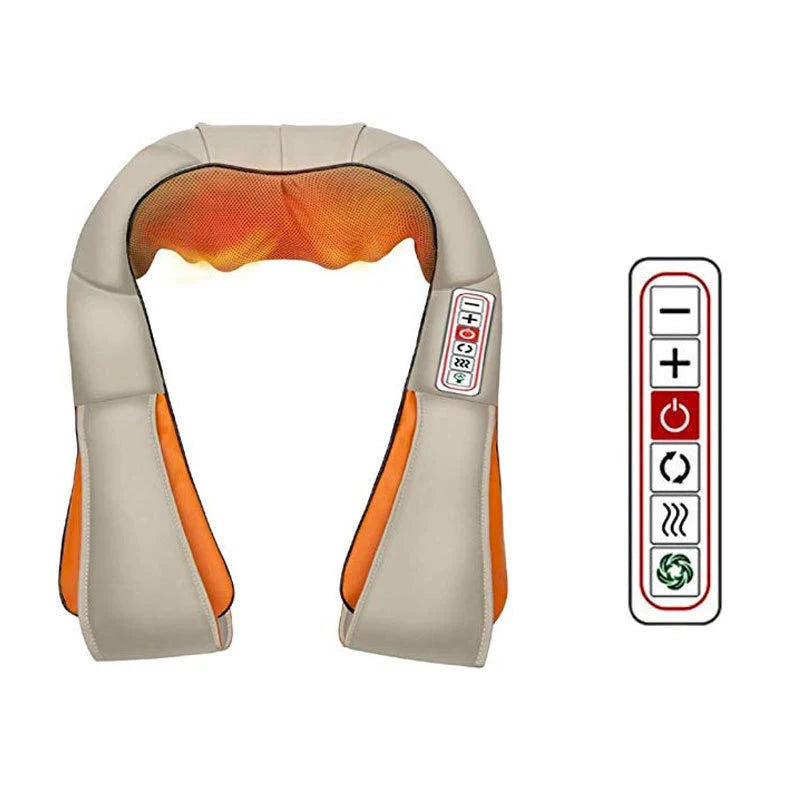
Deep tissue massage techniques can be adapted for a controlled home recovery routine.
Step-by-Step Guide: How to Do Deep Tissue Massage Safely
Learning how to do deep tissue massage at home starts with controlling pressure rather than trying to imitate the strongest pressure used by a professional therapist. Self-massage is best suited to accessible muscle groups and should remain comfortable throughout the session.
Prepare the Muscles
Begin with several minutes of gentle movement or light massage. This helps you identify where the tissue feels tight before applying more focused pressure. Avoid starting with intense pressure on a cold or highly sensitive area.
Pressure Progression
Start with light pressure and gradually increase it only if the sensation remains comfortable. A useful rule is that pressure should feel noticeable and productive without causing sharp pain, numbness, tingling, burning, or protective muscle tightening.
Hand Positioning
Use broad surfaces such as the palm or fingers when warming tissue. For more targeted work, a thumb or massage tool can be used on accessible muscle areas. Avoid pressing directly over bones, the front or sides of the neck, the spine, open wounds, or visibly inflamed areas.
Follow These Steps
- Choose an accessible muscle area that feels tight but is not acutely injured.
- Warm the area with gentle strokes or comfortable movement for several minutes.
- Apply slow pressure along the muscle using your fingers, palm, or an appropriate massage tool.
- Spend a short period on particularly tight areas instead of repeatedly pressing one spot for a long time.
- Reduce pressure if discomfort increases rather than assuming more pressure will produce better results.
- Finish with gentle movement or stretching that feels comfortable.
For a convenient deep tissue massage at home , the KentDO Kneading Shawl Massager can be used according to its operating instructions. It is better to begin with a lower intensity and adjust gradually than to use the highest setting immediately.
Aftercare
After massage, return to normal activity gradually. Gentle movement, comfortable stretching, and adequate fluid intake can be part of a normal recovery routine. If the area becomes increasingly painful rather than gradually settling, stop further massage and consider whether another cause needs attention.
Deep Tissue Massage Techniques for Common Problem Areas
The best technique depends on the location and type of tension. Not every body area is appropriate for deep pressure, and some regions require considerably more caution than others.
Neck and Shoulders
For tight shoulders, use broad, slow strokes over the upper trapezius muscles before moving to gentle targeted pressure. Avoid applying deep pressure to the front or sides of the neck. Do not press directly on the cervical spine.
A common mistake is squeezing the shoulders aggressively because they feel tight. Instead, use gradual pressure and combine massage with comfortable neck and shoulder movement.
Upper and Lower Back
For the upper back, focus on the muscles beside the spine rather than pressing directly onto the vertebrae. For the lower back, broad pressure over accessible muscles is preferable to concentrated force on the spine or kidneys.
Deep tissue massage for back pain should be avoided when pain is severe, unexplained, associated with neurological symptoms, or follows a significant injury until the cause has been assessed.
Glutes and Hips
The gluteal muscles can tolerate focused massage when performed carefully. Use slow pressure on the muscular portion of the glutes and adjust intensity based on comfort. Avoid areas where pressure produces radiating pain, tingling, or numbness.
Calves and Feet
For tight calves, use slow strokes along the muscle and avoid pressing directly on the shin bone or Achilles tendon. Foot massage can focus on the soft tissues of the sole using moderate pressure rather than aggressive digging.
Stop immediately if a calf is suddenly swollen, unusually warm, red, or painful, particularly when symptoms are unexplained. These symptoms should not be treated as ordinary muscle tightness with deep massage.
Deep Tissue Massage vs Other Massage Techniques
Deep massage therapy techniques overlap with several other approaches, but their goals and typical pressure levels can differ. Choosing a technique based on the desired outcome is more useful than assuming one style is universally better.
| Massage Technique | Typical Pressure | Primary Goal | Best Suited For |
|---|---|---|---|
| Swedish Massage | Light–Moderate | Relaxation and general muscular comfort | Stress relief and relaxation |
| Sports Massage | Light–Firm | Exercise-related recovery and mobility | Active individuals and athletes |
| Deep Tissue Massage | Moderate–Firm | Persistent muscular tension and stiffness | People seeking targeted muscle work |
| Trigger Point Therapy | Targeted | Work on specific tender points | Localized muscular tenderness |
| Myofascial Release | Gentle–Sustained | Address perceived restrictions in soft tissue | People experiencing restricted movement or tissue tightness |
Swedish Massage
Swedish massage generally emphasizes relaxation, circulation, and broad muscular work. It is often a better choice when the primary goal is relaxation rather than concentrated work on persistent tightness.
Sports Massage
Sports massage is commonly adapted around training and competition. It can include techniques that overlap with deep tissue work but does not necessarily mean deeper pressure throughout the session.
Trigger Point Therapy
Trigger point therapy focuses more specifically on localized tender points. It can be incorporated into a broader massage session rather than treated as an entirely separate approach.
Myofascial Release
Myofascial release typically uses slower, sustained pressure rather than aggressive force. It may be useful when the primary complaint is a feeling of restriction or reduced ease of movement.
Safety, Contraindications, and Common Mistakes
Deep tissue massage is not appropriate for every situation. More pressure does not automatically mean greater benefit, and aggressive massage can aggravate an injury or underlying condition.
Who Should Avoid Deep Tissue Massage
Deep massage should be avoided over acute injuries, open wounds, burns, active skin infections, or areas with unexplained swelling. People with certain medical conditions, bleeding disorders, blood-clot concerns, recent surgery, or other significant health issues should ask a qualified healthcare professional whether massage is appropriate before receiving deep-pressure treatment.
Anyone experiencing unexplained severe pain, progressive weakness, significant numbness, or other concerning symptoms should seek medical assessment rather than attempting to treat the problem with self-massage.
Signs You're Using Too Much Pressure
- Sharp, stabbing, or burning pain.
- Numbness or tingling.
- Pain that travels away from the area being massaged.
- Protective muscle tightening or spasms.
- Bruising or significant tenderness.
- Symptoms that become worse during or after the session.
Expected Soreness
Mild tenderness can occur after unfamiliar massage, particularly when previously tight muscles have been worked. However, severe pain, substantial bruising, swelling, weakness, or symptoms that continue to worsen are not signs that the massage was more effective.
Recovery Timeline
Many people can return to normal light activity after a massage. If you feel sore, choose gentle movement and avoid immediately repeating intense pressure on the same area. Persistent or worsening symptoms should be evaluated rather than treated with progressively deeper massage.
Self-Massage Alternatives Between Sessions
Professional massage is only one option for managing everyday muscle tightness. Self-care tools can provide convenient maintenance between appointments, although they should not be used to diagnose or treat an unexplained injury.
Foam Rollers
Foam rollers are useful for applying broad pressure to larger muscle groups such as the thighs, glutes, and calves. Move slowly and avoid rolling directly over joints, bones, or areas of acute pain.
Massage Balls
Massage balls provide more localized pressure than a foam roller. They can be useful for accessible areas such as the glutes, upper back muscles, and soles of the feet. Use a wall or floor to control pressure and avoid placing excessive force on sensitive structures.
Stretching
Gentle stretching can complement massage by taking muscles through comfortable ranges of motion. Stretching should feel like mild tension rather than pain. Active movement can also help maintain the mobility gained after massage.
Percussion Massage Devices
Percussion devices deliver rapid mechanical pulses rather than the slow pressure used in traditional deep tissue massage. They can be convenient for larger muscle groups, but users should avoid bony areas, the front of the neck, open wounds, and acutely injured tissues.
For daily muscle comfort, alternating massage with mobility work, stretching, and appropriate rest can be more sustainable than repeatedly using deep pressure on the same tight area.
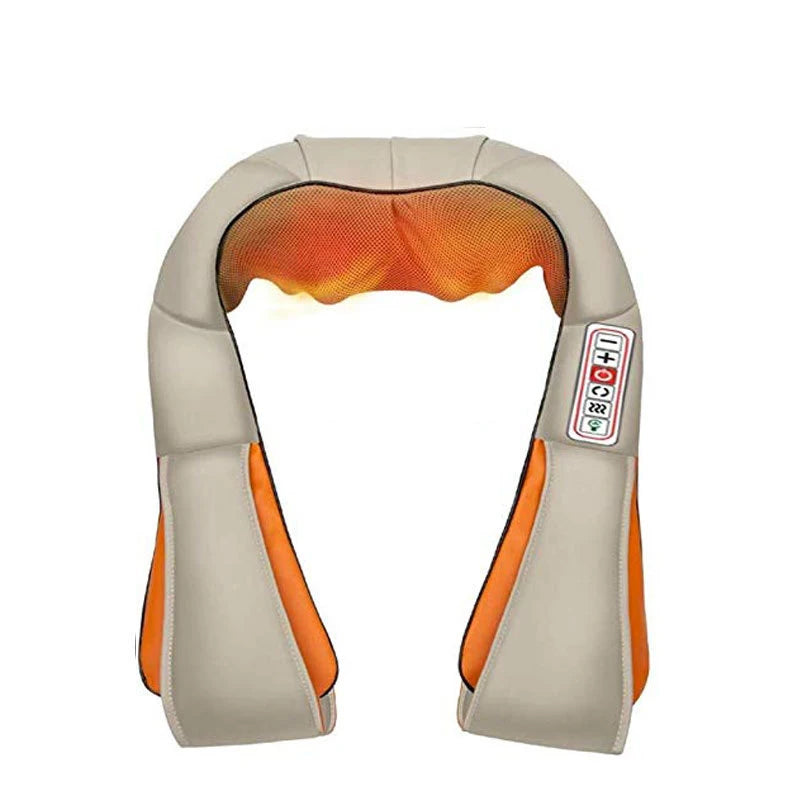
Controlled kneading can complement stretching and other muscle recovery strategies.
Explore more wellness options in the Body Care and Health Devices collection.
Frequently Asked Questions
What are the best deep tissue massage techniques for muscle knots?
Common techniques include stripping, cross-fiber friction, trigger point pressure, and myofascial release. Effleurage is often used first to warm the area. The most appropriate technique depends on the location, sensitivity, and cause of the tightness.
How much pressure should be used during deep tissue massage?
Use enough pressure to create a noticeable but tolerable sensation without sharp pain, numbness, tingling, burning, or protective muscle tightening. Beginners should start lightly and increase pressure gradually.
Is deep tissue massage good for chronic back pain?
It may provide short-term relief for some people whose back discomfort has a muscular component. However, chronic or unexplained back pain can have many causes, so massage should not substitute for appropriate medical evaluation or rehabilitation when needed.
Can beginners safely perform deep tissue massage at home?
Beginners can perform gentle self-massage on accessible muscle groups when there is no acute injury or medical contraindication. Start with low pressure, avoid vulnerable areas such as the spine and front of the neck, and stop if symptoms such as sharp pain, numbness, or tingling occur.
How long should a deep tissue massage session last?
Session length varies according to the area being treated and the person's tolerance. A short, focused session can be appropriate for self-massage, while professional appointments may be longer and address several areas. Longer sessions are not automatically more effective.
What should I do after a deep tissue massage?
Resume activity gradually, use comfortable movement or gentle stretching, and avoid immediately applying intense pressure to the same area again. If significant pain, swelling, bruising, weakness, or other unusual symptoms develop, seek appropriate medical advice.
When should deep tissue massage be avoided?
Avoid deep pressure over acute injuries, open wounds, active skin infections, unexplained swelling, and areas with severe or unexplained pain. People with certain medical conditions, recent surgery, blood-clot concerns, or bleeding disorders should obtain professional medical guidance before deep tissue massage.
How is deep tissue massage different from trigger point therapy?
Deep tissue massage generally works across broader areas of muscle and connective tissue using techniques such as slow stripping and sustained pressure. Trigger point therapy is more localized and concentrates on specific tender points. The two approaches can be combined during a professional massage session.
Does a deep tissue massage hurt?
It can feel intense or mildly uncomfortable, but it should not be sharply painful. Increasing pressure simply because a technique feels uncomfortable is not a reliable way to improve results. Reduce the pressure or stop if the sensation becomes painful, causes numbness, or produces tingling.
How often should I get a deep tissue massage?
There is no single schedule that works for everyone. Frequency depends on your goals, activity level, recovery, and how your body responds. Allow soreness to settle before repeating intense work on the same area, and seek professional guidance when massage is being used alongside treatment for a persistent condition.
Can deep tissue massage remove muscle knots?
Massage may reduce the sensation of tightness and tenderness associated with what people commonly call muscle knots. It is more accurate to describe this as changing muscle sensitivity and comfort than claiming that massage physically removes a knot or breaks apart tissue.
Should I stretch before or after a deep tissue massage?
Gentle movement before massage can help warm the body, while comfortable stretching after massage may help maintain mobility. Avoid aggressive stretching immediately before or after intense deep-pressure work, especially when the muscles are already sore.