

Do electric muscle stimulation devices really work?
Yes. Electric muscle stimulation (EMS) devices can be effective when they are used correctly and for appropriate goals. Clinical research suggests EMS supports muscle activation, post-exercise recovery, circulation, and rehabilitation when combined with exercise or physical therapy rather than used as a replacement for training. Results depend on consistent use, proper electrode placement, device quality, and selecting the right treatment program for your needs.
Best Electro Stimulation Machines (EMS Devices) for Muscle Recovery & Training [2026 Guide]
The best electro stimulation machines can help support muscle recovery, improve neuromuscular activation, and make at-home rehabilitation or post-workout recovery more convenient. However, not every electric muscle stimulator device delivers the same performance. In this guide, we compare today's leading EMS devices, explain who each model is best suited for, and show the features that matter most before you buy.
⏱ 6 min read
Explore how modern muscle recovery tools are used in everyday wellness.
Quick Comparison Table: Best EMS Machines at a Glance
| Product | Best For | Type | Intensity Levels | Key Features | Price Range |
|---|---|---|---|---|---|
| Compex Edge 3.0 | Full-body recovery & performance | EMS | 20+ | Professional programs, powerful output, preset recovery modes | $$$ |
| PowerDot 2.0 | Smart recovery | EMS | Custom via app | Bluetooth control, guided sessions, portable design | $$$ |
| Flex Belt | Core muscle training | EMS | 150 | Hands-free abdominal stimulation | $$ |
| iReliev TENS + EMS | Pain relief & recovery | EMS + TENS | 25 | Dual therapy modes for muscles and nerves | $$ |
| HealthmateForever | Budget home use | EMS/TENS | 20 | Affordable multi-mode therapy | $ |
7 Best Electro Stimulation Machines (Tested & Ranked)
We evaluated these best electro stimulation machines using four primary criteria: stimulation strength, ease of use, portability, and overall value. We also considered available training programs, recovery performance, comfort during use, and the type of user each device is designed for.
Best Overall: Compex Edge 3.0
The Compex Edge 3.0 remains one of the best electrical muscle stimulation devices for athletes, rehabilitation users, and anyone seeking professional-grade recovery. Multiple preset programs, strong output, and durable construction make it suitable for frequent use.
Best for: Athletes, serious fitness enthusiasts, and advanced recovery.
- Pros: Powerful muscle contractions, professional-quality programs, durable construction
- Cons: Premium price, learning curve for beginners
- Key specifications: 20+ intensity levels, multiple recovery and conditioning programs
- Value: Excellent long-term investment for frequent users
Best for Muscle Recovery: PowerDot 2.0
PowerDot 2.0 combines effective muscle stimulation with intuitive smartphone controls. Guided recovery sessions and personalized recommendations make it one of the easiest muscle recovery devices for users who prefer app-based coaching.
Best for: Recreational athletes and post-workout recovery.
- Pros: App guidance, personalized recovery programs, compact design
- Cons: Requires a compatible smartphone, higher price
- Key specifications: Wireless Bluetooth operation with customizable intensity
- Value: Strong option for users who value convenience and automation
Best for Strength Training: Flex Belt
The Flex Belt focuses specifically on abdominal muscle stimulation. While it should not replace exercise, it can supplement core activation and recovery routines with minimal setup.
Best for: Users targeting abdominal muscle activation.
- Pros: Easy setup, comfortable hands-free use, numerous intensity settings
- Cons: Limited treatment area, not intended for full-body training
- Key specifications: Up to 150 intensity levels with targeted abdominal stimulation
- Value: Good choice for dedicated core-focused workouts
Best Budget Option: HealthmateForever
HealthmateForever offers solid everyday performance for users seeking an affordable electro stimulation machine for home use. Its combination of EMS and TENS functions provides flexibility without a premium price.
Best for: Beginners and budget-conscious buyers.
- Pros: Affordable, versatile treatment modes, beginner-friendly
- Cons: Lower stimulation output than premium models, basic construction
- Key specifications: 20 intensity levels with multiple therapy modes
- Value: Excellent entry-level option
Best Portable Device: iReliev Wireless Unit
The iReliev Wireless Unit is designed for users who want convenient recovery while traveling or between workouts. Its lightweight design makes it easy to carry without sacrificing everyday functionality.
Best for: Travelers and active users needing portable recovery.
- Pros: Lightweight, compact, wireless convenience
- Cons: Battery life may be limiting during extended sessions
- Key specifications: Wireless operation with portable form factor
- Value: Excellent balance of portability and performance
Best for Pain Relief: iReliev TENS + EMS
This combination unit provides both EMS muscle stimulation and TENS pain-relief therapy, making it suitable for users managing muscle soreness alongside everyday aches and discomfort.
Best for: Recovery combined with pain management.
- Pros: Dual-function therapy, versatile treatment options, strong overall value
- Cons: EMS output is less powerful than dedicated premium EMS devices
- Key specifications: EMS and TENS modes with 25 intensity levels
- Value: Great all-around choice for mixed recovery needs
Best Professional-Grade: Compex Wireless USA 2.0
Built for demanding users, the Compex Wireless USA 2.0 delivers advanced training, rehabilitation, and recovery programs in a fully wireless system. It is one of the strongest options for experienced athletes and performance-focused users.
Best for: Elite athletes, clinics, and intensive recovery routines.
- Pros: Wireless operation, advanced programs, exceptional stimulation quality
- Cons: Very expensive, more features than casual users may need
- Key specifications: Professional-grade wireless EMS with multiple specialized programs
- Value: Premium performance for users who will fully utilize its capabilities
What Is Electro Muscle Stimulation (EMS)?
Electro muscle stimulation (EMS) is a therapy and training technology that delivers controlled electrical impulses through adhesive electrode pads placed on the skin. These impulses imitate the signals normally sent from the brain to the muscles, causing targeted muscle contractions even when voluntary movement is minimal.
An electro stimulation machine for home use is commonly used to support post-workout recovery, muscle re-education after injury, rehabilitation programs, and supplemental strength training. While EMS can improve muscle activation and complement an exercise routine, it is most effective when paired with regular physical activity rather than used as a substitute for exercise.
Depending on the selected program and intensity, EMS devices may be used to:
- Improve muscle activation during rehabilitation
- Support recovery after intense workouts
- Help maintain muscle engagement during periods of limited mobility
- Supplement strength and conditioning programs
- Promote comfortable, targeted muscle contractions at home
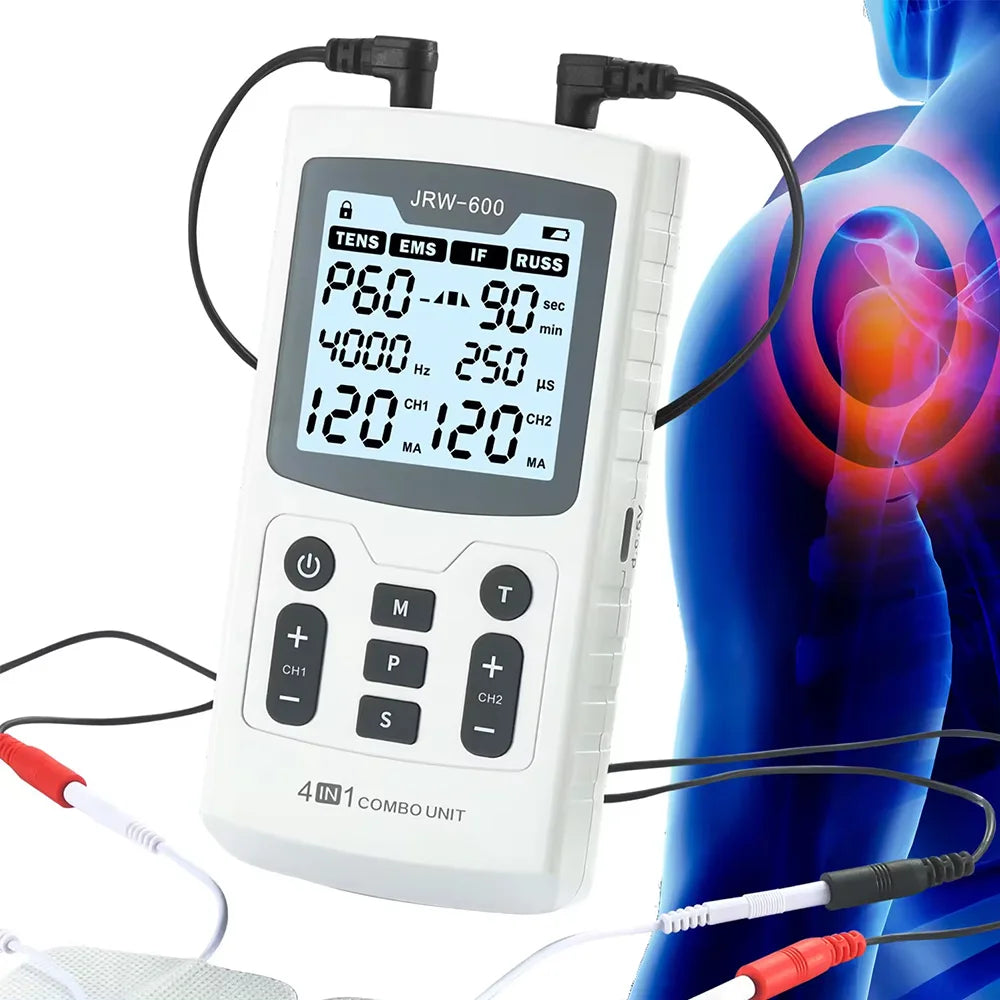
electric muscle stimulation devices explained side by side See it in action
TENS vs EMS vs NMES: What's the Difference?
Although these therapies all use electrical stimulation, they serve different purposes. Understanding the differences helps you choose the right device for recovery, rehabilitation, or pain management.
- EMS (Electrical Muscle Stimulation): Stimulates muscles to contract, making it suitable for muscle recovery, conditioning, and performance support.
- TENS (Transcutaneous Electrical Nerve Stimulation): Targets sensory nerves rather than muscles to help reduce the perception of pain without producing significant muscle contractions.
- NMES (Neuromuscular Electrical Stimulation): A specialized form of EMS commonly used in rehabilitation settings to improve muscle activation, restore function, and assist recovery after injury or surgery.
For muscle recovery and training, EMS or NMES programs are typically the better choice. For temporary pain relief, TENS therapy is generally more appropriate. Many modern combination units include both EMS and TENS modes, allowing users to switch between recovery and pain-management sessions as needed.

does electric muscle therapy work in real life? See it in action
Benefits and Limitations of Electro Stimulation Machines
When used consistently and according to the manufacturer's instructions, an electric muscle stimulator device can complement exercise, rehabilitation, and recovery. While EMS is not a replacement for strength training or physical therapy, it offers several evidence-supported benefits for appropriate users.
- Supports muscle recovery: May help reduce post-exercise muscle soreness and promote recovery between training sessions.
- Encourages healthy circulation: Repeated muscle contractions can increase localized blood flow during treatment.
- Improves muscle activation: Useful for engaging specific muscle groups during rehabilitation or periods of reduced activity.
- Provides pain management options: Combination EMS/TENS devices allow users to switch between muscle stimulation and nerve stimulation for temporary pain relief.
- Convenient home therapy: Portable devices make it easy to complete recovery sessions at home, at work, or while traveling.
- Limitations: EMS works best alongside regular exercise and should not be viewed as a shortcut for building strength or replacing a comprehensive fitness program.
Many users pair EMS sessions with other Body Care and Health Devices for a more complete recovery routine.
How to Use an EMS Device Safely and Effectively
Learning how to use an EMS device properly improves comfort, safety, and treatment effectiveness. Always begin with the manufacturer's instructions before progressing to higher intensity levels.
Electrode Placement Basics
- Clean and dry the skin before attaching the electrode pads.
- Place the electrodes directly over the target muscle group, avoiding joints, broken skin, and sensitive areas.
- Ensure both pads adhere fully for consistent electrical contact.
- Select the appropriate program, such as recovery, conditioning, or muscle activation.
- Begin with the lowest comfortable intensity and gradually increase until you achieve a strong but comfortable muscle contraction.
Session Duration
Most electro stimulation machines for home use are designed for sessions lasting between 15 and 30 minutes per muscle group. Longer sessions do not necessarily produce better results and may increase muscle fatigue.
Frequency of Use
Most healthy users benefit from 3 to 5 sessions per week , depending on their recovery goals, training schedule, and the specific treatment program selected. Allow muscles adequate recovery time between higher-intensity sessions.
Always follow manufacturer instructions, replace worn electrode pads when necessary, and stop treatment if you experience unusual discomfort.
For users building a full self-care setup, pairing EMS with options from Lifestyle collections can enhance overall comfort and relaxation.
Is Electrical Muscle Stimulation Safe?
Electrical muscle stimulation is generally considered safe for most healthy adults when used as directed. Following proper placement guidelines and recommended treatment durations helps minimize the risk of skin irritation or excessive muscle fatigue.
Who Should Avoid EMS
- People with pacemakers or implanted electronic medical devices
- Individuals with certain heart conditions unless cleared by a healthcare professional
- Pregnant individuals unless specifically advised by their healthcare provider
- Anyone with open wounds, active skin infections, or broken skin where electrodes would be placed
Common Side Effects
- Mild muscle soreness after higher-intensity sessions
- Temporary skin redness beneath electrode pads
- Minor muscle fatigue following prolonged treatment
When to Consult a Healthcare Professional
Seek medical advice before using EMS if you have a chronic medical condition, are recovering from surgery, or plan to incorporate electrical stimulation into a rehabilitation program. Discontinue use and consult a healthcare professional if you experience persistent pain, dizziness, or significant skin irritation.
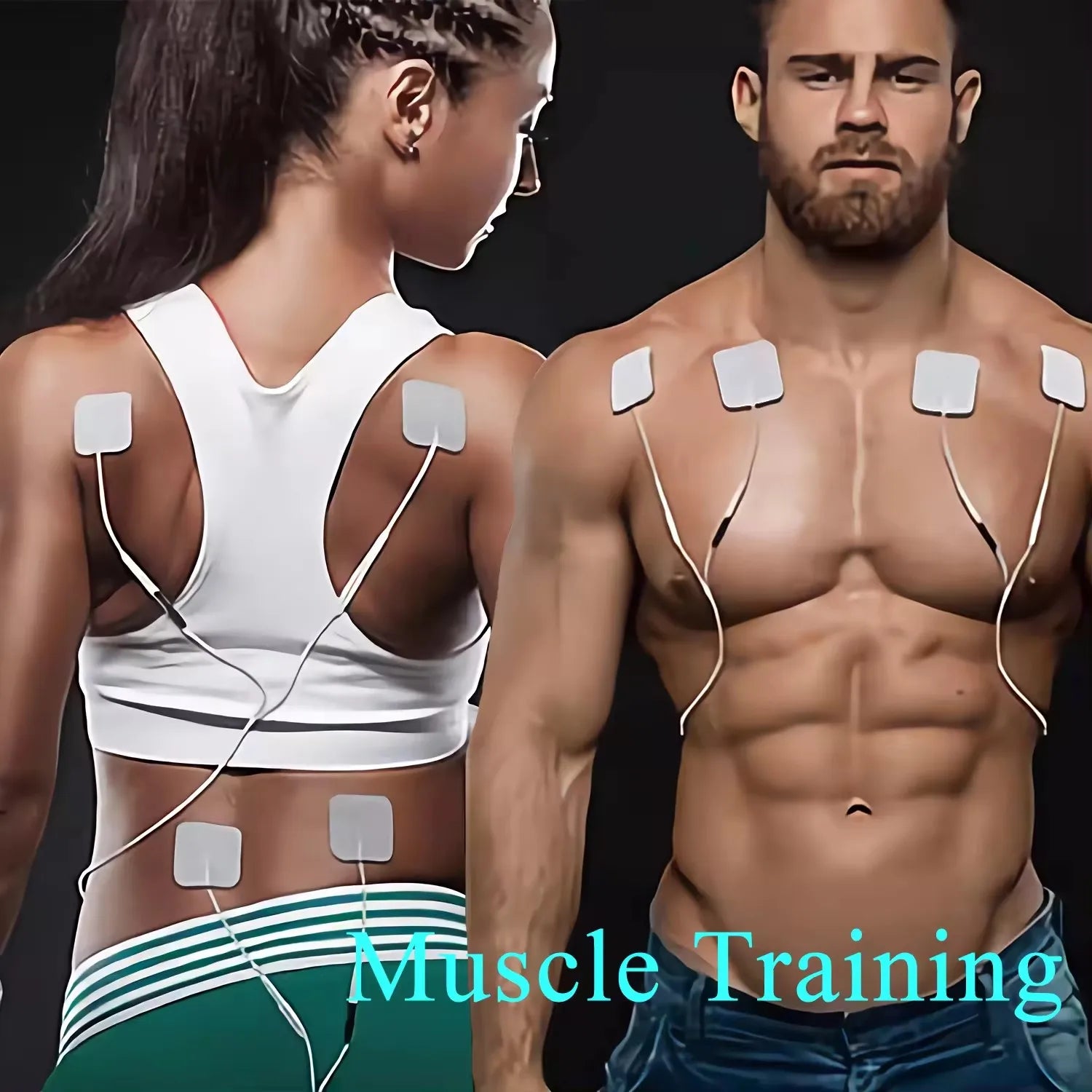
using electric muscle stimulator at home See it in action
Which Electro Stimulation Machine Is Best for Your Needs?
- Athletes: Choose a high-output EMS device with multiple recovery and conditioning programs to support muscle recovery between training sessions.
- Office workers: A compact EMS or combination EMS/TENS unit can help relieve muscle tightness associated with prolonged sitting.
- Rehabilitation users: Look for an electro stimulation machine that offers gentle, adjustable intensity levels suitable for muscle re-education under professional guidance.
- Fitness enthusiasts: EMS devices can supplement existing strength and conditioning routines by improving muscle activation.
- Busy individuals: Lightweight, portable units make it easy to complete recovery sessions at home, while traveling, or during work breaks.
How to Choose the Best Electro Stimulation Machine
Selecting the right muscle stimulator device depends on your treatment goals, desired features, and budget. Consider the following factors before purchasing.
Treatment Goal
- Muscle recovery: Choose a dedicated EMS device with recovery-focused programs.
- Pain management: Select a combination EMS/TENS device for greater versatility.
- Rehabilitation: Look for adjustable intensity and multiple treatment modes.
- Muscle conditioning: Higher-output EMS devices generally provide more progressive training options.
Output Modes
Some devices provide EMS only, while others combine EMS with TENS. Combination units offer greater flexibility if you expect to use the device for both muscle recovery and temporary pain relief.
Intensity & Programs
Choose a model with multiple intensity levels and preset treatment programs. More adjustment options allow you to tailor sessions to your comfort level and recovery goals as you gain experience.
Electrode Compatibility
Check that replacement electrode pads are readily available and affordable. High-quality pads improve conductivity, comfort, and long-term ownership costs.
Battery, Portability & Budget
Wireless rechargeable units offer greater convenience for frequent users, while corded models may provide stronger output at a lower price. Balance portability, battery life, available features, and long-term value before making your decision.
Explore the electric muscle stimulator
Maintenance, Electrode Pads and Replacement Tips
Proper maintenance helps maximize device performance and extends the lifespan of your electrode pads.
- Store the device and pads in a cool, dry location after each session.
- Apply electrode pads only to clean, dry skin to improve adhesion.
- Replace pads when they lose their stickiness or stimulation becomes uneven.
- Avoid folding or stretching the pads during storage.
- Follow the manufacturer's cleaning and storage recommendations for the device and accessories.
Frequently Asked Questions
Are muscle stimulators effective?
Yes. Muscle stimulators can effectively support muscle activation, recovery, rehabilitation, and circulation when used consistently alongside exercise or an appropriate rehabilitation program.
How often should I use an EMS device?
Most users benefit from three to five sessions per week, although frequency depends on treatment intensity, recovery goals, and manufacturer recommendations.
Can EMS replace exercise?
No. EMS complements exercise by supporting muscle activation and recovery, but it does not replace regular strength training or cardiovascular exercise.
Is electrical muscle stimulation safe?
For most healthy adults, EMS is safe when used according to the manufacturer's instructions. Individuals with implanted electronic medical devices, certain heart conditions, or other medical concerns should consult a healthcare professional before use.
What is the difference between TENS, EMS and NMES?
EMS stimulates muscles to contract, TENS primarily targets sensory nerves to help relieve pain, and NMES is a rehabilitation-focused form of electrical muscle stimulation commonly used to improve muscle function following injury or surgery.
Can I use an electro stimulation machine at home?
Yes. Most modern electro stimulation machines are designed for safe home use, provided users follow the instructions for electrode placement, intensity, and session duration.
How long do electrode pads last?
Electrode pads typically last between 20 and 40 treatment sessions, depending on pad quality, skin preparation, and storage. Replace them when adhesion or stimulation quality noticeably declines.













