

What is the Best Winter Face Covering for Cold Weather?
The best winter face covering shields your nose, mouth, and neck from cold air, wind chill, and moisture loss while remaining breathable during everyday wear or outdoor activities. A neck gaiter for cold weather offers one of the best combinations of warmth, flexibility, and comfort, while scarves and balaclavas may be better suited to specific conditions. The right choice depends on temperature, wind exposure, and your activity level.
Neck Gaiter vs Scarf
A neck gaiter stays securely in place, making it a practical option for hiking, running, skiing, commuting, and other active pursuits. Traditional scarves provide excellent warmth but can loosen, become bulky, or snag during movement. For people who spend long periods outdoors, a neck gaiter for cold weather generally offers better coverage with less adjustment.
Neck Gaiter vs Balaclava
A balaclava provides maximum protection by covering the head, neck, and much of the face, making it ideal for severe winter weather. A neck gaiter is lighter, easier to adjust, and can be worn around the neck, over the chin, or across the nose as conditions change. Many outdoor enthusiasts prefer a gaiter because it adapts quickly to changing temperatures and activity levels.
When a Neck Gaiter Is the Best Choice
If you need a versatile winter face covering that balances insulation, breathability, and comfort, a neck gaiter is often the best option. Fleece models excel in dry, cold weather, merino wool performs well during high-output activities thanks to superior moisture management, and insulated or windproof designs offer additional protection in harsh winter conditions.
12 Best Neck Gaiters for Winter (2026 Reviews & Buying Guide)
Discover the best winter neck gaiters for everyday wear, winter sports, commuting, and outdoor work. This guide compares popular materials, explains how to choose the right model, and highlights the features that matter most for warmth, breathability, fit, and long-term comfort.
Cold wind, low temperatures, and dry air can quickly make outdoor activities uncomfortable. A quality winter neck gaiter helps retain body heat, reduces wind exposure, and manages moisture without restricting breathing. Whether you're walking the dog, skiing, hiking, cycling, or working outside, choosing the best neck gaiter for cold weather starts with matching the material and design to your climate and activity.
⏱ 6 min read
Explore the options below and find the comfort upgrade your cold-weather routine has been missing.
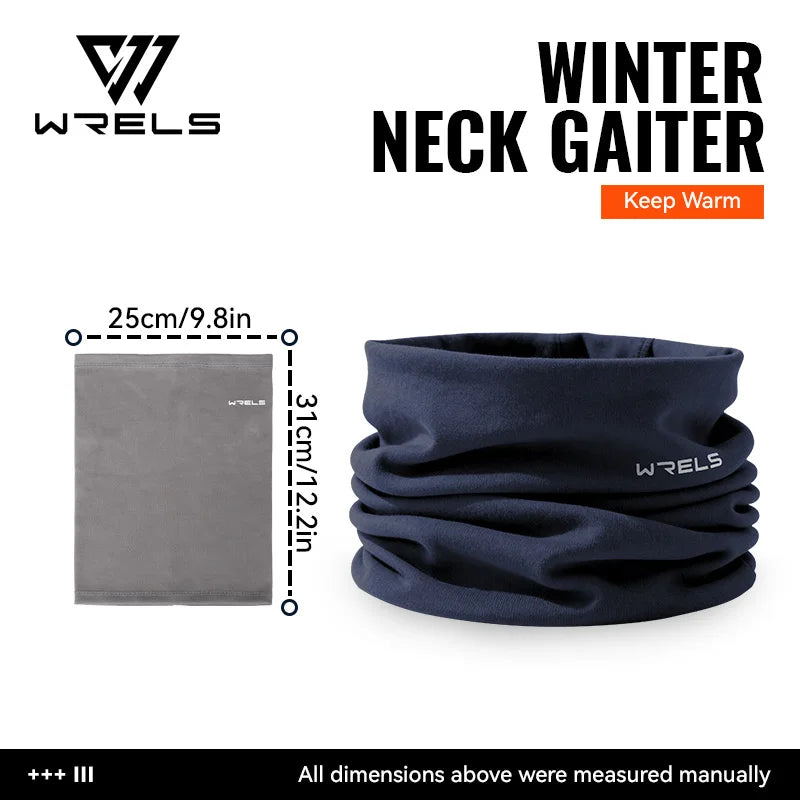
Cold mornings feel different with the right winter face covering. See it in action.
Why Choosing the Right Neck Gaiter Matters
A warm winter neck gaiter is more than a cold-weather accessory. It helps protect exposed skin from wind chill, reduces heat loss around the neck and lower face, and creates a more comfortable barrier against dry winter air. The right design also improves breathability, making it easier to stay comfortable during both low- and high-intensity activities.
Whether you're commuting, skiing, hiking, running, or working outdoors, selecting the right gaiter improves warmth, comfort, and overall performance. A poorly fitting gaiter can trap excess moisture, slip out of position, or provide inadequate insulation, while a well-made gaiter delivers reliable protection without limiting movement or airflow.
Fleece, Merino Wool, or Synthetic? Choosing the Right Material
The material of a winter neck gaiter has the biggest impact on warmth, breathability, moisture management, and overall comfort. Matching the fabric to your typical weather conditions and activity level will help you stay warm without overheating.
Fleece
A fleece neck gaiter is one of the most popular choices for everyday winter wear. Fleece traps warm air efficiently, feels soft against the skin, and dries quickly after light moisture exposure. It performs best in cold, dry climates and is ideal for commuting, walking, casual hiking, and general outdoor use. While standard fleece provides excellent insulation, pairing it with a windproof outer layer offers better protection in exposed conditions.
Merino Wool
Merino wool naturally regulates temperature, wicks moisture away from the skin, and resists odors even after extended wear. These qualities make it an excellent choice for skiing, winter running, snowshoeing, and other high-output activities where sweat management is as important as insulation. Compared with fleece, merino wool generally offers better moisture management but typically comes at a higher price.
Synthetic & Hybrid Fabrics
Synthetic and hybrid materials combine durability, stretch, and weather resistance. Many insulated neck gaiters use polyester blends with windproof membranes or brushed interiors to maximize warmth while reducing heat loss. These designs are especially well suited for strong winds, wet snow, and prolonged exposure to freezing temperatures.
Whether you choose fleece, merino wool, or a synthetic blend, selecting the right material ensures your neck gaiter delivers the warmth, comfort, and durability needed for your environment.
How to Choose the Best Winter Neck Gaiter
If you're wondering how to choose a winter neck gaiter, focus on the conditions you'll face most often. The best option balances insulation, breathability, fit, and weather protection without compromising comfort during extended wear.
Activity Type
Your primary activity should guide your purchase. Skiers, snowboarders, runners, and hikers benefit from a breathable winter neck gaiter that manages moisture while maintaining warmth. For commuting, dog walking, or everyday errands, thicker fleece models typically provide the most comfortable insulation.
Weather Conditions
Consider both temperature and wind exposure. Lightweight gaiters work well in cool weather above freezing, while thermal or insulated designs provide better protection during freezing temperatures. In windy environments, a windproof outer layer helps reduce heat loss and improves comfort.
Fit and Comfort
A quality gaiter should fit securely without feeling restrictive. Four-way stretch fabrics, flat seams, and ergonomic construction improve comfort and reduce irritation during long periods of wear. A properly fitted gaiter also stays in place beneath jackets, hats, or helmets.
Wind Protection
Not every gaiter blocks wind equally. If you regularly encounter exposed trails, ski lifts, or cold morning commutes, prioritize fabrics designed to reduce wind penetration while still allowing sufficient airflow. Wind-resistant panels can significantly improve warmth in harsh conditions.
Breathability and Moisture Management
Breathability becomes increasingly important during vigorous activities. Materials such as merino wool and performance synthetic fabrics help move perspiration away from the skin, reducing the damp feeling that can quickly become uncomfortable in cold weather.
Sizing
Most men's and women's winter neck gaiters use a universal stretch fit, but sizing still matters. Choose a gaiter that seals comfortably around the neck without slipping or feeling overly tight around the face. Taller designs provide additional coverage over the chin and nose, while shorter options are often sufficient for everyday winter use.
Top 12 Best Neck Gaiters for Winter
The best neck gaiter for winter depends on your climate, activity level, and preferred balance of warmth and breathability. The categories below highlight the features that matter most for different use cases, making it easier to identify the best cold weather neck gaiter for your needs.
Best Overall
A versatile fleece-lined gaiter with a comfortable stretch fit and dependable wind resistance is the best all-around choice for commuting, hiking, and everyday winter wear. Look for a balance of insulation, breathability, and durability.
Best for Extreme Cold
Insulated neck gaiters featuring multi-layer construction and windproof outer fabrics provide maximum protection during sub-zero temperatures, snowstorms, and prolonged outdoor exposure.
Best for Running
Lightweight, moisture-wicking designs made from merino wool or technical synthetic fabrics help regulate temperature while preventing overheating during high-intensity winter runs.
Best for Skiing
Skiers benefit from gaiters that fit comfortably beneath a helmet, resist wind, and dry quickly after repeated breathing or snow exposure.
Best for Hiking
Hikers often prefer breathable gaiters that provide reliable warmth across changing elevations and weather conditions without becoming bulky inside layered clothing.
Best for Cycling
Wind-resistant models with a close, aerodynamic fit help reduce cold air penetration while remaining comfortable during extended rides.
Best Budget
Basic polyester fleece gaiters offer dependable warmth and comfort at an affordable price, making them an excellent option for casual winter use.
Best Fleece
Fleece neck gaiters remain a favorite thanks to their soft feel, reliable insulation, and versatility for daily wear in cold, dry weather.
Best Merino Wool
Merino wool gaiters excel in moisture management, natural odor resistance, and temperature regulation, making them ideal for active winter sports.
Best Windproof
Windproof gaiters use tightly woven fabrics or protective membranes to minimize heat loss in exposed environments without sacrificing comfort.
Best Insulated
Thermal multi-layer designs provide the highest level of warmth for outdoor work, snowmobiling, hunting, and severe winter conditions.
Best Everyday
For daily errands and commuting, a medium-weight fleece gaiter offers an excellent balance of warmth, comfort, breathability, and easy maintenance.
Explore the winter neck gaiter here
Comparison Table: Key Features at a Glance
| Material | Warmth | Breathability | Wind Resistance | Best Activity |
|---|---|---|---|---|
| Fleece | High | Moderate | Moderate | Commuting, everyday wear, walking |
| Merino Wool | High | Excellent | Moderate | Running, hiking, skiing |
| Synthetic Performance | Moderate to High | High | High | Cycling, winter sports, mixed conditions |
| Insulated Multi-Layer | Very High | Moderate | Excellent | Extreme cold, outdoor work, hunting |
This comparison makes it easier to match the best winter neck gaiter to your environment. Fleece offers exceptional everyday comfort, merino wool excels during active pursuits, while insulated and windproof designs provide the greatest protection in harsh winter weather.
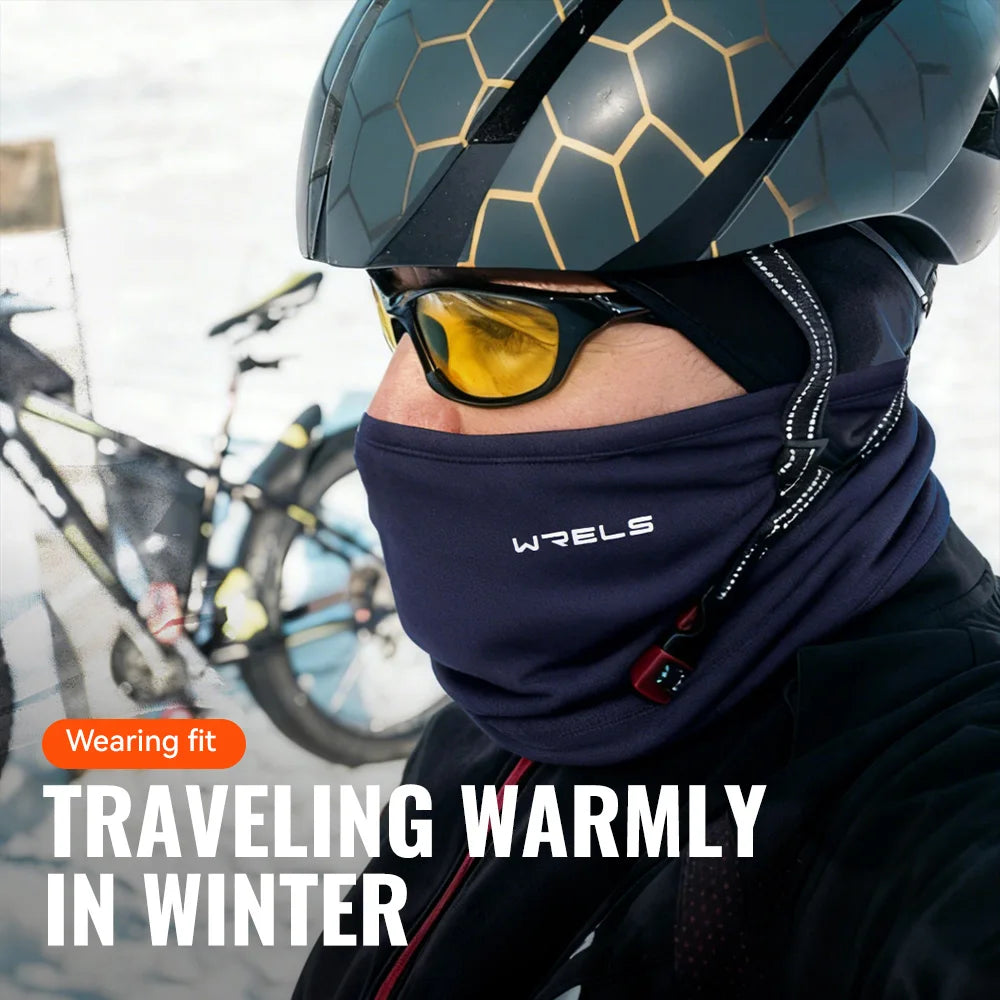
Comparing cold weather face covers side by side. See it in action.
Tips for Wearing a Neck Gaiter in Winter Sports
Wearing your neck gaiter correctly improves warmth, comfort, and visibility while helping protect from wind during winter sports. Small adjustments in layering and fit can make a noticeable difference in changing weather conditions.
Layering with Hats
For cold but relatively calm weather, wear the gaiter over your jacket collar and tuck the upper edge beneath a beanie or winter hat to seal out drafts. In extremely cold temperatures, combining a thermal hat with a fleece gaiter creates an effective barrier against heat loss around the neck and ears.
Using with Helmets
Choose a low-profile gaiter that fits comfortably beneath ski, snowboard, or cycling helmets without creating pressure points. Stretch fabrics help maintain full freedom of movement while preventing exposed gaps between your helmet, goggles, and jacket.
Reducing Glasses Fogging
If you wear glasses or goggles, position the top edge of the gaiter just below the bridge of your nose or select a breathable fabric that allows warm air to escape gradually. A snug fit around the cheeks helps direct exhaled air downward, reducing condensation and improving visibility.
Quick FAQs About Neck Gaiters
Is a neck gaiter warm enough for freezing temperatures?
Yes. Fleece-lined and insulated neck gaiters provide excellent protection in freezing conditions, especially when paired with a winter jacket, hat, and other cold-weather layers.
Do neck gaiters fog glasses?
They can if warm breath escapes upward. Choosing a breathable fabric and adjusting the fit around your nose and cheeks helps reduce fogging and improves comfort.
Are fleece neck gaiters warm?
Yes. Fleece neck gaiters are highly effective at trapping body heat while remaining soft, lightweight, and comfortable for extended everyday wear.
Fleece vs wool neck gaiter: which is better?
Fleece generally provides better value, softness, and insulation for casual winter use, while merino wool offers superior moisture management, natural odor resistance, and temperature regulation during active pursuits.
Is a neck gaiter good for winter sports?
Yes. Neck gaiters are popular for skiing, snowboarding, hiking, cycling, and winter running because they provide flexible protection without restricting movement or helmet compatibility.
How do fleece neck gaiters compare to merino wool for moisture management?
Merino wool typically manages perspiration more effectively during sustained activity by wicking moisture and regulating temperature naturally. Fleece dries quickly and provides excellent warmth but may retain more moisture during high-intensity exercise.
Can you machine wash a neck gaiter?
Most fleece and synthetic neck gaiters are machine washable using a gentle cycle and cold water. Air drying is recommended to help preserve elasticity and extend the garment's lifespan. Always follow the manufacturer's care instructions for merino wool products.
What is the warmest neck gaiter material?
Multi-layer insulated fabrics generally provide the highest level of warmth for severe winter conditions. For everyday cold weather, thick fleece offers outstanding insulation, while merino wool delivers a strong balance of warmth and breathability.
Are windproof neck gaiters less breathable?
In many cases, yes. Windproof membranes improve protection against cold air but can reduce airflow compared with standard fleece or merino wool. Modern hybrid designs help balance wind resistance with sufficient breathability for most outdoor activities.
Common Mistakes When Buying a Winter Neck Gaiter
Choosing the right neck gaiter is about more than picking the warmest fabric. Avoiding these common mistakes will help you select a model that performs well throughout the winter season.
- Choosing the wrong material: Thick fleece is ideal for everyday cold weather, while merino wool and technical synthetics perform better during high-output activities.
- Buying the wrong size: A gaiter that is too loose allows cold air inside, while one that is too tight may become uncomfortable during extended wear.
- Ignoring breathability: Highly insulated models can become too warm for running, hiking, or cycling. Match the fabric to your activity level.
- Overlooking local weather: Windproof construction is valuable in exposed environments but may be unnecessary for milder winter climates.
Why Many Cold-Weather Users Choose a Fleece Neck Gaiter
A fleece neck gaiter continues to be one of the most popular winter face coverings because it combines dependable insulation, everyday comfort, and excellent value. For commuters, hikers, outdoor workers, and casual winter walkers, fleece provides reliable warmth without excessive weight or bulk.
While merino wool is often preferred for moisture management during high-intensity activities, fleece remains an excellent choice for people seeking soft, comfortable protection against cold air and wind during everyday use.
- Soft fleece lining for long-lasting comfort
- Wind-resistant exterior for improved cold-weather protection
- Lightweight design that packs easily into a pocket or backpack
- Stretch fit suitable for commuting, hiking, skiing, and everyday wear
Get yours now — limited stock!
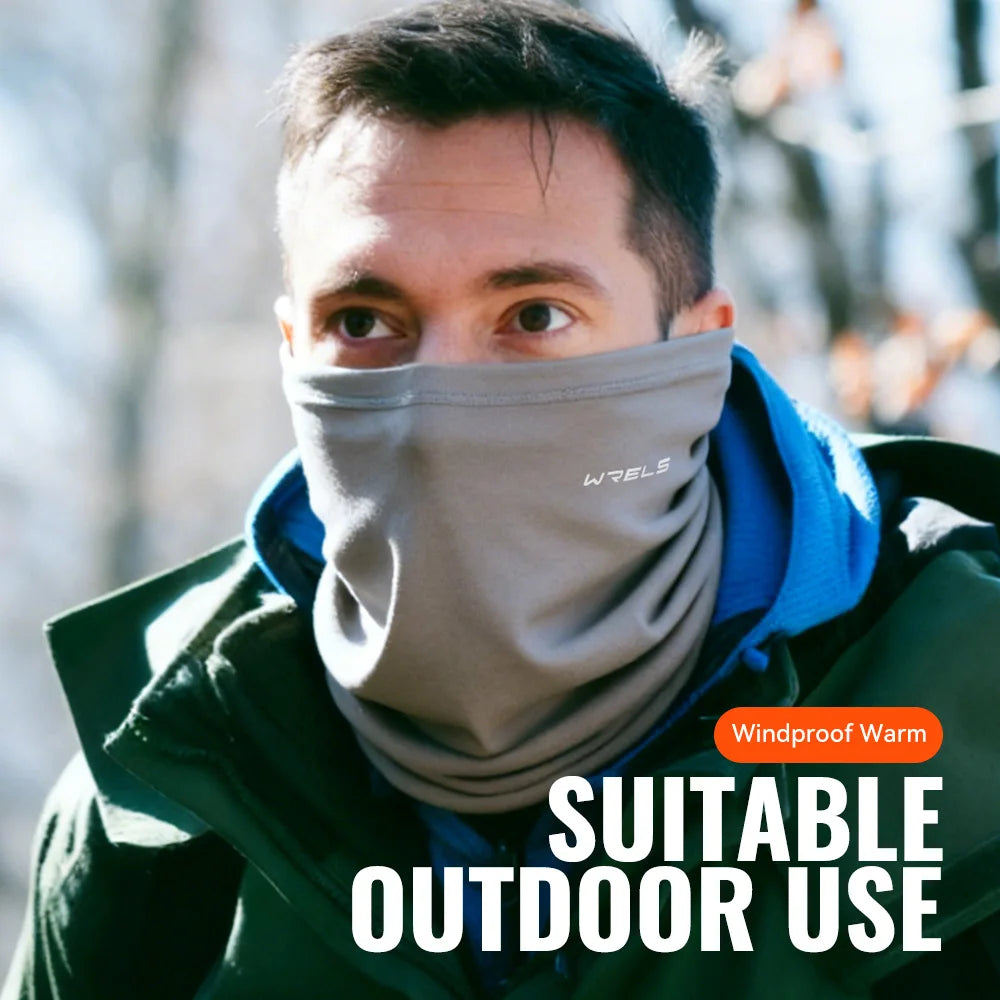
A closer look at a windproof neck gaiter. See it in action.
Looking to complete your cold-weather gear? Explore our guides on best heated gloves for winter, best winter hats, best thermal socks, best balaclavas for winter, winter layering guide, how to stay warm outdoors, best winter jackets, and cold weather running gear for more seasonal recommendations.
For more insights on protecting facial skin during seasonal changes, readers often browse the Body & Face Blog for practical care tips.
For lifestyle-focused winter comfort, many readers also explore seasonal wellness essentials in the Lifestyle collection.
Final thought: The best winter neck gaiter is one that matches your climate, activity level, and comfort preferences. Whether you choose fleece for everyday warmth, merino wool for moisture management, or an insulated windproof model for extreme conditions, the right gaiter helps you stay warm, comfortable, and focused on enjoying the outdoors.
View the fleece windproof neck gaiter













