

Why Your Feet Hurt After Workout & How to Relieve Foot Pain
Foot pain after workout doesn't always appear immediately. Your feet may feel fine after training but become sore the following morning or even 48 hours later. Whether your feet hurt after running, weightlifting, walking, or high-intensity workouts, identifying the underlying cause is the first step toward effective recovery. This guide explains why foot pain after exercise happens, how to tell normal soreness from an injury, practical treatment strategies, and when supportive recovery tools like foot massage may help.
⏱ 7 min read
Discover options designed to ease foot pain after workout and keep you moving comfortably.
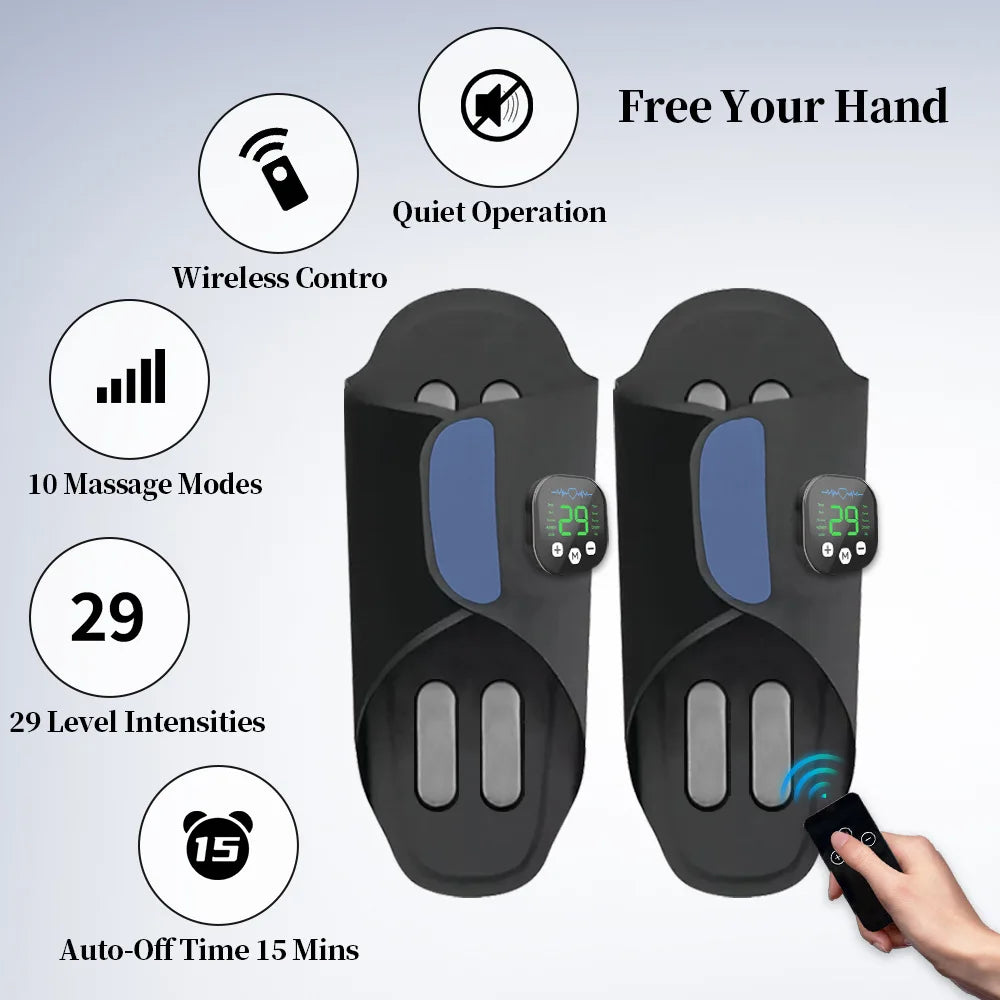
Relief starts at your feet — especially when foot pain after workout slows you down. See it in action.
Why Do Your Feet Hurt After a Workout?
Normal Muscle Soreness vs Injury
Not every case of foot pain after workout signals an injury. Delayed onset muscle soreness (DOMS) commonly develops 24–48 hours after unfamiliar or intense exercise and usually improves within a few days. In contrast, pain that becomes sharper during activity, prevents normal walking, or continues to worsen may indicate an injury requiring evaluation.
Common Symptoms to Watch For
Feet hurt after exercise for many different reasons. Pay attention to symptoms such as:
- General muscle soreness or stiffness
- Tenderness along the arch or heel
- Pain when taking the first steps in the morning
- Swelling after activity
- Discomfort that increases during running or jumping
When Foot Pain Is Not Normal
Persistent pain lasting beyond a week, significant swelling, bruising, numbness, inability to bear weight, or pain that becomes progressively worse should not be dismissed as routine soreness. These symptoms may point to stress fractures, tendon injuries, or other conditions that require medical assessment.
Foot Pain by Location: What Your Symptoms May Mean
Heel Pain After Working Out
Heel pain after working out is commonly associated with irritation of the plantar fascia or Achilles tendon. It often feels worse with the first steps after resting and may improve slightly as the foot warms up.
Arch Pain
Arch pain often develops from repetitive loading, insufficient recovery, or shoes that provide inadequate support. Long-distance runners and people increasing training volume quickly frequently experience this type of discomfort.
Ball of Foot Pain
Pain beneath the forefoot may result from repetitive pressure during sprinting, jumping, or heavy lifting. Activities that place excessive weight through the front of the foot can irritate the metatarsal region.
Top of Foot Pain After Exercise
Top of foot pain after exercise may be linked to irritated tendons, tight shoe laces, or overuse injuries. Persistent pain in this area should be evaluated, especially if swelling or tenderness over the bones develops.
Toe and Outer Foot Pain
Pain affecting the toes or outside edge of the foot may develop from poor footwear, altered running mechanics, ankle instability, or repetitive impact. Identifying exactly where pain occurs helps narrow down the most likely cause and guides recovery.
Common Causes of Foot Pain After Exercise
Plantar Fasciitis
Plantar fasciitis is one of the most common reasons for foot pain after working out. It develops when repeated stress irritates the thick band of tissue supporting the arch, often causing heel pain that is worst after periods of rest.
Rapid increases in mileage, workout intensity, or training frequency may overload muscles, tendons, and connective tissues before they have time to adapt. Recovery days are just as important as workout days.
Stress Fractures
Repeated impact over time can occasionally cause tiny cracks within the bones of the foot. Unlike muscle soreness, stress fracture pain often becomes increasingly localized and continues during everyday walking.
Tendon Irritation
Inflamed tendons around the foot and ankle may produce aching feet after exercise, particularly when workouts involve repeated jumping, hill running, or sudden changes in direction.
Poor Footwear and Biomechanics
Shoes that are worn out, poorly fitted, or unsuitable for your activity can increase stress across the foot. Individual biomechanics, including arch height and walking or running mechanics, also influence injury risk.
Why Your Workout May Be Causing Foot Pain
Running
Running places repetitive impact forces through the heel, arch, and forefoot. Increasing distance too quickly or running on hard surfaces can contribute to soreness and overuse injuries.
Walking
Even walking programs can cause foot pain after exercise when activity levels increase suddenly or footwear lacks adequate cushioning and support.
Weightlifting
Exercises such as squats, lunges, and Olympic lifts place significant pressure through the forefoot. Limited ankle mobility or improper lifting technique may increase stress on the feet.
HIIT and Jumping Sports
Sports involving repeated jumping, sprinting, and quick direction changes create substantial loading on the plantar fascia, tendons, and metatarsals, making gradual progression especially important.
Foot Pain After Exercise Treatment
First 24 to 72 Hours
Reduce training intensity, elevate your feet when possible, and consider short periods of ice if swelling develops. Gentle walking may be more beneficial than complete inactivity for mild muscle soreness.
Stretching and Mobility
Stretching the calf muscles, plantar fascia, and Achilles tendon may reduce tightness and improve mobility. Gentle mobility exercises are often most effective after warming up or following activity.
Strengthening Exercises
Building strength in the small muscles of the feet and lower legs helps improve stability and may reduce recurring foot pain after exercise. Balance exercises, towel curls, and calf raises are commonly recommended.
Pain Relief Options
Supportive footwear, adequate hydration, sufficient sleep, and self-massage may all contribute to recovery. Recovery tools should complement—not replace—appropriate rest and gradual return to activity.
Does a Foot Massager Help With Foot Pain After Workout?
A foot massager may help reduce foot pain after workout by encouraging relaxation, improving local circulation, and easing muscle tightness following exercise. Many active individuals find massage particularly helpful after running, long walks, or gym sessions when muscles feel fatigued.
When a Foot Massager Helps
Massage is most useful for mild soreness, muscle tightness, and post-workout recovery. It works best alongside stretching, supportive footwear, gradual training progression, and adequate recovery between workouts.
When It Will Not Solve the Problem
A foot massager cannot correct structural injuries, stress fractures, severe inflammation, or nerve-related conditions. Persistent pain should be evaluated rather than repeatedly treated with massage alone.
How to Use One Safely
Use gentle pressure for 5–10 minutes after exercise or before bed. Stop if massage significantly increases pain, and avoid using a massager directly over swollen, bruised, or acutely injured tissue.
See product details and recovery benefits
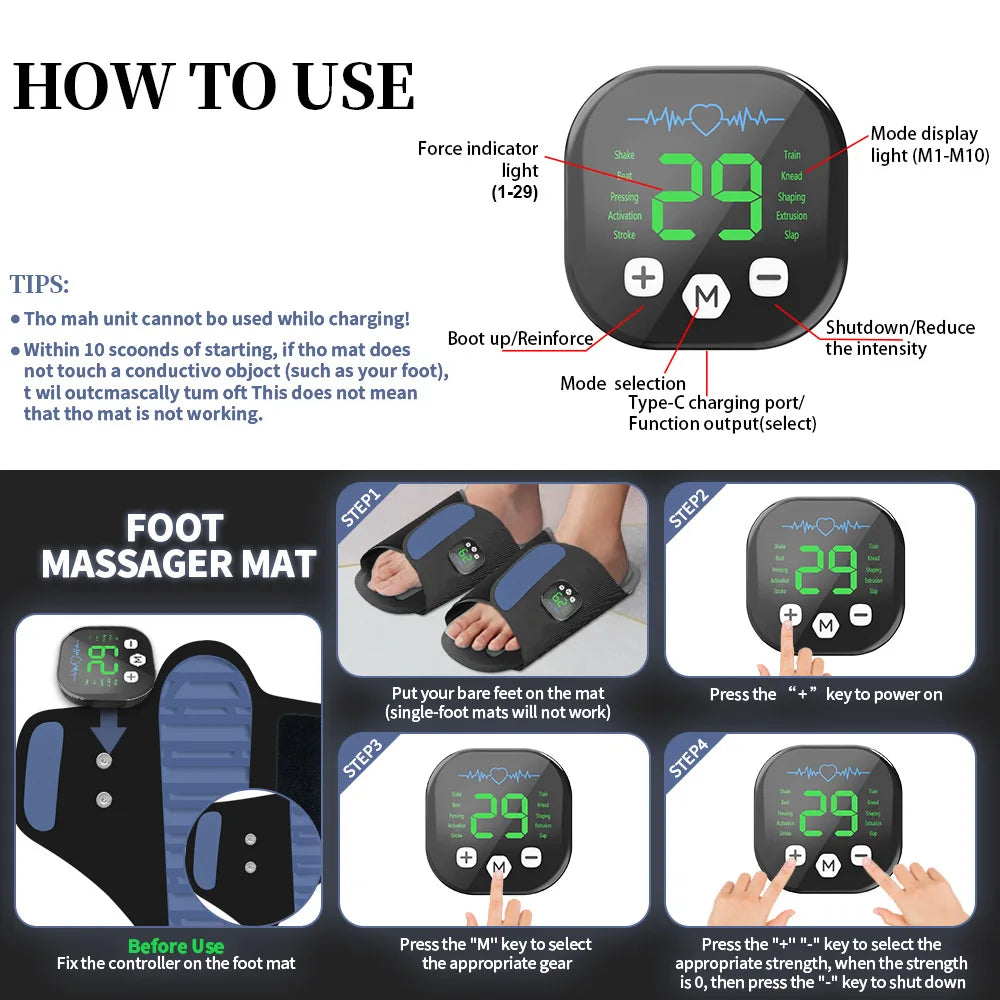
Designed for daily relief when foot muscles are sore after running. See it in action.
How to Prevent Foot Pain After Working Out
Choose Proper Footwear
Replace worn-out athletic shoes regularly and choose footwear designed for your preferred activity. Proper fit, cushioning, and arch support reduce unnecessary stress on the feet.
Warm Up and Cool Down
Prepare your muscles with a gradual warm-up before exercise and finish with light stretching to maintain flexibility and reduce post-workout stiffness.
Increase Training Gradually
Avoid sudden spikes in distance, intensity, or workout frequency. Progressive overload gives muscles, tendons, and bones time to adapt safely.
Recovery Habits
Prioritize hydration, balanced nutrition, quality sleep, and regular recovery routines. Consistent self-care often prevents small aches from becoming persistent injuries.
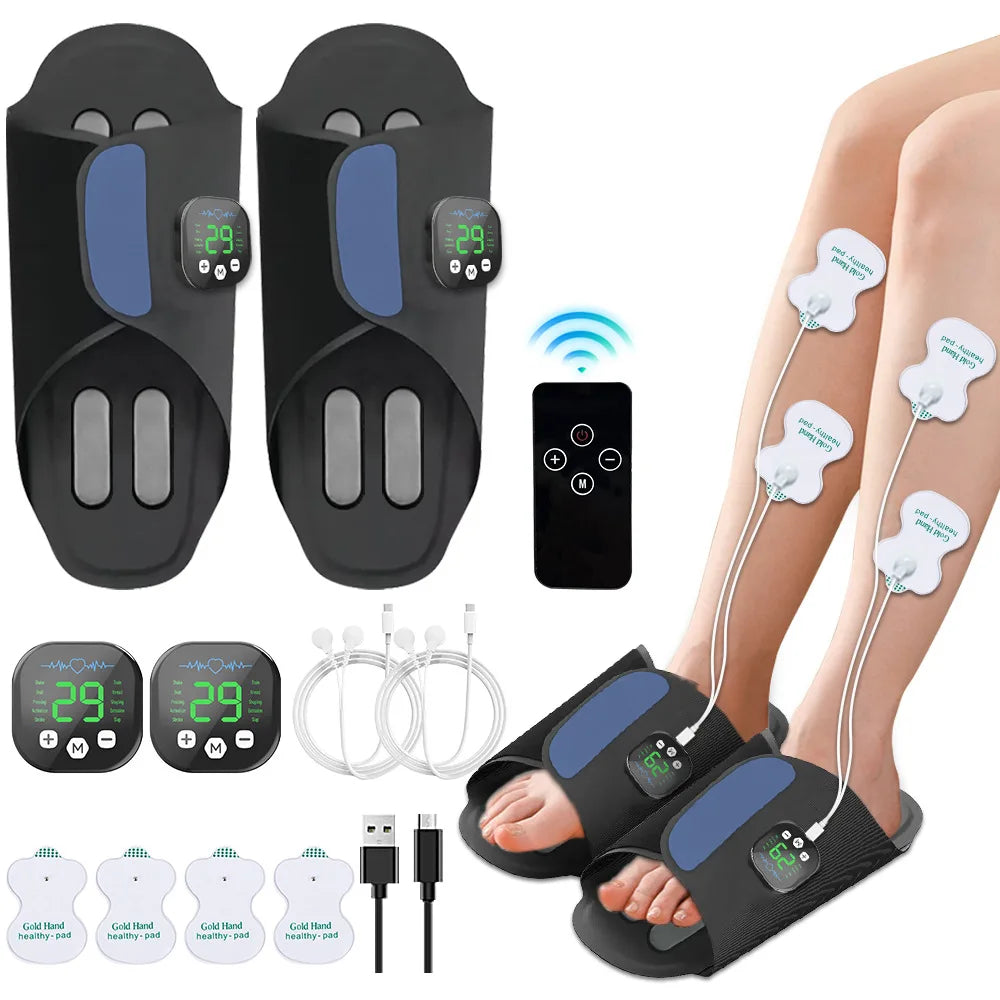
A smarter way to manage foot pain after workout at home. See it in action.
When to See a Doctor for Foot Pain
Red Flag Symptoms
Seek medical attention if you experience severe swelling, inability to bear weight, numbness, obvious deformity, fever, or pain following a traumatic injury.
Recovery Timeline
Most mild foot soreness improves within a few days. If pain continues beyond one week despite reducing activity and following basic recovery measures, further evaluation is recommended.
Return to Exercise Safely
Resume training gradually once you can walk comfortably without limping and perform normal movements without pain. Returning too quickly increases the risk of recurring injury.
Frequently Asked Questions
Why do my feet hurt after working out?
Your feet may hurt because of muscle fatigue, delayed onset muscle soreness, overuse, inadequate footwear, or conditions such as plantar fasciitis. The exact cause depends on where the pain occurs and how long it lasts.
How long should foot pain after exercise last?
Typical post-workout soreness usually improves within 24–72 hours. Pain that persists beyond a week or becomes progressively worse should be assessed by a healthcare professional.
Can I keep exercising with sore feet?
Light activity may be appropriate if discomfort is mild and improving. However, avoid pushing through sharp or worsening pain, especially if walking becomes difficult.
What causes heel pain after a workout?
Heel pain after working out is commonly linked to plantar fascia irritation, Achilles tendon problems, repetitive impact, or insufficient recovery between training sessions.
What causes top of foot pain after exercise?
Top of foot pain after exercise may result from tendon irritation, shoe pressure, overuse, or occasionally stress injuries affecting the bones of the foot.
What shoes help prevent foot pain after workouts?
Choose activity-specific shoes that fit properly and provide appropriate cushioning, stability, and arch support. Replacing worn footwear regularly can also help reduce injury risk.
Get yours now — limited stock!
For more wellness tools, explore :contentReference[oaicite:0]{index=0} and discover recovery solutions designed to support your active lifestyle.
Related Guide: :contentReference[oaicite:1]{index=1}













