Why Your Feet Hurt After Workout & How to Relieve Foot Pain
Foot pain after workout doesn’t always hit immediately — sometimes it appears the next morning or even two days later. Whether your foot muscles are sore after running, lifting, or intense training, understanding the causes and using effective recovery tools can help you regain comfort and mobility. This guide compares popular foot massager solutions and actionable strategies so you can recover smarter, not harder.
⏱ 7 min read
Discover options designed to ease foot pain after workout and keep you moving comfortably.
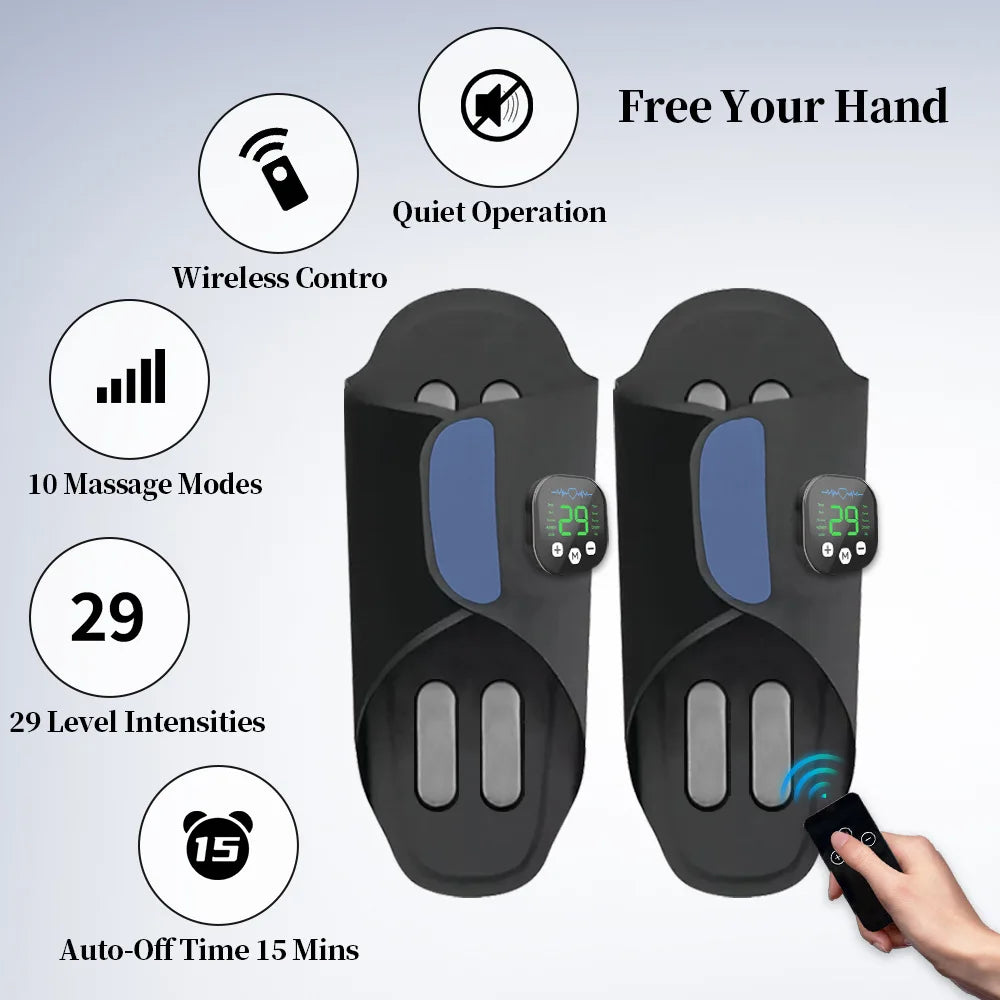
Relief starts at your feet — especially when foot pain after workout slows you down. 💡 See it in action
Does a foot massager help with foot pain after workout?
Yes, using the right foot massager can significantly reduce foot pain after workout by enhancing circulation, relaxing tight muscles, and easing soreness 24–48 hours post-exercise. Regular sessions support targeted self massage for foot pain, especially for runners and gym-goers experiencing delayed muscle soreness.
When a foot massager is effective
Foot massagers work best when combined with stretching, proper footwear, and rest. They help reduce tension in plantar fascia, improve blood flow, and accelerate recovery between workouts.
Limitations of foot massagers for recovery
While helpful, massagers cannot address structural issues, severe inflammation, or injuries like stress fractures. They are most effective as part of a holistic recovery plan.
Why Foot Pain After Workout Happens (And Why It Lingers)
Pain by Location: Heel, Arch, Ball of Foot
Identifying where your foot hurts helps pinpoint the cause. Heel pain often signals plantar fasciitis, arch discomfort may indicate overuse of midfoot muscles, and ball-of-foot soreness is typically linked to metatarsal stress.
Common Causes: Plantar Fasciitis, Overuse, Poor Footwear
Foot pain can arise from plantar fascia inflammation, repetitive strain on muscles and tendons, or inadequate shoes. Understanding the underlying cause allows targeted recovery strategies.
Workout-Specific Triggers: Running vs Weightlifting
Running stresses the arch and heel due to repetitive impact, while weightlifting may lead to soreness in the forefoot from stability demands. Knowing your workout’s impact informs the best recovery methods.
- Overuse of foot muscles during high-impact exercise
- Reduced blood flow post-training
- Plantar fascia stress from repetitive movement
- Skipping cooldown or recovery routines
Types of Foot Massagers Compared: Which One Fits Your Needs?
1. Manual Rollers & Balls
Simple and portable, manual rollers provide quick relief through self-applied pressure. Best for short sessions or travel.
Pros: Affordable, easy to use
Cons: Limited depth, requires effort
2. Electric Foot Massagers
These devices offer kneading, vibration, and heat for deeper relief. Ideal for those seeking hands-free recovery at home.
Pros: Deep relief, minimal effort
Cons: Bulkier, expensive
3. Massage Pads & Reflexology Mats
Flat pads target plantar zones evenly, helping reduce foot soreness and supporting consistent recovery routines.
Pros: Even pressure, easy storage
Cons: Requires standing or seated use
Why the KentDO Plantar Foot Massager Pad Stands Out
Designed for daily self massage for foot pain, the KentDO Plantar Foot Massager Pad delivers targeted pressure without discomfort. It improves circulation, reduces tension in the plantar fascia, and supports recovery from delayed muscle soreness.
See product details and recovery benefits
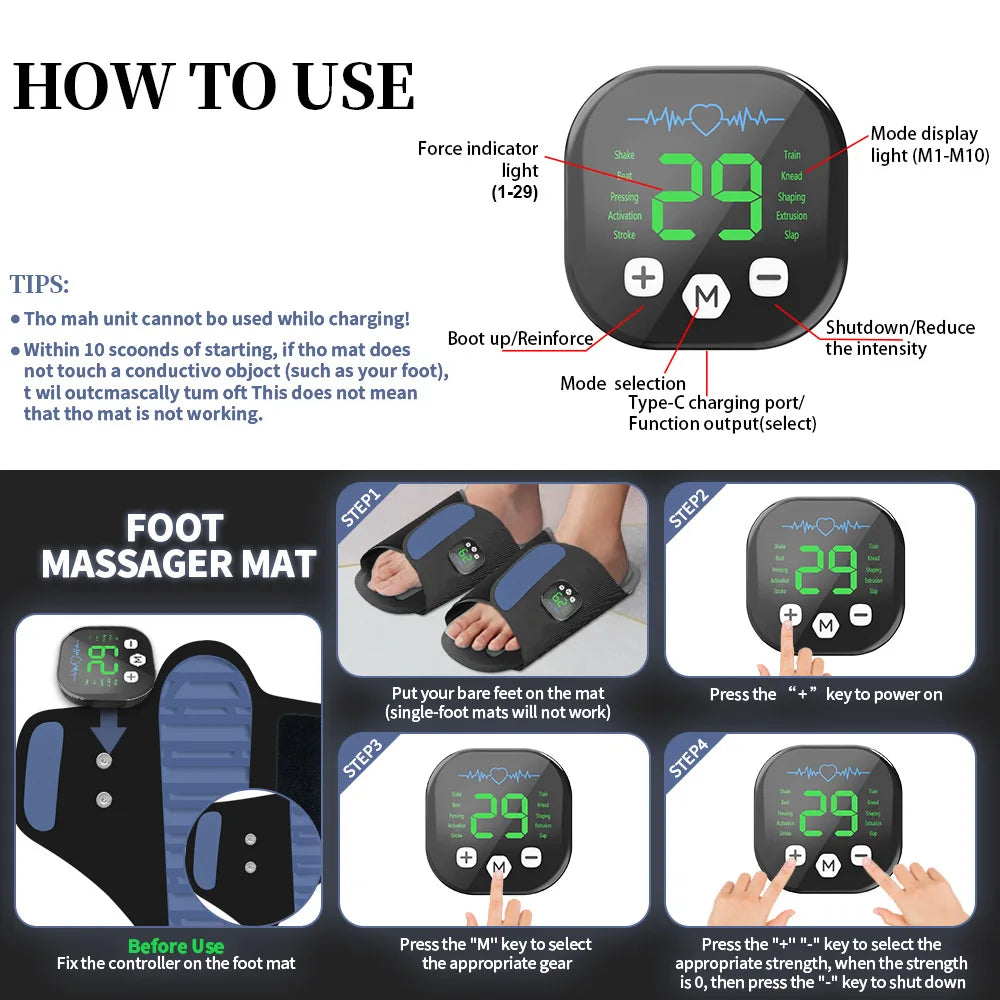
Designed for daily relief when foot muscles are sore after running. 💡 See it in action
Foot Massager Comparison: What Works Best?
| Type | Relief Level | Portability | Best For |
|---|---|---|---|
| Manual Roller | Low–Medium | High | Quick relief |
| Electric Massager | High | Low | Deep relaxation |
| Massage Pad | Medium–High | Medium | Consistent recovery |
Massage pads often offer the best balance between effectiveness and convenience for athletes and active individuals.
How to Use a Foot Massager for Faster Recovery
- Use after workouts or before bed for optimal results
- Apply gentle pressure initially, then increase gradually
- Focus on sore areas based on pain location (heel, arch, ball)
- Spend 5–10 minutes per session
- Maintain daily consistency for best outcomes
Pair your massager with targeted stretches for faster relief.
Who Benefits Most From Foot Massagers?
- Runners experiencing arch or heel soreness
- Gym-goers with delayed muscle soreness 24–48 hours post-workout
- Professionals on their feet all day
- Anyone seeking easy self massage for foot pain
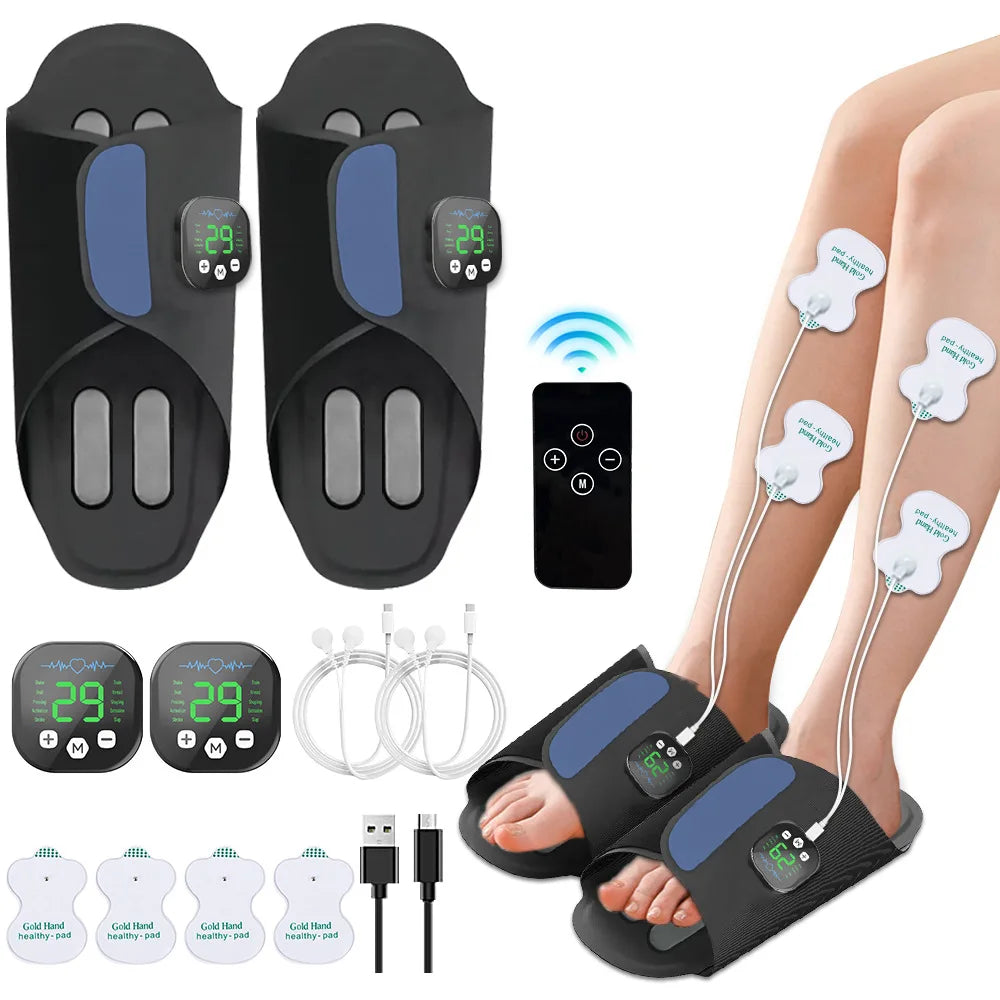
A smarter way to manage foot pain after workout at home. 💡 See it in action
Recovery & Prevention for Sore Feet After Exercise
Stretching & Mobility Exercises
Perform gentle stretches targeting the plantar fascia, Achilles tendon, and foot muscles to reduce tension and improve circulation. Yoga poses like downward dog and seated foot stretches are effective.
Rest & Ice Therapy
Allow sore feet to recover with rest and intermittent ice packs to reduce inflammation. Avoid high-impact activity until pain subsides.
Footwear & Insoles Recommendations
Supportive shoes and orthotic insoles can prevent recurring foot soreness. Look for proper arch support, cushioning, and heel stability tailored to your activity.
When to See a Doctor
Persistent or worsening foot pain, swelling, or numbness may indicate issues like plantar fasciitis flare-ups or stress fractures. Seek medical evaluation if pain does not improve after a week of consistent recovery strategies.
Frequently Asked Questions
How long does foot pain after workout usually last?
Mild foot soreness typically resolves within 24–72 hours. Pain from overuse or plantar fasciitis may last longer if not addressed.
Can self massage for foot pain replace stretching?
Self massage complements stretching but does not fully replace it. Combining both approaches speeds recovery and improves circulation.
Is a foot massager safe to use every day?
Daily use is generally safe for most people, but avoid using it on swollen or injured feet without professional guidance.
What’s the best way to relieve foot pain after running?
Ice therapy, foam rolling, stretching the arch, and wearing supportive shoes immediately after running helps reduce soreness and prevent injury.
Why do my feet hurt two days after working out?
Delayed onset muscle soreness (DOMS) is common 24–48 hours after intense workouts. It usually resolves with rest, gentle stretching, and proper hydration.
Get yours now — limited stock!
For more wellness tools, explore Body Care and Health Devices and discover recovery solutions designed to support your active lifestyle.
Related Guide: Electric Foot Massager Comparison: Which One Fits Your Needs