

Should You Use Heat or Cold for Neck Pain?
For heat or cold neck pain relief, use cold therapy for new injuries or inflammation, and heat therapy for chronic tension or stiffness. Cold reduces swelling, while heat boosts blood flow and relaxes tight muscles—making it ideal for lingering aches or stress-related pain.
Best Heat or Cold Neck Pain Relief Methods Reviewed
Wondering if heat or cold neck pain treatments really work better? Learn when to use heat or cold for neck pain, how heat helps muscle pain recover faster, and which techniques deliver lasting relief. From quick fixes to the best massage for neck and shoulder pain, discover what truly eases tension without side effects. Ready to find out which method your neck will thank you for?
⏱ 7 min read
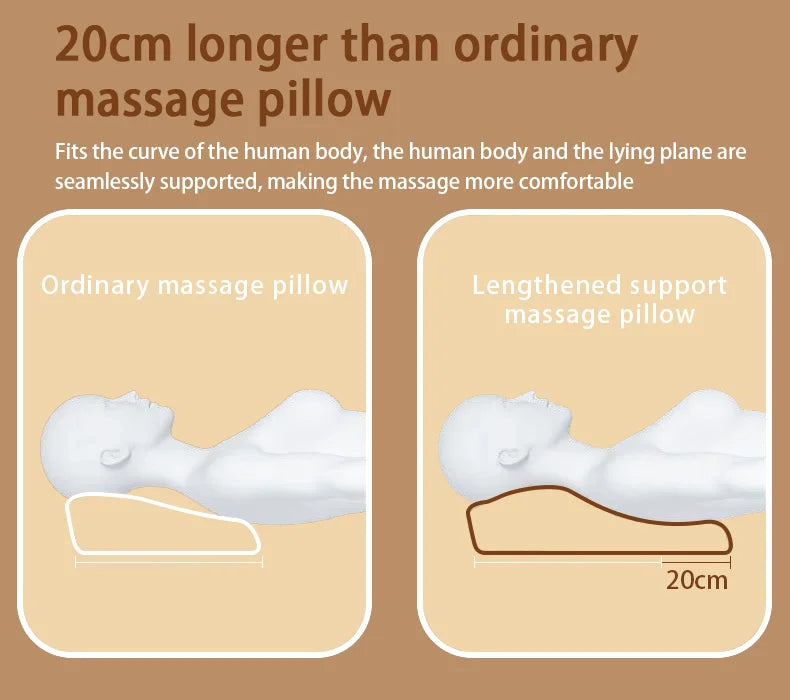
💡 Explore how heat or cold neck pain methods help muscle recovery — see which one’s best for you!
Understanding Neck Pain Causes
Neck pain affects millions of adults due to poor posture, long work hours, stress, or exercise strain. For desk workers and fitness lovers alike, this discomfort often leads to stiffness, headaches, and even sleep disruption. Identifying whether inflammation or muscle tension is the culprit determines if heat or cold is your best remedy.
Common Triggers of Neck Pain
- Prolonged screen time or slouching
- Sudden movement or strain during workouts
- Stress-induced muscle tension
- Poor pillow support while sleeping
Heat vs Cold: Which Works Best for Neck Pain?
For quick relief, apply cold for acute injuries (first 24–48 hours) and heat for ongoing stiffness or muscle soreness. Cold minimizes inflammation, while heat helps muscle pain by relaxing and improving circulation.
| Method | Best For | How It Helps | Duration |
|---|---|---|---|
| Cold Therapy | Recent injury, swelling, inflammation | Reduces blood flow and numbs pain | 10–15 minutes, 2–3 times daily |
| Heat Therapy | Chronic tension, stiffness, muscle knots | Improves circulation, promotes healing | 15–20 minutes, once or twice daily |

💡 Heat helps muscle pain and boosts recovery — combine with smart massage therapy for faster results.
How to Use Heat Therapy Safely
Heat therapy works best for tight muscles and tension caused by stress or poor posture. You can use warm towels, heating pads, or an electric massage pillow for consistent, controlled heat. Here’s how to apply it effectively:
- Apply a warm compress to the affected area for 15–20 minutes.
- Use moist heat for deeper muscle penetration.
- Relax and breathe deeply to enhance blood flow.
- Repeat once or twice daily as needed.
Using too much heat or sleeping with a heating pad can worsen swelling, so always monitor your comfort. The KentDO Electric Massage Neck Pillow automatically adjusts temperature for safety and optimal relaxation.
How to Apply Cold Therapy Effectively
Cold therapy is ideal for sudden pain or post-exercise strain. It prevents inflammation and numbs soreness quickly. Here’s how to use it properly:
- Wrap an ice pack or cold gel in a thin towel.
- Apply to the neck for 10–15 minutes.
- Repeat every few hours for the first 24 hours after pain onset.
- Switch to heat after inflammation subsides.
Cold therapy is a first-line defense, especially for athletes or anyone recovering from sudden neck tension. Combine with light stretches or self-massage once stiffness eases.
Best Massage for Neck and Shoulder Pain
Combining temperature therapy with the best massage for neck and shoulder pain delivers longer-lasting comfort. Massage increases blood flow and helps release trigger points that cause stiffness. For the best results, try:
- Gentle circular kneading motions after heat application
- Pressure-based massage to reduce tension knots
- Electric massagers for consistent, hands-free relief
Devices from our Body Care and Health Devices collection help you achieve professional-quality relief at home without scheduling expensive sessions.
KentDO Electric Massage Neck Pillow Review
The KentDO Electric Massage Neck Pillow combines gentle heat therapy and deep-kneading massage for effortless pain relief. It’s ergonomically designed to contour your neck and shoulders, promoting comfort and posture support. Here’s why it stands out:
- ✅ Adjustable heat levels for personalized comfort
- ✅ Deep tissue massage that targets stubborn tension
- ✅ Lightweight and travel-friendly
- ✅ Auto shut-off safety system
Compared to ordinary heat pads, this smart pillow enhances recovery through synchronized warmth and massage, making it ideal for both neck pain use heat or cold scenarios — especially when alternating therapy is recommended.
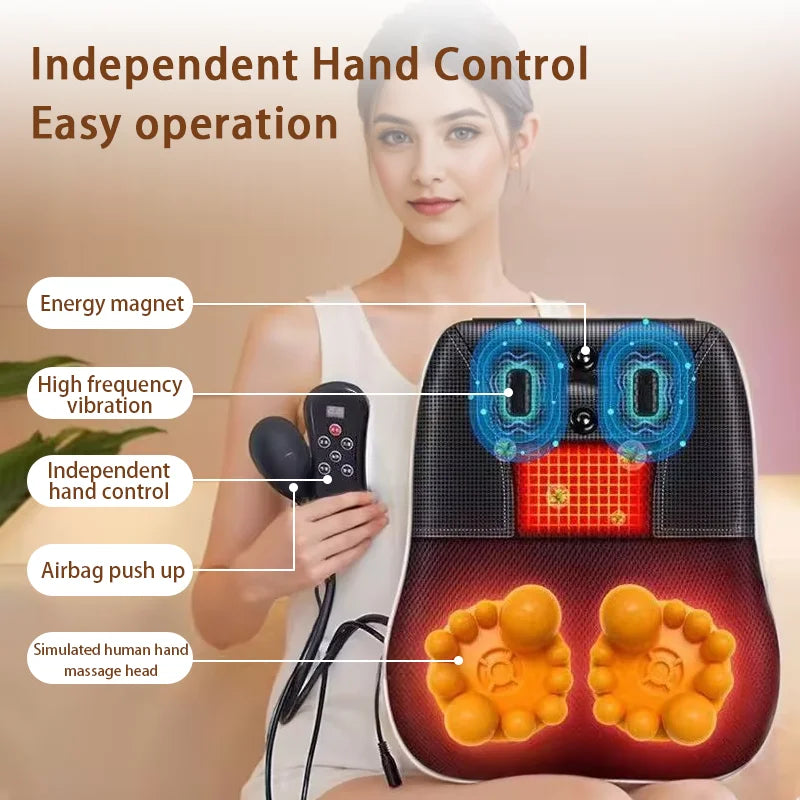
💡 Feel the difference — combine heat therapy and massage for lasting neck relief.
Real Results & Testimonials
Users report reduced stiffness and improved mobility after just one week of consistent use. Many mention relief from long work hours or post-gym soreness, noting that heat helps muscle pain recover faster when combined with gentle massage.
“After using the KentDO Neck Pillow daily, my neck tension vanished. It’s like having a personal therapist at home.” — Sarah M., Fitness Coach
These testimonials prove that technology-backed comfort can make self-care more effective, affordable, and consistent.
FAQs on Heat or Cold Neck Pain Relief
1. When should I use cold therapy for neck pain?
Use cold therapy immediately after injury or when swelling occurs. It helps constrict blood vessels and minimize inflammation within the first 24–48 hours.
2. Can I alternate between heat and cold treatments?
Yes, alternating heat and cold can reduce inflammation and then relax muscles. Start with cold for 10–15 minutes, wait an hour, and follow with heat to enhance recovery.
3. Is a massage pillow better than a heating pad?
Yes, a massage pillow like the KentDO Electric Massage Neck Pillow offers dual benefits: soothing heat and kneading massage that reaches deep muscle layers, unlike standard heating pads.
Explore more self-care tips in our Body & Face Blog or find innovative tools in Body Care and Health Devices.
Pillar Article: How to Relieve Neck Shoulder Pain: Targeted Use Cases Explained
Other Related Articles:
Explore More:













