Does a Heated Car Seat Cover Really Make Winter Driving More Comfortable?
The best heated car seat cover delivers targeted warmth directly where you need it most, making cold-weather driving noticeably more comfortable before your vehicle's cabin has time to warm up. Unlike your car's HVAC system, which heats the entire interior gradually, a heated car seat cover for winter focuses on your back and seat, helping reduce the shock of sitting on freezing upholstery during cold mornings.
Most quality warm car seat covers begin producing noticeable heat within 30 to 60 seconds and reach a comfortable operating temperature within a few minutes. While they don't replace the need for your vehicle's heater, they dramatically improve comfort during the first part of your journey. Compared with factory-installed heated seats, they also offer an affordable upgrade for older vehicles while providing similar everyday convenience for commuting, road trips, and winter errands.
⏱ 8 min read
Best Heated Car Seat Cover (2026): Tested Picks for Winter Driving
Climbing into an icy vehicle is one of winter's biggest driving frustrations. The best heated seat cover winter drivers choose provides immediate, targeted warmth without waiting for the cabin heater to catch up. Whether you commute every morning, drive for work, or simply want a more comfortable ride, a quality heated seat cover combines fast heating, dependable safety features, supportive cushioning, and easy 12V installation to make every trip more enjoyable.
Quick Picks: Best Heated Seat Covers at a Glance
- Best Overall: Balanced heating performance, durable construction, dependable safety features, and all-day comfort for everyday driving.
- Best Budget: Affordable 12V heated seat cover with reliable warmth and simple installation for occasional winter use.
- Best for Long Commutes: Supportive padding with consistent heat output that stays comfortable during extended drives.
- Best Luxury Feel: Premium upholstery, multiple temperature settings, and enhanced cushioning for a refined driving experience.
- Best for Quick Heat: Rapid warm-up in under a minute for drivers who frequently make short trips in cold weather.
These recommendations prioritize the factors that matter most in real-world winter driving: warm-up speed, heating consistency, temperature control, seat comfort, installation, safety protection, durability, and overall value. Whether you're shopping for the best heated seat cover for daily driving or the best heated seat pads for extra warmth in cold climates , this guide helps you narrow your options quickly.
Comparison Table: Top Heated Car Seat Covers
| Model | Power Type | Heat Levels | Material | Safety Features | Best For |
|---|---|---|---|---|---|
| Model A | 12V Plug-in | Low / High | Polyester | Auto shut-off | Daily driving |
| Model B | 12V Plug-in | 3 Levels | Leatherette | Overheat protection | Cold climates |
| Model C | 12V Plug-in | 2 Levels | Memory foam | Timer shut-off | Long commutes |
When comparing a 12V heated seat cover , don't focus only on maximum temperature. Heating consistency, adjustable controls, secure fit, installation time, cable routing, and built-in protection such as automatic shut-off or overheat protection have a greater impact on daily ownership. The best plug in heated car seat cover combines reliable warmth with comfortable materials and dependable safety features for everyday use.
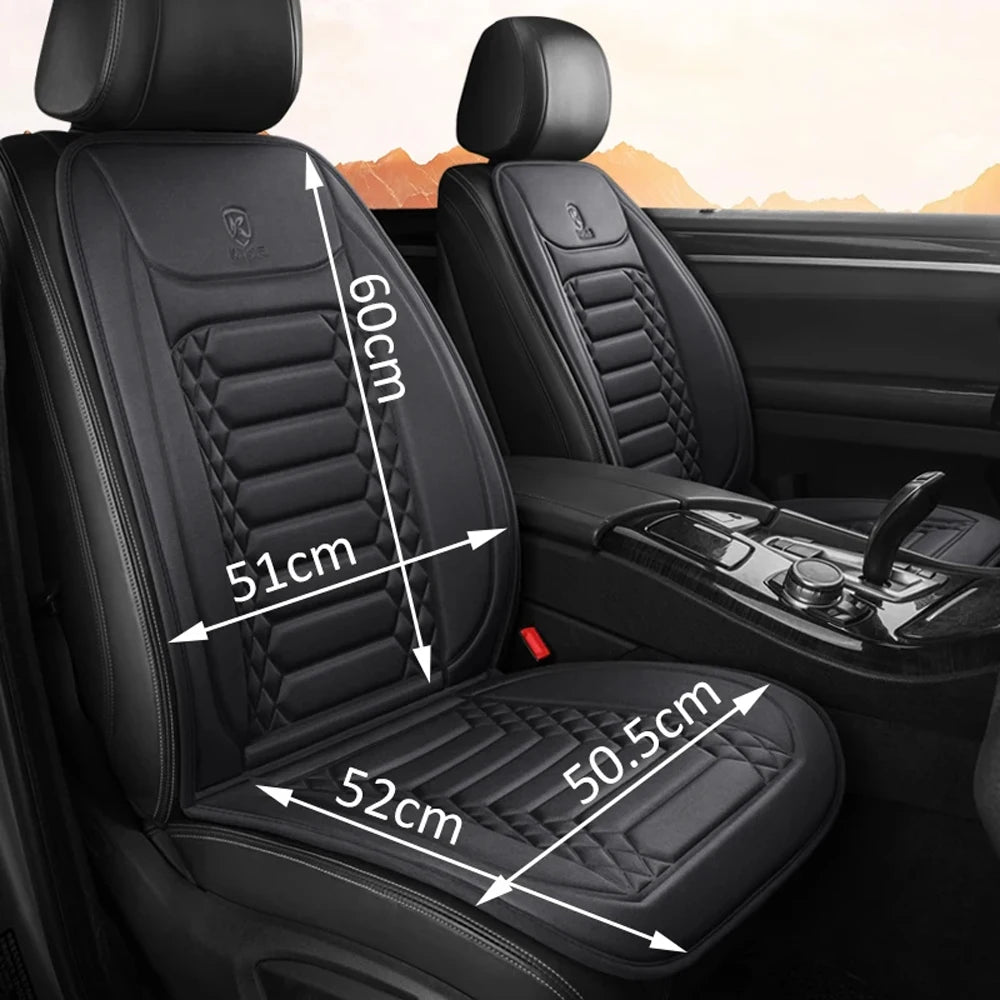
Plush warmth for cold mornings — best heated seat cover winter comfort. See it in action.
How can cold weather affect your abdomen?
Cold weather does not usually damage the stomach or intestines directly, but it can influence how your muscles, blood vessels, and digestive system respond. These changes may explain why some people notice abdominal discomfort after spending time in cold temperatures.
Abdominal muscle tightening
Exposure to cold causes muscles throughout the body to contract in an effort to conserve heat. The muscles of the abdominal wall can also become tense, leading to soreness or cramping that may feel like stomach pain. This discomfort often improves after warming up and gentle movement.
Reduced blood flow
When you're cold, blood vessels near the skin narrow to reduce heat loss. Although this response mainly affects the arms and legs, reduced circulation around the body's surface can contribute to a sensation of tightness or discomfort in the abdominal area, particularly during prolonged exposure to cold.
Digestive system responses
Cold temperatures may temporarily slow digestive activity in some people. If you already have a sensitive digestive system, this can contribute to bloating, mild cramping, or a feeling of fullness. Dehydration during colder months may also worsen constipation, increasing abdominal discomfort.
For many individuals, cold weather acts as a trigger rather than the underlying cause. Conditions such as irritable bowel syndrome (IBS), gastritis, chronic constipation, or functional abdominal pain may become more noticeable during periods of cold exposure, stress, or changes in daily routine.
Common reasons your stomach may hurt when you're cold
Muscle strain or abdominal wall pain
Cold muscles are more likely to become stiff or strained, especially after physical activity outdoors. Pain from the abdominal wall is often localized and may worsen with movement, coughing, or changing position.
Irritable bowel syndrome (IBS)
People with IBS sometimes report increased abdominal cramping during cold weather. While cold does not cause IBS, environmental stress, dietary changes, and altered bowel activity during colder months may trigger symptoms.
Gastritis and indigestion
Heartburn, gastritis, and indigestion can all cause upper abdominal discomfort that may seem worse when you're cold. Eating large meals, drinking alcohol, or taking certain medications can contribute more than the temperature itself.
Viral illness
Some viral infections commonly called a "cold" can occasionally be accompanied by nausea, mild stomach discomfort, or reduced appetite. However, significant abdominal pain is more commonly associated with stomach viruses than with the viruses that primarily cause the common cold.
Kidney stones and urinary conditions
Pain originating from the kidneys or urinary tract can sometimes be mistaken for stomach pain. If abdominal discomfort occurs with severe back pain, painful urination, fever, or blood in the urine, medical evaluation is recommended.
Other medical causes
Appendicitis, gallbladder disease, pancreatitis, inflammatory bowel disease, ulcers, and other abdominal conditions can all cause pain regardless of the weather. Persistent, severe, or worsening symptoms should never be attributed to cold exposure alone.
Key Features That Actually Matter: Heated Seat Cover Buying Guide
Heating Levels and Temperature Control
The number of heat settings has a direct impact on everyday comfort. A quality heated seat cover should offer at least two temperature levels, allowing you to start with higher heat on freezing mornings and switch to a lower setting once the cabin warms up. Consistent heat distribution is more important than maximum temperature, as evenly warmed seating surfaces reduce hot spots and improve comfort during longer drives.
12V vs Plug-in Power Options
Most heated car seat covers are powered through a standard 12V vehicle outlet, making them compatible with the majority of cars, SUVs, and trucks. A 12V heated seat cover is typically the most practical option because it is designed specifically for automotive electrical systems and requires no permanent installation.
When comparing a plug in heated car seat cover , look for:
- A cable long enough to reach your vehicle's power outlet without creating a tripping hazard.
- Accessible temperature controls that are easy to adjust while parked.
- Secure power connections that remain stable during everyday driving.
Materials, Padding, and Comfort
The outer material affects both comfort and durability. Soft fabric provides a cozy seating surface during winter, memory foam improves pressure distribution on longer journeys, and leatherette is easier to wipe clean after daily use. The best heated seat covers combine supportive padding with breathable materials so warmth feels comfortable rather than excessive.
Safety Features and Automatic Shutoff
Safety should never be overlooked. Choose a heated seat cover equipped with automatic shutoff, overheat protection, and stable temperature regulation. These features help prevent excessive heat buildup while supporting reliable daily use. Well-designed wiring, durable connectors, and quality construction also contribute to long-term performance.
Fit, Installation, and Vehicle Compatibility
A properly fitted heated seat cover stays securely in place without bunching or sliding during normal driving. Before purchasing, verify that the cover is compatible with your seat dimensions and does not interfere with seat adjustment mechanisms, integrated side airbags, or manufacturer safety systems. Adjustable straps and non-slip backing help improve stability across a wide range of vehicle seats.
Durability and Ease of Maintenance
If you drive regularly during winter, choose materials that resist daily wear and are easy to maintain. Reinforced stitching, durable heating elements, and quality wiring can extend service life, while removable debris and simple surface cleaning help keep the cover looking and performing its best throughout multiple seasons.
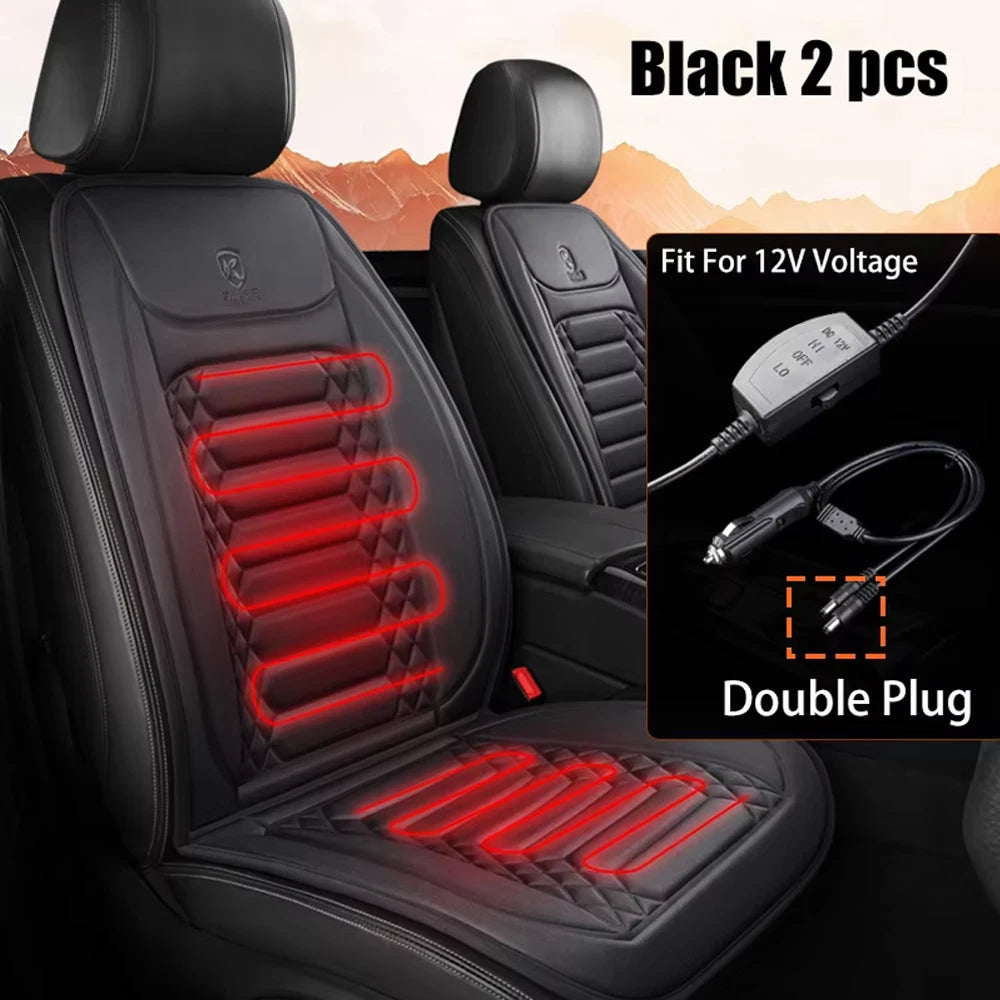
Daily driver comfort upgrade — best heated car seat cover. See it in action.
Are Heated Seat Covers Safe? Safety and Compatibility Guide
Are Heated Seat Covers Safe for Daily Use?
Yes. Modern heated seat covers are generally safe when used according to the manufacturer's instructions. Most quality models include built-in temperature regulation and protective circuitry that helps maintain comfortable operating temperatures while reducing the risk of overheating.
Seat Airbags and Vehicle Compatibility
Before installing any heated seat cover, confirm that it is compatible with your vehicle's seating system. If your vehicle has side-impact airbags integrated into the seats, use only products specifically designed not to obstruct their deployment. The cover should also avoid interfering with seat adjustment controls or occupancy sensors.
Automatic Shutoff and Overheat Protection
Automatic shutoff and overheat protection are among the most valuable safety features. These systems monitor operating temperatures and help prevent unnecessary heat buildup during extended use, making them especially useful for commuters and professional drivers.
Common Safety Mistakes to Avoid
- Do not continue using a heated seat cover if the wiring, connectors, or power cable become damaged.
- Avoid pinching electrical cords beneath seat rails or moving seat mechanisms.
- Disconnect the cover before cleaning and never immerse electrical components in water.
- Do not leave the heater operating for extended periods while the vehicle is parked with the engine off.
Safety Certifications and Quality Indicators
Look for products manufactured with tested electrical components, durable wiring, reliable temperature controls, and clear operating instructions. Consistent heating performance, sturdy stitching, and quality connectors are good indicators of a well-built heated seat cover designed for long-term daily use.
How to reduce stomach discomfort in cold weather
If your abdominal discomfort appears after exposure to cold temperatures and no serious medical condition is present, a few practical measures may help reduce symptoms and improve overall comfort.
- Dress warmly: Wear layered clothing to reduce muscle tension caused by cold exposure.
- Stay hydrated: Drinking enough water supports healthy digestion and helps prevent constipation.
- Eat balanced meals: Regular meals that include fiber may reduce digestive discomfort and bloating.
- Keep moving: Gentle walking and stretching encourage circulation and may ease abdominal muscle tightness.
- Manage existing conditions: Follow your treatment plan if you have IBS, gastritis, or another digestive disorder that can flare during cold weather.
- Use gentle heat: Applying moderate warmth to the abdomen may help relax muscles and temporarily reduce cramping. Avoid excessive heat or prolonged direct skin contact.
If your symptoms continue despite these measures or become more frequent, consult a healthcare professional to identify the underlying cause rather than assuming cold weather is responsible.
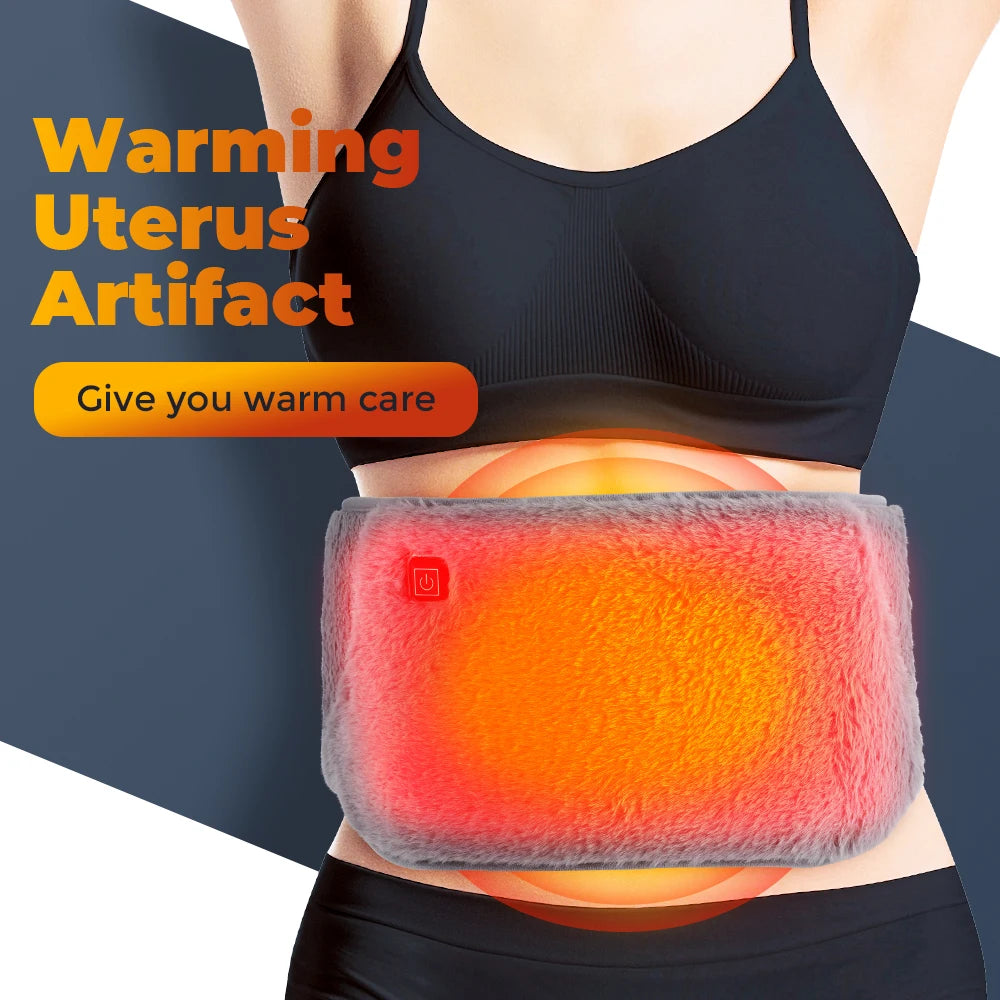
Staying warm, active, and well hydrated can help reduce mild abdominal discomfort during cold weather.
For people who find that warmth helps relieve temporary abdominal muscle tightness, supportive products available in the Body Care and Health Devices and Lifestyle collections may complement other self-care measures. These products are intended to improve comfort and should not replace appropriate medical care when symptoms are severe or persistent.