

⏱ 7 min read
Heat Loss Through Lid in Insulated Travel Mugs: The Real Reason Your Coffee Won’t Stay Hot
Why Heat Loss Through the Lid Matters More Than You Think
When people notice their drink cooling sooner than expected, they often assume the insulation has failed. In reality, most premium travel mugs use highly effective double-wall vacuum insulation in the body. The largest source of heat loss through lid in insulated travel mugs is usually the lid itself—not the stainless steel walls. Understanding this difference explains why one coffee mug keeps coffee hot for hours while another loses temperature much more quickly despite looking nearly identical.
The vacuum-insulated body dramatically slows heat transfer by limiting conduction and convection between the hot beverage and the surrounding environment. The lid, however, cannot be engineered the same way because it must include drinking openings, seals, moving parts, and pressure-relief features that allow normal everyday use.
Why the Lid Is the Weakest Thermal Barrier
The insulated body relies on an airless vacuum chamber that acts as an exceptional thermal barrier. Most lids, by comparison, are manufactured from BPA-free plastic, polypropylene, Tritan™, or thin stainless steel with internal components that cannot contain a vacuum layer. As a result, they transfer heat more readily through the material itself while also providing additional paths for warm air and steam to escape.
Even high-end travel mugs cannot eliminate this engineering compromise entirely. Manufacturers instead reduce heat loss by using thicker lid materials, precision-fit silicone gaskets, and tighter sealing mechanisms.
Where Heat Escapes First in a Travel Mug
Heat naturally moves toward cooler surroundings through the path of least resistance. In an insulated travel mug, that path is typically the lid assembly. Warm air collects near the top of the mug, where it contacts the lid before escaping through drinking ports, slider openings, tiny ventilation channels, or imperfect seals.
This is why a travel mug with an excellent vacuum body can still lose temperature faster than expected if the lid remains partially open or the seal is worn.
Real-World Temperature Drop Example
Imagine filling two identical insulated mugs with freshly brewed coffee at the same temperature. One mug remains fully sealed while the other is left with its slider opening exposed. After an hour, the sealed mug will typically retain noticeably more heat because it minimizes conduction, convection, and evaporation through the lid.
Laboratory testing methods and independent product evaluations consistently show that the lid is responsible for a significant share of overall thermal loss once the insulated body has minimized heat transfer elsewhere. Although exact percentages vary by design, improving lid performance often has a greater impact than making the vacuum walls even more efficient.
How Heat Escapes: The Science Behind Cooling Coffee
A heat retaining coffee mug works by slowing four different forms of heat transfer. Understanding these mechanisms helps explain why your coffee cup keeps coffee hot much longer when the lid is properly sealed.
Conduction Through Lid Materials
Conduction occurs when heat moves directly through a solid material. While vacuum insulation nearly eliminates conduction through the mug body, the lid remains a physical bridge between your hot beverage and the outside air. Plastic generally conducts less heat than metal, but any solid lid transfers more heat than a vacuum-insulated chamber.
Convection Through Air Gaps and Vent Holes
Convection happens when warm air escapes and cooler air replaces it. Every time air circulates through a drinking port, slider opening, or imperfect gasket seal, additional heat leaves the mug. Even tiny gaps that seem insignificant can gradually reduce beverage temperature during a long commute.
Evaporation From Drinking Openings
Evaporation is often the largest hidden source of heat loss. As hot water turns into steam, it carries substantial thermal energy away from the beverage. An uncovered sip opening allows this process to continue continuously, even when no one is drinking.
Radiation: The Smallest Contributor
All hot objects emit thermal radiation, but compared with conduction, convection, and evaporation, radiation contributes relatively little to cooling in a quality insulated travel mug. Modern stainless steel finishes and vacuum insulation already minimize this effect, leaving lid design as the dominant factor influencing real-world heat retention.
What Makes the Best Insulated Coffee Mug Keep Drinks Hot Longest?
The most effective heat retaining coffee mug combines two engineered systems: a double-wall vacuum-insulated body that slows heat transfer and a tightly sealed lid that minimizes airflow and steam loss. While marketing often emphasizes stainless steel construction, real-world performance depends on how well these two components work together.
Why the Body Insulates Better Than the Lid
A premium travel mug body uses double-wall vacuum insulation to dramatically reduce heat transfer. With very little material connecting the inner and outer walls, the vacuum acts as an excellent thermal barrier, allowing a coffee mug keeps hot for hours when the lid remains securely closed.
The Role of Vacuum Insulation vs Lid Design
Even the most advanced vacuum insulation cannot compensate for a poorly designed lid. If warm air continually escapes through an exposed sip opening or worn gasket, heat retention drops regardless of how effective the insulated body may be. For this reason, high-quality lids are just as important as premium stainless steel construction.
The best insulated coffee mug isn't simply defined by polished stainless steel—it depends on thoughtful engineering that balances insulation, sealing, and everyday convenience. Whether you're shopping for the best thermal travel mug for your commute or a reliable spill proof coffee cup for your desk, paying attention to lid design can make the biggest difference in keeping your beverage hot.
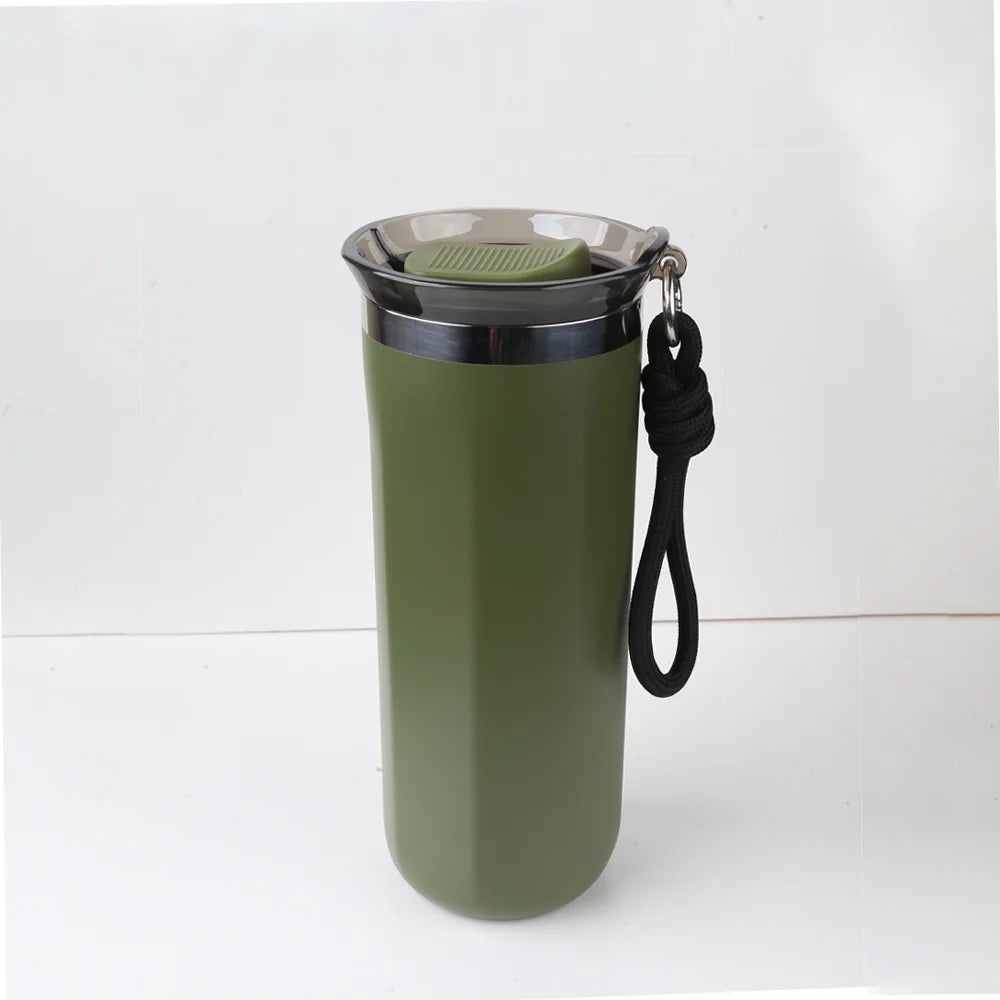
Discover the best insulated coffee mug for lasting heat retention.
Why Your Coffee Cools Too Fast (and It’s Mostly the Lid)
If your coffee loses temperature sooner than expected, the vacuum-insulated body is rarely the problem. In most modern travel mugs, the lid determines how well the entire system performs. A well-designed body can slow heat transfer for hours, but even small openings in the lid allow warm air and steam to escape, accelerating cooling.
Body Performance vs Lid Performance
The insulated body and lid perform different engineering roles. The vacuum chamber inside the mug minimizes heat transfer through the walls, while the lid must balance insulation with practical features such as drinking access, leak resistance, and pressure equalization. Because the lid cannot be fully vacuum insulated, its design has a greater influence on real-world heat retention than many people realize.
Even premium mugs can underperform if the lid includes a loose slider, a poorly fitting gasket, or a drinking opening that remains exposed between sips.
Hidden Air Leakage You Don't Notice
Not all heat loss is obvious. A gasket that has flattened over time, tiny manufacturing tolerances, or a lid that isn't fully tightened can create small air leaks. Individually these gaps seem insignificant, but over the course of a commute or workday they allow continuous convection and evaporation that steadily lowers beverage temperature.
This explains why two identical mugs may deliver noticeably different results after months of use, even when both have the same insulated stainless steel body.
Lid Design Breakdown: Which Types Lose the Most Heat?
Slider Lids
Slider lids are popular because they provide quick one-handed access, but they typically leave a drinking opening partially exposed. Continuous airflow increases convection and evaporation, making slider lids the least effective option for maximum heat retention.
Flip-top lids close the drinking port when not in use, reducing heat loss compared with open sliders. Their effectiveness depends on the quality of the hinge mechanism and the silicone gasket that creates the seal.
Fully Sealed Screw Lids
Screw-on lids generally offer the best thermal performance because they create a tight seal around the entire opening. By minimizing both airflow and steam escape, they help insulated mugs maintain beverage temperature for the longest period.
Magnetic Lids
Magnetic lids prioritize convenience and easy cleaning. Many premium designs perform well, but their thermal efficiency depends on how completely the magnetic cover seals the drinking opening. A well-engineered magnetic lid can outperform a poorly designed slider but usually falls slightly behind a fully sealed screw lid.
Straw Lids
Straw lids are ideal for cold beverages but are generally the weakest choice for hot drinks. Because the straw opening remains exposed or only partially sealed, warm air and steam escape continuously, leading to faster temperature loss.
Mistake #1: Forgetting to Preheat Your Mug
Even the best insulated coffee mug performs better when it starts warm. If the stainless steel interior is cold, it absorbs heat from freshly brewed coffee before the vacuum insulation can begin preserving the remaining temperature.
✅ Quick Preheat Method
- Fill the mug with freshly boiled water.
- Let it stand for 2–3 minutes to warm the interior walls.
- Empty the water and immediately pour in your hot coffee.
- Close the lid as soon as possible to reduce steam loss.
This simple routine improves heat retention with almost any insulated mug and works especially well with the KentDO Thermal Coffee Travel Mug , whose precision-sealed lid helps preserve the heat you've already retained.
Mistake #2: Overfilling or Underfilling
The amount of liquid inside your mug influences temperature stability. Filling it correctly reduces the volume of air trapped beneath the lid, limiting convection while still allowing the lid to seal properly.
- Leave approximately 1–1.5 cm (about ½ inch) of space below the lid.
- Avoid excessive headspace, which allows warm air to circulate and cool more quickly.
- Do not overfill, as liquid can interfere with the gasket and prevent a complete seal.
- Close and lock the lid immediately after pouring your drink.
A quality spill proof coffee cup such as the KentDO Thermal Mug helps minimize internal air exchange by maintaining a secure seal throughout daily use.
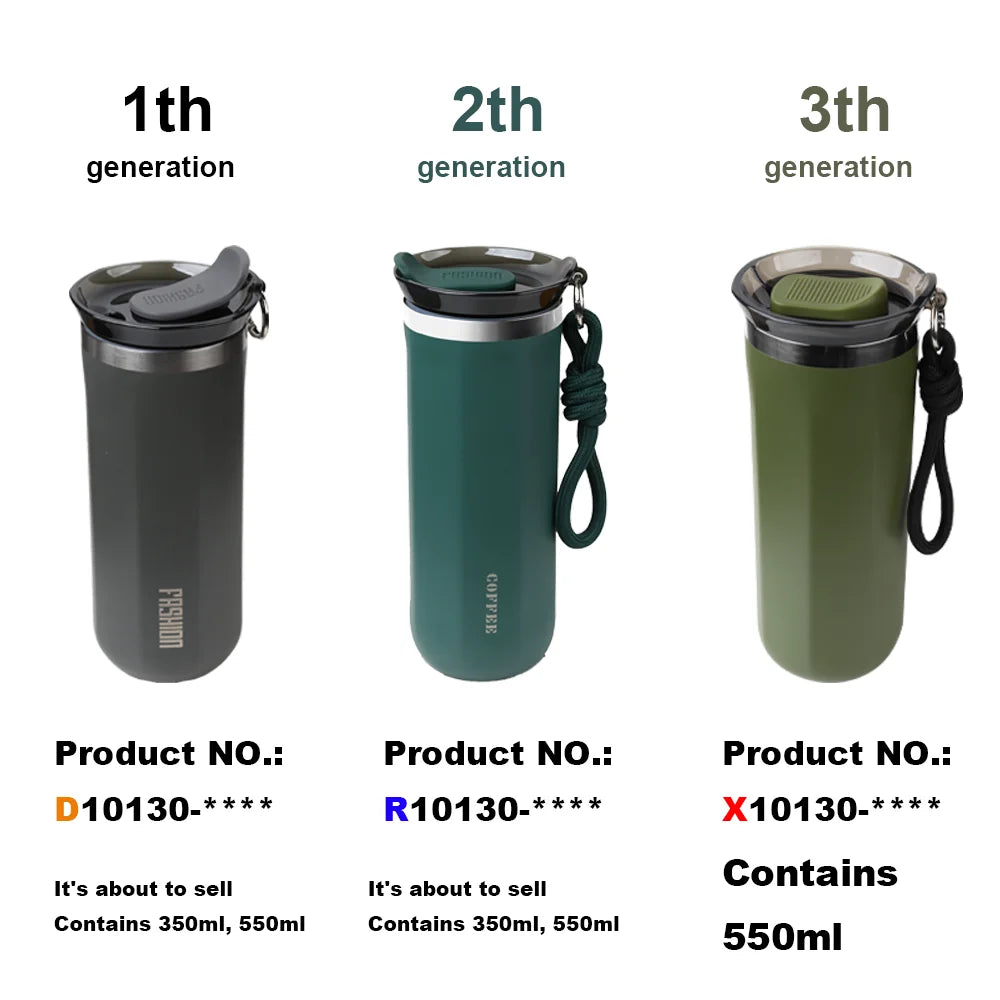
See how a double wall insulated mug improves heat consistency.
Mistake #3: Using the Wrong Lid Design
Best Lid Designs for Heat Retention
The most effective lids reduce airflow while maintaining a reliable seal. Features such as closable sip ports, secure locking mechanisms, and precision-fit gaskets significantly improve heat retention compared with lids that leave the drinking opening exposed.
If maximum temperature retention is your priority, choose a lid that stays completely closed between sips rather than one designed primarily for quick access.
What Features Should I Look for in an Insulated Coffee Mug
- A leak-resistant, airtight sealing mechanism.
- A closable or minimal drinking opening.
- Durable food-grade silicone gaskets that maintain their shape over time.
- Thick, low-conductivity lid materials that reduce heat transfer.
- Components that are easy to disassemble and clean to maintain sealing performance.
The KentDO Thermal Coffee Travel Mug features a precision-sealed lid engineered to reduce heat escape while providing dependable leak resistance for commuting and everyday use.
Mistake #4: Ignoring Material Quality
Lid design is critical, but material selection establishes the foundation for thermal performance. A double wall insulated mug constructed from vacuum-insulated stainless steel provides substantially better heat retention than single-wall alternatives because it dramatically reduces heat transfer through the body.
| Type | Typical Heat Retention | Durability |
|---|---|---|
| Single-wall stainless steel | ❌ Low (30–45 minutes) | ✅ Strong |
| Plastic travel mug | ❌ Very low (20–30 minutes) | ⚠️ Moderate |
| Double-wall vacuum stainless steel | ✅ Excellent (approximately 6–8 hours) | ✅ Very strong |
For the best overall performance, pair a vacuum-insulated stainless steel body with a well-engineered lid that uses high-quality seals and durable materials. Both components work together to maximize heat retention during daily use.
Mistake #5: Improper Cleaning Habits
Regular cleaning does more than keep your travel mug hygienic—it helps preserve the sealing performance that keeps beverages hot. Coffee oils, mineral deposits, and residue can prevent the lid from closing completely, while neglected gaskets may harden or deform over time.
- Wash the lid and removable gasket after regular use.
- Avoid harsh chemicals or abrasive scrubbers that can damage sealing surfaces.
- Dry every component thoroughly before reassembly to help prevent moisture buildup.
- Inspect silicone seals periodically and replace worn gaskets when recommended by the manufacturer.
Proper maintenance extends the lifespan of your mug and helps it retain heat as effectively as it did when new.
How to Maximize Heat Retention Step-by-Step
If you're wondering what features should I look for in an insulated coffee mug or how to get the best performance from the one you already own, following a consistent routine can noticeably improve heat retention.
Preheat Before Filling
Warm the interior with hot water for a few minutes before adding coffee. This reduces the amount of heat absorbed by the stainless steel lining.
Close the Lid Immediately
Seal the lid as soon as your beverage is poured. Delaying even a few minutes allows unnecessary heat to escape through convection and evaporation.
Minimize Vent Opening
Keep slider openings and sip ports closed whenever you are not actively drinking. Reducing airflow helps maintain beverage temperature much longer.
Maintain Seals
Clean, inspect, and properly seat silicone gaskets so they continue forming an airtight seal. A small gap can have a much greater impact on heat retention than many users expect.
Choose the Right Lid Design
For the longest-lasting heat, select mugs with secure locking or screw-on lids, durable silicone seals, and minimal exposed drinking openings. These features provide a better balance between convenience and insulation.
Quick Daily Routine
- Preheat the mug before filling.
- Fill to the recommended level without overfilling.
- Close and lock the lid immediately.
- Open the drinking port only when taking a sip.
- Clean and inspect the lid regularly to maintain sealing performance.
These simple habits can significantly improve how long your coffee stays hot—especially when using the KentDO Thermal Coffee Travel Mug , which combines double-wall vacuum insulation with a precision-sealed lid.
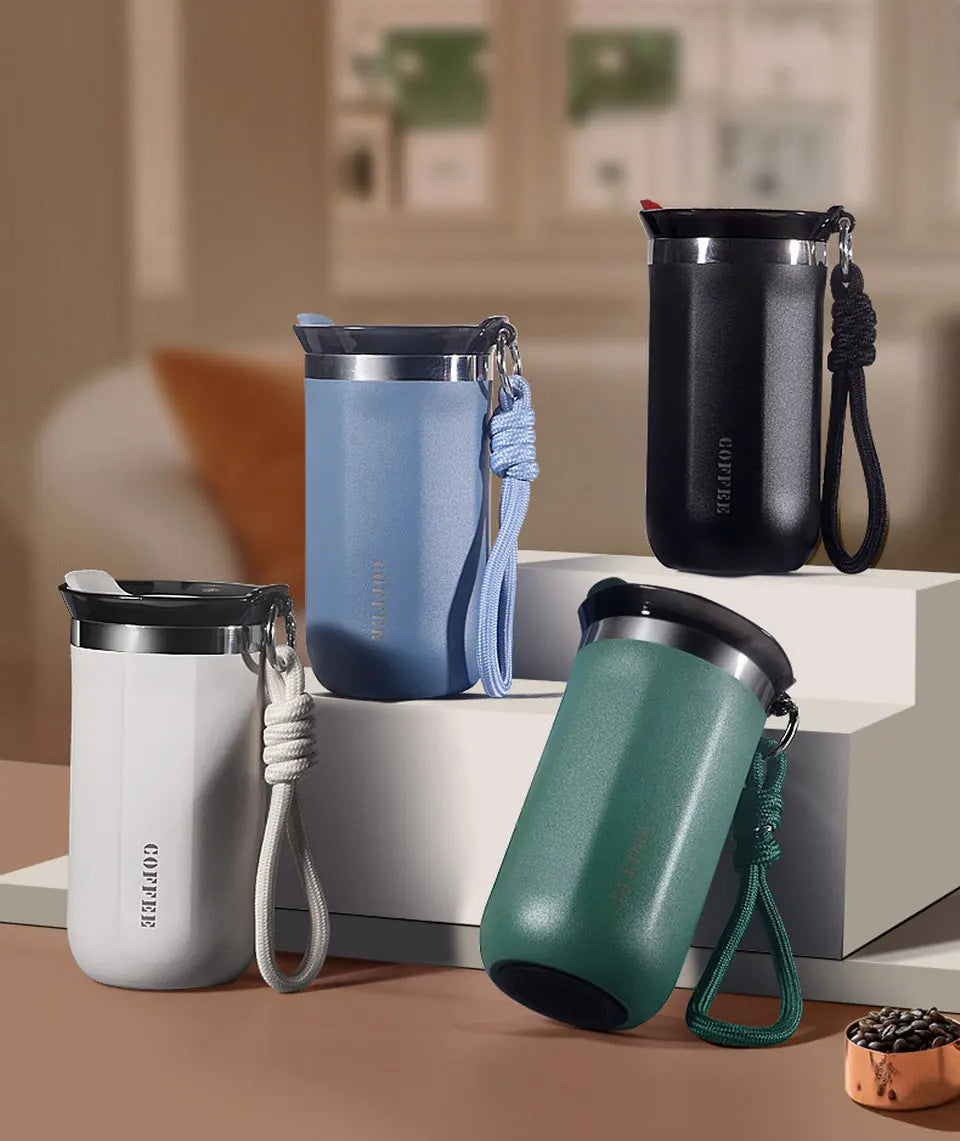
The KentDO double wall insulated mug — spill proof, durable, and travel-ready.
Heat Retention Testing: How Much Difference Does the Lid Make?
Simple Controlled Test Setup
To compare lid performance, fill two identical insulated travel mugs with the same amount of freshly heated water at the same starting temperature. Keep one lid fully sealed while leaving the drinking opening of the second mug partially open. Record the temperature after 30 minutes and again after 60 minutes without moving the mugs.
Typical Temperature Retention Results
Although exact results vary by mug design and room conditions, the fully sealed mug typically retains noticeably more heat after one hour. The greatest differences are usually caused by reduced convection and evaporation rather than changes in the insulated body itself.
What the Numbers Mean
This simple experiment illustrates an important principle: improving lid design often produces greater real-world gains than further increasing the insulation of the mug body. A well-sealed lid helps preserve the performance of the vacuum-insulated chamber by limiting airflow and steam loss throughout everyday use.
FAQs About Heat Retention in Coffee Mugs
Why does most heat escape through the lid instead of the mug body?
The double-wall vacuum body blocks most conductive and convective heat transfer, making it highly effective at retaining temperature. The lid, however, contains drinking openings, seals, and movable components that cannot be vacuum insulated, so it becomes the primary pathway for heat loss through conduction, convection, and evaporation.
Do vent holes make coffee cool faster?
Yes. Vent holes and open sip ports allow warm air and steam to escape while cooler air enters the mug. Even small openings can noticeably reduce heat retention over time, especially during longer commutes or extended work sessions.
Which travel mug lid keeps coffee hottest?
Fully sealed screw-on lids generally provide the best heat retention because they minimize airflow and evaporation. High-quality flip lids with durable silicone gaskets also perform well, while open slider and straw lids typically lose heat more quickly.
Does a stainless steel lid retain more heat than a plastic lid?
Not necessarily. Overall performance depends more on the lid's engineering than the material alone. A well-designed plastic lid with an airtight seal often outperforms a poorly sealed stainless steel lid because reducing airflow has a greater impact than the lid material itself.
How long should a quality insulated travel mug keep coffee hot?
Most premium double-wall vacuum-insulated travel mugs can keep coffee hot for approximately 4–8 hours when the lid remains fully sealed. Actual performance varies depending on beverage temperature, ambient conditions, fill level, and how often the lid is opened.
What features should I look for in an insulated coffee mug?
Look for a vacuum-insulated stainless steel body, an airtight leak-resistant lid, high-quality silicone gaskets, a closable drinking port, durable construction, and an easy-to-clean design. These features work together to maximize heat retention while improving everyday usability.
Tags: best insulated coffee mug, best thermal travel mug, spill proof coffee cup, double wall insulated mug, heat retention, coffee gear
Meta Description: Discover why heat loss through the lid in insulated travel mugs is the biggest reason coffee cools too quickly. Learn the science behind heat retention, compare lid designs, and choose the best insulated coffee mug for lasting performance.
Pillar Article: Best Rated Travel Coffee Mugs That Don’t Leak or Lose Heat After Hours
Other Related Articles:
- Best Insulated Coffee Mug With Handle: Comfort That Keeps Heat Longer
- Best Insulated Coffee Travel Mugs for Road Trips You’ll Never Regret Buying
- The Truth About Best Insulated Coffee Mugs: What Brand Tests Reveal in 2025
Explore More:













