

Which snowboard helmet goggles combo fits your riding style best?
Snowboard helmet goggles work best when the helmet, lens, and ventilation system are designed to function together. The ideal setup depends on your riding style, whether you spend most days in the park, deep powder, or exploring all-mountain terrain. A properly matched combo improves warmth, reduces fog, prevents cold air leaks, and delivers clearer vision in changing mountain conditions.
Snowboard Helmet Goggles Compared: Best Snowboard Helmet Goggle Combo for Every Rider
Choosing snowboard helmet goggles is about more than matching colors and style. The right combination affects safety, comfort, visibility, and how enjoyable every run feels. A well-fitted helmet and goggles combo helps reduce pressure points, improves airflow, protects against cold wind, and keeps your vision clear from the first lift to the final run.
⏱ 7 min read
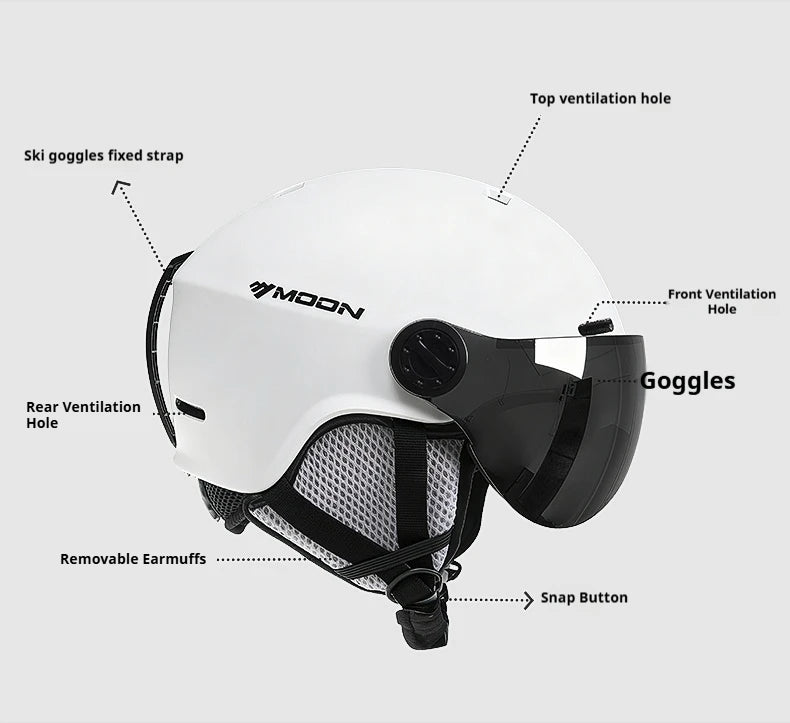
Snowboard helmet goggles for comfort, clarity, and cold wind face protection — See it in action
Best Snowboard Helmet Goggle Combos (Top Picks Compared)
The best snowboard helmet goggle combo depends on your terrain, riding experience, and comfort preferences. Some riders need maximum visibility for storms, while others prioritize lightweight performance or simple convenience. The options below highlight the strengths of different setups based on fit, ventilation, anti-fog performance, and snow sports head protection.
Best Overall Combo
A balanced snowboard helmet goggles setup works well for most riders because it combines reliable ventilation, comfortable padding, adaptable lens performance, and everyday durability.
- Pros: Versatile performance, comfortable fit, dependable airflow
- Cons: May not offer specialized features for extreme conditions
Best Budget Combo
A budget-friendly ski helmet with goggles combo is ideal for beginners and occasional riders who want essential protection without investing in advanced lens systems.
- Pros: Affordable, simple setup, beginner-friendly
- Cons: Basic ventilation and fewer lens upgrades
Best Premium / High-Performance Combo
Advanced riders often prefer premium snowboard helmet goggles with enhanced optics, improved impact protection, and sophisticated airflow systems designed for long days on the mountain.
- Pros: Superior clarity, advanced anti-fog performance, durable materials
- Cons: Higher cost
Best for Beginners
Beginners benefit from easy-to-adjust setups that minimize compatibility issues and provide dependable comfort throughout the learning process.
- Pros: Easy fit adjustment, low maintenance, comfortable design
- Cons: Less customization
Best for Powder Riding
Powder riders need wider coverage, stronger wind protection, and lenses that improve contrast during snowy or low-light conditions.
- Pros: Excellent coverage, warm seal, improved visibility in storms
- Cons: Slightly bulkier design
Best Integrated / Visor System
An integrated ski helmet with goggles combines protection and eyewear into one streamlined system. This design reduces gaps between helmet and lens while simplifying setup.
- Pros: Seamless fit, convenient adjustment, reduced fog risk
- Cons: Less flexibility for swapping separate goggles
Why a Matched Helmet and Goggles Combo Changes Everything
Snowboard helmet goggles are designed to work together as a complete protective system. When the helmet shape and goggle frame match correctly, they create a better seal that blocks cold air, prevents snow entry, and improves overall comfort.
Many riders blame fogging on poor goggles when the real issue is compatibility. A helmet that blocks airflow channels or creates pressure against the goggle frame can trap moisture. A matched setup allows air to move through the ventilation system while keeping the lens clearer.
Which Combo Fits Park, Powder, or All-Mountain Riding?
Your riding style should influence the snowboard helmet goggles design you choose. Different environments require different balances of weight, warmth, visibility, and protection.
Lightweight Comfort for Park and Jib Riding
Park riders often prefer low-profile helmets and lightweight goggles that feel comfortable during repeated jumps, tricks, and long practice sessions.
- Lightweight helmet shell to reduce neck fatigue
- Flexible frame construction for comfort during movement
- Easy lens changes for shifting weather conditions
Maximum Coverage for Deep Powder Days
Powder-focused snowboard helmet goggles prioritize warmth and visibility when snowfall, wind, and flat light create challenging conditions.
- Thicker face foam for insulation
- High-contrast lenses for storm visibility
- Secure strap placement over helmets
Balanced Performance for All-Mountain Riders
All-mountain riders need versatility. The best setups provide enough ventilation for active riding while maintaining warmth during colder conditions.
Side-by-Side Comparison of Popular Combos
This comparison shows how different snowboard helmet and goggles combinations perform across important factors such as fit, ventilation, and intended use.
| Combo Type | Fit Compatibility | Ventilation | Anti-Fog Performance | Best Use Case | Price Range |
|---|---|---|---|---|---|
| Standard Helmet + Goggles | High when properly matched | Moderate to strong | Good with proper airflow | All-mountain riding | $$ |
| Integrated Visor Helmet | Very high | Excellent | Very good | Convenience-focused riders | $$$ |
| Premium Performance Combo | Optimized fit system | Advanced airflow channels | Top-tier lens technology | Advanced riders | $$$$ |
| Budget Combo | Variable | Basic | Moderate | Beginners and casual use | $ |
Key Features to Look For in a Ski Helmet With Goggles Combo
Fit Compatibility and Gap Elimination
A quality ski helmet with goggles combo should create a smooth connection between the helmet edge and goggle frame. Gaps can allow wind and snow inside while reducing comfort.
Anti-Fog Lens Technology
Look for dual-layer lenses, anti-fog coatings, and ventilation channels that help manage moisture during temperature changes and high-intensity riding.
Ventilation and Airflow Systems
A strong ski helmet ventilation system allows warm air and moisture to escape while maintaining protection from cold weather.
Lens Types and Light Conditions
- Clear lenses for overcast and low-light conditions
- Tinted lenses for bright sunny days
- Photochromic lenses for changing mountain weather
Safety Technologies (MIPS, Impact Ratings)
Advanced helmets may include rotational impact technologies such as MIPS to improve protection during angled impacts. Riders should always choose helmets that meet recognized safety standards.
Integrated vs Separate Systems: What’s Better?
The choice between an integrated snowboard helmet visor combo and separate helmet goggles depends on whether you value convenience or customization.
- Integrated Systems: Provide a streamlined fit, fewer compatibility problems, and simple setup. They are ideal for riders who want convenience.
- Separate Systems: Allow more freedom to choose lens types, replace goggles independently, and customize fit.
If you prioritize simplicity and fewer adjustments, an integrated design may be the better option. Riders who frequently change lenses or prefer specific brands may prefer separate components.
How to Get the Right Fit Without Pressure Points
Snowboard helmet goggles should feel secure without creating pressure around the nose, temples, or forehead. A poor match can lead to discomfort after only a few hours on the mountain.
- Measure your head circumference before choosing a helmet size.
- Check that goggles sit evenly without visible gaps.
- Move your head side to side to confirm the setup stays stable.
- Wear the combination for several minutes before riding.
Many riders exploring gear also browse Lifestyle collections for cold-weather accessories that complement their setup.
How These Goggles Improve Visibility and Reduce Fog
Winter sports eye protection depends on the relationship between lens technology, airflow, and temperature control. Dual-layer lenses create insulation while anti-fog coatings help prevent moisture buildup.
- Wide field of view for better awareness
- Vent channels aligned with helmet airflow
- UV protection for high-altitude exposure
- Comfort foam that adapts to facial contours
Featured Pick: Integrated Helmet With Goggles
For riders who want a simpler setup, an integrated snowboard helmet goggles system combines protection, comfort, and visibility in one design. These systems reduce the frustration of matching separate components while providing a consistent fit.
Explore the full details of this option here: ski helmet with goggles .
Why Riders Choose This Setup
- Consistent seal for cold wind face protection
- Balanced weight for all-mountain riding
- Streamlined design with fewer compatibility concerns
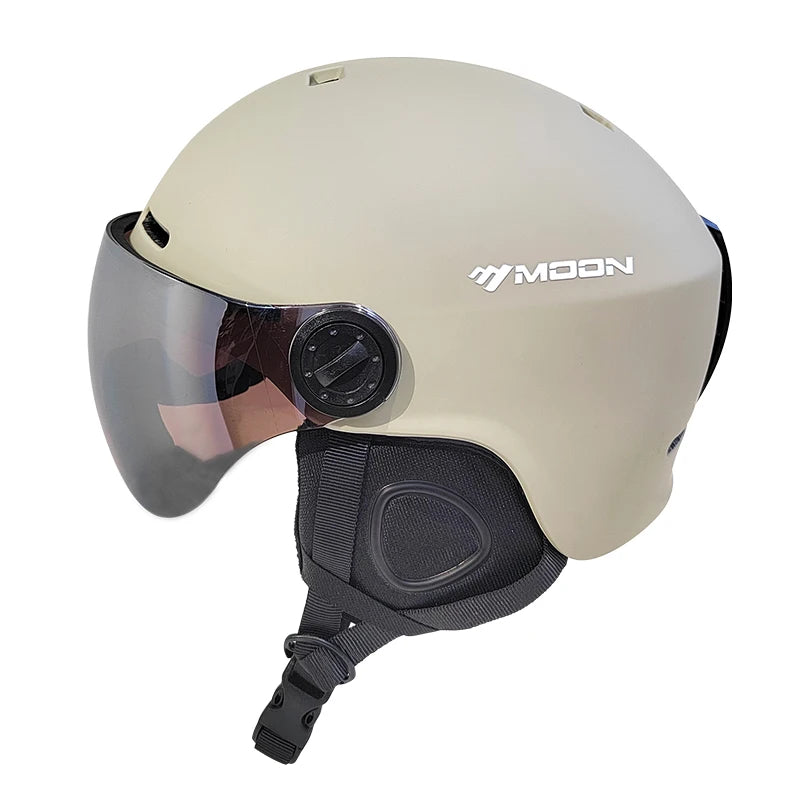
Snowboard helmet goggles built for clarity, comfort, and confidence — See it in action
Quick FAQs Before You Choose
Do integrated snowboard helmet goggles fit all face shapes?
Most integrated systems include adjustable features, but face shape still affects comfort. Testing fit before purchase helps ensure proper sealing and pressure distribution.
Are these combos suitable for beginners?
Yes. Many ski helmet with goggles combos are beginner-friendly because they simplify setup, reduce compatibility problems, and provide reliable protection.
How do I maintain anti-fog performance?
Keep ventilation areas clear, avoid touching the inside lens surface, and allow goggles to adjust gradually when moving between warm and cold environments.
Do all goggles fit all helmets?
No. Helmet shape, goggle curvature, and strap placement affect compatibility. Matching tested combinations usually provides the most reliable fit.













