

Does motorcycle cold weather riding really require special gear?
Yes. Motorcycle cold weather riding requires purpose-built gear because riding at speed dramatically increases heat loss through wind exposure. Regular winter clothing may feel warm while standing still, but it often fails to block sustained wind, road spray, and moisture on a motorcycle. A complete winter motorcycle riding gear system combines moisture-wicking base layers, insulating mid-layers, windproof and waterproof outer protection, plus well-sealed gloves, boots, and neck coverage to help maintain warmth, visibility, comfort, and confident control—even when temperatures drop below 40°F (4°C).
Best Winter Motorcycle Riding Gear (Complete Cold Weather Guide & Top Picks)
Cold air, relentless wind, and numb fingers don't have to cut your riding season short. The best winter motorcycle riding gear keeps you warm without sacrificing mobility or protection by combining smart layering with weather-resistant outerwear and strategic insulation. In this guide, you'll learn how to build a complete head-to-toe system, choose gear based on temperature and riding style, and decide when heated equipment becomes worthwhile for riding in freezing conditions.
⏱ 7 min read
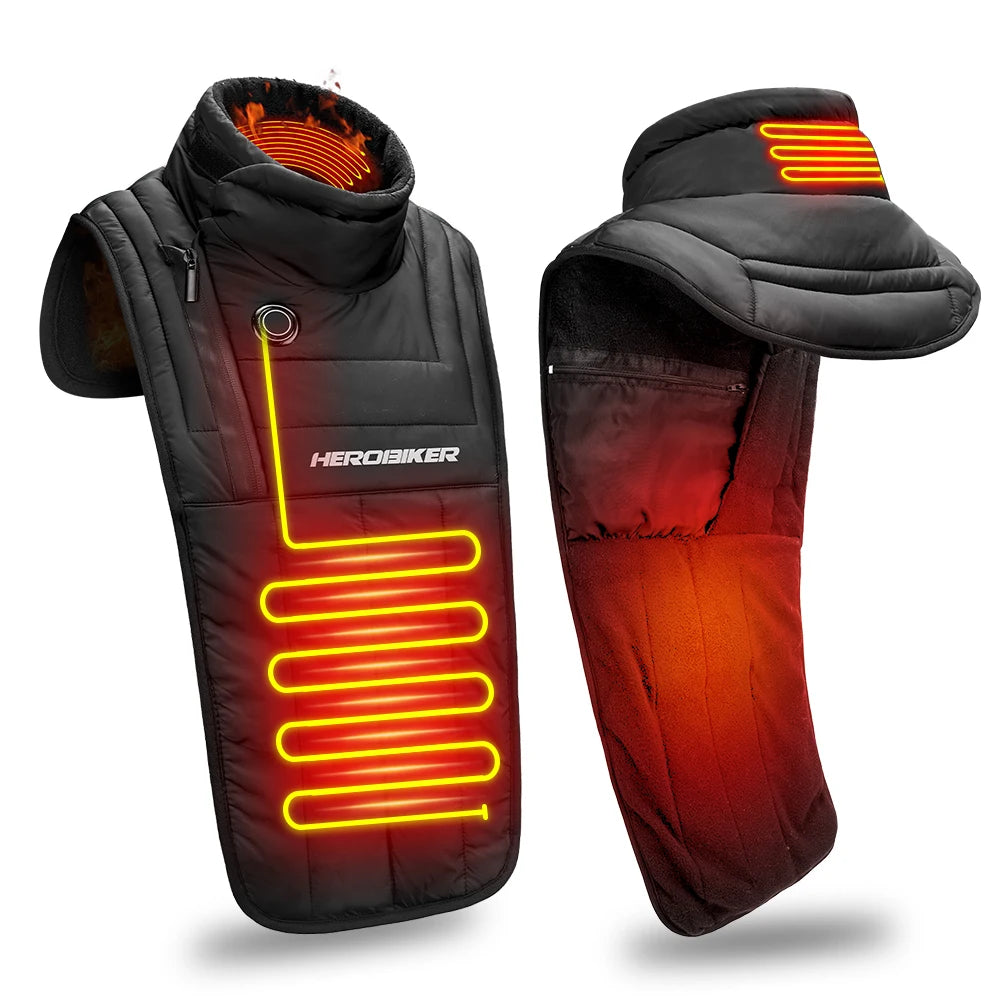
Layered protection makes motorcycle cold weather riding feel dramatically warmer. See it in action.
Does motorcycle cold weather riding really require special gear?
Absolutely. Ordinary jackets and sweatshirts are designed for everyday outdoor use—not prolonged exposure to high-speed wind, cold rain, and fluctuating temperatures. As speed increases, wind rapidly strips away body heat, making conditions feel much colder than the air temperature suggests. The best motorcycle cold weather gear combines insulation, windproof construction, weather protection, and certified impact protection in a coordinated layering system so you stay warm without compromising mobility or safety.
Rather than relying on one bulky garment, experienced riders build a complete head-to-toe setup that includes thermal base layers, insulating mid-layers, protective outer gear, properly sealed gloves and boots, neck protection, and heated gear when temperatures approach or fall below freezing. Each layer serves a different purpose, and together they create a system that supports comfort, concentration, and safer winter riding.
Why Cold Feels Worse on a Motorcycle: Wind Chill Explained
The biggest challenge during winter riding isn't simply low temperature—it's continuous wind exposure. Even when the thermometer reads around 40°F (4°C), airflow at highway speeds can make your body lose heat much faster, especially across your chest, hands, neck, knees, and feet. As your body cools, dexterity and reaction time may decline, making effective wind chill protection motorcycle gear just as important as insulation.
A quality windproof outer layer creates the first barrier against moving air, while insulating layers trap warm air underneath. Waterproof membranes also help by preventing rain or melting snow from soaking insulation, which would otherwise accelerate heat loss. Gloves with sealed cuffs, insulated boots, and proper neck coverage complete the system by protecting the areas that typically become cold first.
Which area gets cold first on your rides—your hands, neck, or feet? Identifying your biggest heat-loss zone is often the fastest way to upgrade your winter motorcycle riding gear without replacing your entire setup.
Winter Motorcycle Riding Gear Essentials (Full Layering System)
Effective winter motorcycle riding gear is built as a complete system rather than a single insulated jacket. Every layer has a specific purpose: the base layer manages moisture, the mid-layer traps warmth, the outer layer blocks wind and precipitation, and heated gear supplements insulation when temperatures become extreme. When these components work together, riders stay warmer with less bulk and better freedom of movement.
Base Layer: Moisture-Wicking Warmth
Your base layer sits directly against the skin, making moisture management its primary job. Staying dry is essential because damp clothing loses insulating performance and accelerates heat loss during long rides.
- Merino wool thermal base layers for natural temperature regulation
- Synthetic moisture-wicking shirts that dry quickly during active riding
- Thermal leggings or riding tights that fit comfortably beneath protective pants
- Heated base layer options for riders who frequently encounter freezing temperatures
Mid Layer: Insulation Without Restricting Movement
The mid-layer creates an insulating pocket of warm air while maintaining enough flexibility to wear comfortably beneath armored motorcycle gear. Choose insulation that provides warmth without making your jacket or pants feel overly tight.
- Lightweight fleece jackets for everyday commuting
- Down or synthetic insulated jackets with excellent warmth-to-weight performance
- Synthetic insulated pullovers that continue insulating in damp conditions
- Slim thermal hoodies designed to fit beneath riding jackets
Outer Layer: Windproof & Waterproof Protection
The outer shell is your primary defense against wind chill, rain, and road spray. A quality motorcycle jacket and riding pants should combine abrasion resistance with dependable weather protection while allowing room for the layers underneath.
- Windproof motorcycle jackets that minimize heat loss at highway speeds
- Waterproof riding shells for wet and unpredictable weather
- Adventure and touring jackets with adjustable ventilation and weather protection
- Cold-weather riding pants that shield knees and lower legs from continuous wind exposure
Heated Gear: Active Warmth for Freezing Temperatures
Once temperatures approach or fall below freezing, heated gear can provide more consistent comfort than adding additional bulky clothing. Heated equipment works best as part of a layered system rather than replacing insulation entirely.
- Heated motorcycle gloves to maintain finger dexterity
- Heated jacket liners that warm the body's core efficiently
- Heated grips to supplement hand warmth during long rides
- Heated socks or insoles for extended touring in very cold conditions
Head, Hands, Feet, and Neck: The Cold-Exposure Zones
Even with an excellent jacket, small gaps around your helmet, glove cuffs, boot openings, and collar can allow cold air inside. A properly fitted helmet, insulated gloves, waterproof boots, and a well-sealed neck covering work together to eliminate these common heat-loss points and complete your motorcycle winter riding gear essentials.
Temperature-Based Winter Motorcycle Gear Guide
The ideal setup depends on more than the thermometer. Wind speed, precipitation, ride duration, and highway versus city riding all influence how much insulation and weather protection you'll need. Use these recommendations as practical starting points and adjust them to your riding conditions.
Riding in 40°F–50°F (4°C–10°C)
Many riders remain comfortable in this range with a lightweight layered system, particularly for commuting and shorter trips.
- Moisture-wicking thermal base layer
- Protective windproof motorcycle jacket
- Insulated waterproof gloves
- Neck warmer or balaclava to seal helmet gaps
Extended highway riding or rainy weather may require an additional insulating layer even at these temperatures.
Riding in 30°F–40°F (-1°C–4°C)
As temperatures approach freezing, maintaining warmth becomes more challenging because wind chill intensifies quickly with speed.
- Thermal base layer combined with an insulating mid-layer
- Winter motorcycle jacket with windproof and waterproof protection
- Insulated winter riding gloves
- Insulated riding pants
- Waterproof windproof riding boots
Take regular breaks on longer rides to restore circulation and monitor changing road conditions, especially on shaded roads and bridges.
Riding Below Freezing (Under 32°F / 0°C)
Motorcycle gear for freezing temperatures should prioritize active warmth alongside weather protection. Heated equipment becomes especially valuable for maintaining dexterity and reducing fatigue during extended rides.
- Heated motorcycle gloves
- Heated jacket liner beneath a protective shell
- Complete winter riding suit with sealed weather protection
- Windproof outer shell system
- Thermal moisture-wicking base layers
Before riding in sub-freezing conditions, check forecasts for snow, black ice, and freezing rain. Even the best gear cannot compensate for hazardous road surfaces.
Best Winter Motorcycle Base Layers: Merino vs Synthetic
Base layers regulate moisture while helping retain body heat without adding unnecessary bulk. The right material depends on your riding style, climate, and how much perspiration you generate during a ride.
Merino Wool Base Layers
- Excellent natural insulation across varying temperatures
- Outstanding odor resistance for multi-day touring
- Comfortable against the skin with minimal irritation
- Performs well even when slightly damp
Synthetic Thermal Base Layers
- Fast-drying performance for active riders and commuters
- Typically more affordable than premium merino wool
- Durable enough for frequent washing and everyday use
- Available in lightweight to heavyweight insulation options
Which Base Layer Is Best for Long Rides?
Merino wool is an excellent choice for long-distance touring thanks to its comfort and odor resistance, while synthetic base layers suit commuters and riders who expect changing weather or higher activity levels. Avoid cotton whenever possible, as it absorbs moisture, dries slowly, and loses much of its insulating ability once wet.
Best Insulating Mid-Layers for Motorcycle Riding
A mid-layer provides the insulation that helps retain body heat after your base layer has managed moisture. The ideal option delivers dependable warmth without creating excess bulk that interferes with armor placement, riding posture, or freedom of movement.
Fleece vs Down vs Synthetic Insulation
- Fleece: Highly breathable, flexible, and comfortable for commuting or active riding. It performs well in cool, dry conditions but generally provides less warmth for its weight than insulated alternatives.
- Down Insulation: Offers an outstanding warmth-to-weight ratio and packs down easily for touring. It performs best in dry weather, as loft and insulating performance decrease if it becomes saturated.
- Synthetic Insulation: Retains warmth more effectively in damp conditions, dries faster than down, and is a practical choice for riders who frequently encounter rain or changing weather.
How Much Mid-Layer Warmth Do You Need?
For short winter commutes, a lightweight fleece or synthetic insulated jacket is often sufficient beneath a windproof shell. Riders spending hours on the highway or traveling through colder climates may benefit from a higher-loft insulated layer, provided it still fits comfortably beneath protective motorcycle gear. If your jacket feels tight after layering, reduce bulk rather than sizing up excessively, as properly fitted protective armor should remain securely positioned.
Best Winter Motorcycle Jackets and Outer Layers for Wind and Rain
Your outer layer serves as the primary barrier against wind, rain, and road spray while also providing abrasion resistance and impact protection. An effective shell keeps cold air from reaching the insulating layers underneath, allowing your clothing system to perform as intended throughout changing winter conditions.
Insulated vs Layered Motorcycle Jackets
Insulated motorcycle jackets provide convenient all-in-one warmth and are well suited to daily commuters who ride in consistently cold weather. Layered shell systems offer greater versatility because insulation can be adjusted as temperatures change, making them an excellent choice for touring or riders who experience varying climates during a single trip.
- Adventure jackets: Maximum weather protection, ventilation options, and durability for long-distance riding.
- Touring jackets: Balanced waterproofing, comfort, and cold-weather versatility for everyday use.
- Sport jackets: More streamlined fit with effective wind protection while maintaining mobility.
Waterproof vs Water-Resistant Motorcycle Gear
Waterproof gear uses dedicated membranes and sealed construction to keep wind and rain from reaching your insulating layers during prolonged exposure. Water-resistant gear can repel light showers or road spray but may eventually allow moisture to penetrate during sustained rainfall. Riders who regularly travel in unpredictable weather generally benefit from fully waterproof equipment.
How to Choose Windproof Protection Without Losing Mobility
Look for motorcycle jackets with adjustable cuffs, waist closures, storm flaps, and collar seals that reduce cold air entering while riding. Adequate ventilation, removable liners, and enough room for thermal layers improve versatility without sacrificing comfort or armor positioning.
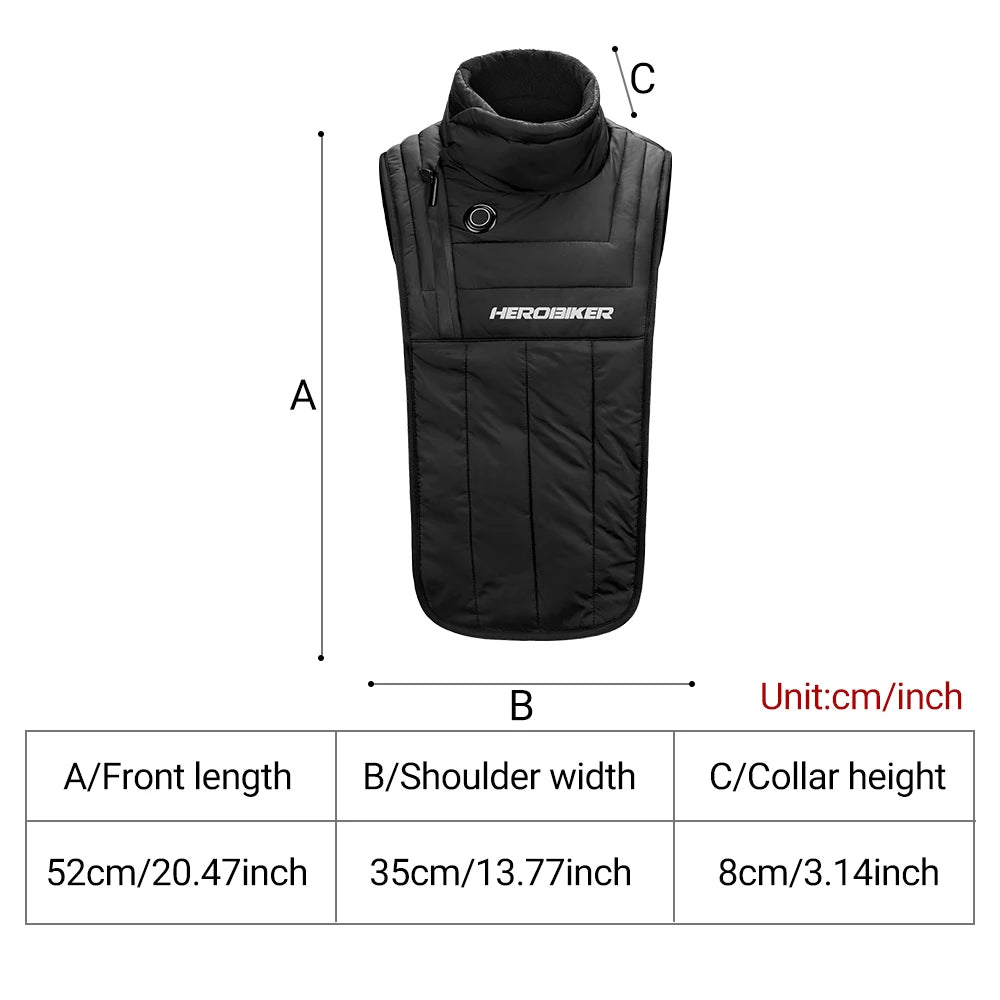
Neck protection is often overlooked despite being one of the largest sources of heat loss. A dedicated winter neck warmer like this option helps seal the gap between your helmet and jacket, improving overall warmth without adding significant bulk.
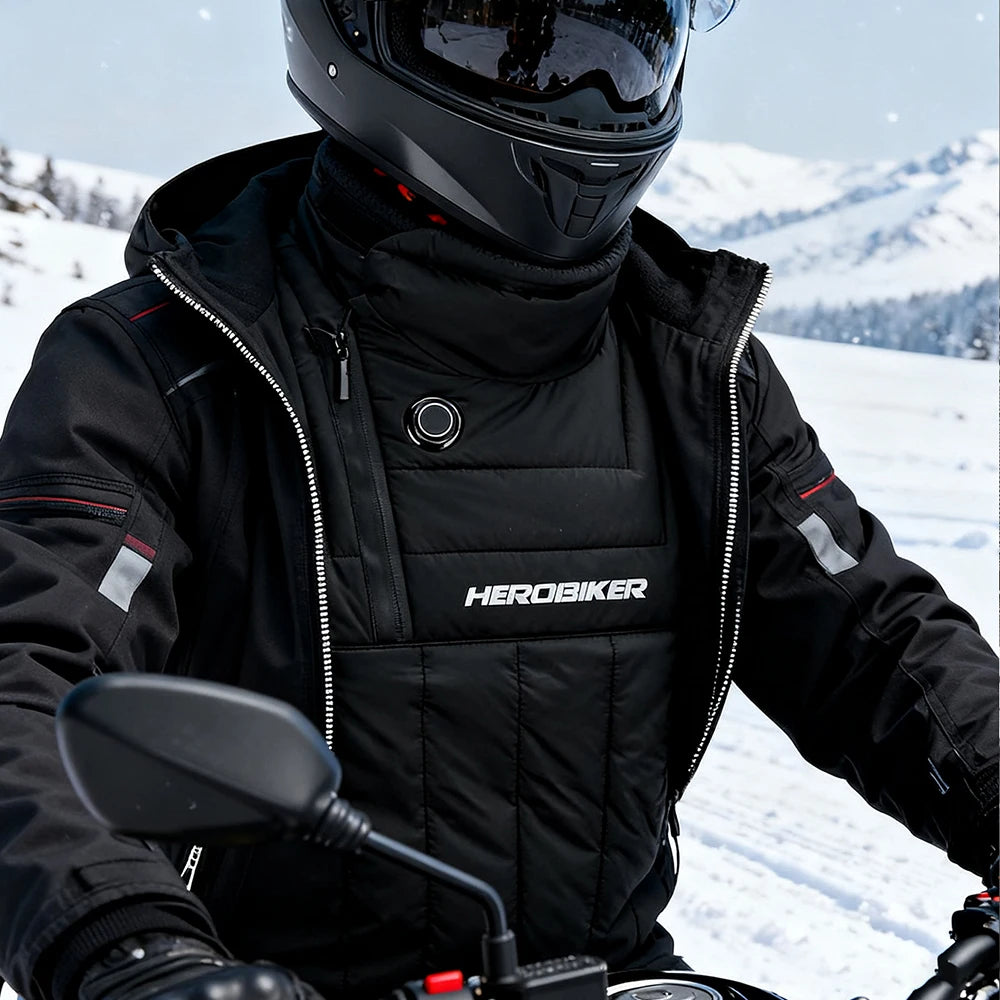
A properly layered windproof shell dramatically reduces wind chill and helps maintain comfort during extended winter rides. See it in action.
Best Heated Motorcycle Gear for Freezing Weather
When passive insulation is no longer enough, heated gear provides consistent warmth that helps preserve comfort, dexterity, and concentration. Rather than replacing traditional layers, heated equipment works best by supplementing a properly fitted cold-weather riding system.
Heated Motorcycle Gloves
Hands are among the first body parts to become cold because they remain exposed to continuous airflow while gripping the handlebars. Heated gloves warm the entire hand, helping riders maintain better feel and control during long winter rides.
- Battery-powered heated gloves for portability and easy installation
- Motorcycle-powered heated gloves for continuous heat on extended rides
- Touchscreen-compatible models for convenience during stops
Heated Jackets and Vests
Heating the body's core supports overall comfort and helps improve circulation to the hands and feet. Heated jacket liners fit beneath existing riding jackets, while heated vests provide core warmth with less bulk and greater freedom of movement.
- Heated jacket liners for flexible layering
- Heated riding vests for lightweight core warmth
- Full heated jackets for riders in consistently cold climates
Heated Grips vs Heated Gloves
Heated grips primarily warm the palms, while the backs of your hands remain exposed to cold airflow. Heated gloves surround the entire hand with warmth, making them the better choice for overall cold-weather comfort. Many touring riders combine both systems to maximize warmth during extended highway travel.
Battery vs Motorcycle-Powered Heated Gear
Battery-powered heated gear offers flexibility for commuting and riders who use multiple motorcycles, although runtime depends on battery capacity and heat settings. Motorcycle-powered systems provide continuous heat for long-distance touring but require installation and compatibility with your motorcycle's electrical system. The best option depends on ride duration, convenience, and how often you encounter freezing temperatures.
Best Winter Motorcycle Gloves, Boots, and Neck Protection
Your hands, feet, and neck are usually the first areas to become uncomfortable because they receive constant wind exposure and have less natural insulation than your core. Keeping these contact points warm helps maintain grip strength, smooth control inputs, and overall riding comfort throughout the journey.
Winter Motorcycle Gloves: Insulation, Dexterity, and Waterproofing
Winter riding gloves should balance warmth with precise control. Excessively bulky gloves can reduce feel at the controls, while thin gloves may leave fingers numb after only a short highway ride.
- Insulated construction for reliable cold-weather warmth
- Windproof and waterproof membranes to block rain and road spray
- Pre-curved fingers for reduced fatigue on longer rides
- Compatibility with heated grips or integrated heating elements when needed
Cold Weather Motorcycle Boots: Warmth and Wet-Weather Protection
Winter motorcycle boots should keep feet dry while preventing cold air from entering around the ankle. Waterproof construction, thermal insulation, and secure soles all contribute to comfort and confident footing during fuel stops or wet conditions.
- Waterproof membranes for all-weather riding
- Thermal insulation without excessive bulk
- Oil- and slip-resistant soles for improved stability
- Tall cuffs that overlap riding pants to reduce wind intrusion
Neck Warmers & Balaclavas: Sealing the Biggest Heat Gap
Even a premium riding jacket can lose effectiveness if cold air enters between the helmet and collar. A quality neck warmer or balaclava creates a comfortable seal, reducing wind chill around one of the body's most exposed areas.
Riders often complement their riding setup with recovery tools from Body Care and Health Devices to help ease muscle stiffness after long rides in cold weather.
Best Winter Motorcycle Riding Gear by Riding Style
Best Gear Setup for Winter Commuting
Daily commuters benefit from gear that is quick to put on, dependable in changing weather, and comfortable across short to moderate distances.
- Moisture-wicking thermal base layer
- Windproof waterproof riding jacket
- Insulated or heated gloves
- Waterproof riding boots
- Neck warmer for improved wind protection
If you're building a setup on a budget, prioritize quality gloves and a windproof outer shell before investing in heated gear.
Best Gear Setup for Touring & Long-Distance Riding
Long-distance riders spend more time exposed to wind, weather, and changing temperatures, making adaptability the highest priority.
- Merino or synthetic thermal base layers
- Insulating mid-layer matched to the forecast
- Touring jacket and pants with waterproof protection
- Heated jacket liner for extended cold-weather comfort
- Heated gloves or heated grips for sustained hand warmth
Although the initial investment is higher, layered systems and heated equipment provide greater comfort across a wider range of riding conditions.
Best Gear Setup for Sport & Performance Riding
Sport riders generally prioritize mobility and precise control while still requiring effective protection against wind chill.
- Slim thermal base layer
- Low-bulk insulated mid-layer when needed
- Aerodynamic windproof sport jacket
- Insulated gloves with excellent lever feel
- Water-resistant boots suited to cooler weather
A streamlined layering system minimizes restriction while maintaining enough warmth for spirited rides in cool conditions.
Side-by-Side: Best Winter Motorcycle Riding Gear
| Gear Category | Primary Benefit | Wind Protection | Best For | Ideal Conditions |
|---|---|---|---|---|
| Thermal Base Layers | Moisture management and heat retention | Low | All riders | Every cold-weather ride |
| Insulating Mid-Layers | Added warmth without excessive bulk | Low | Commuting and touring | 25–50°F (-4°C to 10°C) |
| Windproof Outer Shells | Blocks wind chill and rain | Excellent | Highway riding and long trips | Cold, wet, or windy weather |
| Heated Motorcycle Gear | Active warmth for extended exposure | Depends on outer layer | Touring and freezing temperatures | Below 32°F (0°C) |
Cold Weather Motorcycle Riding Tips Riders Often Overlook
- Seal every opening before adding more insulation. Close gaps around your neck, glove cuffs, jacket waist, and boot openings first. Preventing cold air from entering is often more effective than simply wearing thicker clothing.
- Dress for wind chill, not just the forecast. Highway speeds make the effective temperature much lower than the ambient air temperature, so choose layers based on riding speed, expected wind, and precipitation.
- Manage moisture throughout the ride. Moisture trapped inside your clothing reduces insulation. Wear moisture-wicking base layers and adjust vents when conditions allow to avoid overheating and sweating.
- Take regular breaks to restore circulation. Short stops help warm your hands and feet, reduce fatigue, and improve concentration during extended winter rides.
- Stay hydrated and alert. Riders often drink less in cold weather, but dehydration still contributes to fatigue and slower reactions.
- Check road conditions before every ride. Watch for black ice, frost, snow, wet leaves, and shaded sections of road where surfaces remain colder for longer than surrounding pavement.
Smart layering and careful preparation help extend comfortable and safer winter riding. See it in action.
Quick FAQs About Winter Motorcycle Riding Gear
What temperature is too cold for motorcycle riding?
There is no universal cutoff because wind speed, ride duration, road conditions, and rider experience all matter. Once temperatures fall below freezing (32°F / 0°C), most riders benefit from a complete layered system and, for longer rides, heated gear to maintain comfort and control.
Is wind protection more important than insulation?
In many situations, yes. Windproof outer layers dramatically reduce heat loss caused by airflow, allowing your insulating layers to work more effectively. The best winter motorcycle riding gear combines both wind protection and insulation rather than relying on either alone.
What is the best winter motorcycle riding gear setup?
A complete setup includes a moisture-wicking base layer, an insulating mid-layer, a protective windproof and waterproof outer shell, insulated gloves and boots, neck protection, and heated gear whenever temperatures or ride duration justify it.
Are heated gloves better than heated grips?
Heated gloves warm the entire hand, including the fingers and back of the hand, while heated grips mainly warm the palms. Riders who frequently travel in freezing weather often use both together for maximum comfort.
How many layers should you wear on a motorcycle in winter?
Most riders are best served by three primary layers: a moisture-wicking base layer, an insulating mid-layer, and a windproof outer shell. Add heated gear when temperatures, wind exposure, or trip length exceed what passive insulation can comfortably handle.
What gear do you need for riding a motorcycle below freezing?
Motorcycle gear for freezing temperatures should include thermal base layers, an insulating mid-layer, a windproof and waterproof riding suit, insulated boots, quality winter gloves or heated gloves, neck protection, and heated jacket liners for extended rides when appropriate.
Related Guide: Breathable Cold Weather Accessories Reviewed for Ultimate Comfort













