

Does a thermal neck insulation layer really keep you warmer than a regular scarf?
A thermal neck insulation layer works better than a scarf by sealing heat directly around the neck and upper chest, reducing airflow gaps that cause heat loss. Unlike loose wraps, this insulation layer stays in place during movement, improving overall warmth in cold conditions.
Neck Protection for Cold Weather: Why Thermal Neck Insulation Layers Outperform Scarves
Cold air creeping down your collar. Scarves that slip, bunch, or loosen when you move. Traditional solutions often fail because they don’t create a consistent thermal seal. Modern neck protection for cold weather solves this with close-fitting designs that lock in warmth without bulk—making them more reliable for daily wear, commuting, and outdoor use.
⏱ 7 min read
Discover what makes today’s thermal neck insulation layer different from what you’ve tried before.
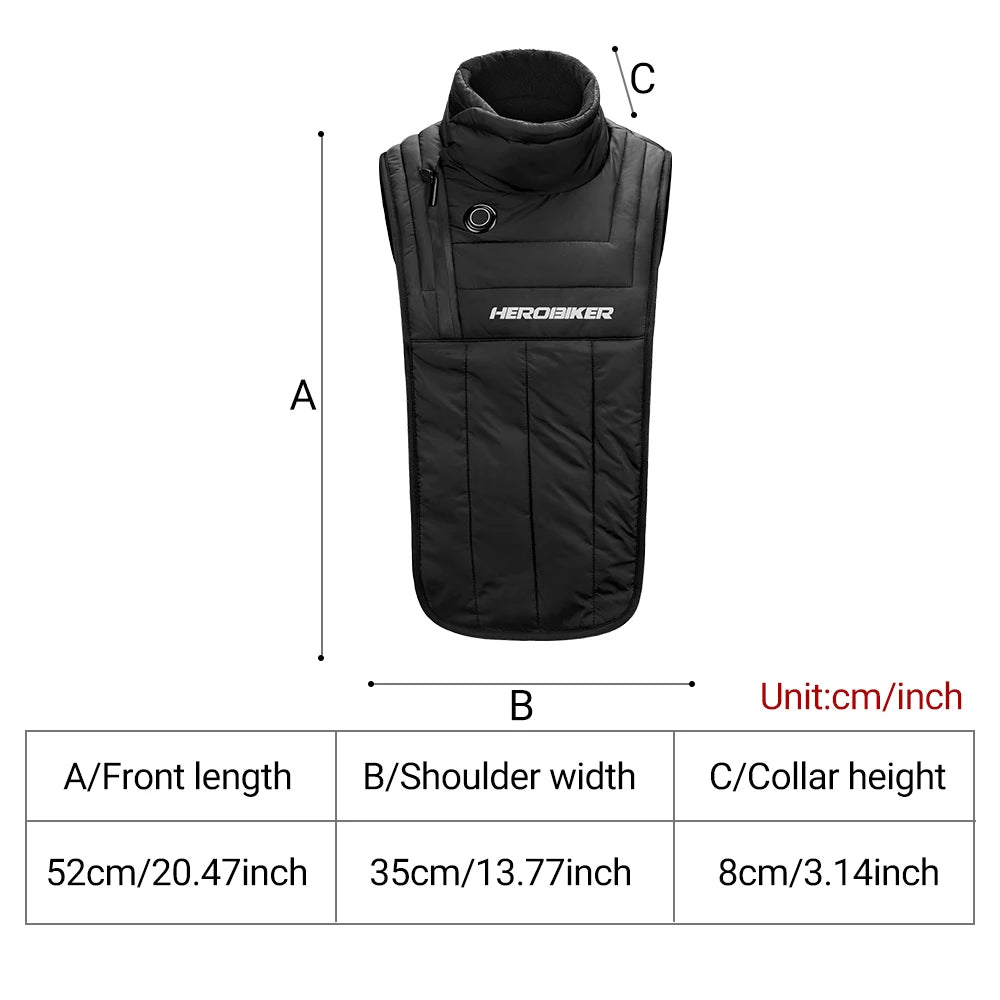
Thermal neck insulation layer designed to seal warmth where scarves leak
What to Wear Around Your Neck in Cold Weather (Complete Guide)
Choosing what to wear around your neck in cold weather depends on temperature, wind exposure, and activity level. The goal is simple: retain heat, block wind, and stay comfortable without constant adjustment.
- Mild cold: Lightweight gaiters or thin fleece wraps
- Moderate cold: Insulated neck warmers or fleece layers
- Extreme cold: Merino wool or multi-layer protection
If you’re moving frequently or exposed to wind, a sealed thermal layer is typically more effective than a loose scarf.
Types of Neck Protection for Cold Weather
Scarves (Traditional Option)
Scarves wrap loosely around the neck and offer flexible styling, but often leave gaps that reduce insulation.
- Pros: versatile, stylish
- Cons: shifts easily, inconsistent warmth
Neck Gaiters & Tubes
Stretchable tubes that slide over the head and sit snugly around the neck.
- Pros: secure fit, lightweight
- Cons: may be thinner depending on material
Balaclavas & Full Coverage Gear
Provide full coverage for neck, face, and head—ideal for extreme cold or snow conditions.
- Pros: maximum protection
- Cons: less breathable for daily use
Neck Warmers & Thermal Wraps
Designed for targeted insulation with a snug fit that seals warmth effectively.
- Pros: best balance of warmth and comfort
- Cons: less decorative than scarves
Scarf vs Neck Warmer vs Gaiter: Which Is Better?
Warmth & Insulation Comparison
| Feature | Neck Warmer | Gaiter | Scarf |
|---|---|---|---|
| Heat retention | High | Medium–High | Medium |
| Wind protection | Excellent | Good | Limited |
| Fit stability | Stays in place | Secure | Loose |
| Ease of use | Very easy | Easy | Requires wrapping |
Wind Protection & Coverage
Neck warmers and gaiters outperform scarves by eliminating gaps that allow wind to enter.
Ease of Use & Practicality
Thermal wraps require minimal adjustment, making them ideal for commuting, sports, and travel.
Best Materials for Cold Weather Neck Protection
Merino Wool vs Fleece vs Synthetic
- Merino wool: Excellent insulation, moisture control, and odor resistance
- Fleece: Soft, warm, and affordable
- Synthetic: Lightweight, breathable, and quick-drying
Windproof & Thermal Fabrics
Wind-blocking layers reduce heat loss significantly, especially in exposed environments.
Breathability vs Insulation Balance
High activity requires breathable materials, while static conditions benefit from thicker insulation.
How to Choose the Right Neckwear (Temperature & Activity Guide)
Mild Cold vs Extreme Cold
- 0°C to 10°C: lightweight fleece
- -10°C to 0°C: midweight thermal layers
- Below -10°C: merino or insulated wraps
Commuting vs Outdoor Sports
- Commuting: breathable and lightweight
- Sports: moisture-wicking synthetic materials
Motorcycling & High Wind Conditions
Choose windproof neck warmers with a snug seal to block cold air at high speeds.
When to Use Each Type (Real-Life Scenarios)
Daily Commuting
Lightweight thermal wraps offer comfort without overheating.
Winter Travel & Snow Activities
Balaclavas or thick fleece layers provide added protection in extreme cold.
High-Speed or Wind Exposure
Windproof neck warmers perform best by sealing airflow completely.
How to Use Neck Warmers Effectively
Proper Fit & Coverage
Ensure full contact around the neck and upper chest to prevent heat loss.
Layering with Jackets
Wear under outerwear to create a sealed insulation layer.
Adjusting for Breathability
Loosen slightly during high activity to prevent overheating.
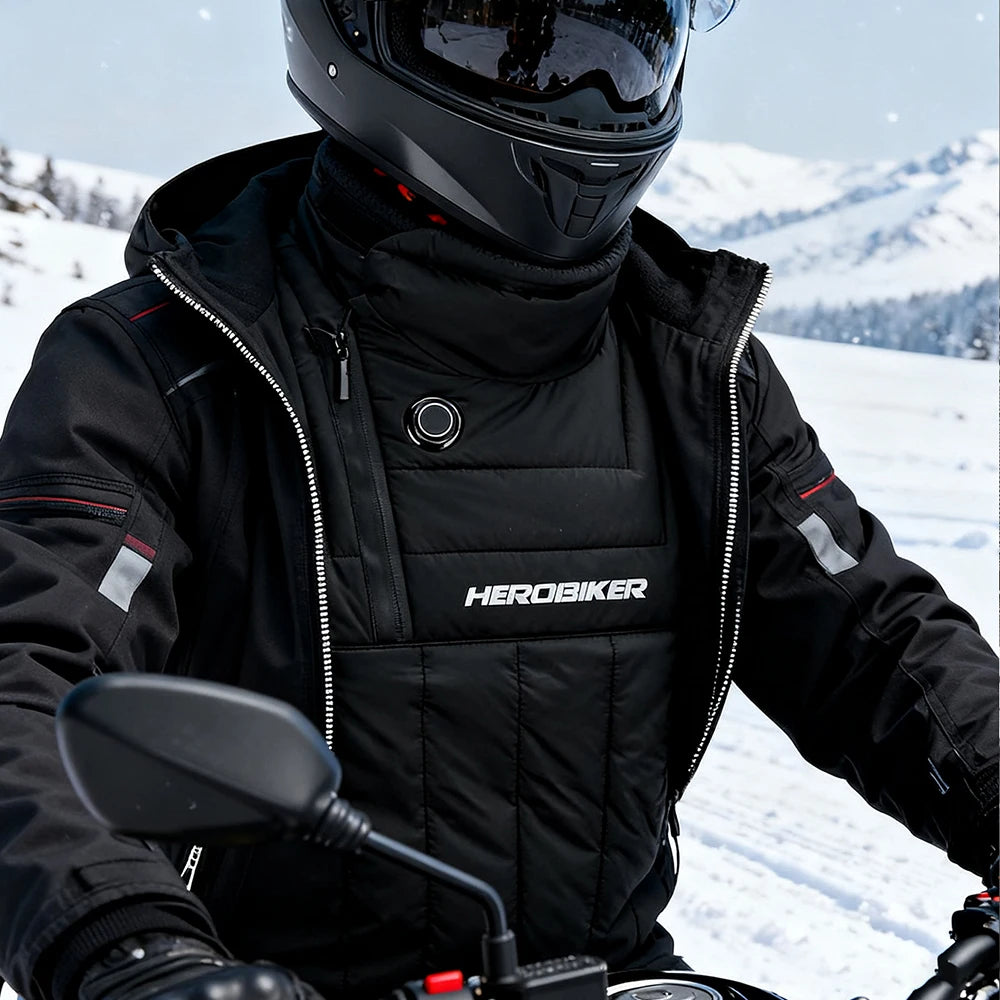
Stable neck warmer wrap design improves heat retention
Cold Weather Neck Pain Prevention
Why Cold Affects Neck Muscles
Cold temperatures can reduce blood flow, leading to stiffness and discomfort.
Best Protective Gear Choices
Snug-fitting thermal layers help maintain consistent warmth and flexibility.
Simple Prevention Tips
- Keep neck covered at all times outdoors
- Avoid damp materials
- Layer properly to maintain warmth
Scarf Alternatives for Winter Neck Protection
Best Alternatives Ranked
- Thermal neck warmers
- Neck gaiters
- Balaclavas
- Convertible face covers
When to Replace a Scarf
If your scarf requires constant adjustment or fails in windy conditions, upgrading to a fitted option improves performance.
Performance Comparison
Modern alternatives outperform scarves by offering better heat retention, wind protection, and ease of use.
Get yours now — limited stock!
FAQs About Neck Protection in Cold Weather
What should you wear around your neck in cold weather?
Neck warmers, gaiters, and balaclavas provide better insulation and stability than scarves.
What is better: scarf or neck warmer?
Neck warmers are generally more effective due to their snug fit and wind-blocking design.
What is the best neck warmer for cold weather?
Merino wool or fleece-lined thermal neck warmers offer the best balance of warmth and comfort.
How do you keep your neck warm in winter?
Use a fitted thermal layer, avoid gaps, and layer properly with outerwear.
What is the best neck protection for motorcycling in cold weather?
Windproof neck warmers with thermal lining are ideal for high-speed conditions.
Can cold weather cause neck pain?
Yes, cold can tighten muscles and reduce flexibility, leading to stiffness and discomfort.
Upgrade your cold-weather comfort today













