

Best Portable Clothes Dryer for Apartment (2026 Buyer’s Guide)
⏱ 7 min read · Living in an apartment, condo, RV, or studio doesn't mean you have to rely on laundromats or wait days for clothes to air dry. The best portable clothes dryer for apartment living combines compact dimensions, efficient drying performance, low energy consumption, and quiet operation, making laundry easier without taking over your limited space.
Quick Answer: What Is the Best Portable Clothes Dryer for Apartment Living?
The best portable clothes dryer for apartment use is a compact electric model with a capacity of 2.5–3.5 cu ft , moisture-efficient drying cycles, and a footprint small enough for closets, laundry corners, or utility rooms. It provides the ideal balance of drying speed, electricity usage, noise level, and convenience for everyday laundry.
Your ideal portable dryer for apartment depends on your available space, laundry volume, and whether your building allows external venting.
- Best overall: Compact electric dryer (2.5–3.5 cu ft) with optional venting for the fastest drying performance.
- Best for apartments without window access: Ventless portable clothes dryer that condenses moisture internally.
- Best for studios and tight spaces: Mini clothes dryer under 2.0 cu ft for lightweight daily loads.
- Best for families or frequent laundry: Larger portable dryer with higher capacity and moisture sensor technology.
Choose a vented portable dryer if you can safely exhaust warm air through a window or approved vent. If external venting isn't possible, a ventless portable clothes dryer is the better choice because it operates safely indoors while simplifying installation for renters.
When comparing the best small dryer for apartment living, prioritize these buying factors:
- Capacity that matches your weekly laundry volume.
- Low noise (ideally below 60 dB) for shared living spaces.
- Standard 120V household power compatibility.
- Energy-efficient drying cycles that help reduce electricity costs.
- Compact dimensions that fit your available floor space.
Top 7 Best Portable Clothes Dryers for Apartments (Tested & Ranked)
Best Overall Portable Dryer
A 3.5 cu ft compact electric dryer earns the top recommendation for most apartment households because it delivers the strongest balance of drying speed, capacity, reliability, and long-term value.
- Best use case: Daily laundry for singles, couples, or small families.
- Key specifications: 2.5–3.5 cu ft capacity, standard household power, optional venting.
- Pros: Faster drying, larger loads, versatile installation.
- Cons: Requires slightly more floor space than mini models.
Best Budget Portable Dryer
Budget-friendly portable dryers with 1.5–2.0 cu ft capacity provide dependable performance for occasional laundry while keeping upfront costs low.
- Best use case: Students, singles, and occasional use.
- Key specifications: Compact footprint with small-load capacity.
- Pros: Affordable, lightweight, easy to move.
- Cons: Longer drying times and limited capacity.
Best Ventless Portable Clothes Dryer
Ventless portable clothes dryers remove moisture through condensation, making them an excellent solution for apartments where exterior venting isn't permitted.
- Best use case: Renters and no-window installations.
- Key specifications: Condenser drying system with indoor operation.
- Pros: No vent hose required, flexible placement, apartment friendly.
- Cons: Drying cycles are generally longer than vented models.
Best Mini Clothes Dryer for Apartment
Mini clothes dryers under 2.0 cu ft maximize space efficiency and fit easily into closets, countertops, or compact laundry areas.
- Best use case: Studio apartments, RVs, dorm rooms, and lightweight clothing.
- Key specifications: Ultra-compact size with small-load operation.
- Pros: Extremely portable and space saving.
- Cons: Not suitable for bulky bedding or heavy towels.
Best Quiet Portable Dryer
Quiet portable dryers operating below approximately 60 dB help minimize disruption in apartments where living, working, and sleeping areas share the same room.
- Best use case: Studios, shared apartments, and late-evening laundry.
- Key specifications: Low-vibration motor with noise-reducing insulation.
- Pros: Comfortable daily use and reduced operating noise.
- Cons: Premium quiet models often cost more.
Best Large-Capacity Portable Dryer
Portable dryers with capacities approaching 3.5 cu ft can handle towels, bedding, and multiple outfits while still fitting comfortably into many apartment laundry areas.
- Best use case: Families and frequent laundry loads.
- Key specifications: High-capacity drum with efficient airflow.
- Pros: Fewer drying cycles and greater convenience.
- Cons: Larger footprint than compact alternatives.
Best for RVs & Dorms
Portable dryers designed for RV and dorm living emphasize lightweight construction, easy storage, and simple setup without sacrificing everyday practicality.
- Best use case: Travelers, college students, and seasonal living.
- Key specifications: Compact dimensions with portable design.
- Pros: Easy transportation and flexible placement.
- Cons: Smaller loads require more frequent drying cycles.
Comparison Table: Best Portable Dryers for Apartments
| Type | Capacity | Dimensions & Weight | Drying Time | Noise & Power | Venting Type | Best For |
|---|---|---|---|---|---|---|
| Mini Dryer | 1.5–2.0 cu ft | Compact, lightweight | 60–120 min | Low noise · Lower power draw | Usually vented | Singles, students, light daily loads |
| Compact Dryer | 2.5–3.5 cu ft | Medium footprint | 40–90 min | Moderate noise · Standard household outlet | Vented or ventless | Daily apartment laundry |
| Ventless Dryer | 2.0–3.0 cu ft | Compact cabinet design | 70–120 min | Low noise · Energy-efficient cycles | Condenser (no external vent) | Apartments without window venting |
When selecting a portable dryer for apartment living, compare more than capacity alone. Dimensions, installation requirements, operating noise, and venting method all influence how well a dryer fits your available space. For most users seeking a compact clothes dryer for small spaces , a 2.5–3.5 cu ft model offers the best balance of convenience and performance, while a ventless unit is ideal where external venting isn't permitted.
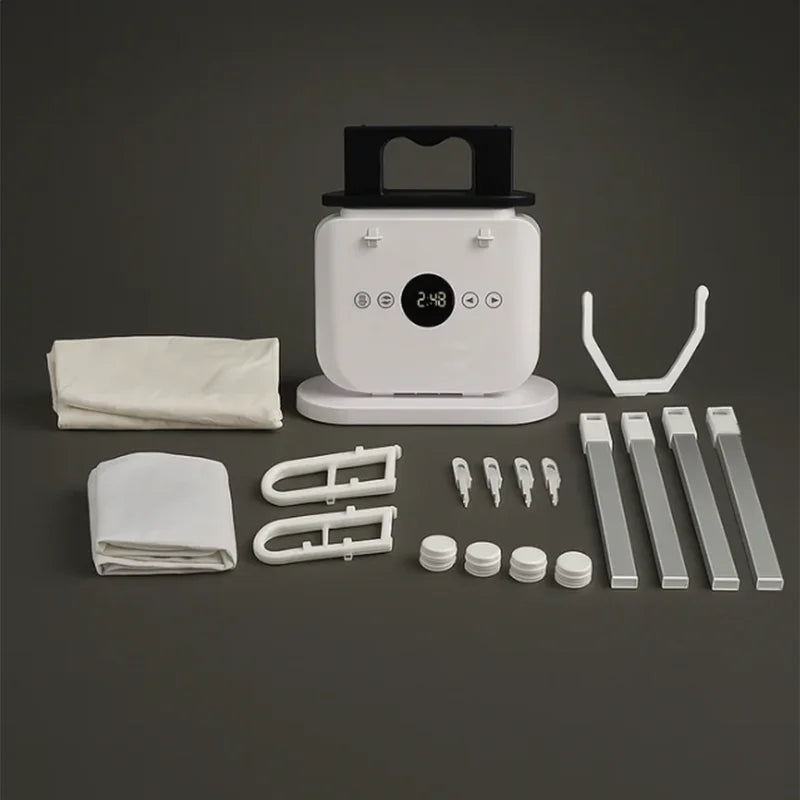
energy efficient small dryer for compact homes · See it in action
Portable Dryer Types Explained
Different portable dryers use different drying technologies. Understanding how each type works helps you choose the best option based on installation flexibility, drying speed, and available apartment space.
Vented Portable Dryers
Vented portable dryers use heated air to remove moisture and exhaust warm, humid air through a vent hose. They generally deliver the fastest drying times and work well for households that wash multiple loads each week.
- Drying method: Heated airflow with external exhaust.
- Installation: Requires access to a window or approved vent outlet.
- Best for: Apartments that permit temporary venting and users who prioritize shorter drying cycles.
- Limitations: Placement is restricted by vent access.
Ventless Portable Clothes Dryers
A ventless portable clothes dryer captures moisture through condensation instead of exhausting it outdoors. This makes it an excellent choice for renters, condos, and buildings where vent hoses aren't practical or allowed.
- Drying method: Condensation system that collects moisture internally.
- Installation: No external vent required.
- Best for: Apartments with strict building rules or no nearby window.
- Limitations: Drying cycles are typically longer than vented models.
Spin Dryers vs Heated Dryers
Spin dryers remove water through high-speed centrifugal force rather than heat. They dramatically reduce moisture before clothes are hung to finish drying but do not completely dry garments.
| Feature | Spin Dryer | Heated Dryer |
|---|---|---|
| Primary Function | Extracts water | Fully dries clothes |
| Electricity Use | Very low | Moderate |
| Dryness After Cycle | Damp | Ready to wear |
| Best For | Supplementing air drying | Complete laundry drying |
Foldable Drying Cabinets
Foldable drying cabinets circulate warm air around hanging garments, making them suitable for delicate clothing, uniforms, baby clothes, and fabrics that shouldn't tumble dry.
- Drying method: Warm circulating air.
- Installation: Portable and easy to store.
- Best for: Delicate garments and occasional use.
- Limitations: Smaller capacity and slower drying than drum-style portable dryers.
Real-World Performance Testing
Performance varies depending on fabric type, load size, ambient temperature, and whether you choose a vented or ventless model. The following figures reflect typical results for an electric portable dryer used indoors under normal household conditions.
Drying Time by Fabric
- Lightweight synthetics: 30–50 minutes
- T-shirts and everyday clothing: 40–70 minutes
- Cotton garments: 60–90 minutes
- Towels and heavier fabrics: 80–120 minutes
Keeping loads below the dryer's maximum capacity allows warm air to circulate more effectively, resulting in shorter drying times and more consistent performance.
Noise Measurements
Most compact portable dryers operate between 55–65 dB , comparable to a modern dishwasher or quiet conversation. Models with insulated cabinets and balanced drums generally produce less vibration, making them suitable for apartments, studios, and shared living spaces.
Electricity Consumption
An electric portable dryer indoor typically uses less electricity than a full-size household dryer because it dries smaller loads. Actual energy use depends on heating power, cycle length, and laundry volume, but moisture sensors and eco modes can further reduce unnecessary energy consumption.
Load Capacity
- Mini dryers: Approximately 5–8 lbs of laundry.
- Compact dryers: Approximately 8–13 lbs.
- Best practice: Fill the drum to about three-quarters full to maximize airflow and drying efficiency.
Best Portable Dryer for Every Apartment Situation
Studio Apartments
Residents with limited floor space benefit most from compact or mini dryers that fit inside closets, laundry nooks, or utility areas while providing enough capacity for several days of clothing.
Renters
Renters often prefer ventless models because installation is simple and permanent modifications to the apartment are usually unnecessary. A compact footprint also makes moving between homes easier.
Families
Small families or couples who do laundry several times each week should consider larger portable dryers with 2.5–3.5 cu ft capacity to reduce the number of drying cycles required.
RV & Dorm Living
Portable dryers designed for RVs, vacation homes, and dormitories prioritize lightweight construction, easy storage, and compatibility with standard household electrical outlets.
Many users also explore upgrades in the Lifestyle collection to improve daily comfort.
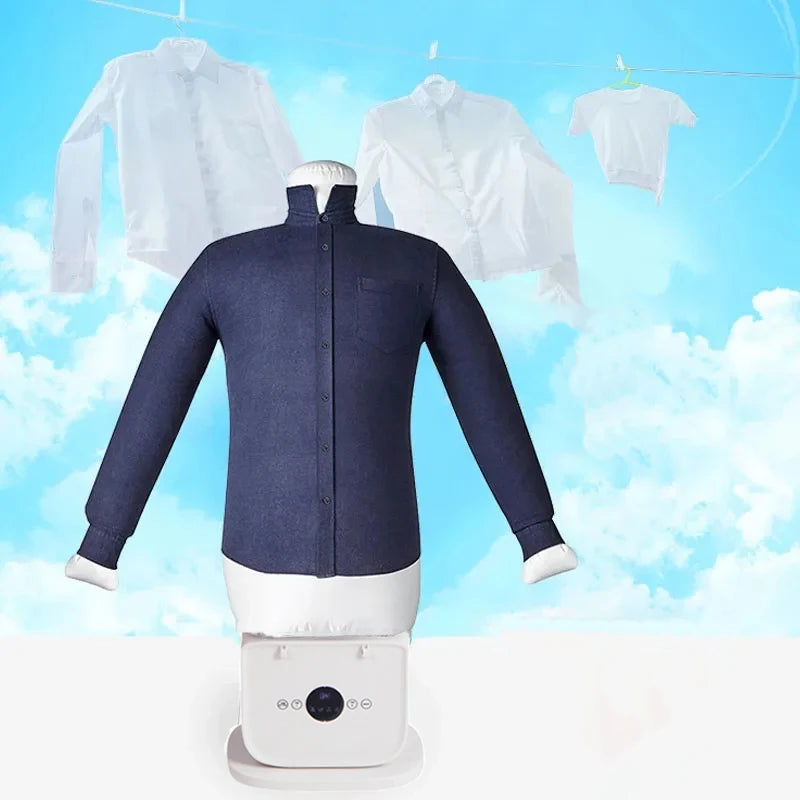
space saving dryers for apartments · See how it fits small rooms
How to Choose the Best Portable Dryer for Your Apartment
What Size Portable Dryer for Apartment?
If you're wondering what size portable dryer for apartment living is best, match the capacity to your household and available space.
- 1.5–2.0 cu ft: Singles, students, and occasional laundry.
- 2.0–2.5 cu ft: Couples with moderate weekly loads.
- 2.5–3.5 cu ft: Daily family use, towels, and larger clothing items.
Do Portable Dryers Need a Vent?
Do portable dryers need a vent? It depends on the design. Traditional vented models require a window or approved exhaust outlet, while a no vent dryer apartment setup uses condenser technology to collect moisture internally without external ventilation.
Apartment Power Requirements
Most portable dryers operate using a standard household electrical outlet, making installation straightforward in apartments. Before purchasing, verify that the circuit can safely support the appliance and avoid using extension cords unless approved by the manufacturer.
Condensation & Placement
Place the dryer on a level, stable surface with adequate clearance around the air intake and exhaust. Ventless models also need sufficient airflow around the cabinet to maintain efficient condensation performance.
Maintenance & Filter Care
Routine maintenance helps preserve drying performance and energy efficiency.
- Clean the lint filter after every load.
- Empty the water collection container on ventless models when required.
- Inspect air vents regularly for lint buildup.
- Keep the surrounding area free of dust to maintain unrestricted airflow.
One practical option is a portable clothes dryer designed specifically for compact clothes dryer small spaces, offering convenient installation and efficient drying for apartments.
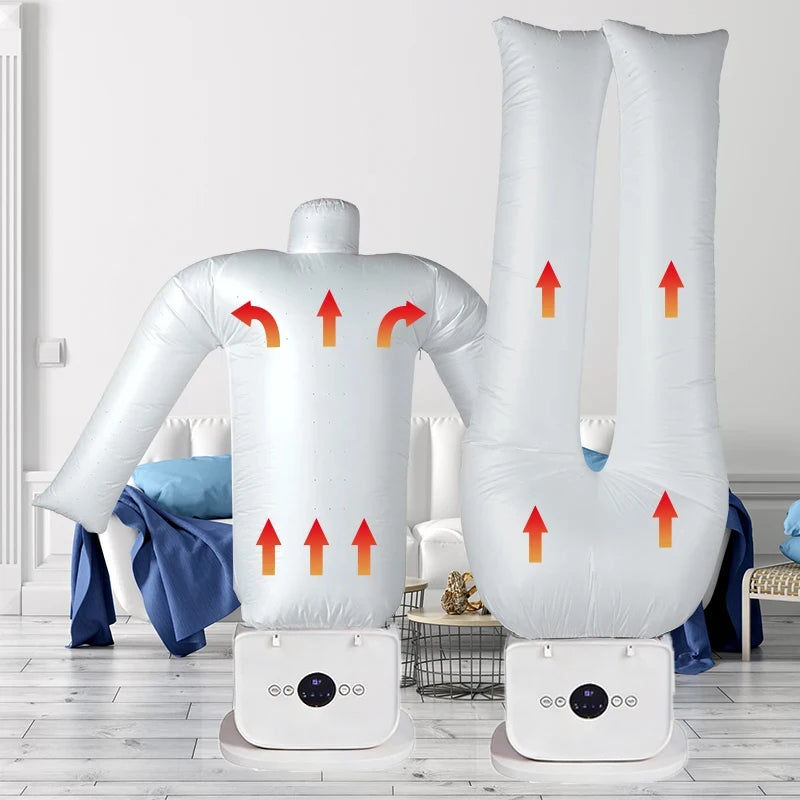
ventless portable clothes dryer in use · See real results
Pros and Cons of Portable Clothes Dryers
A portable dryer for apartment living offers an excellent balance of convenience and space efficiency, but choosing the right model requires understanding both its strengths and limitations.
Advantages
- Compact footprint that fits apartments, studios, condos, RVs, and small homes.
- Lower upfront cost than many full-size dryers.
- Easy installation with many models using standard household outlets.
- Reduced reliance on laundromats, saving time and recurring laundry expenses.
- Energy-efficient operation for smaller loads, particularly with moisture sensor technology.
Limitations
- Smaller drum capacity than traditional household dryers.
- Heavy fabrics and bedding may require longer drying cycles.
- Some ventless models prioritize efficiency over speed.
- Noise levels vary depending on motor quality and installation.
Who Should Avoid One?
If you routinely wash large family-sized loads, oversized comforters, or commercial quantities of laundry, a full-size dryer may better suit your needs. Portable models perform best for individuals, couples, small families, and renters.
Long-Term Value
For apartment living, a quality portable dryer often provides excellent long-term value by reducing trips to shared laundry facilities while occupying minimal floor space. Regular maintenance also helps maintain efficient performance for years of everyday use.
Operating Costs and Long-Term Ownership
Electricity Cost
Most compact portable dryers consume less electricity per cycle than traditional full-size dryers because they handle smaller loads. Actual operating cost depends on local electricity rates, drying temperature, and weekly laundry frequency.
Maintenance Cost
Routine ownership costs are generally low. Cleaning the lint filter after each cycle and periodically inspecting vents or condenser components helps maintain efficient airflow while reducing wear on internal parts.
With proper maintenance and normal household use, a quality portable dryer can provide many years of reliable service. Avoiding overloaded drums and keeping airflow unobstructed helps extend appliance life.
Are Portable Clothes Dryers Safe for Apartments?
Are portable dryers safe for apartments? Yes. Modern portable dryers are designed with multiple safety features and are generally safe when installed and operated according to the manufacturer's instructions.
Vent Safety
Vented models should always exhaust air through an approved vent or window kit. A ventless portable clothes dryer eliminates the need for external venting, making it a practical solution for many apartment buildings.
Overheating Prevention
Many portable dryers include automatic shutoff systems, temperature monitoring, and overheating protection. Cleaning lint filters after every load allows air to circulate properly and reduces unnecessary heat buildup.
Electrical Safety
An electric portable dryer indoor should be plugged directly into a properly rated wall outlet. Avoid overloaded extension cords and ensure the electrical circuit matches the manufacturer's recommendations.
Building Rules
Before purchasing a dryer, review apartment or condominium regulations regarding venting, appliance installation, and electrical requirements. Ventless models are often the easiest option for renters because they require fewer installation modifications.
Frequently Asked Questions
How does a portable clothes dryer work?
A portable clothes dryer circulates heated air through a rotating drum to evaporate moisture from clothing. Vented models exhaust humid air outdoors, while ventless models condense moisture into a removable collection system.
Do portable dryers need a vent?
No. Only vented models require external exhaust. Ventless dryers use condenser technology and can operate without a vent, making them suitable for many apartments.
Are portable dryers safe for apartments?
Yes. When installed correctly with adequate airflow and routine maintenance, portable dryers are safe for apartment use. Modern models include multiple built-in safety protections.
What size portable dryer for apartment?
A 1.5–2.0 cu ft model works well for singles or occasional laundry, while a 2.5–3.5 cu ft dryer is generally the best choice for couples and regular weekly laundry.
Can a compact dryer dry blankets?
Yes, provided the blanket fits comfortably inside the drum. Lightweight blankets and throws dry easily, while thicker comforters may require multiple cycles or a larger-capacity model.
How much electricity does a portable dryer use?
Electricity consumption varies by wattage, drying cycle, and load size, but portable dryers generally use less energy than full-size household dryers because they handle smaller loads more efficiently.













