

Best Power Bank for Heated Vest (2026): Top Battery Packs for Long Winter Heating
⏱ 7 min read
Choosing the best power bank for a heated vest can make the difference between staying comfortably warm for an entire winter outing and running out of heat halfway through your day. Whether you're hiking, skiing, hunting, working outdoors, or commuting in freezing temperatures, the right battery pack delivers dependable power, safe operation, and consistent heating performance. This guide compares today's leading battery options, explains USB and DC compatibility, and helps you select the best battery pack for your heated clothing based on runtime, portability, and real-world use.
See how portable battery packs power modern heated vests.
Quick Answer — What Is the Best Power Bank for Heated Vest?
The best power bank for a heated vest depends on four key factors: your vest's required output voltage, connector type, desired runtime, and how much weight you're willing to carry. Before buying a replacement battery pack, verify whether your heated vest uses a standard 5V USB power bank or a dedicated 7.4V DC heated clothing battery , as these systems are not always interchangeable.
For most USB-powered heated vests, a reliable 10,000mAh to 20,000mAh USB-C power bank provides the best balance of heating duration, portability, and compatibility. If your heated apparel uses a proprietary 7.4V battery, choosing the manufacturer's recommended battery pack typically delivers stronger and more consistent heat output.
- Best overall: 20,000mAh USB-C power bank for long runtime and broad USB compatibility.
- Best battery pack for heated vest with dedicated systems: 7.4V heated clothing battery designed for your vest's connector.
- Best lightweight option: Compact 10,000mAh portable charger for commuting, walking, and everyday winter wear.
- Best compatibility: A power bank with the correct USB or DC output that matches your heated vest's specifications.
When comparing battery packs, prioritize output voltage, continuous current delivery, battery capacity, built-in safety protections, recharge speed, and overall portability rather than mAh alone. The following recommendations cover the most common options for different heated vest systems and winter activities.
Top 7 Best Power Banks for Heated Vests
1. High-Capacity 7.4V Heated Vest Battery Pack
Dedicated 7.4V battery packs are built specifically for heated clothing and generally provide stable power output throughout the discharge cycle. They are the preferred choice for premium heated vest brands that require proprietary batteries.
- Voltage: 7.4V
- Capacity: Approximately 10,000–15,000mAh equivalent
- Estimated runtime: 6–10 hours depending on heat setting
- Pros: Consistent heating, optimized compatibility, reliable cold-weather performance
- Best for: Dedicated heated clothing systems
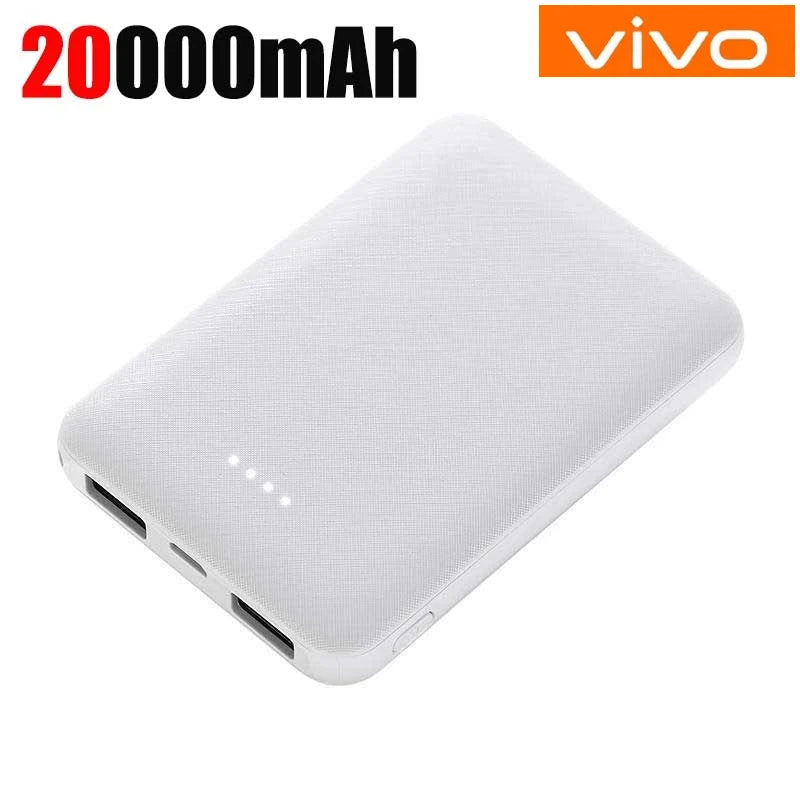
2. 20,000mAh USB-C Portable Charger
For heated vests powered by standard USB, a high-capacity battery such as the 20,000mAh power bank offers an excellent combination of runtime, portability, and compatibility. USB-C charging also makes recharging faster and more convenient for everyday use.
- Voltage: 5V USB
- Capacity: 20,000mAh
- Estimated runtime: 6–8 hours
- Pros: Universal USB compatibility, easy recharging, suitable for multiple devices
- Best for: Travel, commuting, hiking, and most USB-powered heated vests
3. Lightweight Heated Clothing Battery Pack
If comfort and mobility are your priorities, a lightweight battery pack minimizes bulk while still providing enough power for several hours of continuous heating.
- Capacity: 10,000mAh
- Weight: Lightweight design for comfortable wear
- Estimated runtime: 4–6 hours
- Pros: Comfortable for active use, compact size
- Best for: Hiking, skiing, walking, and daily commuting
4. Power Bank with DC Output for Heated Vest
Some heated clothing systems require a DC connector instead of USB. These battery packs provide higher output voltage and are designed for heated garments that cannot operate from a standard USB power bank.
- Output: DC 7.4V or 12V
- Compatibility: Heated clothing with DC barrel connectors
- Estimated runtime: 5–9 hours
- Pros: Stable power delivery for higher-output heating systems
- Best for: Specialty heated jackets and professional outdoor gear
5. Compact 10,000mAh Heated Vest Power Bank
A compact power bank fits easily into most heated vest battery pockets while supplying dependable warmth for shorter outdoor sessions.
- Capacity: 10,000mAh
- Estimated runtime: 4–5 hours
- Pros: Small, lightweight, easy to carry
- Best for: Short commutes, errands, and casual winter use
6. Long-Runtime Heated Apparel Battery
Higher-capacity battery packs are ideal for people who spend extended periods outdoors, especially in sub-freezing temperatures where frequent recharging isn't practical.
- Capacity: 20,000mAh or higher
- Estimated runtime: Up to 10 hours on lower heat settings
- Pros: Extended heating duration, fewer charging interruptions
- Best for: Outdoor workers, winter sports, hunting, and long hikes
7. Budget Portable Charger for Heated Vest
Entry-level USB power banks can still provide reliable heating performance for occasional users, provided they meet the voltage and current requirements of the heated vest.
- Capacity: 10,000–15,000mAh
- Estimated runtime: 4–6 hours
- Pros: Affordable, widely available, suitable for light winter use
- Best for: Budget-conscious buyers and occasional outdoor activities
Power Bank Comparison Table for Heated Vests
The table below compares the most common heated vest power bank options by capacity, output voltage, approximate weight, estimated heating runtime, and typical recharge time. These estimates assume a fully charged battery and average winter operating conditions. Actual performance varies depending on the vest's power consumption, insulation, ambient temperature, and selected heat level.
| Battery Type | Capacity | Output Voltage | Approx. Weight | Estimated Heating Time | Typical Recharge Time |
|---|---|---|---|---|---|
| Compact power bank | 10,000mAh | 5V USB | 180–230g | 4–5 hours | 2.5–4 hours |
| Mid-capacity power bank | 15,000mAh | 5V USB | 250–320g | 5–7 hours | 3–5 hours |
| High-capacity power bank | 20,000mAh | 5V USB | 320–420g | 6–8 hours | 4–6 hours |
| Dedicated heated clothing battery | 10,000–15,000mAh equivalent | 7.4V DC | 280–380g | 6–10 hours | 3–5 hours |
Higher-capacity batteries generally extend runtime but also add weight. If comfort is your priority, a 10,000mAh battery is often sufficient for commuting or short outdoor trips. For full-day activities or prolonged exposure to cold weather, a 20,000mAh battery or a dedicated 7.4V heated clothing battery usually offers the best balance of endurance and consistent heat output.
USB vs DC Heated Vest Batteries Explained
Not all heated vests use the same power system. Understanding whether your garment is designed for USB or DC power is essential before purchasing a replacement battery, since connector type and output voltage determine compatibility.
5V USB Heated Vests
Most entry-level and mid-range heated vests use a standard 5V USB connection. These models are compatible with many quality portable chargers, making replacement batteries easy to find and convenient for travel. USB-powered systems are also useful because the same power bank can charge phones, tablets, and other portable electronics.
Many premium heated clothing brands use dedicated 7.4V battery packs rather than standard USB power. The higher output voltage helps maintain stronger, more consistent heating performance and is typically paired with proprietary connectors designed specifically for the garment.
12V Heated Clothing Systems
Some heavy-duty heated jackets and workwear operate on 12V battery systems to support larger heating panels or higher heat output. These batteries are generally intended for specialized outdoor work, powersports, or industrial applications and should only be used with compatible garments.
Why Output Voltage Matters
Voltage compatibility is one of the most important purchasing considerations. Connecting a 5V USB power bank to a vest designed for 7.4V or 12V operation may prevent the heating elements from reaching their intended temperature. Likewise, using an incompatible higher-voltage battery can damage electronic components or void the manufacturer's warranty. Before replacing a heated vest battery, always confirm the required voltage, connector style, and current specifications listed by the vest manufacturer.
How to Choose the Best Battery Pack for Heated Clothing
Selecting the right battery pack involves more than choosing the highest capacity available. The ideal option balances runtime, compatibility, comfort, and safety while matching the electrical requirements of your heated vest or jacket.
Battery Capacity (mAh)
Battery capacity determines how long your heated clothing can operate before recharging. While a larger mAh rating generally provides longer heating time, it also increases battery size and weight.
- 10,000mAh: Ideal for commuting, walking, and shorter outdoor activities.
- 15,000mAh: A balanced choice for everyday winter use.
- 20,000mAh or higher: Best for all-day outdoor work, skiing, camping, hunting, and extended exposure to cold weather.
Output Voltage and Current
Always match the battery's output voltage with your heated vest's specifications. USB-powered garments typically require 5V output, while premium heated clothing may use dedicated 7.4V or 12V battery systems. In addition to voltage, verify that the battery can deliver sufficient continuous current to support the heating elements without triggering protection circuits.
Weight vs. Runtime
Longer runtime usually comes with a heavier battery pack. If you'll be wearing the vest during high-mobility activities such as hiking, snowshoeing, or cycling, a lighter battery may provide better overall comfort. For stationary work or long winter outings, the additional weight of a larger battery is often worthwhile.
Safety Features
Choose batteries equipped with multiple protection systems to reduce the risk of overheating or electrical failure. Quality power banks typically include:
- Overcharge protection
- Over-discharge protection
- Short-circuit protection
- Overcurrent protection
- Temperature monitoring
- Automatic power management
These features help protect both the battery and the heated vest during regular winter use.
Airline Travel Limits
If you frequently travel, check the battery's watt-hour (Wh) rating rather than mAh alone. Most consumer power banks for heated vests remain below the airline carry-on limit of 100Wh, making them suitable for air travel when packed in carry-on luggage. Always review your airline's latest battery policies before flying, particularly if carrying multiple spare batteries.
Estimated Runtime for Heated Vest Power Banks
The estimates below represent typical real-world performance for heated vest batteries. Actual runtime depends on battery quality, outdoor temperature, vest insulation, heating element efficiency, and the selected heat level.
Runtime by Battery Capacity
- 10,000mAh: Approximately 4–5 hours under average conditions.
- 15,000mAh: Approximately 5–7 hours for most USB-powered heated vests.
- 20,000mAh: Approximately 6–8 hours, with some efficient vests lasting longer on lower settings.
- 30,000mAh: Up to 9–12 hours, depending on power consumption and environmental conditions.
Runtime by Heat Setting
- Low heat: Up to 8–10 hours or more with larger-capacity batteries.
- Medium heat: Approximately 5–7 hours for most heated vests.
- High heat: Around 3–4 hours due to higher power demand.
Efficiency Loss in Cold Weather
Cold temperatures reduce the available capacity of lithium-ion batteries, especially below freezing. Depending on weather conditions, you may experience a temporary reduction of 20% to 40% in usable runtime until the battery warms during operation. Keeping the battery inside the insulated battery pocket and avoiding unnecessary exposure to freezing air can help maintain more consistent performance.
Heated Vest Battery Compatibility Guide
Before purchasing a replacement battery, verify that your heated vest supports the battery's voltage, connector type, and output current. Even batteries with similar capacities may not be interchangeable if they use different electrical systems or proprietary connectors.
Popular Heated Vest Power Systems
Today's heated clothing generally falls into two categories:
- USB-powered heated vests: Designed to operate from standard 5V USB power banks, offering broad compatibility and easy replacement options.
- Dedicated heated clothing batteries: Premium systems that use 7.4V or 12V battery packs engineered specifically for the manufacturer's heating technology.
USB-powered models provide greater flexibility, while proprietary battery systems often deliver higher and more consistent heat output.
Connector Types
Connector compatibility is just as important as voltage. Common heated vest connectors include:
- USB-A
- USB-C
- DC barrel connectors
- Magnetic charging connectors
- Manufacturer-specific proprietary plugs
Even if two batteries have identical voltage ratings, incompatible connectors prevent safe operation without an approved adapter.
Brand Compatibility Tips
Many manufacturers recommend using their original battery packs to maintain warranty protection and ensure optimal performance. If you choose a third-party replacement battery, confirm that it matches the original battery's voltage, connector configuration, output current, and safety specifications. Avoid modifying cables or forcing incompatible connectors, as doing so may damage both the battery and the heating system.
Why Cold Weather Affects Battery Performance
Winter temperatures naturally reduce lithium-ion battery efficiency. This temporary performance loss is a normal characteristic of rechargeable batteries and affects virtually every heated vest power system.
Lithium Battery Efficiency in Winter
As temperatures fall, the chemical reactions inside lithium-ion cells slow down, increasing internal resistance and reducing the amount of usable energy available during discharge. In freezing conditions, batteries commonly deliver 20% to 40% less effective capacity until they warm back to normal operating temperatures.
How Cold Reduces Heated Vest Runtime
Heated vests draw a steady electrical load while operating. Because cold weather temporarily reduces battery efficiency, heating duration can be noticeably shorter than laboratory estimates, especially when using the highest heat setting or spending extended periods outdoors in sub-freezing conditions.
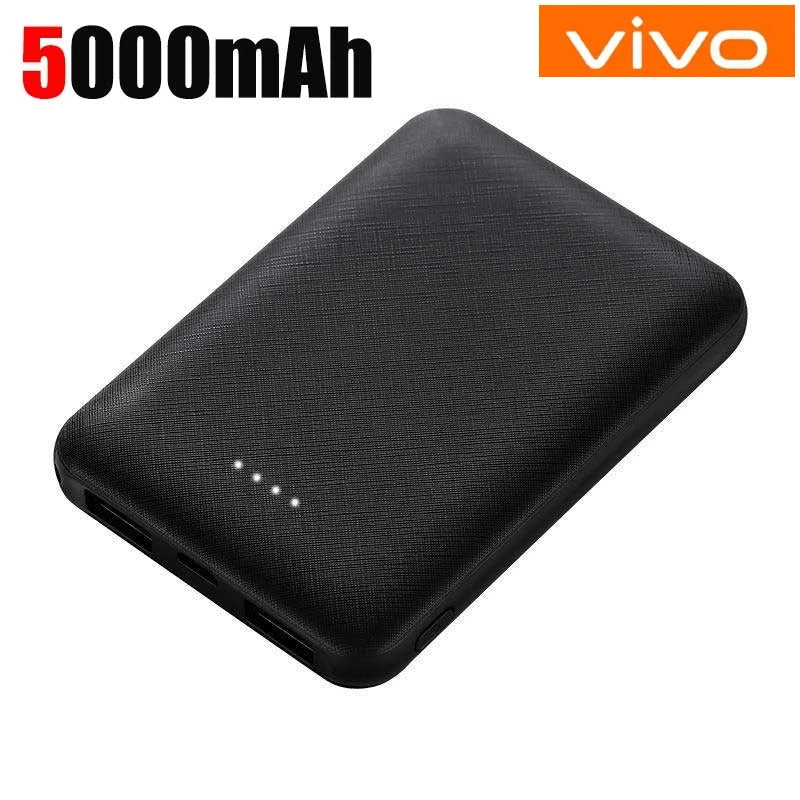
Battery capacity and cold-weather efficiency directly influence heated vest runtime.
Safe Charging in Winter
Allow a cold battery to gradually return to room temperature before charging whenever possible. Charging lithium-ion batteries immediately after prolonged exposure to freezing temperatures can reduce long-term battery health. Likewise, avoid leaving fully charged batteries inside parked vehicles during extreme cold.
Storage and Maintenance
To maximize battery lifespan between winter seasons, store the battery in a cool, dry location with a partial charge of approximately 40% to 60%. Recharge the battery every few months during long-term storage and inspect it regularly for swelling, physical damage, or worn connectors before using it again.
Tips to Extend Heated Vest Battery Life in Winter
Maximizing battery runtime is often easier than carrying additional batteries. A few simple habits can significantly improve heating duration and help maintain long-term battery health during the winter season.
Use Medium or Low Heat Settings
Running your heated vest on medium or low heat instead of maximum output reduces power consumption considerably. Many users find that medium heat provides sufficient warmth once the vest has preheated, extending runtime by several hours.
Cold batteries temporarily lose usable capacity. Keeping the battery inside the insulated battery pocket or close to your body helps maintain a warmer operating temperature, improving efficiency and reducing voltage drop in freezing weather.
Recharge Before Long Outdoor Use
Begin every outing with a fully charged battery. If you'll be outdoors for an extended period, carrying a spare battery is often more effective than relying on maximum heat settings throughout the day.
- Carry a backup battery for all-day winter activities.
- Store spare batteries in an insulated inner pocket rather than an exposed backpack.
- Choose a higher-capacity option such as the 20,000mAh power bank when longer runtime is your priority.
- Avoid completely draining lithium-ion batteries whenever practical to help extend overall battery lifespan.
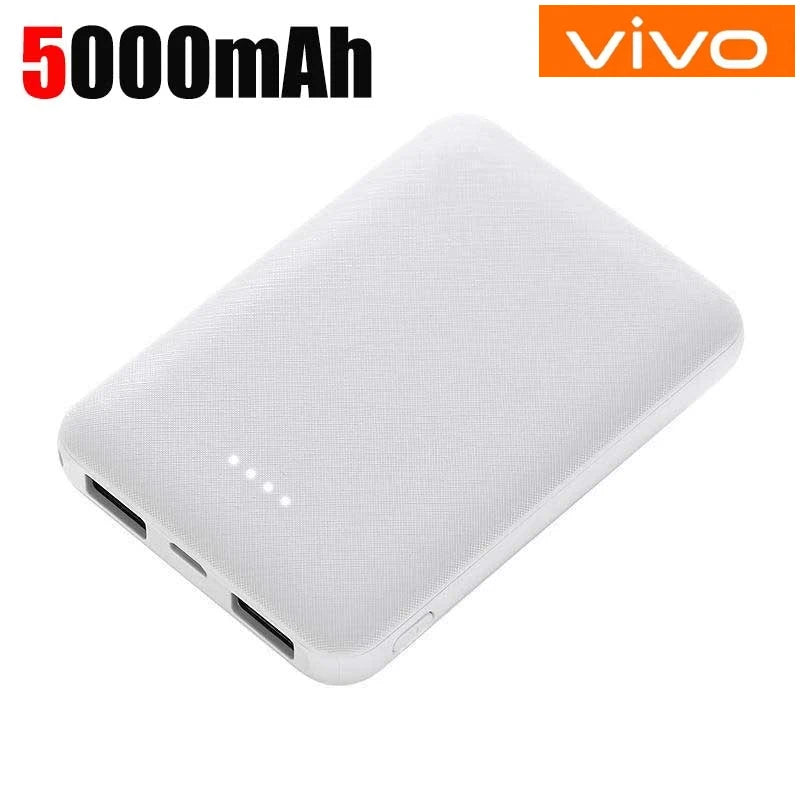
Keeping batteries warm helps maintain consistent heated vest performance in cold weather.
FAQ — Best Power Bank for Heated Vest
Can I use any power bank for a heated vest?
No. Your power bank must match the heated vest's required output voltage, connector type, and current. Most USB-powered heated vests operate with standard 5V USB power banks, while many premium models require dedicated 7.4V or 12V battery packs.
What is the best 5V 2A power bank for a heated vest?
A quality 5V USB power bank capable of delivering a stable 2A output is suitable for many USB-powered heated vests. A 20,000mAh USB-C model offers one of the best combinations of runtime, portability, and compatibility for everyday winter use.
How long does a 20,000mAh power bank last?
Most 20,000mAh batteries provide approximately 6–8 hours of heating under typical conditions. Runtime varies based on outdoor temperature, vest efficiency, insulation, and selected heat setting. Lower settings can extend operating time significantly.
Do heated jackets require special batteries?
Some do. Many heated jackets and premium heated clothing systems use proprietary 7.4V or 12V battery packs that are not interchangeable with standard USB power banks. Always verify compatibility before purchasing a replacement battery.
Can I fly with a heated vest battery?
In most cases, yes. Most heated vest batteries fall below the common 100Wh carry-on limit used by many airlines. Spare lithium-ion batteries should generally be transported in carry-on baggage rather than checked luggage. Always review your airline's latest battery regulations before travel.
Is a USB-C PD power bank compatible with heated clothing?
It depends on the heated vest. If the vest is designed to accept standard 5V USB input, a USB-C PD power bank that supports 5V output will usually work. However, USB Power Delivery alone does not guarantee compatibility with proprietary heated clothing systems that require dedicated voltage or connector types.













