

Best Radio Frequency Facial Devices of 2026: Tested & Compared
Choosing among radio frequency facial devices is harder than it looks. Two handheld tools can both advertise RF technology while differing substantially in RF configuration, electrode design, temperature control, intensity settings, treatment coverage, conductive-product requirements, and safety features. The device with the most impressive-sounding specification is not automatically the best choice for your skin or routine.
This guide takes a decision-first approach. Instead of treating every RF device as interchangeable, we compare the features that actually affect the at-home experience: RF frequency, energy delivery, electrode configuration, thermal control, comfort, face-versus-neck usability, treatment commitment, and total ownership value. We also separate manufacturer specifications from broader evidence about RF treatments and avoid treating an at-home beauty device as equivalent to professional RF equipment.
Best Radio Frequency Facial Devices at a Glance
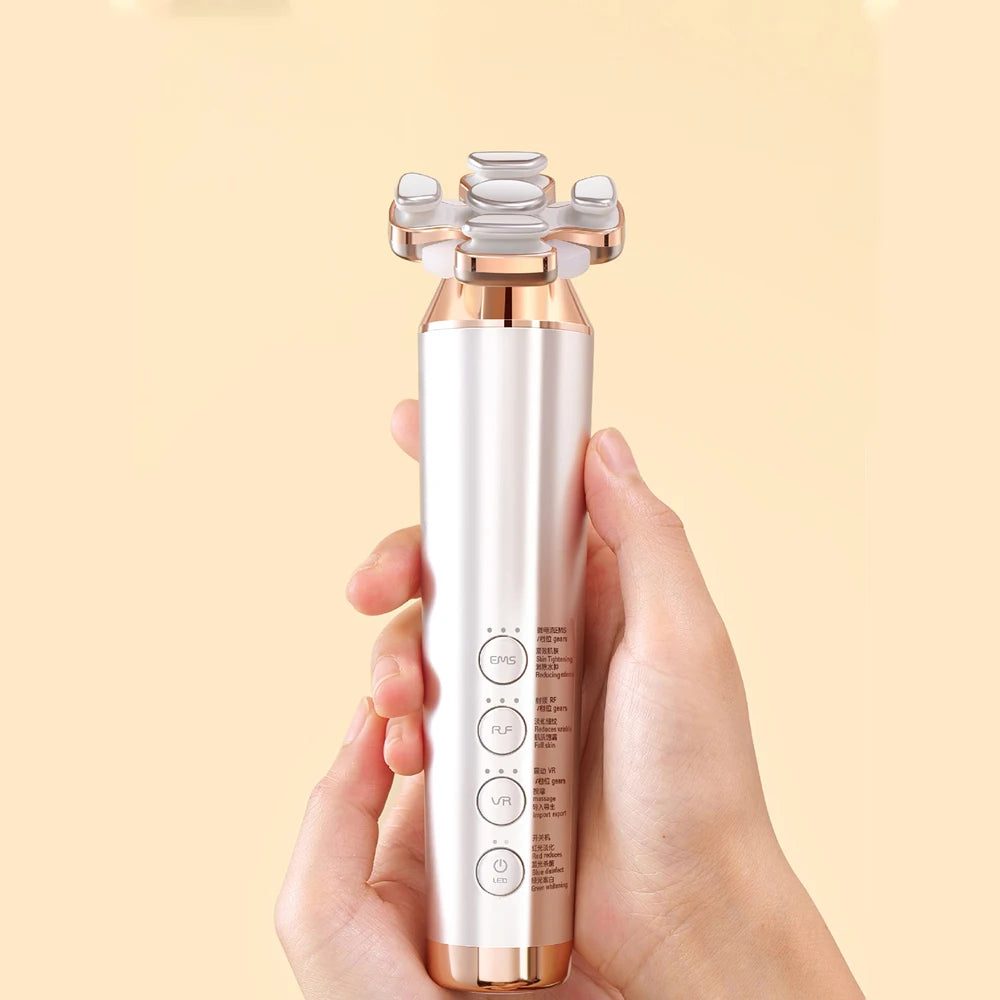
For shoppers who want a practical starting point, the KentDO RF EMS Facial Device is the featured at-home option evaluated in this guide because its supplied specifications disclose a 1MHz RF system alongside EMS, LED and vibration functions. It is designed for the face and eye area and uses a rechargeable 2400mAh battery with Type-C charging.
| Best for | Device or configuration to prioritize | What matters most |
|---|---|---|
| Best overall at-home option | KentDO RF EMS Facial Device | 1MHz RF, multiple technologies, rechargeable design, handheld treatment |
| Best for beginners | A device with simple intensity controls and clear instructions | Ease of use, controlled thermal sensation, treatment timer and safety guidance |
| Best for face and neck | A maneuverable RF head approved for both areas | Contact area, head shape, coverage and manufacturer-approved treatment zones |
| Best for sensitive skin | A lower-intensity device with strong temperature and usage guidance | Gradual settings, thermal control and conservative treatment schedule |
| Best value | A device with transparent specifications and manageable ownership costs | Upfront price, warranty, accessories, consumables and treatment commitment |
Quick Comparison Matrix
| Evaluation factor | KentDO RF EMS Facial Device | What shoppers should compare |
|---|---|---|
| RF technology | 1MHz RF | Disclosed frequency and manufacturer-supported operating parameters |
| Additional technologies | EMS, LED and vibration | Whether additional functions are genuinely useful to your routine |
| Electrode/contact design | Handheld facial treatment head | Contact area, maneuverability and approved treatment zones |
| Face treatment | Yes | Coverage of cheeks, jawline and other approved facial areas |
| Eye-area use | Designed for the face and eye area | Follow the manufacturer's exact eye-area instructions |
| Neck treatment | Not stated in supplied product specifications | Do not assume neck use unless the manufacturer explicitly approves it |
| Battery | 2400mAh rechargeable lithium battery | Rechargeability, charging method and expected operating time |
| Charging | Type-C, 3.7V | Convenience and compatibility with your charging setup |
| Vibration | Up to 8,000 rpm | Whether massage functionality improves your overall routine |
Which RF Device Is Best for You?
- Want a multifunction facial tool: the KentDO RF EMS Facial Device combines RF, EMS, LED and vibration in one handheld format.
- New to at-home RF: prioritize a device with understandable instructions, manageable treatment times and conservative intensity controls rather than maximum heat.
- Focused on firmness: look for disclosed RF specifications, consistent contact and a routine you can realistically maintain.
- Concerned about sensitivity: prioritize temperature management and lower-intensity options over aggressive heating.
- Need neck treatment: verify that neck use is explicitly included in the manufacturer's instructions before purchasing.
If you are still comparing categories of beauty technology, you can also explore the Skin and Beauty Care Devices collection for other at-home skincare tools.
Shopping shortcut: do not choose an RF device simply because its headline specification looks stronger. Compare the RF configuration, safety controls, approved treatment areas and required routine first.
How We Evaluated Radio Frequency Facial Devices
A useful RF roundup needs a consistent evaluation framework. Manufacturer specifications tell you what a device is designed to deliver, but they do not automatically prove that one consumer device produces better cosmetic outcomes than another. For that reason, the evaluation below separates measurable specifications from broader claims about results.
RF Technology and Energy Delivery
We look first at the RF frequency and configuration disclosed by the manufacturer. We then consider how electrodes are arranged, how the device contacts the skin and whether the manufacturer provides meaningful instructions about treatment intensity and duration.
A disclosed frequency is useful for identifying a device, but frequency alone should not be treated as a direct predictor of superior results. Consumer RF systems can differ in power, waveform, electrode arrangement, contact area and control systems even when they advertise similar frequencies.
Temperature, Comfort and Control
RF works through controlled electrical energy that produces heat in tissue. That makes thermal management particularly important. A useful at-home device should provide clear instructions for controlling treatment intensity and avoiding excessive heat exposure.
For shoppers, practical features such as multiple intensity levels, treatment timers, temperature monitoring where provided, contact sensors where applicable and automatic shutoff can matter more than a single headline specification.
Treatment Experience and Ease of Use
We also consider whether the device can realistically become part of a routine. Treatment time, head maneuverability, charging, cleaning, conductive-product requirements and the ability to maintain consistent skin contact all influence whether someone will actually use the device as directed.
Value, Warranty and Long-Term Ownership
Price is only one part of value. Before purchasing, check the warranty, return policy, included accessories, replacement requirements and whether a conductive gel or compatible product is required. A less expensive device can become less economical if it requires frequent replacement accessories or an inconvenient treatment schedule.
What Are Radio Frequency Facial Devices and How Do They Work?
Radio frequency facial devices use RF electrical energy to generate controlled heat in tissue. In professional dermatology and aesthetic settings, RF technology is used for various applications involving controlled tissue heating. At-home devices generally operate within consumer-oriented parameters and should not be assumed to deliver the same energy, depth, supervision or results as professional systems.
What RF Energy Does to Facial Skin
The central concept behind RF treatment is controlled thermal exposure. Heating tissue can influence collagen-containing structures and may be associated with remodeling processes discussed in clinical RF literature. However, the magnitude and duration of any cosmetic effect depend on the device, energy delivery, treatment protocol and individual response.
Consumers should therefore distinguish between a temporary improvement in the look or feel of skin immediately after treatment and gradual changes that may occur with repeated use. Claims such as permanent lifting, dramatic fat reduction or surgical-level tightening should not be inferred simply from the presence of RF technology.
RF Frequency, Treatment Depth and Energy Delivery
Frequency describes how frequently the alternating electrical current oscillates, but it is only one component of RF energy delivery. Electrode arrangement, electrical characteristics, device output, tissue properties and treatment protocol all influence how energy interacts with tissue.
This is why comparing two devices solely by MHz can be misleading. A 1MHz consumer device, for example, should not automatically be interpreted as delivering the same treatment characteristics as a professional RF system operating at a similar frequency.
Monopolar vs. Bipolar vs. Multipolar RF
- Monopolar RF: uses an active electrode with a return pathway elsewhere in the electrical circuit. It can be designed to deliver energy through a comparatively broad tissue pathway.
- Bipolar RF: places two electrodes within the treatment head, creating an electrical pathway between them. This configuration can provide more localized energy delivery.
- Multipolar RF: uses multiple electrodes to create several RF pathways and is often designed for controlled, distributed treatment.
These labels describe electrode configurations rather than a simple ranking of good, better and best. For home shoppers, the important question is whether the configuration is appropriate for the intended treatment area and whether the manufacturer provides clear instructions for safe use.
The Best Radio Frequency Facial Devices of 2026
Best Overall RF Facial Device: KentDO RF EMS Facial Device
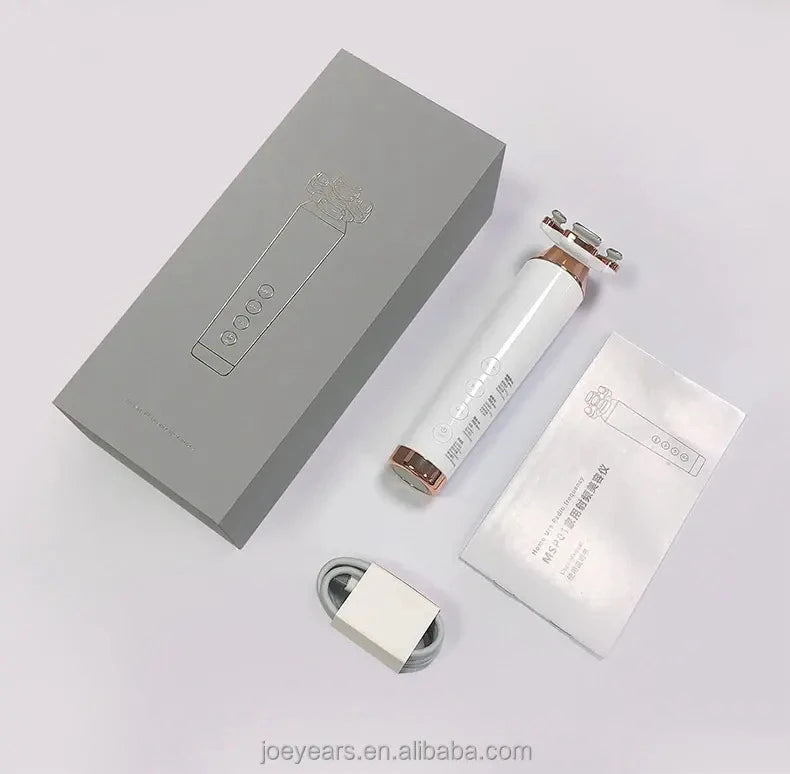
The KentDO RF EMS Facial Device stands out as the featured all-around option because it combines several facial-care technologies in one rechargeable handheld tool. Its supplied specifications list 1MHz RF, EMS, LED and vibration, with a 2400mAh rechargeable lithium battery and Type-C charging.
The multifunction approach is useful for shoppers who want one device rather than several separate tools. The product is designed for the face and eye area, and its vibration function is specified at up to 8,000 rpm. Three LED light colors add another treatment mode to the routine.
Pros:
- Disclosed 1MHz RF specification.
- Combines RF, EMS, LED and vibration in one device.
- Rechargeable 2400mAh battery.
- Type-C charging.
- Designed for convenient home facial care.
- Handheld format is practical for targeted treatment.
Cons:
- The supplied specifications do not disclose RF power output or a detailed thermal-control specification.
- Neck treatment should not be assumed because the supplied product information specifies face and eye-area use.
- Multifunction features may be unnecessary if you only want RF treatment.
- Users should follow the product instructions rather than treating the device as equivalent to professional RF equipment.
Best RF Device for Beginners
For beginners, the best device is usually the one that makes correct use easy rather than the one with the most complicated specification sheet. Look for understandable operating instructions, manageable treatment areas, sensible intensity controls and clear precautions.
A multifunction tool such as the KentDO device can be appealing because it consolidates several functions, but beginners should introduce technologies gradually and follow the manufacturer's instructions for each operating mode.
Best RF Device for Face and Neck
Face and neck treatment requires special attention to treatment-area approval. A device that works on the face should not automatically be used on the neck. Check the manufacturer's instructions for permitted areas, especially around the front and sides of the neck.
For shoppers specifically targeting the neck, head maneuverability and contact area are important. A compact head can be easier around facial contours, while a larger contact surface may cover broader areas more efficiently. Neither is automatically superior; the best design depends on the approved treatment area and your ability to maintain consistent contact.
Best RF Device for Sensitive Skin
There is no universal RF device that is automatically best for every sensitive-skin user. Instead, prioritize adjustable intensity, conservative treatment instructions and clear temperature or thermal-sensation guidance.
Do not interpret greater heat as greater effectiveness. RF treatment depends on controlled energy delivery, and excessive heat can increase the risk of discomfort or skin injury. If your skin is unusually reactive or you have a relevant medical or dermatological concern, professional guidance is more appropriate than experimenting with higher settings.
Best RF Device for Value
Value should include the entire ownership experience. A device with a reasonable purchase price, rechargeable battery, included accessories, clear instructions and a usable warranty can be more practical than a cheaper device with vague specifications.
Also consider consumables. If a device requires a conductive gel, calculate the recurring cost and confirm which products are compatible before buying.
Ready to compare more home-care categories? The broader Body Care and Health Devices collection can help you evaluate other device-based routines.
How to Choose a Radio Frequency Facial Device
Choose the Right RF Modality
Start by identifying whether the device uses monopolar, bipolar or multipolar RF. Do not assume that one configuration is universally better. Instead, ask what the manufacturer says about the treatment area, energy delivery and intended use.
Check RF Frequency and Energy Specifications
A disclosed RF frequency is preferable to vague claims such as “advanced RF.” However, frequency should be treated as one data point, not a performance score. Look for transparent specifications and be cautious when manufacturers make precise claims about treatment depth or dramatic outcomes without explaining the basis for those claims.
Look for Temperature and Intensity Controls
Controlled heating is fundamental to RF. Prioritize devices that explain how intensity is adjusted and what safeguards are included. A device with clear operating limits is generally easier to use responsibly than one that simply emphasizes maximum heat.
Consider Electrode Design and Treatment Coverage
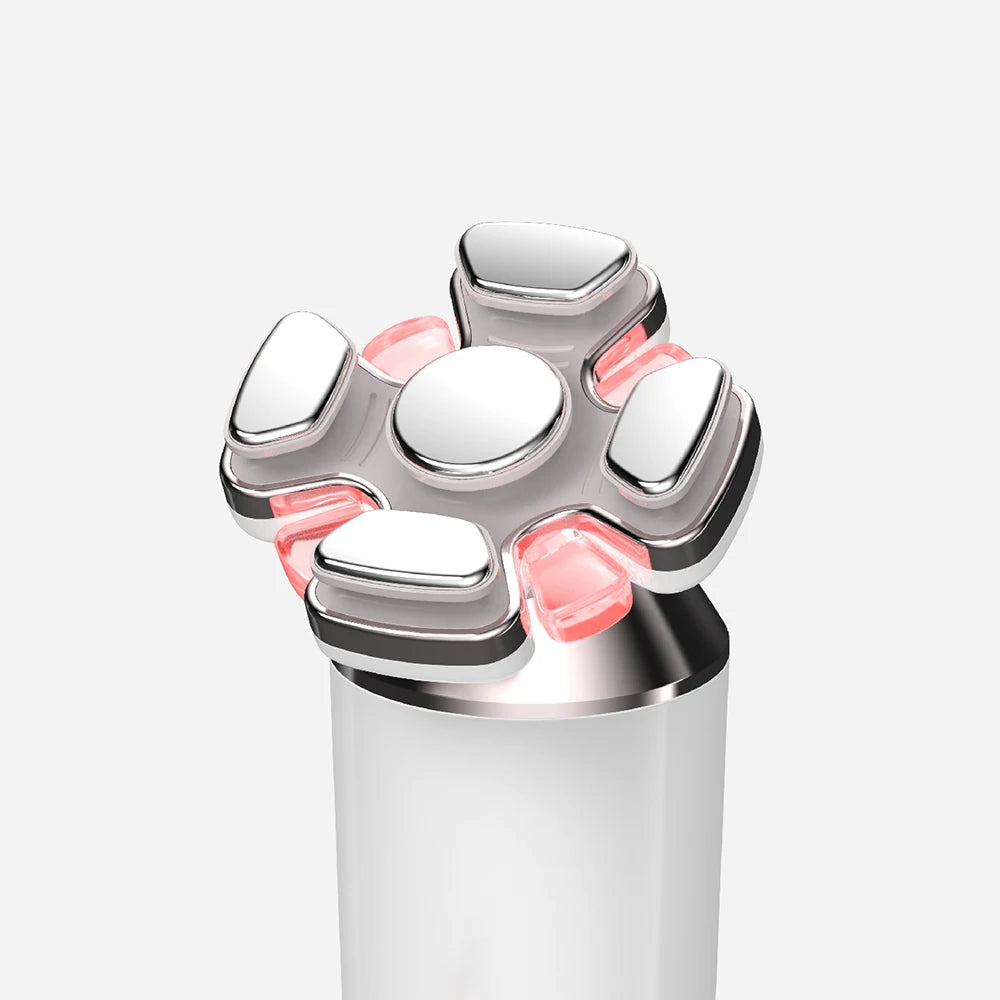
Electrode configuration affects how RF energy is delivered. The physical head also affects usability. Consider whether you need precision around facial contours, broader coverage over the cheeks, or access to manufacturer-approved treatment zones.
Check Whether You Need Conductive Gel or Serum
Some RF devices require a conductive medium to support electrical contact with the skin. If your chosen device specifies conductive gel or another compatible product, use the recommended medium rather than substituting an ordinary moisturizer without checking compatibility.
Failure to follow the manufacturer's product requirements can affect contact, comfort and device operation.
Compare Treatment Time and Frequency
The most sophisticated device is not useful if its treatment schedule is unrealistic for you. Before purchasing, read the recommended protocol and estimate how much time you will actually spend using the device each week.
RF Facial Devices for Different Skin Concerns and Treatment Areas
For Mild Loss of Firmness and Skin Tightening
RF is most relevant to shoppers interested in the appearance of firmness because controlled thermal energy is the underlying mechanism of RF treatment. Still, at-home results should be described conservatively. Consistent use may support changes in the appearance of skin firmness for some users, but an at-home device should not be marketed as a substitute for surgery or a professional lifting procedure.
For Fine Lines and Skin Texture
Fine lines and texture are multifactorial concerns. Hydration, sun exposure, age, pigmentation, collagen status and skincare habits can all affect appearance. RF may be one component of a broader routine, but it should not be expected to erase established wrinkles.
For Facial Contouring and Jawline Appearance
RF can be relevant when the concern is the appearance of skin firmness around the jawline. It should not, however, be confused with a fat-removal procedure. A visible change in contour can result from several factors, and consumers should be skeptical of claims that an at-home RF device will substantially reshape facial anatomy.
For Puffiness and Temporary Skin Appearance
Some users may notice a temporary change in how their skin looks after a facial-care session, particularly when massage or vibration is included. Such a short-term appearance change should not be presented as permanent tissue remodeling or fat reduction.
Face vs. Neck Treatment
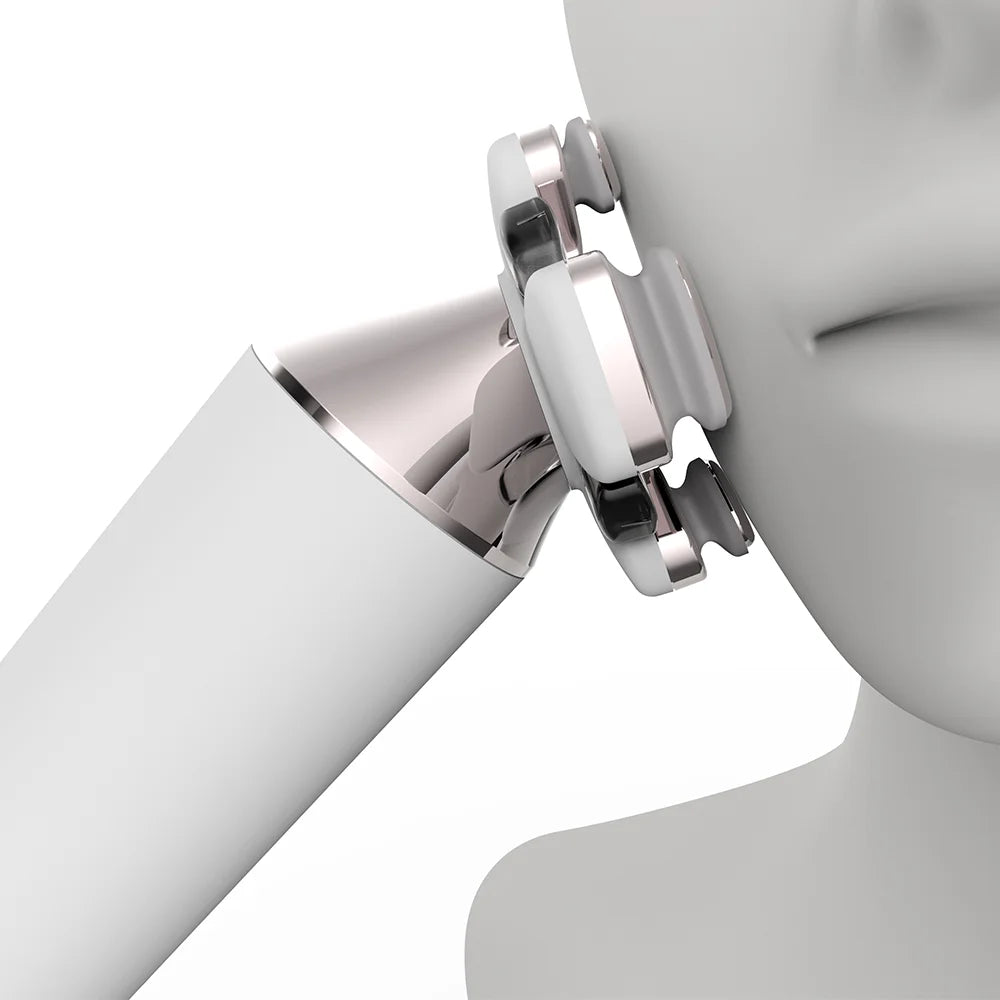
The face and neck are not interchangeable treatment zones. Facial contours often require precision, while the neck may require broader movement and additional caution depending on the device. Always confirm that your chosen device is specifically approved for the neck before using it there.
Are Radio Frequency Facial Devices Safe to Use at Home?
At-home RF can be appropriate when a device is used exactly according to its instructions, but “home use” does not mean risk-free. RF generates heat, so incorrect intensity, excessive treatment or inappropriate use can cause discomfort or injury.
Safety Features to Look For
- Clearly defined intensity levels.
- Temperature monitoring or thermal safeguards where provided.
- Automatic shutoff or treatment timers where provided.
- Clear instructions for skin contact and movement.
- Specific warnings and contraindications.
- Instructions explaining approved treatment areas.
Common RF Facial Device Precautions
Do not deliberately maximize heat or extend sessions because you believe more energy will produce faster results. Follow the manufacturer's schedule and stop treatment if you experience unexpected pain, excessive heat, blistering, significant redness or another concerning reaction.
Avoid using RF over broken or irritated skin. The supplied KentDO product information specifically advises avoiding broken or irritated skin.
Who Should Avoid or Ask a Professional Before Using RF?
Read the complete device contraindications before use. People with implanted electronic devices, certain metal implants, recent procedures, active skin problems or other relevant medical circumstances should obtain appropriate professional guidance before using an energy-based cosmetic device.
Because contraindications differ between technologies and products, a generic internet checklist should not replace the manufacturer's instructions or individualized medical advice.
At-Home RF vs. Professional RF Treatments
This distinction is essential. Professional RF systems can use different energy levels, electrode configurations and treatment protocols and are operated in a clinical or professional environment. A consumer handheld device is designed around home use and should not be assumed to produce equivalent tissue heating, depth or cosmetic outcomes.
How Often Should You Use an RF Facial Device?
Typical At-Home RF Treatment Schedule
There is no single universal RF schedule. Follow the instructions supplied with your specific device. The appropriate frequency depends on the device's energy characteristics, treatment area, intensity and intended use.
Using an RF device more often than recommended is not a shortcut to better results. Skin needs an appropriate recovery period, and unnecessary heat exposure can increase irritation risk.
How Long Should an RF Session Take?
Session length varies by device and treatment area. A larger treatment zone may require more time, while a targeted facial routine may be shorter. The manufacturer's recommended duration should take priority over generic online schedules.
Maintenance Treatments After the Initial Routine
Many at-home beauty routines depend on continued use rather than a single treatment. If your device provides a maintenance schedule, use it as the baseline. The goal is a routine that is both safe and sustainable.
When Will You See Results From an RF Facial Device?
What You May Notice After Early Treatments
Some people notice a temporary change in the appearance or feel of their skin after a treatment. Warmth, mild transient redness or a temporarily refreshed appearance can occur with facial treatments. These effects should not automatically be interpreted as evidence of long-term collagen remodeling.
What May Change With Consistent Use
Longer-term cosmetic changes, when they occur, generally require consistent use. The appearance of firmness, texture and fine lines can change gradually rather than immediately, and results are unlikely to be identical from person to person.
Why RF Results Vary Between People
Age, baseline skin condition, sun exposure, skincare habits, device characteristics, treatment consistency and individual response can all influence results. This is another reason to evaluate an RF device by its overall design rather than by a single marketing promise.
Common Mistakes When Buying or Using an RF Facial Device
Choosing Based Only on Price or Marketing Claims
A low price does not necessarily mean poor quality, and a premium price does not guarantee better cosmetic outcomes. Compare specifications, safety information, usability, warranty and total ownership cost.
Assuming Higher Heat Means Better Results
RF is fundamentally about controlled thermal exposure. Excessive heat can increase discomfort and injury risk. Good thermal management matters more than chasing the highest possible temperature.
Ignoring the Required Conductive Product
If a device requires conductive gel, follow that requirement. The conductive medium is part of the device's intended operating system, not merely an optional skincare extra.
Using the Device More Often Than Recommended
More frequent treatment is not automatically more effective. Follow the manufacturer's protocol and allow your skin appropriate recovery time.
Are RF Facial Devices Worth It?
For the right shopper, an at-home RF device can be worthwhile when convenience, recurring home treatment and gradual cosmetic care matter more than immediate dramatic change. The strongest reason to buy is not the promise of a dramatic transformation; it is the ability to maintain a structured routine with a device whose specifications and safety guidance you understand.
Who Should Buy an At-Home RF Device?
- People who prefer home-based facial care.
- Shoppers comfortable with gradual rather than dramatic cosmetic changes.
- Users willing to follow a consistent treatment schedule.
- People who value combining several facial-care technologies in one handheld device.
Who May Be Better Served by Professional Treatment?
Professional treatment may be more appropriate for people seeking stronger or more targeted interventions, those with complex skin concerns, or anyone who needs clinical assessment before using an energy-based treatment. A dermatologist or qualified professional can also help determine whether RF is appropriate for a particular skin condition or recent procedure.
Final RF Device Selection Checklist
- Confirm the RF modality and disclosed frequency.
- Check whether the manufacturer provides meaningful energy and operating specifications.
- Look for adjustable intensity and appropriate thermal safeguards.
- Review electrode design and approved treatment areas.
- Confirm whether the device can be used on the face, eye area or neck.
- Check whether conductive gel or another compatible medium is required.
- Read the recommended session duration and treatment frequency.
- Review contraindications and safety instructions.
- Compare warranty, return terms and replacement requirements.
- Choose the device whose routine you are most likely to follow consistently.
For shoppers who want a compact multifunction option, the KentDO RF EMS Facial Device is a practical candidate to consider because its supplied specifications clearly identify 1MHz RF, EMS, LED and vibration, along with a rechargeable Type-C design.
Frequently Asked Questions About Radio Frequency Facial Devices
What are radio frequency facial devices and how do they work?
Radio frequency facial devices use RF electrical energy to create controlled heat in tissue. At-home devices are designed for consumer use and should not be considered equivalent to professional RF systems in energy delivery, treatment depth or supervision.
What should you look for when choosing an RF facial device?
Compare RF modality, disclosed frequency, electrode design, intensity controls, thermal safeguards, approved treatment areas, treatment schedule, conductive-product requirements, warranty and total ownership cost.
Are radio frequency facial devices safe to use at home?
They can be used safely when the specific device is appropriate for the user and operated according to its instructions. Follow contraindications, avoid broken or irritated skin and stop if treatment causes unexpected pain or excessive heat.
How often should you use a radio frequency facial device?
Follow the manufacturer's recommended schedule. There is no single frequency that applies to every consumer RF device because energy characteristics and treatment protocols differ.
How long does it take to see results from an RF facial device?
Timing varies. Temporary changes in appearance can occur earlier, while longer-term cosmetic changes, when they occur, generally require consistent use. Individual results differ substantially.
What is the difference between monopolar, bipolar and multipolar RF?
The terms describe electrode configurations and the resulting electrical pathways. Monopolar systems use an active electrode and a return pathway, bipolar systems use two electrodes in the treatment head, and multipolar systems use multiple electrodes.
Can RF facial devices be used on the neck?
Only if the manufacturer specifically approves neck treatment. Do not assume that a facial RF device is suitable for the neck simply because it is handheld.
Do you need conductive gel with an RF facial device?
Some devices require conductive gel or another compatible conductive medium. Check the specific manufacturer's instructions and use the recommended product rather than assuming any facial serum will work.
Are at-home RF devices as strong as professional RF treatments?
No assumption of equivalence should be made. Professional systems can differ substantially in energy delivery, treatment depth, protocols and clinical supervision. Consumer devices are designed around home use.
Can RF facial devices help with fine lines and skin firmness?
RF treatment is commonly associated with cosmetic goals involving skin firmness and the appearance of fine lines, but results vary. At-home devices should be evaluated realistically and should not be expected to produce surgical-level lifting or eliminate established wrinkles.
Final Verdict: Choosing the Right RF Facial Device
The best radio frequency facial devices are not necessarily the ones with the most aggressive marketing or highest-sounding specifications. The better buying decision comes from matching RF configuration, electrode design, thermal control, treatment area, comfort, treatment schedule and ownership cost to your actual needs.
The KentDO RF EMS Facial Device is particularly suited to shoppers who want a multifunction handheld facial-care tool with disclosed 1MHz RF alongside EMS, LED and vibration. Its rechargeable 2400mAh battery and Type-C charging also support a convenient home routine. As with any consumer RF device, use it according to the manufacturer's instructions and keep expectations realistic.
If your priority is gradual, convenient at-home facial care, an RF device may fit well into your routine. If you need a stronger intervention, have a complex skin concern or are uncertain about contraindications, professional evaluation is the more appropriate next step.
For continued device research, browse the Skin and Beauty Care Devices collection and compare your shortlisted tool against the checklist above before purchasing.
Pillar Article: Best Facial EMS Devices: Evidence-Aware Buying Guide













