

Best Summer Fan: Top Picks for Cooling Anywhere in 2026
The best summer fan is not necessarily the fan with the highest advertised speed. For hot-weather comfort, the better choice is the fan that delivers useful personal airflow where you actually need it—during a commute, at a desk, while traveling, or outside. Portability, airflow, battery performance, noise, charging convenience, weight, and hands-free flexibility all matter. This guide compares the characteristics that make a personal fan practical for summer and highlights a compact foldable design for everyday cooling.
What Is the Best Summer Fan for Hot Weather?
The best summer fan for hot weather is a compact personal fan that provides focused airflow, is easy to carry, offers convenient power or recharging, and fits the way you plan to use it. A handheld fan is particularly useful when you want direct airflow instead of cooling an entire room.
Quick Answer: What Makes a Fan Good for Summer?
A good summer fan should balance airflow strength with portability and comfort. Look for useful airflow at close range, multiple speed options when available, manageable noise, convenient charging, low carrying weight, and a design that can be held or positioned without becoming inconvenient. For travel and commuting, a compact foldable fan can be more practical than a larger traditional fan because it takes less space in a bag.
The 7 Factors We Used to Compare Summer Fans
- Airflow strength: A fan should produce noticeable airflow at the distance where you will use it.
- Cooling distance: Stronger useful airflow gives you more flexibility when the fan is not directly against your face.
- Battery endurance: Portable use becomes less convenient if the fan frequently needs recharging.
- Noise: Close-range use makes excessive fan noise more noticeable, particularly at a desk or while traveling.
- Weight and grip: A fan carried for hours should be comfortable to hold and easy to store.
- Charging convenience: A portable fan should fit naturally into your everyday charging routine.
- Design flexibility: Foldable, desktop, handheld, or hands-free configurations can make one design more useful across different situations.
Best Summer Fans at a Glance
There is no single design that is best for every summer situation. Handheld fans prioritize direct control of airflow, while desktop and hands-free designs can be more convenient when you need both hands available.
Comparison Matrix: Airflow, Battery, Noise, Weight, and Best Use
- Handheld fan: Best for direct personal airflow, commuting, walking, and flexible positioning. Its main advantage is that you can point airflow exactly where you want it.
- Foldable handheld fan: Best for travel and everyday portability because the folding structure can make storage more convenient while preserving handheld functionality.
- Desktop personal fan: Best for workstations and bedside use where you want continuous airflow without holding the fan.
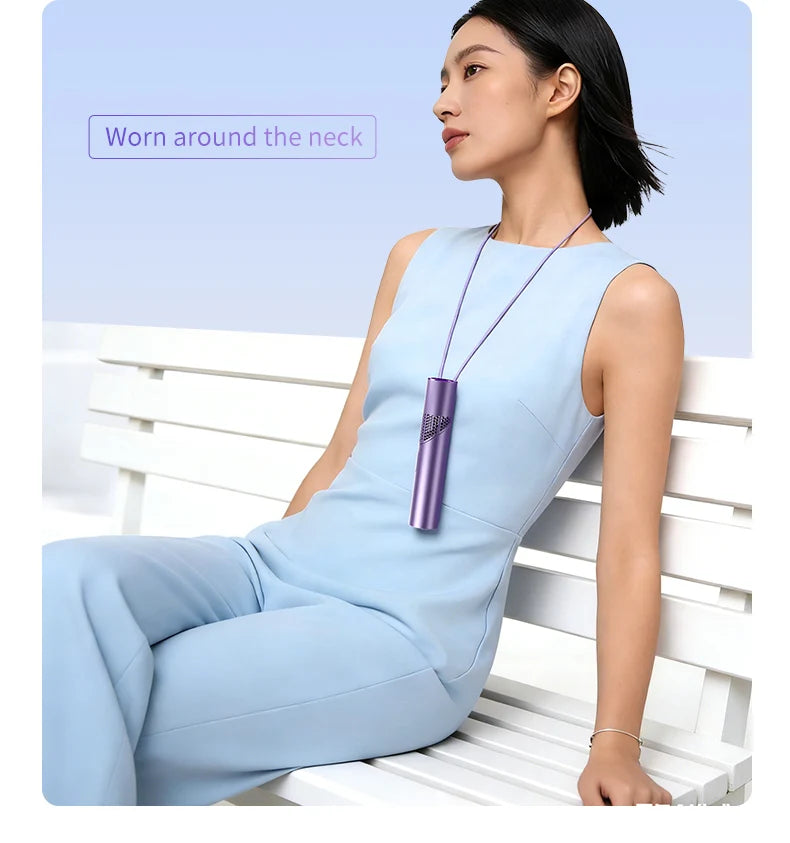
- Neck-hanging or hands-free fan: Best when you need both hands free during activities, although comfort, airflow direction, and weight distribution become especially important.
- Traditional room fan: Best for circulating air across a larger indoor area rather than providing highly targeted personal cooling.
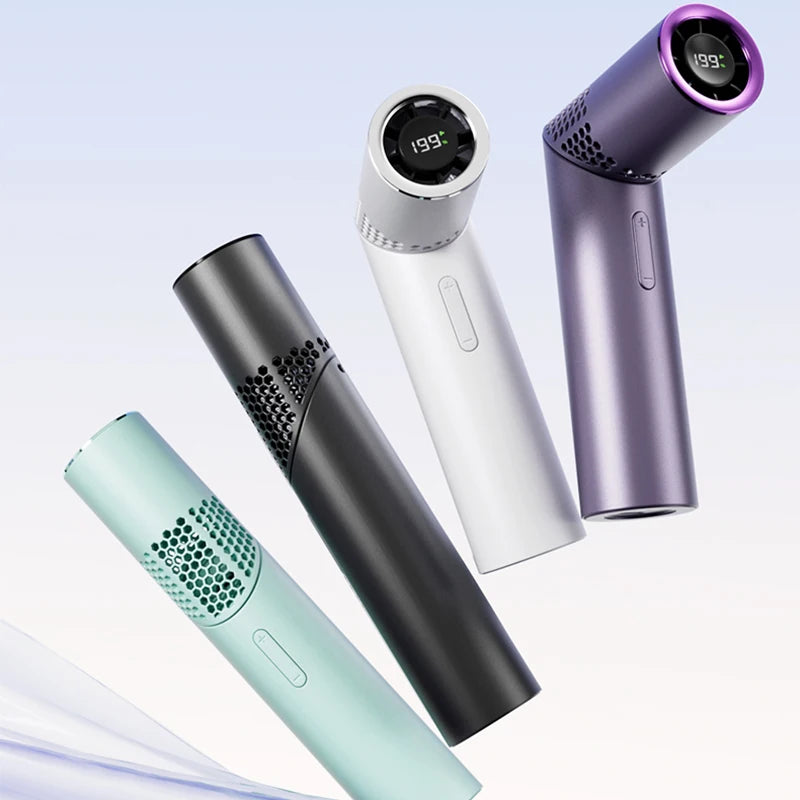
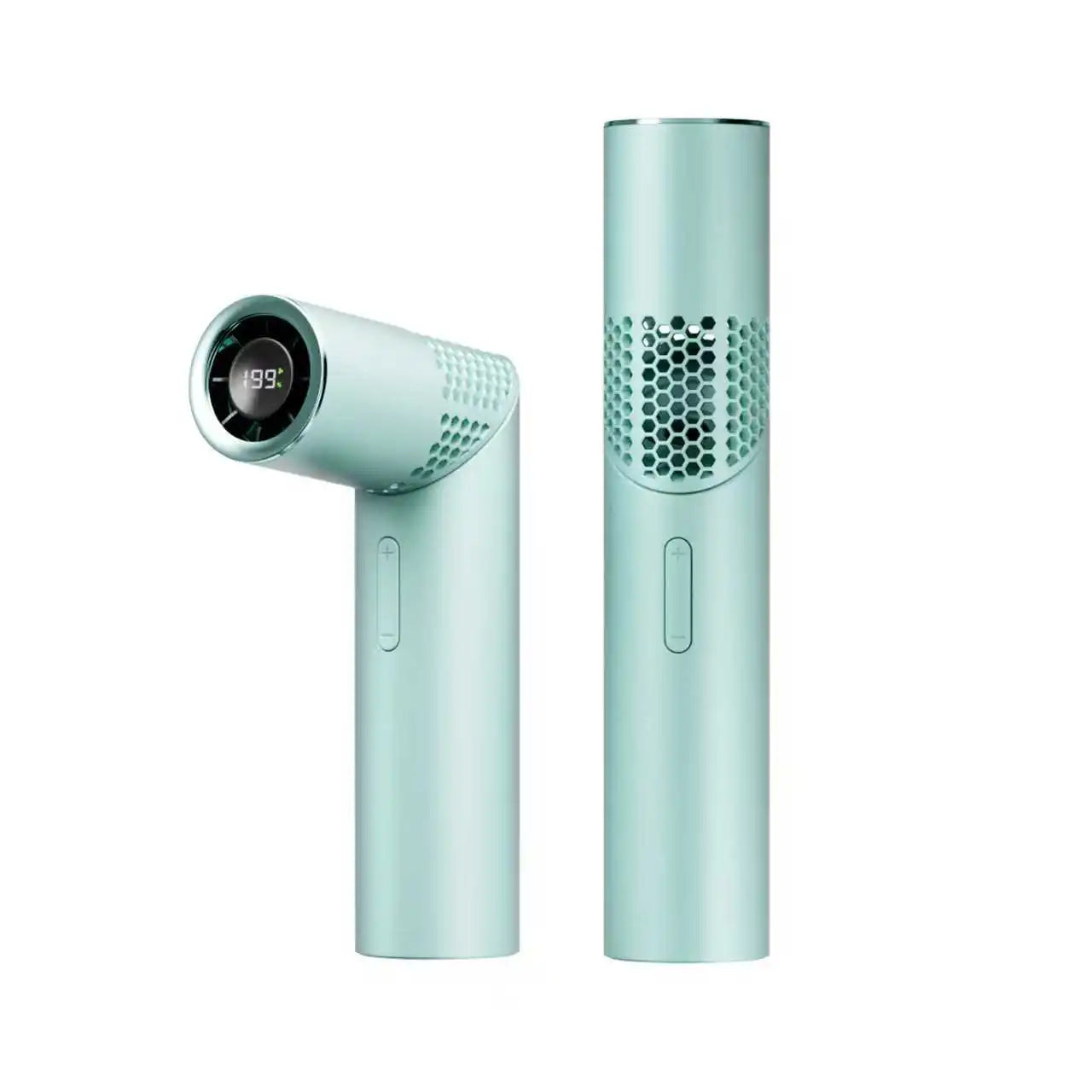
Featured portable option: The Portable Handheld Fan | Foldable Cooling Comfort for Travel uses a compact ABS body and foldable design. According to the supplied product specifications, it can be used as a handheld, desktop, or neck-hanging personal cooling fan and is available in white, grey, and purple.
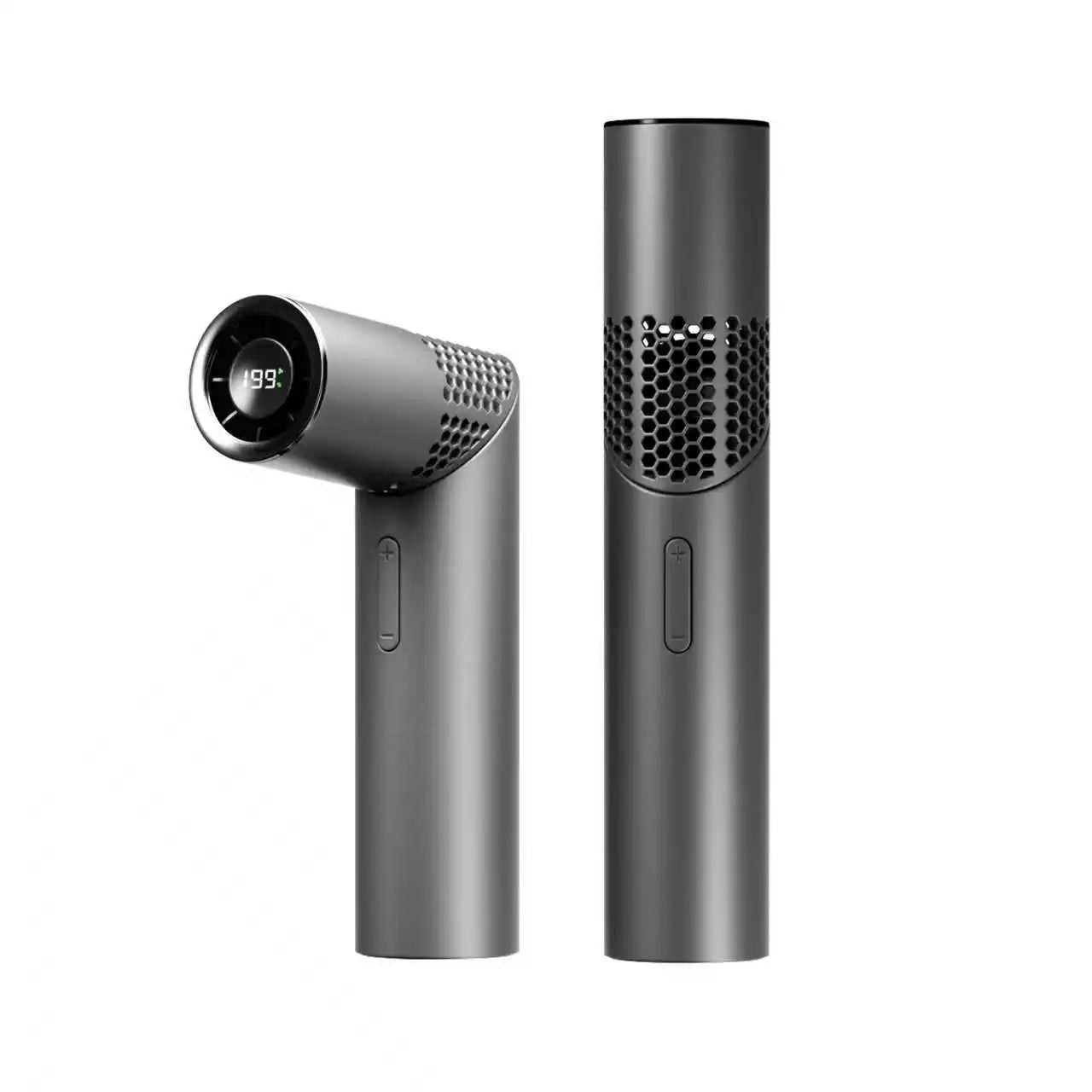
If your priority is a small personal fan that can move easily between a bag, desk, commute, and travel setting, a foldable design is worth considering.
How We Evaluated Portable Fans for Summer
Summer fan performance should be evaluated according to real-world use rather than maximum specifications alone. A fan that looks powerful on paper may still be inconvenient if it is heavy, noisy, difficult to position, or difficult to carry throughout a hot day.
Airflow Strength and Cooling Distance
Airflow is the first performance factor to consider. Personal fans work by moving air across your skin, so the useful question is not simply how fast the blades rotate. Consider how much airflow you actually feel at the distance where the fan will normally operate. A handheld fan gives you control over that distance and direction, which can make moderate airflow feel more useful than a fan positioned farther away.
Battery Life and High-Speed Runtime
Portable fans are often used away from outlets, making power availability an important part of the buying decision. If a fan has rechargeable functionality, consider how frequently you expect to use it and whether you will have access to charging during travel. High-speed operation generally places greater demand on a battery than lower-speed operation, so advertised maximum runtime should not automatically be interpreted as high-speed runtime.
Noise at Close Range
A personal fan operates much closer to your ears than a typical room fan. Noise therefore becomes more noticeable. For desk work, reading, travel, or conversations, a fan that produces excessive noise at higher settings may be less comfortable even if its airflow is strong.
Weight, Grip, and Hands-Free Flexibility
Weight matters when you hold a fan for extended periods. A compact construction can make everyday carrying easier, while a foldable structure can simplify storage. A versatile design can also provide more options when you want to put the fan on a desk or use it in another position instead of holding it continuously.
Charging Convenience and USB Compatibility
Charging convenience matters most when a fan is part of a travel or commuting kit. A portable fan should fit into your existing charging habits rather than requiring a complicated setup. Before buying, verify the specific charging interface and battery specifications because these details can vary considerably between models.
Heat and Humidity Suitability
Hot and humid conditions change how personal cooling feels. Moving air can make you feel more comfortable by increasing airflow across exposed skin, but a fan does not reduce the ambient temperature of the surrounding environment. In very hot conditions, use a fan as one part of a broader heat-management strategy rather than treating airflow as a substitute for shade, hydration, or an appropriately cooled environment.
Best Summer Fan Picks for Different Situations
Best Summer Fan for Commuting
For commuting, portability and direct airflow are more important than room-wide circulation. A compact handheld fan can be useful on public transportation, while walking, or when waiting outdoors. A foldable body is particularly convenient because it can take up less space when stored between uses.
The supplied Portable Handheld Fan is designed for commuting and everyday portability, with a compact ABS construction and foldable form. Its stated use cases include work, travel, commuting, and relaxation.
Best Summer Fan for Outdoor Activities
Outdoor use places greater demands on a personal fan because there is no enclosed room for airflow to circulate. Look for a design that can be positioned close to you and carried comfortably. Direct airflow becomes more important than the ability to cool a broad area.
Best Summer Fan for Desk Use
At a desk, you may not want to hold a fan continuously. A personal fan that can be positioned nearby provides a more convenient solution. The supplied foldable fan is specified for desktop use, giving it an advantage for users who want one compact fan that can move between handheld and desk applications.
Best Summer Fan for Travel
Travel favors compact designs because luggage and day bags have limited space. A foldable personal fan can be especially practical when it needs to move between a hotel room, airport, train, car, and outdoor destination. Weight and storage dimensions should be considered alongside airflow.
Best Summer Fan for Extreme Heat
In very hot conditions, prioritize strong useful airflow, close-range positioning, dependable power, and comfortable operation. A fan can improve perceived cooling, but it cannot make dangerously hot surroundings safe by itself. When temperatures are extreme, combine personal airflow with shade, cooling environments, hydration, and appropriate heat precautions.
Handheld vs Hands-Free Fans for Summer
Handheld and hands-free fans solve slightly different problems. A handheld design gives you greater control over airflow direction, while a hands-free design can be more convenient during activities where both hands are occupied.
When a Handheld Fan Is Better
A handheld fan is better when you want to direct airflow precisely. It works well for commuting, walking, waiting outdoors, traveling, and situations where you frequently change position. It is also easier to move the airflow from your face to your neck or another exposed area.
When a Hands-Free Fan Is Better
A hands-free fan can be preferable when you need to keep both hands available. This can make sense during outdoor activities, chores, events, or other situations where repeatedly holding a fan becomes inconvenient. The trade-off is that hands-free designs may provide less freedom to redirect airflow instantly.
Which Is Better for Summer Travel?
For most travel situations, portability should be the deciding factor. A foldable handheld design is useful when you want direct airflow but also need a fan that can be stored compactly. A hands-free design may be better when your travel activities require continuous use without holding the device.
Are Handheld Fans Strong Enough for Outdoor Summer Use?
Yes, a handheld fan can provide useful personal airflow outdoors, but outdoor cooling feels different from indoor cooling. A personal fan is most effective when positioned close enough for you to feel consistent airflow.
Why Outdoor Airflow Feels Different
Outside, moving air disperses quickly rather than being contained within a room. Wind and ambient conditions can also affect how much airflow reaches your skin. This means a small personal fan should be evaluated for the airflow you can feel at close range rather than its ability to cool a large space.
What to Look for When Using a Fan Outside
Choose a portable design that is easy to carry, comfortable to hold, and simple to position. A foldable fan can be useful because it combines portability with flexible positioning. For prolonged outdoor exposure to high heat, remember that personal airflow is only one part of staying comfortable and should not replace appropriate heat-safety measures.
How Long Does a Portable Fan Last on High Speed?
Typical High-Speed Runtime
There is no universal high-speed runtime for portable fans because battery capacity, motor design, speed settings, and airflow output vary between models. If runtime is important, look for a manufacturer specification that clearly identifies the conditions under which runtime was measured.
What Affects Rechargeable Battery Life?
Higher fan speeds generally require more power. Frequent speed changes, battery age, charging conditions, and the design of the motor can also influence practical runtime. For this reason, a fan advertised with a long maximum runtime may operate for considerably less time when consistently used at its highest setting.
How to Avoid Running Out of Power During Travel
Charge the fan before leaving, avoid unnecessarily using the highest setting, and consider your access to charging during longer trips. If the product documentation does not specify high-speed runtime, do not assume that the maximum advertised runtime applies to continuous high-speed use.
What to Look for in a Fan for Humid and Very Hot Weather
Airflow Matters More Than Maximum Fan Speed
Maximum speed is only one part of fan performance. The quality of airflow you actually feel is more useful when choosing a personal fan. A fan with a practical balance of airflow, positioning, portability, and comfort can be more useful than a larger device that produces impressive specifications but is inconvenient to carry.
Why Humidity Changes How Cooling Feels
Humidity can make hot weather feel more uncomfortable because sweat evaporates less efficiently. Moving air across the skin can improve the sensation of cooling, but the effect depends on the environment and your exposure. A personal fan is therefore best viewed as a comfort tool rather than a way to lower the surrounding air temperature.
Weight, Grip, and Comfort for All-Day Carry
A summer fan should be comfortable enough to carry throughout the day. Compact construction, a manageable grip, and foldability can all reduce the inconvenience of taking a fan with you. The supplied product uses lightweight ABS construction and a foldable compact design intended for everyday portability.
Summer Fan Buying Guide: Which Features Actually Matter?
Airflow and Speed Settings
Consider whether you need gentle airflow for close-range desk use or stronger airflow for outdoor conditions. More settings can provide greater control, but only if the fan maintains useful airflow across those settings.
Battery Capacity and Rechargeable Battery Type
For frequent travel, battery performance deserves close attention. Compare stated runtime with your expected usage pattern and distinguish between general maximum runtime and continuous high-speed operation
Pillar Article: Best Portable Handheld Fan for Travel: 2026 Tested Picks













