

Best Temperature for Breast Milk When Traveling (Car, Plane, and On-the-Go)
Keeping breast milk at the right temperature while traveling helps protect its quality and keeps feedings safe and comfortable for your baby. Whether you're traveling by car, flying, or spending the day away from home, understanding proper storage temperatures, safe warming methods, and recommended time limits can help prevent spoilage while preserving valuable nutrients.
⏱ 7 min read
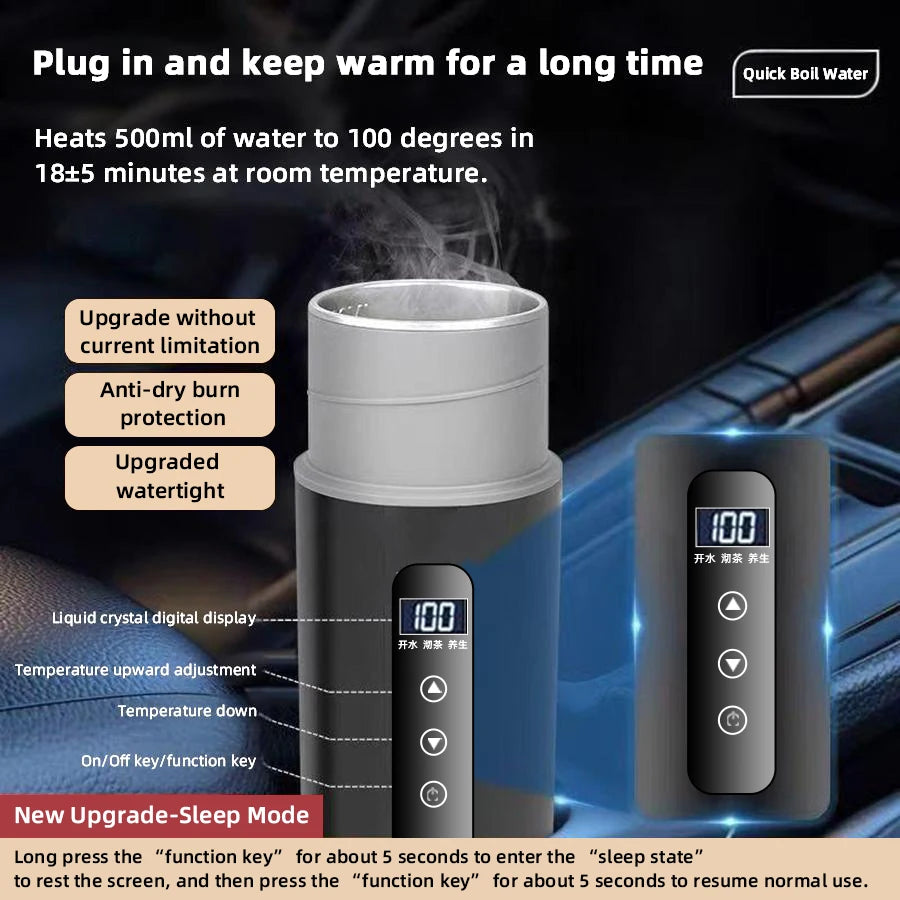
Best temperature for breast milk while traveling — calm feeds anywhere. See it in action
What Is the Best Temperature for Breast Milk When Traveling?
The best temperature for breast milk when traveling is the same as at home: serve it at approximately 37°C (98.6°F) , which is close to normal body temperature. This is considered the ideal temperature for feeding breast milk because it closely matches natural breastfeeding and is often the most comfortable for newborns.
According to guidance from organizations such as the CDC and the American Academy of Pediatrics (AAP) , breast milk does not have to be warmed before feeding. If it has been stored safely, many babies can drink breast milk at room temperature (20–25°C / 68–77°F) or even chilled, depending on their preference.
- Ideal feeding temperature: Approximately 37°C (98.6°F)
- Acceptable serving temperature: Properly stored room-temperature milk up to body temperature
- Avoid overheating: Do not heat breast milk above 40°C (104°F) , as excessive heat may reduce some beneficial components and create hot spots.
When traveling, always prioritize safe storage first . Keep milk cold during transport, then warm it gently only when your baby is ready to feed.
Safe Breast Milk Temperature Ranges (Storage vs Feeding)
It's important to distinguish between storage temperature and serving temperature . Safe breast milk temperature for travel depends on maintaining the cold chain during transport and warming the milk only immediately before feeding.
Freshly Expressed Milk
- Room temperature (≤25°C / 77°F): up to 4 hours under typical conditions.
- Insulated cooler with frozen ice packs (~4°C / 39°F): up to 24 hours , making it suitable for day trips and travel.
Refrigerated Milk
- Stored at 4°C (39°F) : best used within 4 days .
- When removed from refrigeration for travel, keep milk in an insulated cooler until you're ready to warm it.
Frozen & Thawed Milk
- Thaw frozen milk in the refrigerator whenever possible.
- Once fully thawed in the refrigerator, use within 24 hours .
- Do not refreeze previously thawed breast milk.
After Warming (Time Limits)
- Once warmed, use breast milk within 2 hours .
- Do not return warmed milk to a cooler or refrigerator.
- Discard any milk left in the bottle after a feeding to reduce the risk of bacterial growth.
Following these breast milk storage temperature travel guidelines helps preserve milk quality and aligns with recommendations from trusted health authorities, including the CDC and AAP. During travel, maintaining consistent cold storage until feeding is generally more important than warming the milk itself.
Why Milk Temperature Matters for Newborns
Maintaining the best milk temperature for newborn is primarily about comfort and safe feeding—not because breast milk must always be warm. Properly stored breast milk can be served chilled or at room temperature, but many babies prefer milk that is close to body temperature because it resembles breastfeeding.
Overheating is a greater concern than serving milk slightly cool. Excessive heat may reduce some of breast milk's protective components and create uneven hot spots that could burn a baby's mouth. Gentle warming helps preserve nutrients while making feeding more comfortable for babies who prefer warm milk.
- Comfort: Body-temperature milk may encourage smoother, calmer feeds.
- Nutrient preservation: Gentle warming is preferable to high heat.
- Safety: Never microwave breast milk because it heats unevenly.
- Flexibility: Properly stored breast milk does not have to be warmed before every feeding.
Quick check: After warming, swirl the bottle gently and place a few drops on the inside of your wrist. It should feel comfortably warm, never hot.
Breast Milk Temperature in Common Travel Scenarios
In the Car (Short Trips vs Long Drives)
For short journeys, freshly expressed milk may remain at room temperature within recommended time limits if the environment stays cool. During longer drives or in warm weather, store milk in an insulated cooler with frozen ice packs to maintain a safe breast milk storage temperature throughout the trip.
Never leave breast milk inside a parked vehicle, where temperatures can rise rapidly even on mild days.
Air Travel & Airport Security
Breast milk is generally permitted through airport security, even in quantities larger than standard liquid limits. Pack bottles or storage bags in an insulated cooler with frozen gel packs, and minimize the number of times the cooler is opened to help maintain a safe temperature during delays and flights.
Daycare or On-the-Go Handoffs
Clearly label each container with the pumping date and time before travel. Inform caregivers whether the milk is freshly expressed, refrigerated, or thawed so it can be stored and used within the appropriate safety window.
Hotels, Outdoor Trips & Power Outages
If refrigeration is unavailable, use a high-quality insulated cooler with plenty of frozen ice packs and monitor storage time carefully. Once refrigeration becomes available, transfer the milk promptly. If you're unsure whether milk has remained at a safe temperature, it's safest to discard it.
How to Keep Breast Milk at a Safe Temperature While Traveling
Using Coolers and Ice Packs
An insulated cooler with frozen ice packs is one of the most effective ways to maintain a safe temperature for breast milk travel . When packed correctly and kept closed, the cooler can keep milk near 4°C (39°F) for up to 24 hours.
- Pre-chill the cooler before leaving.
- Place milk between ice packs rather than on top of them.
- Open the cooler only when necessary.
- Replace melted ice packs as soon as possible on longer trips.
Insulated Bottles & Storage Bags
Use BPA-free bottles or breast milk storage bags designed for freezing and transport. Storing bags inside a rigid insulated container provides additional protection against temperature changes and accidental punctures during travel.
Don't rely on guesswork when transporting breast milk. Milk intended for storage should remain cold, while milk prepared for feeding should be gently warmed rather than overheated. For frequent travel, a cooler with a built-in thermometer or a small food-safe thermometer can help confirm that milk remains within a safe storage range.
Planning ahead with the right cooler, enough ice packs, and realistic travel timing helps maintain the cold chain and supports safe feeding wherever your trip takes you.
How to Warm Breast Milk Safely While Traveling
When warming breast milk during travel, the goal is to heat it gently to approximately body temperature without exposing it to excessive heat. Slow, even warming helps preserve milk quality and reduces the risk of dangerous hot spots.
In the Car
- Remove the bottle from your insulated cooler only when your baby is ready to feed.
- Prepare warm—not boiling—water using a thermos or portable heating device.
- Place the bottle in the warm water for several minutes until it reaches a comfortable feeding temperature.
- Swirl the bottle gently to distribute heat evenly. Avoid vigorous shaking.
- Test a few drops on the inside of your wrist before feeding.
- Use the warmed milk within 2 hours and discard any leftovers after feeding.
At Airports or Hotels
If hot water is available, place the bottle in a container of warm water rather than heating the milk directly. Many hotels and airport cafés can provide warm water upon request, making this one of the simplest methods for warming breast milk on the go.
Without Electricity
A vacuum-insulated thermos filled with hot water is a reliable option when camping, sightseeing, or traveling where power isn't available. This method warms milk gradually without requiring batteries or vehicle power.
Important: Never microwave breast milk. Microwaves heat unevenly, creating hot spots that may burn your baby and can reduce some of breast milk's beneficial properties.
Portable Breast Milk Warming Options
Portable Bottle Warmers
Portable bottle warmers designed for travel provide controlled, consistent warming and are especially convenient for frequent road trips or extended outings. Many rechargeable models are compatible with common baby bottle brands.
12V or USB Car Warmers
For families who spend significant time driving, 12V or USB-powered warmers allow convenient warming inside the vehicle while avoiding direct heat. Follow the manufacturer's instructions and always verify the bottle temperature before feeding.
Warm Water Method
The warm water method remains one of the safest and most widely recommended approaches. Simply immerse the bottle in warm water for several minutes until it reaches a comfortable feeding temperature. This technique works almost anywhere and minimizes the risk of overheating.
When to Use Each Option
- Short trips: A thermos with warm water is usually sufficient.
- Long drives: A portable bottle warmer or 12V-powered warmer offers greater convenience.
- Flights: The warm water method is typically the simplest and most dependable choice.
- Outdoor travel: A thermos provides reliable warming without electricity.
Explore a practical option here: 12V Portable Car Electric Kettle
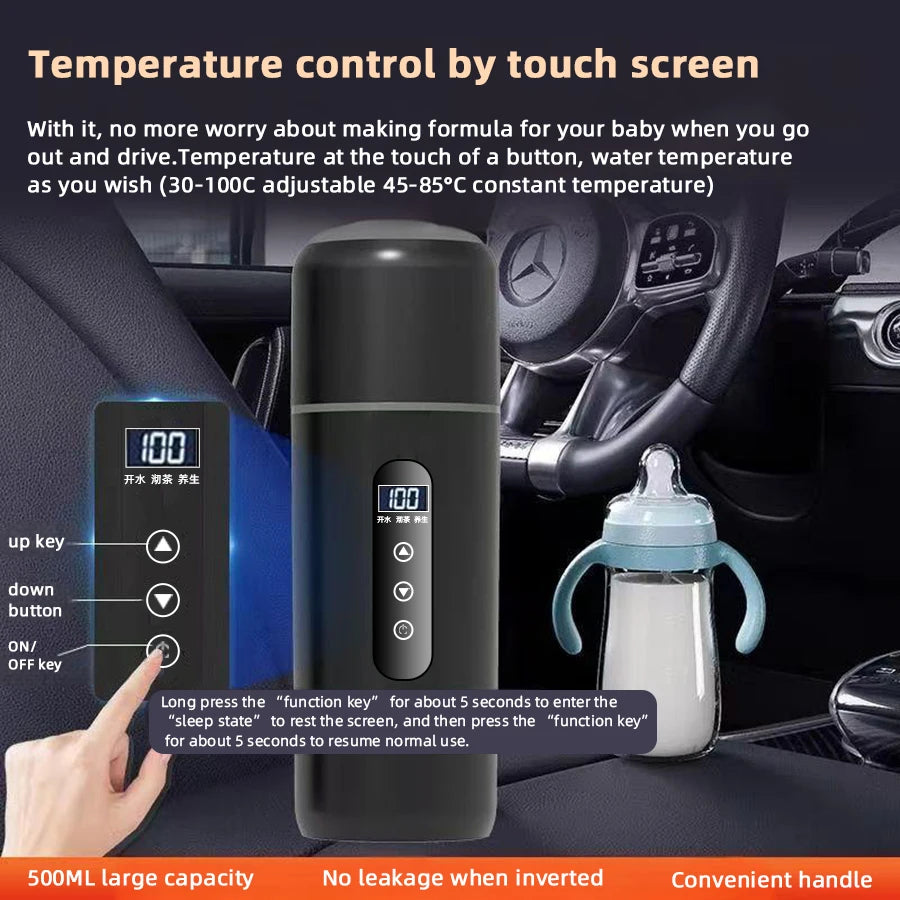
Electric kettle for milk keeps feeds consistent and calm. See it in action
Safe Temperature After Warming (Critical Timing Rules)
Once breast milk has been warmed, safe handling becomes just as important as reaching the proper feeding temperature. Following these recommendations helps reduce the risk of bacterial growth and ensures your baby receives milk at its best quality.
- Use within 2 hours: Feed warmed breast milk within 2 hours of warming.
- Do not rewarm: Avoid heating the same bottle multiple times, even if only part of it was used.
- Discard leftovers: Throw away any milk remaining in the bottle after a feeding since bacteria from your baby's mouth can multiply quickly.
- Keep timing in mind: Warm milk only when your baby is ready to eat instead of warming bottles in advance.
These simple practices help maintain a safe breast milk temperature after warming while minimizing unnecessary waste and supporting safe feeding during travel.
Common Mistakes to Avoid
Many breast milk storage problems occur because the cold chain is interrupted or milk is overheated. Avoid these common mistakes when traveling:
- Heating above 40°C (104°F): Excessive heat may reduce some beneficial properties of breast milk and create hot spots.
- Using a microwave: Microwaves heat unevenly and are not recommended for warming breast milk.
- Leaving milk in a hot car: Vehicle interiors can reach unsafe temperatures quickly, even on moderate days.
- Rewarming the same bottle: Warm milk only once and discard any leftovers after feeding.
- Guessing the temperature: Always test warmed milk on your wrist instead of relying on touch alone.
- Breaking the cold chain: Keep milk chilled until you're ready to warm and serve it.
- Forgetting storage times: Label pumped milk with the date and time so recommended storage limits are easy to follow.
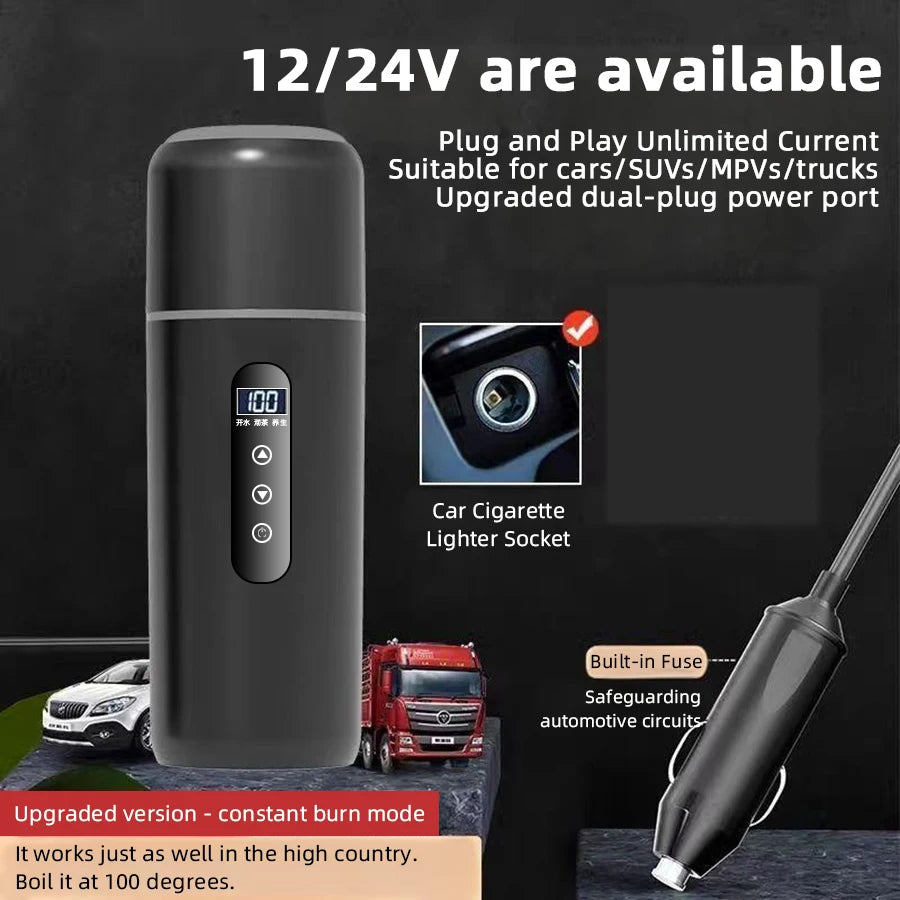
Best milk temperature for newborn comfort, anywhere. See it in action
Breast Milk Travel Temperature & Storage Chart
| Situation | Recommended Temperature | Maximum Time |
|---|---|---|
| Freshly expressed milk at room temperature | ≤25°C (77°F) | Up to 4 hours |
| Insulated cooler with ice packs | Approximately 4°C (39°F) | Up to 24 hours |
| Refrigerator | 4°C (39°F) | Up to 4 days |
| Warmed breast milk | Approximately 37°C (98.6°F) for feeding | Use within 2 hours |
| Maximum warming temperature | Do not exceed 40°C (104°F) | Not applicable |
CDC, AAP and NHS Recommendations at a Glance
Major health organizations, including the Centers for Disease Control and Prevention (CDC) , the American Academy of Pediatrics (AAP) , and the National Health Service (NHS) , provide broadly consistent advice for safe breast milk handling during travel.
- Store expressed breast milk at recommended temperatures and minimize time outside refrigeration.
- Maintain the cold chain during transport by using an insulated cooler with frozen ice packs.
- Warm breast milk gently instead of using a microwave or direct heat.
- Use warmed milk within 2 hours and discard leftovers after feeding.
- If you're uncertain whether breast milk has remained at a safe temperature during travel, it's safest not to use it.
- Consult your pediatrician or healthcare provider if your baby was born prematurely, has a weakened immune system, or has special feeding needs.
These recommendations provide practical guidance for maintaining a safe temperature for breast milk travel while protecting milk quality throughout your journey.
Frequently Asked Questions
Can breast milk be warmed more than once?
No. Breast milk should only be warmed once. After warming, use it within 2 hours and discard any remaining milk after feeding.
Is warm milk required for every feed?
No. Properly stored breast milk can be served at room temperature or even chilled if your baby accepts it. Warming is mainly for comfort rather than safety.
How long can warmed milk sit?
Warmed breast milk should be used within 2 hours. After that time, any unused milk should be discarded.
How do you keep breast milk warm in a car?
Warm the bottle only when your baby is ready to feed by using a thermos of warm water or a portable bottle warmer. Avoid leaving milk in direct sunlight or using high-heat sources.
What is the safest way to travel with breast milk?
Transport breast milk in an insulated cooler with frozen ice packs, keep it chilled until needed, and warm it gently immediately before feeding.
Can babies drink breast milk at room temperature while traveling?
Yes. If the milk has been stored safely within recommended time limits, babies can drink breast milk at room temperature if they are comfortable doing so.
How long can breast milk stay in a cooler with ice packs?
When stored in a well-insulated cooler with fully frozen ice packs, breast milk can generally remain safely chilled for up to 24 hours.
Can breast milk be stored in a hot car?
No. Vehicle interiors can become dangerously hot very quickly, causing breast milk to warm above safe storage temperatures. Always keep milk in an insulated cooler and never leave it unattended in a parked car.
What temperature should a portable bottle warmer reach?
A portable bottle warmer should gently warm milk to approximately 37°C (98.6°F) , or body temperature, without exceeding 40°C (104°F) .
Is it safe to mix freshly pumped milk with chilled milk while traveling?
Freshly expressed milk should be cooled before being combined with already chilled milk. Mixing warm milk directly with cold stored milk can raise its temperature and reduce storage safety.
Related Guide: Electric Kettle for Hot Water Fits Every Travel Lifestyle













