

What Is the Best Ear Wax Removal Method at Home?
The best ear wax removal method at home depends on whether wax is actually causing symptoms, how much buildup is present, and whether your ears are suitable for self-care. For most people, the safest approach starts with gentle softening methods before considering irrigation or specialized tools.
Should You Remove Earwax at All?
Earwax does not always need to be removed. Healthy ears naturally clean themselves by moving old wax outward through normal jaw movement and skin migration. Removing earwax is usually only necessary when buildup causes problems such as a blocked ear feeling, muffled hearing, pressure, or discomfort.
How Earwax Protects Your Ears
Earwax plays an important protective role. It helps trap dust and debris, prevents excessive dryness in the ear canal, and supports the ear’s natural defense system. Over-cleaning can disturb this balance and may irritate the ear canal.
Choosing the Right Removal Method
When considering ear wax removal at home, choose a method based on your symptoms:
- Mild buildup: Earwax removal drops or natural oils may soften wax gradually.
- Moderate blockage: Warm water irrigation may help remove softened wax.
- Recurring buildup: A controlled home ear irrigation system or electric ear cleaner may provide a more consistent routine.
- Pain, discharge, or sudden hearing changes: Professional evaluation is recommended before attempting removal.
Safe and commonly used home ear wax removal methods include:
- Earwax removal drops to soften hardened wax
- Natural oil methods such as olive oil or mineral oil
- Warm water irrigation using a bulb syringe or home ear irrigation system
- Electric ear cleaners designed for controlled flushing
Learning how to remove earwax safely means understanding both what can help and when home treatment should be avoided.
Ear Wax Removal at Home: Safe Methods, What to Avoid, and Best Options
Blocked ears, muffled hearing, or a constant feeling of fullness can affect daily comfort and concentration. If you are looking for ear wax removal at home, this guide explains safe ear cleaning methods, compares popular options, and helps you choose the best approach for your situation.
⏱ 6 min read
Which method fits your situation best? Below you’ll find practical comparisons and safety guidance.
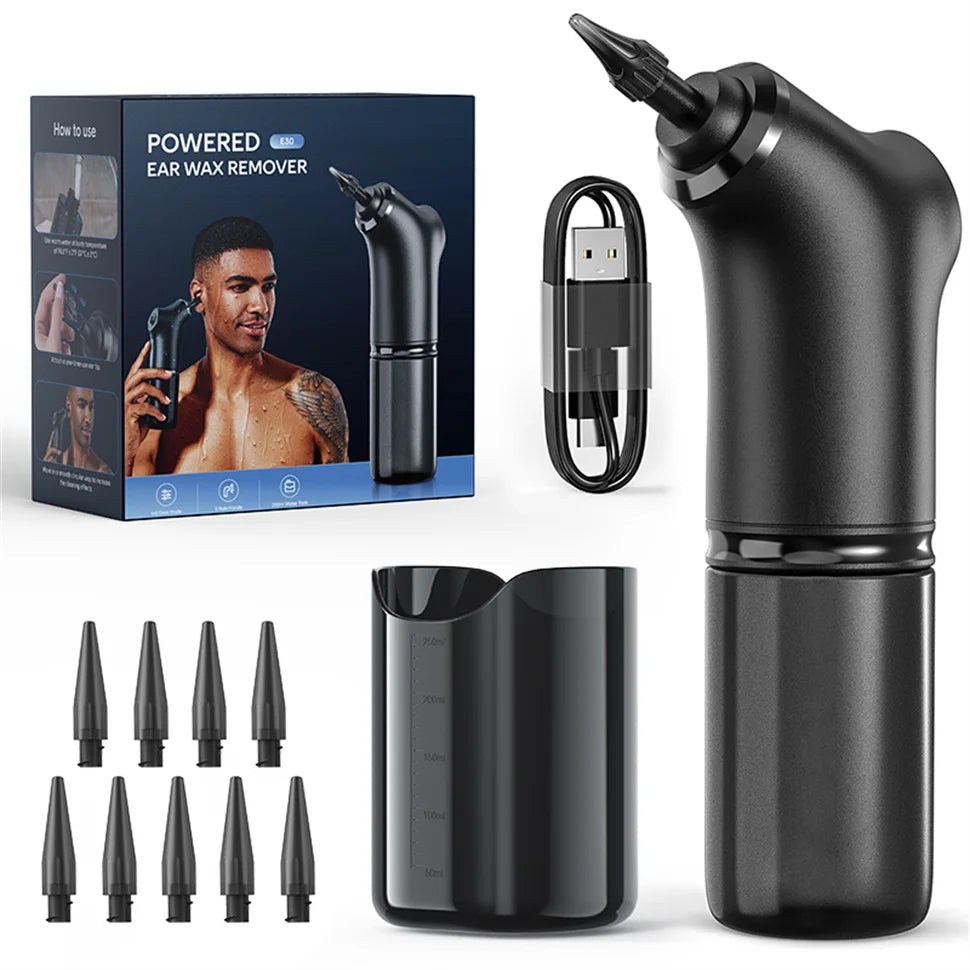
Natural earwax removal at home can feel effortless with the right tools See it in action
Earwax Blockage Symptoms: How to Tell If Wax Is the Problem
Earwax normally protects your ears, but excessive buildup can create uncomfortable symptoms. Recognizing earwax blockage symptoms helps you decide whether ear wax removal at home is appropriate.
Common signs of earwax buildup include:
- Blocked ear feeling from wax
- Muffled or reduced hearing
- Ear fullness or pressure
- Mild discomfort
- Ringing in the ear (tinnitus)
- Occasional balance changes or dizziness
Earwax blockage often develops gradually. People who frequently use earbuds, cotton swabs, or hearing aids may be more likely to experience buildup because wax can become trapped deeper inside the ear canal.
However, not every ear problem is caused by wax. Pain, fluid discharge, fever, infection symptoms, or sudden hearing loss may indicate another issue. Avoid ear wax removal at home in these situations and seek professional advice. You can also explore our how to clean ears safely guide for preventive care.
When NOT to Remove Ear Wax at Home
Although many people can safely manage minor earwax buildup at home, some situations require extra caution. Attempting removal when the ear is already irritated or injured may increase the risk of complications.
Who Should Avoid Home Irrigation
Avoid using a home ear irrigation system if you have:
- A perforated eardrum
- Ear tubes or recent ear procedures
- Previous ear surgery unless cleared by a healthcare professional
- Active ear infection symptoms
- Unexplained ear pain or severe discomfort
Medical Conditions That Require Professional Care
Professional evaluation is recommended if you experience:
- Fluid or discharge from the ear
- Sudden hearing loss
- Severe dizziness
- Swelling or fever
- Persistent symptoms after attempted removal
Understanding how to remove earwax safely includes knowing when not to attempt removal yourself.
Safe Ear Wax Removal Methods at Home (Doctor-Recommended)
Earwax Removal Drops
Earwax removal drops are commonly used as a first step because they soften hardened wax and allow the ear’s natural cleaning process to work more effectively.
Common options include:
- Carbamide peroxide drops
- Saline-based solutions
- Glycerin drops
Best for: Mild to moderate wax buildup.
Common mistake: Using drops repeatedly without checking whether symptoms are actually caused by wax.
Natural Oil Softening Methods
Natural earwax removal methods using oils such as olive oil or mineral oil may help soften dry, hardened wax. These methods are generally gentle but may require several days before results are noticeable.
Best for: People looking for a gradual softening approach.
Hydrogen Peroxide Solution
Diluted hydrogen peroxide solutions may help loosen earwax through a bubbling action. However, they should be used cautiously and avoided if you have ear damage, infection symptoms, or irritation.
Best for: Occasional wax softening when appropriate.
Warm Water Irrigation
Warm water irrigation uses gentle water flow to flush softened wax from the ear canal. It works best after wax has already been loosened with drops or oil.
Best for: Moderate buildup when the ear is otherwise healthy.
Home Ear Irrigation Systems
A home ear irrigation system can provide more controlled water flow compared with makeshift methods. These systems are designed to make the process more consistent while reducing the need for manual pressure.
See our ear irrigation system guide for step-by-step use.
Unsafe Ear Wax Removal Methods to Avoid
Cotton Swabs
Cotton swabs often push wax deeper into the ear canal instead of removing it. Repeated use may increase blockage risk and irritate sensitive ear tissue.
Ear Candling
Ear candling is not supported by reliable medical evidence and may cause burns or injury. It is not considered a safe ear cleaning method.
Sharp Objects or DIY Tools
Using hairpins, tweezers, or other household objects can scratch the ear canal or damage delicate structures. These tools should never be inserted into the ear.
Ear Wax Removal Methods Compared
Method Comparison Table
| Method | Best For | Benefits | Limitations |
|---|---|---|---|
| Earwax removal drops | Mild buildup | Simple and gentle | May take several days |
| Natural oils | Dry or hardened wax | Gradual softening | Not ideal for urgent blockage |
| Hydrogen peroxide | Occasional softening | Can loosen wax | Requires careful use |
| Warm water irrigation | Moderate buildup | Can flush softened wax | Not suitable for everyone |
| Electric ear cleaners | Recurring buildup | Controlled cleaning routine | Must be used correctly |
Which Method Fits Your Situation
If you have mild ear fullness, start with drops or oil. If you have a blocked ear feeling from wax that has softened, irrigation may be more effective. For recurring buildup, a controlled system may provide a more convenient routine.













