

Best Winter Jacket for Extreme Cold: Tested & Ranked (2026 Buyer's Guide)
Finding the best winter jacket for extreme cold isn't simply about buying the thickest coat. The ideal jacket depends on your climate, activity level, insulation preference, and budget. In this guide, we compare the best winter jackets for extreme cold, including expedition parkas, synthetic insulated jackets, heated jackets, and technical layering systems to help you choose the right option for below-zero temperatures.
Our recommendations are evaluated using warmth, weather resistance, comfort, durability, mobility, and overall value so you can confidently compare today's top-performing extreme cold weather jackets.
⏱ 8 min read
Which winter jacket actually keeps you warm at -10°F or lower without weighing you down? Read on.
Discover the best options for your winter adventures
Engineered for sub-zero performance — best winter jacket for extreme cold See it in action
Best Winter Jackets for Extreme Cold (Tested & Ranked 2026)
1. Expedition Down Parka (Best Overall)
Built for prolonged sub-zero exposure, expedition parkas use high-fill-power down insulation and extended coverage to protect core heat retention in extreme cold environments such as Arctic travel or high-altitude expeditions.
- Pros: Maximum warmth, excellent heat retention
- Cons: Bulky, expensive
2. Synthetic Insulated Jacket (Best for Wet Conditions)
Synthetic insulation maintains thermal efficiency even when exposed to moisture, making it ideal for snow, sleet, and humid winter climates where down may lose performance.
- Pros: Performs when wet, more affordable
- Cons: Slightly heavier, less compressible
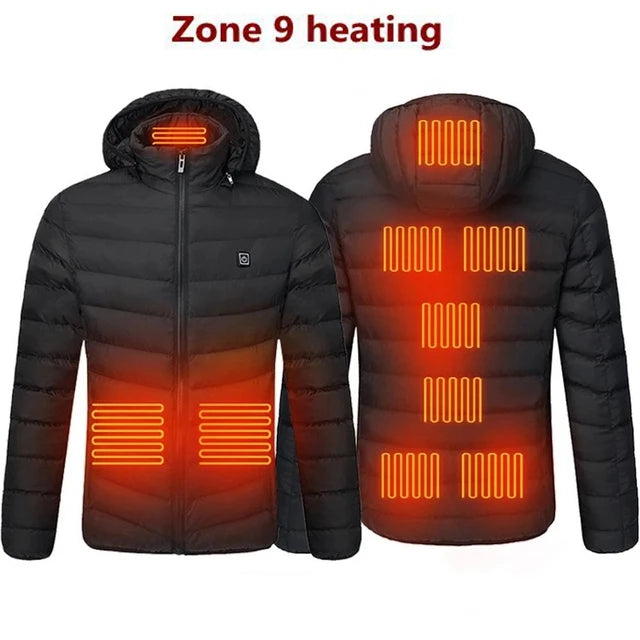
3. Heated Winter Jacket (Best for Adjustable Warmth)
Heated jackets use battery-powered heating elements to deliver adjustable warmth levels, making them effective for users who experience changing outdoor conditions throughout the day.
- Pros: Adjustable heat, great for long exposure
- Cons: Requires charging, electronic dependency
Recommended: heated winter jacket for controlled warmth in extreme conditions.
4. Technical Shell + Layering System (Best for Active Use)
A layering system combines a moisture-wicking base layer, insulating mid-layer, and weatherproof shell to provide adaptable protection for hiking, skiing, and high-output winter activities.
- Pros: Highly versatile, breathable
- Cons: Requires multiple pieces
5. Budget Winter Coat (Best Value)
Mid-weight synthetic winter coats offer practical warmth for everyday cold-weather use without the higher cost of premium insulation systems.
- Pros: Affordable, widely available
- Cons: Limited performance in extreme cold
Why We Chose These Jackets
Rather than focusing on brand popularity, these recommendations prioritize real-world performance in freezing conditions. Each jacket was assessed based on insulation quality, wind protection, moisture resistance, comfort during movement, durability, and overall value.
- Warmth for sub-zero temperatures
- Windproof construction
- Water-resistant or waterproof shell
- Comfort while layering
- Weight versus insulation efficiency
- Price relative to performance
Notable brands considered: The North Face, Canada Goose, Arc'teryx, Patagonia, Columbia.
Quick Comparison Table: Top Extreme Cold Weather Jackets
Use this comparison to narrow your options before reading the individual reviews.
- Best Overall — Expedition Down Parka
- Best Wet Weather — Synthetic Insulated Jacket
- Best Adjustable Warmth — Heated Winter Jacket
- Best Active Use — Technical Shell + Layering
- Best Budget — Budget Winter Coat
Compare insulation type, warmth level, weight, weather protection, price range, and recommended use case when deciding which winter jacket best fits your needs.
How We Tested & Evaluated Extreme Cold Weather Jackets
Testing Criteria
Every recommendation was evaluated using consistent criteria rather than manufacturer claims alone.
Warmth Scoring
We compared insulation efficiency, heat retention, and protection during prolonged exposure to freezing temperatures.
Weather Protection
Wind resistance, water repellency, hood design, storm flaps, and cuff sealing were assessed to determine overall protection.
Comfort & Mobility
Bulkier jackets were evaluated for movement restriction during walking, commuting, hiking, and outdoor work scenarios.
Value for Money
We assessed whether performance improvements justified price differences across categories and insulation types.
Warmth Comparison & Temperature Ratings
What "Extreme Cold" Really Means
Extreme cold generally refers to sustained temperatures below -20°C (-4°F), though wind chill and humidity can significantly change perceived warmth.
Why Temperature Ratings Can Be Misleading
Many jackets advertise temperature ratings without standardized testing, meaning real-world performance can vary widely depending on activity level and layering.
Layering vs Jacket Warmth
A layered system often outperforms a single thick jacket by improving moisture control while trapping insulating air more effectively.
What Makes the Best Winter Jacket for Extreme Cold?
High-Performance Insulation
Premium down and advanced synthetic insulation provide strong warmth-to-weight performance in sub-zero environments.
Down vs Synthetic Insulation
Down offers superior heat retention per gram, while synthetic insulation maintains performance in wet conditions.
Windproof & Waterproof Protection
Wind resistance is critical in extreme cold, often impacting perceived temperature more than insulation thickness alone.
Parka Length vs Standard Jackets
Longer parkas improve heat retention by protecting hips and upper thighs from exposure.
Hood, Cuffs & Draft Protection
Adjustable hems, insulated hoods, and sealed cuffs help prevent heat loss in high-wind environments.
Temperature Ratings Explained
Use ratings as general guidance rather than absolute performance guarantees, as real conditions vary significantly.
Best Jackets by Use Case
Best for Arctic Expeditions
Expedition-grade down parkas with maximum insulation and extended coverage.
Best for Below-Zero Everyday Use
Balanced synthetic or down insulation for commuting and urban winter conditions.
Best for Outdoor Work
Durable insulated jackets with mobility-focused construction and reinforced seams.
Best for Winter Hiking
Lightweight insulation combined with breathable outer layers for active movement.
Best for Skiing & Snowboarding
Weatherproof shell systems designed for layering and high mobility on slopes.
Best Heated Jacket
Ideal for users needing adjustable warmth during long periods outdoors.
Explore: best winter jacket for extreme cold with built-in heating technology.
Best Budget Choice
Affordable synthetic jackets that provide reliable warmth for moderate winter conditions.
Down vs Synthetic vs Heated Jackets: Which Is Best?
Down Insulation
Delivers the highest warmth-to-weight ratio but requires dry conditions for optimal performance.
Synthetic Insulation
Maintains insulation when wet and dries faster, making it ideal for unpredictable weather.
Heated Jackets
Battery-powered heating systems provide adjustable warmth independent of external conditions.
Which One Should You Buy?
Choose based on climate, activity level, moisture exposure, and budget rather than insulation type alone.
Cold Weather Layering Guide
Base Layers
Moisture-wicking materials regulate body temperature by keeping skin dry.
Mid Layers
Fleece or insulated garments trap heat effectively while maintaining breathability.
Outer Shells
Windproof and waterproof shells protect against environmental exposure.
Common Layering Mistakes
- Using cotton base layers
- Over-layering and overheating
- Ignoring ventilation features
- Choosing oversized shells without structure
Pros & Cons of Each Jacket Type
Heated Jackets
- Adjustable warmth levels
- Ideal for commuters and outdoor workers
- Requires battery charging
Down Jackets
- Excellent warmth-to-weight ratio
- Highly compressible for travel
- Reduced performance when wet
Synthetic Jackets
- Reliable in wet conditions
- Easy maintenance
- Typically bulkier than down
Shell Systems
- Maximum versatility
- Great for active use
- Require proper layering strategy
Extreme Cold Jacket Buying Guide
Choosing the Right Insulation Weight
Select insulation based on expected temperatures and activity intensity.
Waterproof Ratings
Higher waterproof ratings are essential in snowy or mixed precipitation climates.
Windproof Features
Storm flaps, adjustable hoods, and sealed cuffs greatly improve warmth retention.
Durability
Reinforced stitching and abrasion-resistant fabrics extend jacket lifespan.
Fit & Sizing
Allow room for layering while avoiding excessive internal air gaps.
Budget Expectations
Higher-end jackets generally offer better long-term performance, but mid-range options can provide strong value.
Which Winter Jacket Is Best for You?
The best winter jacket for extreme cold depends on your environment and activity level. Expedition parkas excel in extreme dry cold, synthetic jackets perform better in wet snow conditions, heated jackets offer adjustable warmth, and shell systems provide maximum flexibility for active use.
Focus on insulation type, weather resistance, mobility, and intended use rather than marketing temperature claims alone.
Frequently Asked Questions
What is the warmest winter jacket for extreme cold?
Expedition-grade down parkas provide the highest passive insulation for extreme cold environments.
Which jacket works below zero temperatures?
Both expedition down parkas and synthetic insulated jackets can perform below freezing when properly layered.
Are heated jackets worth buying?
Yes, they are especially useful for commuters, outdoor workers, and long-duration outdoor exposure.
Is goose down warmer than synthetic insulation?
Yes, high-fill-power goose down is generally warmer for its weight, while synthetic insulation performs better when wet.
Can one jacket handle every winter activity?
No, different activities require different balances of warmth, mobility, and weather protection.
Should I size up for layering?
A slightly roomier fit can improve layering comfort, but overly loose jackets reduce thermal efficiency.
How should I wash insulated jackets?
Follow manufacturer instructions and use appropriate detergents for down or synthetic insulation to preserve loft.
Are expensive winter jackets worth the price?
Premium jackets often deliver better materials, durability, and insulation efficiency, but mid-range options can still perform well.
Related Guide: Heated Winter Jackets Compared: Top Picks and Tradeoffs













