

Does a Blue Light Vein Finder Pen Really Work?
Yes. A blue light vein finder pen improves the visibility of superficial veins by increasing the contrast between blood vessels and the surrounding skin. Blue wavelengths (approximately 450–495 nm) are absorbed differently by hemoglobin, causing surface veins to appear darker and easier to distinguish.
Although it cannot match the depth detection of infrared vein finder devices, a quality vein finder pen is often effective for identifying shallow veins during foot care, routine skin inspections, hydration checks, and other non-clinical applications.
When Blue Light Performs Best
A blue light vein finder pen delivers the best results when veins are close to the skin surface and the surrounding environment supports good contrast.
- Best for: surface veins, foot vein identification, and visibility improvement
- Works especially well in dim or low-light environments
- Helpful for home care, grooming, and visual vein assessment
- Provides a portable, affordable alternative to larger vein finder devices
Common Performance Limitations
First-time users should understand that results vary depending on individual anatomy. Deep veins, darker surrounding tissue, body composition, hydration status, and bright ambient lighting can all reduce visibility. For clinical procedures requiring deeper vein detection, infrared technology remains the preferred option.
Blue Light Vein Finder Pen: Best Picks, How It Works & Buying Guide (2026)
⏱ 7 min read — Struggling with poor visibility during foot care or routine inspections? A blue light vein finder pen helps highlight superficial veins, reducing guesswork and improving precision during at-home care. In this guide, you'll learn how the technology works, what features matter most, and how to choose the best vein finder pen for your needs.
Explore how this blue light pen improves accuracy at home
Best Blue Light Vein Finder Pens (Top Picks Compared)
Best Overall
The best vein finder pen balances brightness, focused illumination, comfortable handling, and dependable battery performance. Adjustable light output, a concentrated beam, and durable construction make everyday use easier while improving surface vein visibility.
Best Budget
A portable vein finder pen in the budget category is ideal for occasional home use. These models typically provide reliable blue LED illumination in a lightweight design while remaining affordable for personal care routines.
Best for Home Care
For home foot care and self-inspections, prioritize a blue light vein finder with an ergonomic grip, broad illumination coverage, and consistent light intensity. These features improve comfort and help reveal superficial veins more clearly.
Best Professional Option
Professionals, caregivers, and trainees may prefer premium pen-style devices with higher-quality optics, improved beam control, rechargeable batteries, and rugged construction. While still portable, these models offer greater consistency during repeated use.
Comparison Table
| Category | Best For | Key Features |
|---|---|---|
| Best Overall | Everyday users | Balanced brightness, ergonomic design, long battery life |
| Best Budget | Occasional home use | Compact size, affordable price, basic blue LED |
| Best for Home Care | Foot care and self-inspections | Wide light coverage, comfortable handling |
| Best Professional Option | Caregivers and frequent users | Premium optics, rechargeable battery, precise beam control |
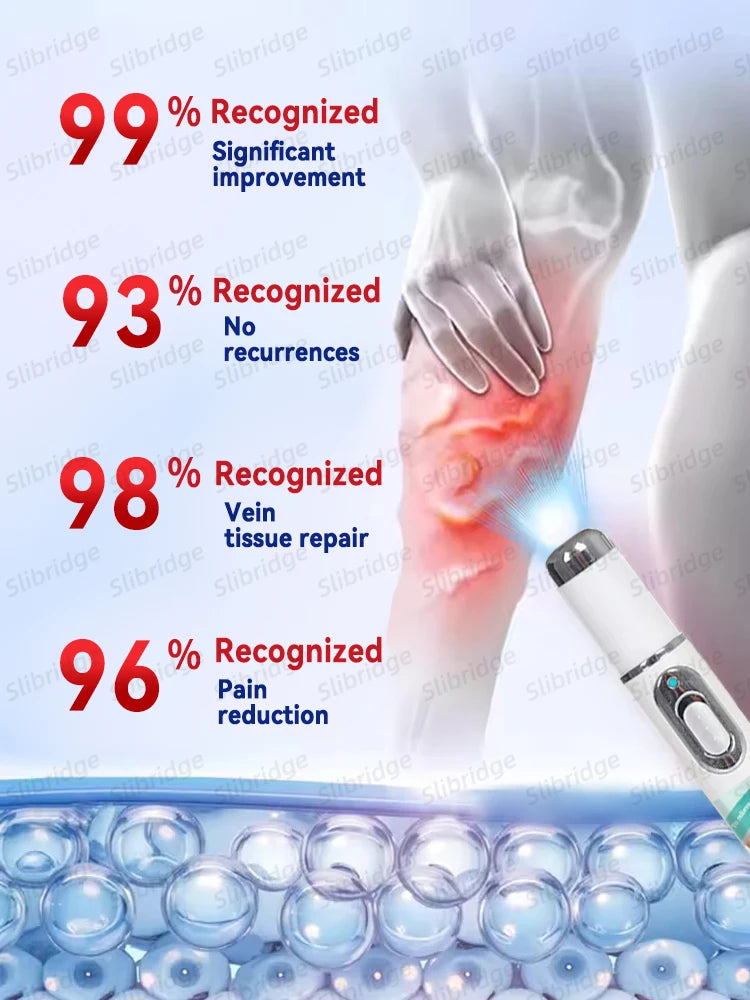
Blue light vein finder pen improving precision visibility — See it in action
How a Blue Light Vein Finder Works
Blue Light Technology
A blue light vein finder uses LEDs that emit light in the 450–495 nm wavelength range. These wavelengths interact differently with blood and surrounding tissue, allowing superficial veins to stand out with greater visual contrast.
Why Veins Become More Visible
Hemoglobin absorbs portions of blue light more effectively than nearby tissue. As a result, veins reflect less light and appear darker against the skin, making them easier to identify when scanning slowly across the target area.
Factors That Affect Results
Performance depends on several variables, including skin thickness, vein depth, hydration, ambient lighting, and the angle at which the light is held. Using the vein finder pen in a dim room and keeping the beam close to the skin generally produces the clearest results.
- Enhances contrast between superficial veins and surrounding skin
- Most effective for shallow veins rather than deep vessels
- Works best with proper lighting conditions and careful scanning technique
- Improves precision during home care, grooming, and visual vein assessment
Key Features to Look for in a Vein Finder Pen
Light Output
The quality of the LED light is one of the biggest factors affecting vein visibility. Look for a blue light vein finder with a consistent wavelength, even illumination, and enough brightness to improve contrast without creating glare. A focused beam helps identify superficial veins more accurately than a standard medical penlight for veins.
Battery & Charging
A reliable portable vein finder pen should provide enough runtime for repeated use between charges or battery replacements. Rechargeable models reduce ongoing costs, while replaceable batteries can be convenient for travel or emergency kits.
Durability
Choose a device made from sturdy materials such as aluminum alloy or high-impact polymer. A durable housing protects the LEDs and electronics from accidental drops while maintaining consistent performance over time.
Medical Safety
Select a vein finder pen that produces minimal heat during operation and is comfortable to hold for extended periods. While blue light devices are intended to improve visibility, they should not replace appropriate clinical equipment when medical-grade vein visualization is required.
Portability
The best vein finder pen is lightweight enough to carry in a pocket, first aid kit, or caregiver bag. Compact dimensions, a secure grip, and simple one-button operation make the device easier to use during home care, foot inspections, and routine assessments.
Blue Light Vein Finder vs Infrared Vein Finder Devices
Technology Comparison
Although both technologies are designed to improve vein visualization, they operate very differently. A blue light vein finder enhances the appearance of superficial veins by increasing optical contrast, while infrared systems use near-infrared light and image processing to detect veins located deeper beneath the skin.
Blue light devices perform well for shallow veins and routine home applications. Infrared vein finders generally provide higher accuracy for difficult venous access, making them the preferred choice in hospitals and other clinical environments.
Cost
Blue light vein finder pens are typically much more affordable and portable than infrared systems. This makes them a practical option for individuals who need occasional vein visualization without investing in specialized medical equipment.
Best Use Cases
- Blue Light Vein Finder: Best for foot care, home use, grooming, caregiver support, and identifying superficial veins.
- Infrared Vein Finder: Better suited for hospitals, phlebotomy, IV placement, and locating deeper veins.
- Portability: Pen-style blue light devices are compact, lightweight, and easy to carry.
- Clinical Performance: Infrared systems provide greater precision when challenging vein access is expected.
For most people looking for an infrared vein finder alternative for home use, a portable blue light vein finder offers the best balance of convenience, affordability, and performance for superficial vein visualization.
Learn how this precision pen supports at-home care

Vein finder portable design for everyday use — Discover precision
How to Use a Blue Light Vein Finder Pen
Preparation
Proper preparation significantly improves visibility. Before scanning, choose a room with dim lighting, clean and dry the skin, and allow your eyes a few moments to adjust. If possible, stay well hydrated, as superficial veins are often easier to identify when hydration is adequate.
- Reduce bright overhead or direct sunlight.
- Hold the blue light vein finder pen comfortably in your dominant hand.
- Position the light close to—but not touching—the skin.
Scanning Technique
If you're learning how to find veins with light, move the beam slowly across the target area rather than sweeping it quickly. Change the viewing angle slightly until superficial veins appear as darker lines against the surrounding tissue.
- Scan the area using slow, overlapping passes.
- Pause briefly when a vein becomes visible to confirm its path.
- Repeat from a different angle if additional contrast is needed.
Improving Accuracy
Small adjustments often produce noticeably better results. Keep the light at a consistent distance, avoid shaking the device, and reposition either the light or the limb if reflections reduce visibility. For foot care, supporting the foot on a stable surface can improve control during inspection.
- Use the pen in a dim environment whenever possible.
- Maintain a steady hand while scanning.
- Adjust the beam angle instead of increasing scanning speed.
- Compare both sides of the area if veins are difficult to distinguish.
Mistakes to Avoid
Using the device under bright lighting, moving the beam too quickly, or expecting it to reveal deep veins can lead to disappointing results. Remember that a blue light vein finder pen is designed to enhance the visibility of superficial veins rather than replace professional infrared vein imaging systems.
Blue Light Pen vs Standard Medical Penlight
Although both devices are handheld and portable, they are designed for different purposes. A vein finder pen uses blue light to improve contrast between superficial veins and surrounding tissue, while a standard medical penlight provides general white-light illumination for routine examinations.
| Feature | Blue Light Vein Finder Pen | Standard Medical Penlight |
|---|---|---|
| Primary Purpose | Enhances visibility of superficial veins | General medical inspection and examinations |
| Visibility Enhancement | High-contrast blue illumination | Standard white light |
| Precision | Designed to improve vein identification | Not optimized for vein visualization |
| Clinical Use | Helpful for home care, caregivers, and preliminary vein assessment | Commonly used for pupil checks, throat exams, and general inspection |
| Portability | Compact and lightweight | Compact and lightweight |
| Cost | Generally affordable | Usually lower cost but with fewer specialized features |
Pros and Cons of Blue Light Vein Finder Pens
A blue light vein finder pen offers an excellent balance of portability and ease of use, but understanding its strengths and limitations helps set realistic expectations.
-
Pros:
- Improves visibility of superficial veins.
- Compact, lightweight, and travel-friendly.
- Simple to operate with minimal training.
- More affordable than infrared vein finder systems.
- Useful for foot care, home inspections, and caregiver support.
-
Cons:
- Cannot reliably detect deep veins.
- Performance varies with skin characteristics and lighting.
- Not intended to replace professional clinical vein imaging equipment.
- Results may be limited in very bright environments.
Get yours now — limited stock!
What Real Users Say
Clinical Users
Caregivers, nursing students, and healthcare trainees often find that a blue light vein finder pen makes superficial veins easier to identify before practice sessions or visual assessments. While it is not a substitute for clinical infrared equipment, many appreciate its portability and convenience for educational use.
Home Users
People using a vein finder device at home commonly report greater confidence during foot care, grooming, and routine skin inspections. The improved contrast helps reduce guesswork, particularly when examining visible surface veins in low-light conditions.
When Results Disappoint
Most disappointing experiences occur when users expect the device to reveal deep veins or use it under bright lighting. Individual factors such as skin tone, vein depth, hydration, and body composition can also affect visibility, making realistic expectations an important part of successful use.

Best medical penlight for confident routines — Try it today
Frequently Asked Questions
Is a blue light vein finder safe for daily use?
Yes. A blue light vein finder pen uses low-energy LED illumination and is generally safe for routine use when operated according to the manufacturer's instructions. Avoid looking directly into the light and keep the device clean for hygienic use.
How does a blue light vein finder pen work?
The device emits blue light that increases the visual contrast between superficial veins and surrounding tissue. Because hemoglobin absorbs blue wavelengths differently than nearby skin, veins appear darker and are easier to identify.
Can a blue light vein finder help locate foot veins?
Yes. Blue light vein finder pens are especially useful for highlighting superficial veins on the feet, making them a practical tool for foot care, routine inspections, and personal care tasks.
Does it work on dark skin tones?
It can, but results vary. Skin tone, vein depth, hydration, and ambient lighting all influence visibility. Users may need to adjust the viewing angle and reduce surrounding light to achieve the best contrast.
Can it replace an infrared vein finder?
No. Blue light vein finder pens are designed for superficial vein visualization, while infrared vein finders are better suited for locating deeper veins and are commonly used in clinical settings.
What is the best portable vein finder pen?
The best portable vein finder pen combines consistent blue LED output, durable construction, comfortable handling, long battery life, and reliable performance for your intended use, whether that's home care, caregiver support, or educational practice.
Can I use a vein finder device at home?
Yes. Many people use a vein finder device at home for foot care, skin inspections, caregiver assistance, and learning basic vein anatomy. It should be viewed as a visibility aid rather than a medical diagnostic device.
Why can't I see veins with blue light?
If veins are not clearly visible, the cause is often bright room lighting, deep vein location, dehydration, or individual differences in skin and tissue characteristics. Using the device in a dim environment and scanning slowly from different angles usually improves results.
Related Guide: Caregiver Difficulty Finding Veins Solutions That Actually Help













