

Body Aches After Exercise: Stop Ignoring This Hidden Recovery Factor
If body aches after exercise hit harder than expected, it’s not just sore muscles—it’s a sign your recovery strategy needs an upgrade. Whether you feel body sore after workout next day or struggle with fatigue that won’t fade, learning natural ways to reduce fatigue can transform your results. Discover how adjusting the best recovery time for muscle growth could be the hidden key your body’s been craving—are you timing it right?
⏱ 7 min read
Why do body aches after exercise happen?
Body aches after exercise occur when tiny muscle fibers tear during intense physical activity, triggering inflammation and stiffness known as DOMS (Delayed Onset Muscle Soreness). Proper hydration, stretching, and timing your recovery between 48–72 hours are natural ways to reduce fatigue and accelerate healing for muscle growth.
Understanding Body Aches After Exercise
That deep soreness you feel a day or two after a tough gym session isn’t just a badge of honor—it’s your body’s signal that recovery is in progress. These body aches after exercise come from micro-tears in muscle fibers that occur during resistance or endurance training.
While a little soreness is normal, constant fatigue or excessive stiffness may indicate your recovery routine needs serious attention. Let’s uncover what’s really happening inside your muscles and how you can optimize recovery for faster results.
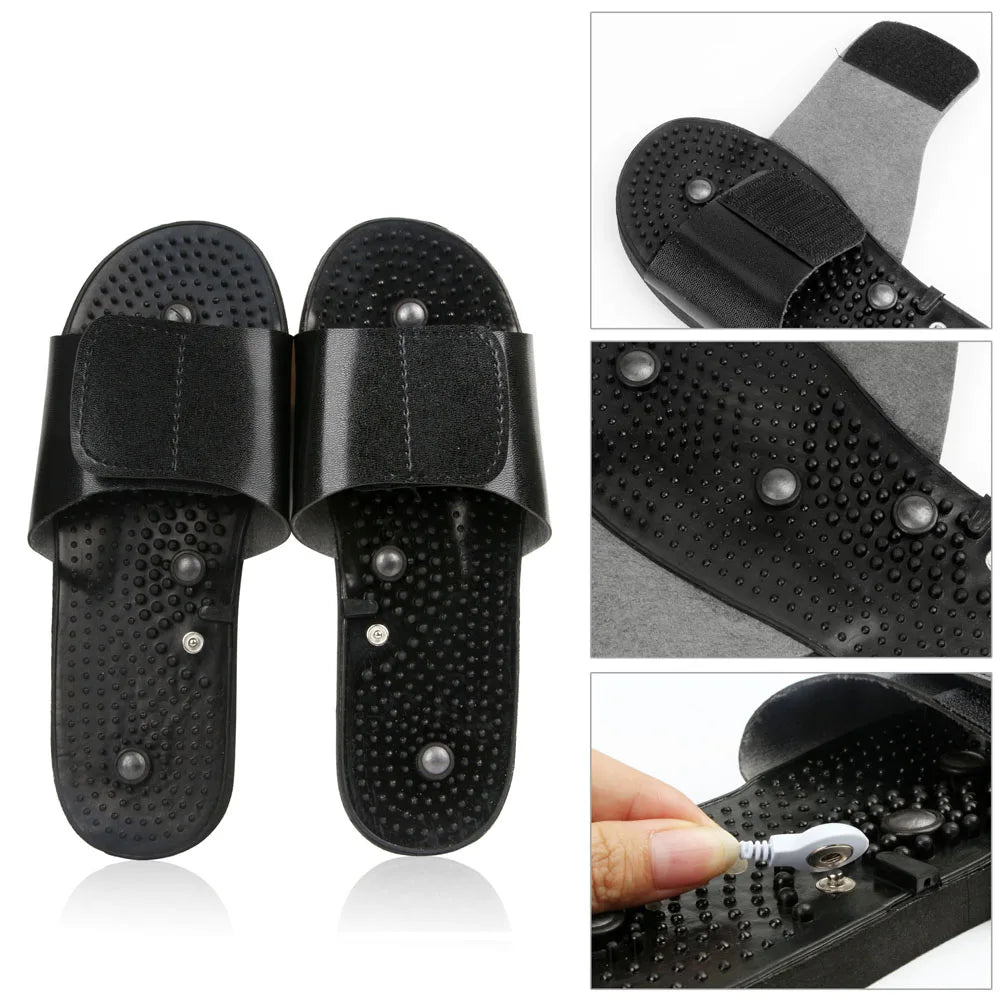
💡 Body aches after exercise are a signal, not a setback—learn how to fix recovery right.
Natural Ways to Reduce Fatigue and Soreness
Before reaching for painkillers, try these natural ways to reduce fatigue and restore your muscles faster:
- Stay hydrated: Dehydration slows nutrient delivery to muscles, increasing soreness.
- Prioritize protein and magnesium: These nutrients rebuild muscle fibers and reduce inflammation.
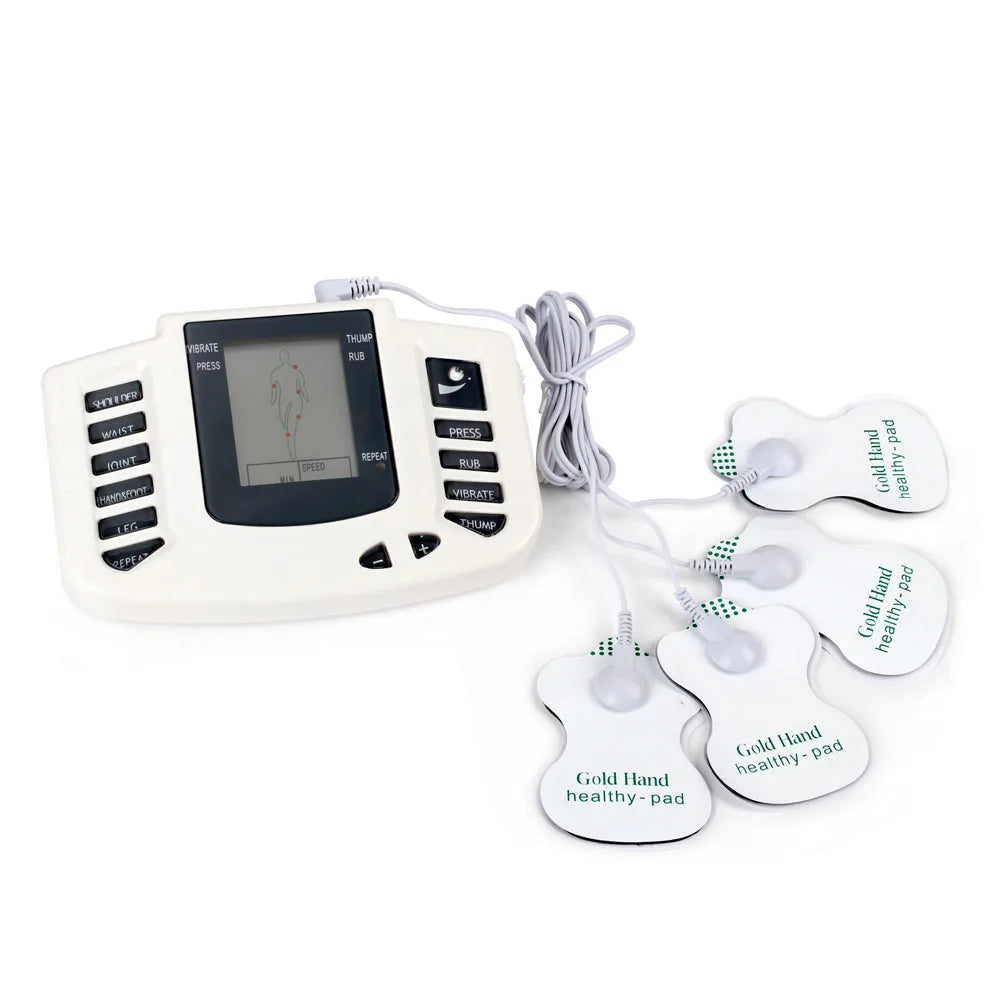
- Use gentle massage devices: Tools from Body Care and Health Devices improve blood flow and accelerate recovery.
- Contrast showers: Alternating hot and cold water reduces swelling and stiffness.
- Quality sleep: Growth hormones peak during deep sleep—vital for muscle repair.
Combine these tips with a consistent recovery routine to ensure your body heals efficiently after every workout.
Best Recovery Tools to Speed Up Muscle Repair
Technology is changing the recovery game. Whether you’re dealing with post workout soreness or just want faster muscle relaxation, the right device can make all the difference.
Top Picks for Muscle Recovery
- KentDO Full Body EMS Massager — promotes deep muscle stimulation and reduces stiffness in minutes.
- Foam rollers — ideal for myofascial release, improving flexibility.
- Massage guns — provide localized pressure for tight muscle knots.
- Infrared heating pads — boost circulation and soothe chronic tension.
Pairing an EMS device with your post-workout routine can help you recover in less time, reduce fatigue, and maintain performance consistency throughout the week.
Best Recovery Time for Muscle Growth
The best recovery time for muscle growth depends on workout intensity, age, and sleep quality. For most people, 48–72 hours between sessions is ideal. However, targeted stimulation using EMS or massage can shorten this window without risking overtraining.
Here’s a simple guide to help you plan recovery:
| Workout Type | Recommended Recovery Time |
|---|---|
| Light cardio | 24 hours |
| Strength training | 48–72 hours |
| High-intensity interval training | 72+ hours |
Use this as a flexible guide—listen to your body’s signals. Persistent soreness means your muscles are still rebuilding, and pushing too soon can delay progress.
Real User Results and Testimonials
Users of the KentDO EMS Massager report noticeable relief after just one session:
“I used to wake up with body aches after every workout. The EMS massager made recovery almost effortless—my soreness dropped by half overnight.” — Jessica M., Fitness Trainer
“This device feels like a professional massage at home. I finally feel ready to train again the next day without pain.” — David L., Gym Enthusiast
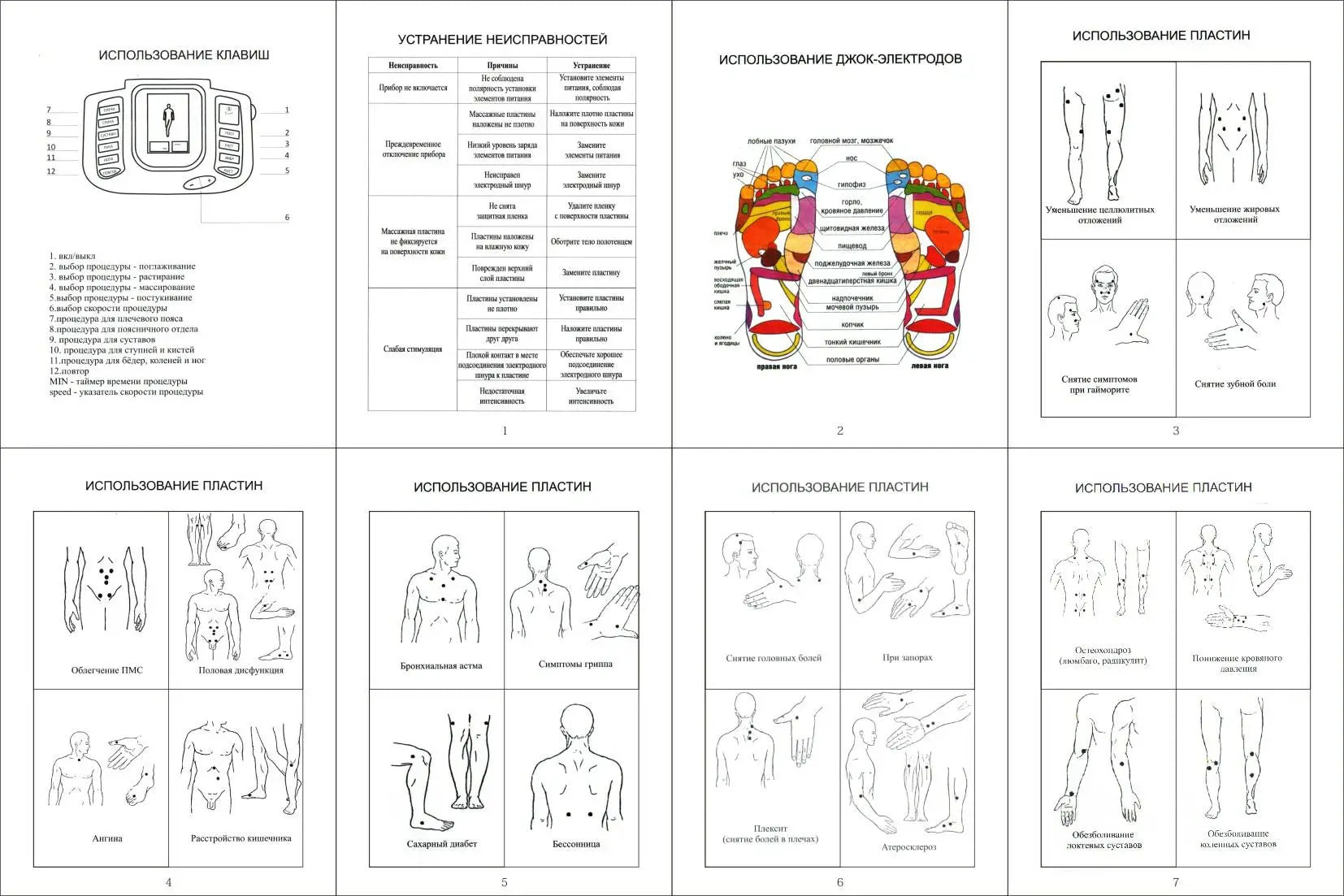
💡 Feel the difference: reduce muscle fatigue and soreness with KentDO EMS technology.
FAQs About Post-Workout Body Aches
How long do body aches after exercise last?
Typically, soreness peaks 24–48 hours post-exercise and fades within 3 days. Persistent soreness beyond that may indicate overtraining or inadequate recovery.
Is it OK to work out with sore muscles?
Light activity like walking or stretching can improve circulation and aid recovery. Avoid intense training until soreness subsides to prevent injury.
What helps body sore after workout next day?
Hydration, gentle stretching, and devices like the KentDO Full Body EMS Massager can reduce next-day soreness and speed up recovery.
Are EMS devices safe for daily use?
Yes—when used correctly, EMS massagers are safe for daily use and can improve recovery, flexibility, and muscle tone without overexertion.
Pillar Article: Best Way to Improve Circulation: 2025 Product Showdown & Expert Picks
Other Related Articles:
- Acupressure Points for Pain Relief: Tested Devices vs Traditional Methods
- Acupuncture Point for Pain: 5 Devices That Replicate Results at Home
- Best Way to Improve Leg Circulation: What Really Works in 2025
- Body Pain After Exercise: Top 7 Recovery Tools You’ll Actually Use
Explore More:













