Cold Weather Face Covering: Best Options for Breathability, Warmth, and Wind Protection
Choosing the right cold weather face covering can make a major difference in comfort during outdoor activities. Whether you're running, skiing, cycling, or commuting, the best options balance warmth, breathability, and wind resistance without causing overheating or moisture buildup. This guide explains how they work, compares types, and helps you choose the best option for your needs.
⏱ 6 min read
Explore breathable options designed for both movement and everyday comfort.
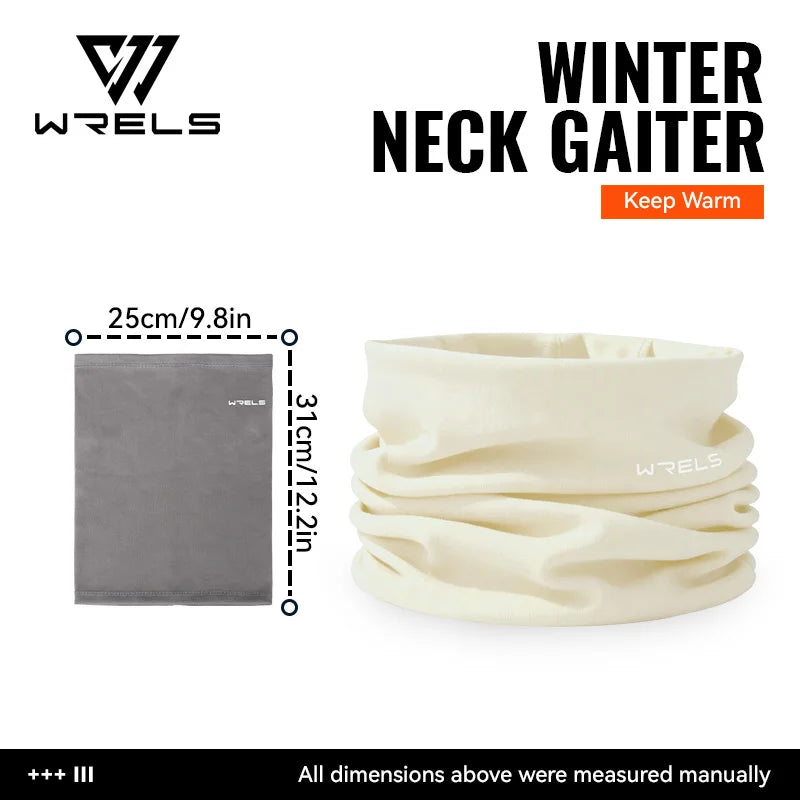
A breathable winter face covering that adapts to active and casual cold wear
What Is a Cold Weather Face Covering and How Does It Work?
A cold weather face covering is designed to provide face protection for cold weather by combining insulation, wind resistance, and airflow. Unlike simple scarves, modern designs balance warmth and breathability to keep you comfortable in changing conditions.
How face coverings retain heat
They trap a thin layer of warm air close to your skin, helping maintain temperature without excessive bulk. This insulation prevents rapid heat loss in cold environments.
Wind protection vs insulation
Wind-resistant fabrics reduce cold air penetration, which is often the main cause of discomfort. Insulation retains warmth, while wind protection prevents that warmth from being stripped away.
Moisture management and breathability
Breathable designs allow moisture vapor to escape, preventing dampness and condensation. This is essential for maintaining comfort during both movement and rest.
Types of Cold Weather Face Coverings: Which One Is Right for You?
Neck gaiter
A versatile face cover for cold weather that can be adjusted easily. Ideal for active use and layering.
Balaclava
Provides full head and face coverage, best for extreme cold and winter sports like skiing.
Cold weather face mask
Designed for targeted face protection, often with structured panels for wind resistance.
Hybrid face coverings
Combine elements of gaiters and masks, offering a balance of breathability and insulation for mixed-use conditions.
Cold Weather Face Cover Comparison Table
- Neck Gaiter: Moderate warmth, high breathability, best for running and daily use
- Balaclava: Maximum coverage, high warmth, ideal for extreme cold
- Fleece Mask: High warmth, moderate airflow, good for low activity
- Neoprene Mask: Windproof, low breathability, best for cycling in strong wind
Each cold weather face covering serves different needs depending on temperature, wind exposure, and activity level.
Why Breathability Matters in Cold Weather Face Protection
Cold air is harsh, but trapped moisture is worse. A breathable winter face covering prevents sweat buildup while still protecting against cold wind.
- Reduces moisture buildup during movement
- Prevents overheating indoors or during breaks
- Keeps skin dry and comfortable
- Supports easier breathing in cold air
Best Materials for Cold Weather Face Coverings
Fleece
Warm and soft, ideal for insulation but less breathable during intense activity.
Merino wool
Excellent temperature regulation and moisture control, suitable for long wear.
Synthetic fabrics
Lightweight, quick-drying, and ideal for active use where breathability matters most.
Neoprene
Highly windproof and water-resistant, best for harsh weather but less breathable.
Choosing the Right Face Covering by Activity
Running
Choose lightweight, breathable options that prevent overheating and manage sweat.
Skiing and snowboarding
Opt for insulated and windproof designs like balaclavas for full protection.
Hiking
Use adaptable layers such as gaiters that can be adjusted based on effort level.
Daily commuting
Focus on comfort, moderate warmth, and ease of use.
For active use, products like the winter neck gaiter fleece windproof offer a balance of airflow and protection.
Choose the Right Face Covering for Different Temperature Ranges
Above freezing
Lightweight gaiters or thin synthetic masks provide sufficient protection without overheating.
14–32°F (-10–0°C)
Use mid-weight materials like fleece-lined gaiters or merino wool for balanced warmth.
Below 14°F (-10°C)
Choose insulated balaclavas or layered systems for maximum protection.
Neck Gaiter vs Balaclava vs Face Mask
Neck gaiter: Best for flexibility and breathability in active situations.
Balaclava: Best for full coverage and extreme cold.
Face mask: Best for targeted wind protection.
The right choice depends on your activity level, weather conditions, and personal comfort preferences.
How to Choose the Best Cold Weather Face Covering
Fit
Choose a snug but comfortable fit that stays in place without restricting movement.
Breathability
Essential for active use to prevent moisture buildup.
Weather conditions
Match insulation and wind resistance to your environment.
Activity level
Higher intensity activities require more breathable materials.
- Temperature range: Match insulation to climate
- Wind protection: Choose tighter weaves or layered designs
- Moisture control: Prioritize quick-drying fabrics
How to Wear a Lightweight Neck Gaiter for Maximum Protection
Single-layer wear
Wear loosely for mild conditions and improved airflow.
Layering with hats
Combine with hats or helmets for better insulation and wind protection.
Reducing glasses fogging
Ensure a snug fit around the nose and direct airflow downward to minimize condensation.
- Position around the neck before going outside
- Pull up over nose and mouth in windy conditions
- Adjust during activity to regulate airflow
For additional comfort, explore Body Care and Health Devices to support recovery during cold seasons.
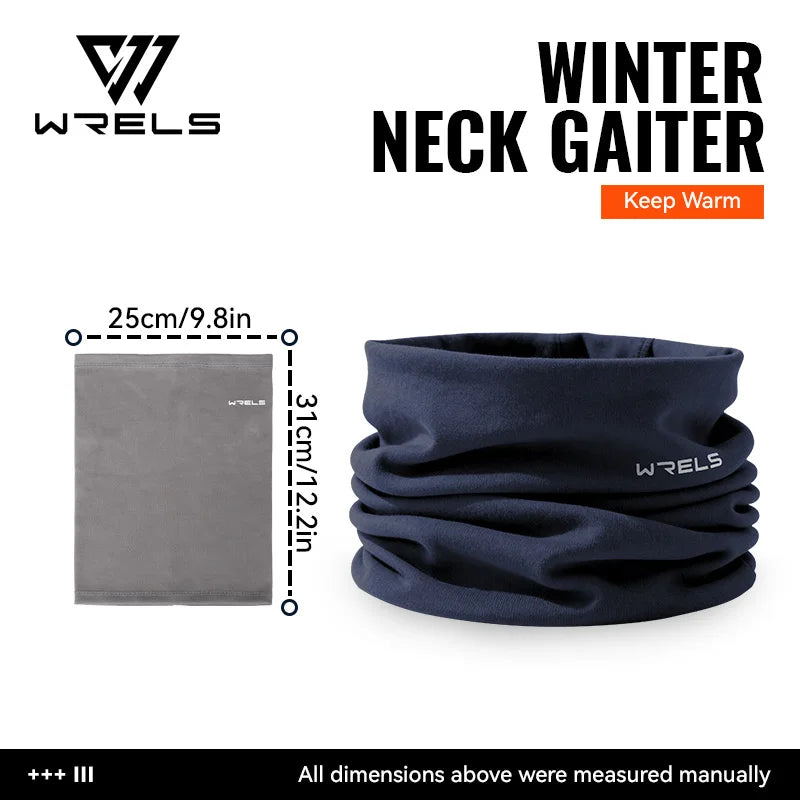
Designed for movement and comfort in cold weather
Frequently Asked Questions
Is a breathable winter face covering warm enough?
Yes. The right materials provide insulation while allowing airflow, keeping you warm without overheating.
What is the best face covering for running in cold weather?
A lightweight, moisture-wicking neck gaiter is typically the best option for maintaining comfort during high-intensity movement.
Does a face covering reduce glasses fogging?
Breathable designs and proper fit help direct airflow away from lenses, reducing fogging.
Neck gaiter vs balaclava: which is better?
Gaiters are better for flexibility and breathability, while balaclavas are better for extreme cold protection.
Can you wear multiple layers in extreme cold?
Yes. Layering a gaiter with a balaclava or mask improves insulation and wind protection in very cold conditions.
Discover the breathable winter face covering designed for real-life cold wear
Related Guide: Winter Neck Gaiter Unisex: Who It Fits Best and Why It Works