

Do Bunion Correctors with Adjustment Knobs Really Work?
A bunion corrector with adjustment knob works by applying gradual, controlled pressure that encourages the big toe toward a more natural position while reducing stress on the bunion joint. It can help improve comfort, reduce friction, and support toe alignment when used consistently. However, these devices do not permanently correct the underlying bone structure or replace medical treatment for severe hallux valgus.
How the Adjustment Knob Gradually Improves Toe Alignment
Unlike fixed splints, adjustable-knob designs allow you to increase correction little by little instead of forcing the toe into position. This gradual toe alignment adjustment helps minimize discomfort while giving surrounding soft tissues time to adapt. People with mild to moderate bunions often benefit most when wearing the splint during rest or sleep for several weeks.
Best Bunion Corrector with Adjustment Knob (2026): Reviews, Comparison & Buying Guide
If bunions make walking uncomfortable or shoes increasingly difficult to wear, choosing the right bunion corrector with adjustment knob can help you manage symptoms more comfortably at home. This guide explains how adjustable bunion splints work, compares different designs, reviews leading options, and shows you how to adjust one safely for the best possible results.
⏱ 7 min read
Many people stop using a bunion corrector too early because they expect overnight changes or tighten the adjustment mechanism too aggressively. The right fit, gradual adjustments, and consistent use usually matter far more than wearing the device for long periods.
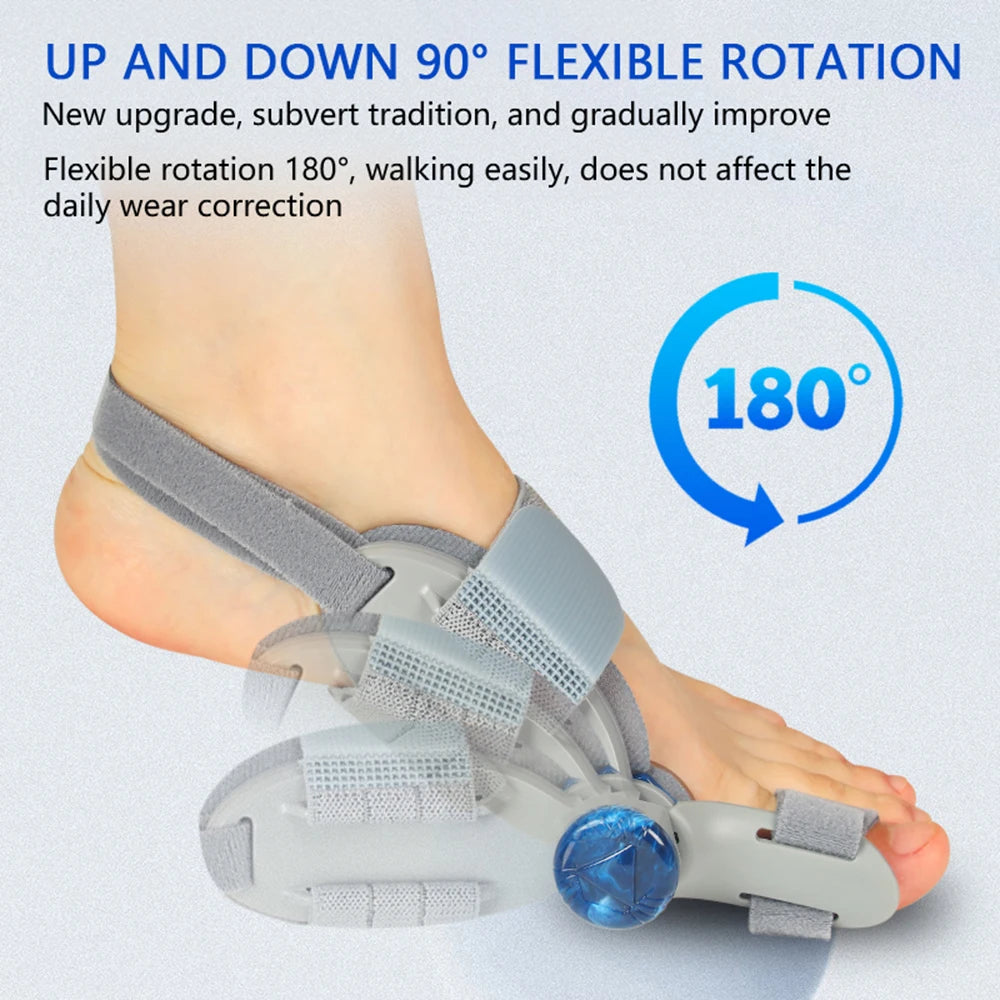
Adjustable bunion corrector designed for gradual toe alignment support.
Quick Comparison: Best Adjustable Bunion Correctors
| Product Type | Adjustment System | Best For | Day/Night |
|---|---|---|---|
| KentDO Bunion Corrector | Adjustable tension strap | Daily home use | Night & Rest |
| Knob-adjustable orthopedic splint | Fine adjustment knob | Progressive correction | Night |
| Soft adjustable splint | Velcro strap | Beginners | Light daytime use |
| Rigid orthopedic splint | Multi-point adjustment | Moderate bunions | Night |
How We Evaluated These Adjustable Bunion Correctors
To create fair reviews, we focused on characteristics that matter most during everyday use:
- Comfort during 30–120 minute wear sessions
- Ease of making gradual bunion splint adjustments
- Build quality of straps, hinges, and adjustment mechanisms
- Stability without excessive pressure
- Ease of cleaning and long-term durability
Rather than promising permanent correction, we evaluated how well each design supports comfort, consistency, and gradual toe alignment.
Best Adjustable Bunion Correctors Reviewed
Best Overall
KentDO Bunion Corrector offers supportive yet comfortable construction suitable for most people beginning conservative bunion care. Its adjustable design makes it easy to customize pressure without creating unnecessary discomfort.
Pros
- Comfortable materials
- Easy strap adjustment
- Suitable for consistent home use
Cons
- Not intended for use inside tight shoes
- Does not replace medical treatment for severe deformities
Best Budget
Basic adjustable strap splints provide gentle support for occasional discomfort and are suitable for first-time users with mild bunions.
Best for Sleeping
Rigid nighttime splints with gradual adjustment mechanisms help maintain a consistent toe position while resting.
Best for Daily Wear
Soft adjustable bunion correctors prioritize comfort and flexibility for relaxing at home or while seated.
Best Heavy-Duty Support
Orthopedic models with stronger frames and precise adjustment knobs provide greater stability for moderate bunion deformities during rest.
How to Adjust a Bunion Corrector Correctly
Learning how to adjust a bunion corrector correctly helps maximize comfort while minimizing unnecessary pressure.
- Wash and dry your feet.
- Position the splint so the hinge aligns naturally with the big toe joint.
- Fasten the straps until secure but comfortable.
- If using an adjustment knob, make only small turns.
- Wear for 20–30 minutes initially before increasing time gradually.
- Check for numbness, discoloration, or excessive pain after adjustment.
How Tight Should the Adjustment Knob Be?
The adjustment knob should create gentle corrective pressure without causing sharp pain. You should still be able to wiggle your toes slightly and maintain normal circulation.
How to Increase Toe Alignment Safely
Increase correction gradually every few days only if the current setting remains comfortable. Small changes performed consistently usually provide better long-term comfort than aggressive adjustments.
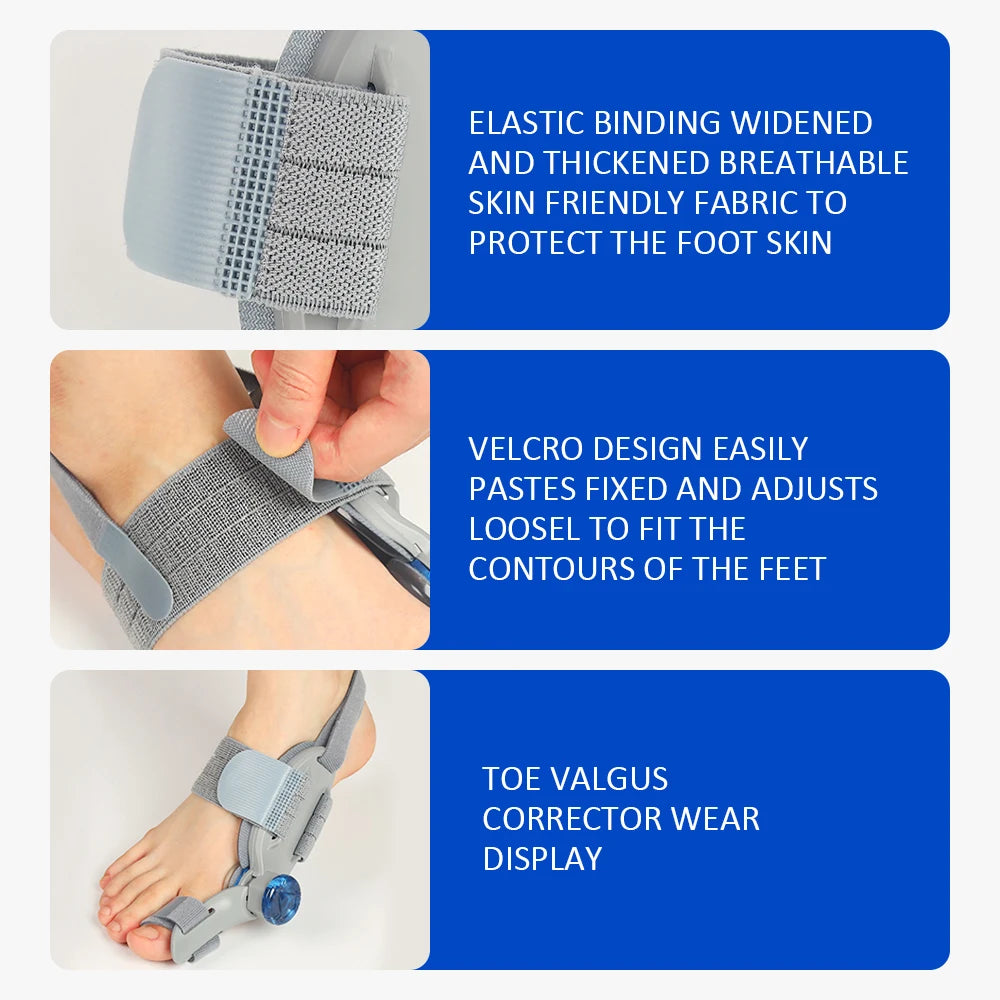
Proper positioning and gradual adjustment improve comfort and consistency.
Can You Walk, Sleep, or Wear Shoes with an Adjustable Bunion Corrector?
Most adjustable orthopedic bunion correctors are designed primarily for rest or sleep rather than extended walking.
- Walking: Short indoor movement is generally acceptable unless otherwise directed by the manufacturer.
- Sleeping: Many adjustable splints are specifically intended for overnight wear if comfortable.
- Shoes: Bulky splints usually do not fit inside standard footwear. Slim models may fit only with wide shoes.
- Exercise: Remove the splint before running, sports, or high-impact activities.
Who Should Choose an Adjustable Orthopedic Bunion Corrector?
An adjustable orthopedic bunion corrector is generally most suitable for:
- People with mild to moderate bunions
- Individuals experiencing shoe pressure around the big toe joint
- Those seeking conservative home management before considering surgery
- People following clinician guidance after recovery from bunion surgery, when appropriate
If your bunion is rapidly worsening, causes severe pain, or significantly limits walking, consult a healthcare professional before relying on home devices alone.
Many users pair conservative foot care with other recovery products available in Body Care and Health Devices .
For those ready to try a balanced solution, the KentDO Bunion Corrector combines comfort-focused materials with supportive structure for daily home use.
For more guidance on conservative bunion care, see our detailed guides on how to use a toe straightening splint correctly and bunion corrector orthotic support reviews and buying advice .
Common Adjustment Mistakes That Delay Results
- Over-tightening the adjustment knob
- Skipping several days between sessions
- Choosing the wrong size
- Ignoring persistent pain or numbness
- Trying to force rapid correction
Think of bunion correction like stretching: gradual, consistent progress is usually safer and more sustainable than aggressive adjustments.
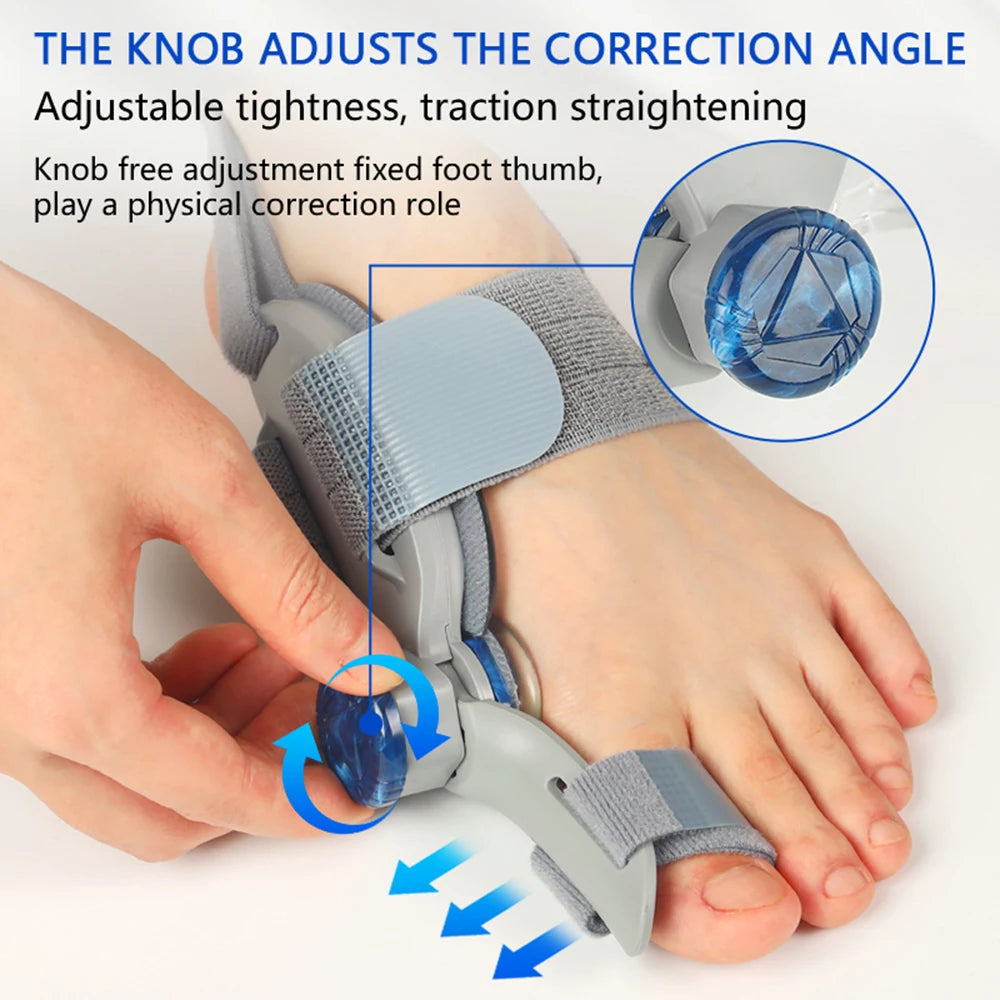
Consistent use and gradual adjustments support better long-term comfort.
Cleaning, Maintenance, and Replacement Tips
- Clean fabric components regularly using mild soap and warm water.
- Allow the splint to air dry completely.
- Inspect straps and adjustment mechanisms for wear.
- Avoid excessive force when turning adjustment knobs.
- Replace the splint if straps lose elasticity, hinges loosen, or structural support declines.
How to Choose the Best Adjustable Bunion Corrector
When comparing adjustable bunion correctors, prioritize:
- A gradual, easy-to-control adjustment mechanism
- Comfortable padding around pressure points
- Correct sizing for your foot
- Durable straps and hinges
- Good value rather than simply the lowest price
FAQ
Do adjustable knob bunion correctors work better than strap-only models?
Adjustment knobs provide finer control over corrective pressure, while strap-only models are often simpler and more comfortable for beginners. The better choice depends on your comfort level and bunion severity.
How do I adjust a bunion corrector without causing pain?
Increase pressure gradually until you feel gentle tension, never sharp pain. Stop adjusting if numbness or significant discomfort develops.
Can I walk while wearing a bunion corrector with an adjustment knob?
Most are intended for rest rather than prolonged walking. Follow the manufacturer's recommendations for your specific model.
How long should I wear an adjustable bunion splint each day?
Begin with 20–30 minutes daily and gradually extend wear time if comfortable. Many nighttime models can be worn while sleeping.
What size adjustable bunion corrector should I buy?
Choose a size based on the manufacturer's sizing chart and whether the splint is designed for the left foot, right foot, or universal use.
When should I replace my bunion corrector?
Replace it if straps lose support, hinges or adjustment knobs become damaged, or the device no longer maintains proper alignment comfortably.













