
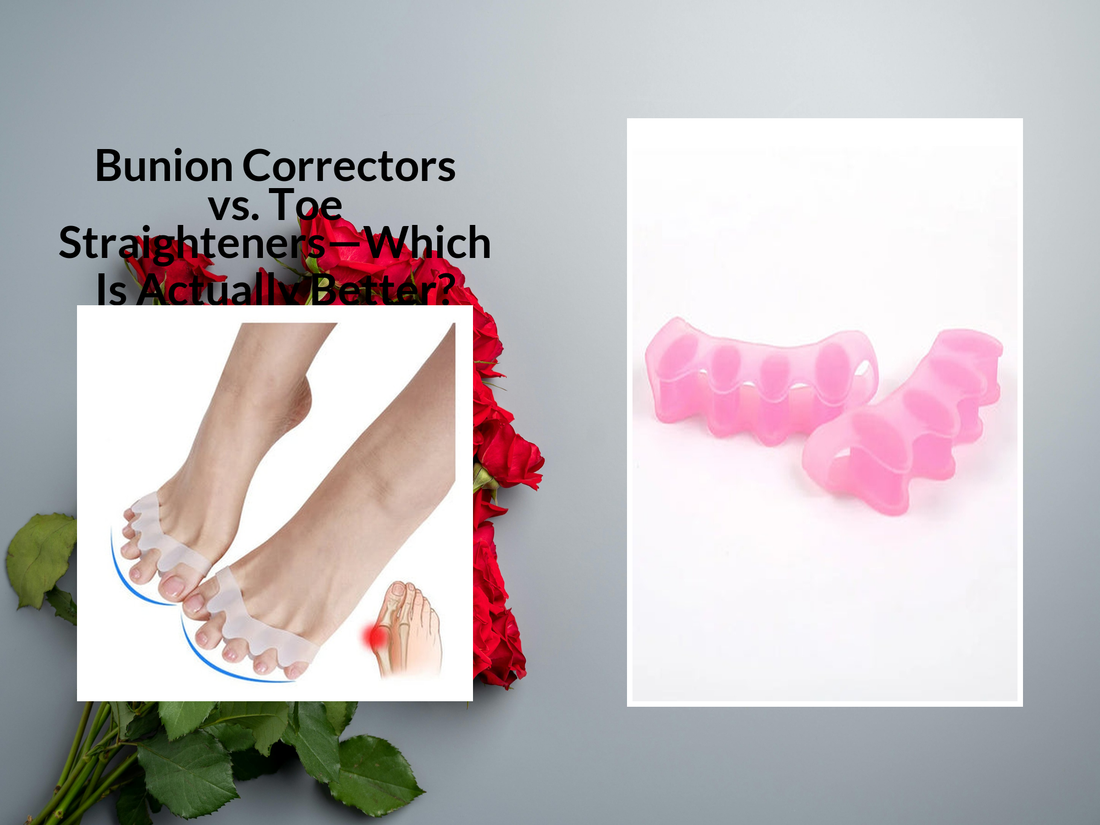
⏱ 7 min read
Q: Do bunion correctors or toe straighteners actually work?
A: ✅ Toe straighteners can improve toe spacing, reduce pressure, and relieve discomfort when used consistently. However, they do not permanently correct bunions, since bunions involve structural bone changes rather than soft tissue alignment alone.
Do Toe Straighteners Work? Evidence, Results, and What They Can Actually Fix
Quick Answer: Do Toe Straighteners Really Work?
Yes — toe straighteners can improve toe alignment temporarily and reduce pressure between toes. However, they do not permanently correct structural conditions like bunions.
Most podiatrists explain that toe straighteners work by gently separating or guiding toes into a more natural position, which improves comfort and reduces friction during daily movement.
The Short Answer for Most Foot Conditions
Toe straighteners are most effective for mild misalignment and symptom relief rather than structural correction.
What Toe Straighteners Can and Cannot Do
- Can: Reduce pressure, improve comfort, support toe spacing
- Cannot: Permanently realign bone structure or reverse advanced bunions
What Are Toe Straighteners and How Do They Work?
Toe straighteners are orthopedic devices designed to gently reposition the toes by applying sustained external pressure. They include toe separators, gel aligners, bunion splints, adjustable correctors, and corrective sleeves. Their primary goal is to improve alignment, reduce pressure points, and relieve discomfort associated with toe deformities.
Understanding Toe Alignment and Foot Biomechanics
Your toes function within a complex system of bones, ligaments, tendons, and muscles. When this system becomes imbalanced due to footwear, genetics, or injury, toes may gradually shift out of alignment. Learn more about foot anatomy and biomechanics .
Toe straighteners work by encouraging soft tissues to adapt toward a more neutral position.
How External Toe Correction Devices Apply Force
Most devices use low-force, sustained stretching to gently separate or realign toes:
- Toe separators create spacing between toes
- Bunion splints apply directional pull to the big toe
- Gel correctors cushion and guide alignment
- Adjustable devices allow controlled tension
Why Results Depend on Soft Tissue vs Bone Structure
Toe straighteners primarily affect soft tissues. Once bone structure has significantly shifted, external devices cannot permanently reverse the deformity.
Are Toe Straighteners Effective? What Clinical Evidence Shows
The effectiveness of toe straighteners depends on severity, condition type, and consistency of use.
Evidence for Temporary Alignment Improvement
Clinical observations suggest toe straighteners can temporarily improve toe positioning, especially in flexible or mild deformities.
Evidence for Pain Relief and Pressure Reduction
- Reduced bunion pressure
- Less friction between toes
- Improved walking comfort
- Better shoe tolerance
What Research Says About Permanent Correction
Current evidence does not support permanent correction of structural deformities. Devices are most effective for symptom management and slowing progression.
Do Big Toe Straighteners Work for Bunions?
What Causes a Bunion
A bunion forms when the first metatarsal shifts inward while the big toe angles toward adjacent toes. Genetics, arthritis, and footwear all contribute.
Explore a full guide on bunion causes and treatments .
Do Bunion Toe Straighteners Work?
They can reduce discomfort and provide temporary alignment support in mild cases. Results vary based on severity.
Why Toe Straighteners Cannot Reverse Established Bunions
Once bone misalignment is fixed, external devices cannot restore normal anatomy.
When Bunion Correctors Can Still Help
- Reducing pain and inflammation
- Improving comfort in shoes
- Supporting conservative care
- Slowing early progression
Do Bunion Correctors Work? Comparing the Main Device Types
Toe Separators
Toe separators reduce crowding and friction, improving comfort during movement.
Gel Toe Straighteners
Gel devices provide cushioning and mild alignment support. See gel toe corrector options .
Bunion Splints
Splints apply directional force and are commonly used at night for symptom relief.
Adjustable Toe Correctors
These allow customizable tension for gradual adjustment.
Corrector Socks and Alignment Sleeves
These provide gentle separation and comfort-based support for daily wear.

See it in action — toe alignment support for daily comfort
Bunion Correctors vs Toe Straighteners: What's the Difference?
| Feature | Bunion Correctors | Toe Straighteners |
|---|---|---|
| Main Goal | Reduce bunion pain and irritation | Improve toe spacing and alignment |
| Best For | Pain relief | Mild alignment support |
| Use Time | Often overnight | Daily or short sessions |
Which Conditions Respond Best to Toe Straighteners?
Mild Toe Misalignment
Soft tissues are still flexible, making correction more effective.
Early Bunion Development
Devices may reduce pressure and slow progression.
Overlapping Toes
Separators can improve spacing and comfort.
Hammertoes
Flexible hammertoes may respond when combined with exercises.
Advanced Structural Deformities
Severe cases typically require medical evaluation.
Toe Straightener Before and After Results: What Is Realistic?
Results After Days and Weeks
Most users notice improved comfort and reduced pressure within weeks.
Results After Several Months
Long-term use supports symptom management but not permanent correction.
Why Some Users See Better Results Than Others
- Severity of condition
- Consistency of use
- Footwear choices
- Age and tissue flexibility
Do Toe Separators Work for Bunions?
Benefits of Toe Separation
- Reduced friction
- Improved spacing
- Temporary comfort relief
Limitations of Toe Separators
They cannot correct bone deformities or permanently realign toes.

Gel toe support for everyday comfort
Benefits of Gel Toe Straighteners
- Soft cushioning reduces pressure
- Improves toe spacing
- Enhances walking comfort
- Gentle daily support
Toe Straightener Reviews: What Real Users Commonly Report
Positive Experiences
- Reduced pain and rubbing
- Better shoe comfort
- Improved toe awareness
Common Complaints
- Temporary results only
- Slow progress
- Limited effect in severe cases
Why User Results Vary
Differences in anatomy, severity, and consistency significantly affect outcomes.
How to Get the Best Results from Toe Straighteners
Wearing Schedule
Start gradually and increase wear time consistently.
Foot Exercises and Strength Training
Exercises support long-term foot function. See foot strengthening exercises .
Footwear Modifications
Wide toe-box shoes reduce compression and improve results.
The Best Combination Strategy for Toe Alignment
Best results come from combining devices, exercises, and proper footwear. A multi-approach strategy improves both comfort and function.
Explore recommended bundles and solutions here .
When to See a Podiatrist
If pain or deformity worsens, consult a specialist. Learn more about bunion treatment options .
- Persistent pain
- Worsening deformity
- Difficulty walking
Frequently Asked Questions
Do bunion toe straighteners really work?
They improve comfort and alignment temporarily but do not permanently fix bunions.
Do toe separators work for bunions?
Yes, they help reduce friction and discomfort.
How long should you wear a toe straightener?
Follow product instructions; typically short daily or overnight use.
Can toe straighteners permanently fix crooked toes?
No, they provide temporary alignment support only.
Are toe straighteners effective for hammertoes?
They may help flexible cases when combined with exercises.
Do bunion correctors work overnight?
They can reduce discomfort overnight but do not permanently correct alignment.
Pillar Article: Why Gel Toe Separators for Bunions Work (and When They Don’t)
Other Related Articles:
Explore More:













