
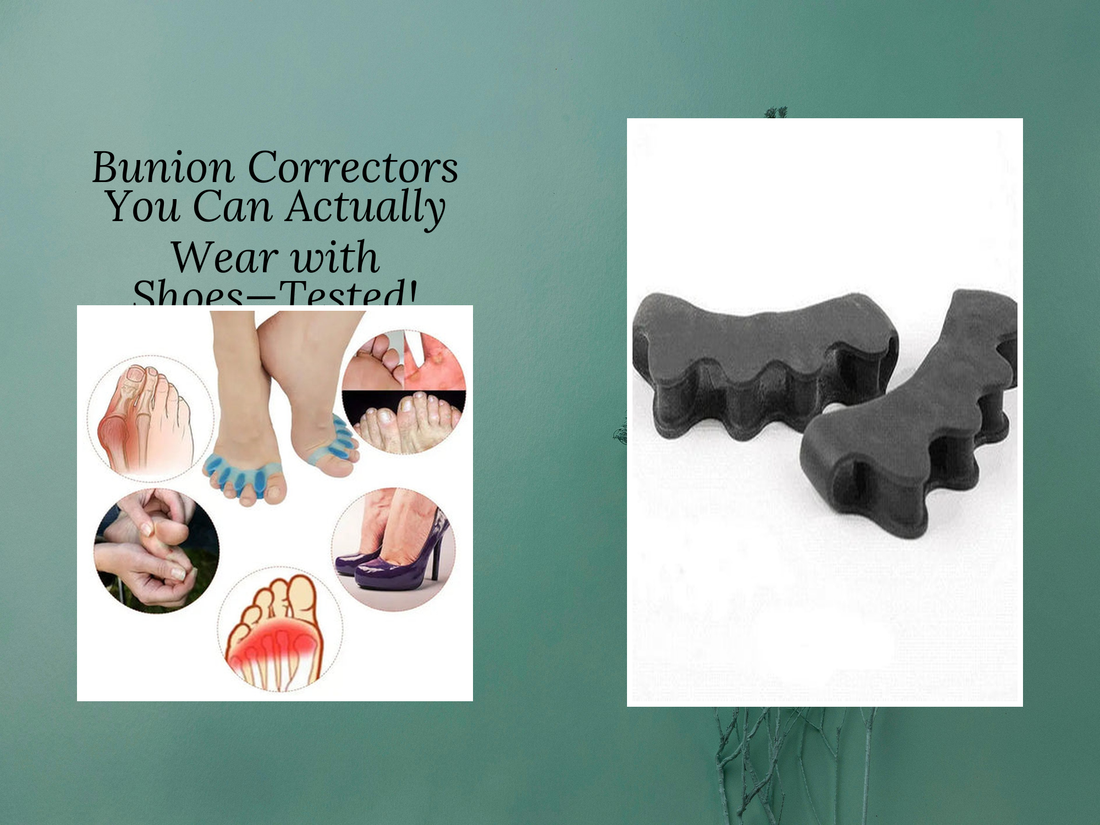
What is the best bunion corrector to wear with shoes?
The best bunion corrector to wear with shoes is a low-profile silicone toe spacer that aligns the big toe while staying comfortable inside sneakers, flats, or work shoes. Unlike bulky braces, silicone correctors are discreet, washable, and provide all-day relief without changing your footwear.
Bunion Correctors You Can Actually Wear with Shoes (What Works & What Doesn’t)
Can you wear a bunion corrector with shoes?
Yes — but only certain types of bunion correctors are designed to be worn inside shoes.
Low-profile options like silicone toe spacers, soft gel separators, and flexible bunion sleeves can usually fit in roomy shoes. However, rigid splints and bulky braces are not designed for shoe use and should only be worn at home or at night.
The key factor is shoe space and corrector thickness . If your shoes are tight or narrow, even “shoe-friendly” correctors may cause discomfort or pressure points.
Looking for a bunion corrector wear with shoes that actually fits your lifestyle? We reviewed the most common options—from silicone toe spacer for bunions to orthopedic toe spacers and flexible rubber bunion correctors —to determine which designs work best inside everyday footwear.
In this guide, you'll learn which bunion correctors fit comfortably inside shoes, how they work biomechanically, what type of footwear pairs best with them, and what realistic results you can expect.
⏱ 7 min read

See it in action: bunion corrector wear with shoes that fits your day
How Bunion Correctors Work Inside Shoes
Bunion correctors do not "fix" the underlying bone structure immediately. Instead, they help reduce friction, improve toe alignment, and relieve pressure while you walk, stand, or remain active throughout the day.
When worn inside shoes, they work in three primary ways:
- Separation: Keeping toes slightly aligned to reduce crowding.
- Pressure distribution: Reducing stress on the bunion joint.
- Friction reduction: Minimizing rubbing between the foot and footwear.
However, effectiveness depends heavily on shoe fit. Tight footwear can compress the corrector, reduce comfort, and limit its benefits.
For many people, the goal of a shoe-friendly bunion corrector is not aggressive correction but improved comfort, reduced irritation, and better toe positioning during daily activities.
Types of Bunion Correctors and Shoe Compatibility
Not all bunion devices serve the same purpose. Some focus on toe separation, while others prioritize cushioning or structured alignment support.
Silicone Toe Spacers
Silicone toe spacers are among the most popular options for wearing with shoes. They sit between the big toe and second toe to create gentle spacing while remaining flexible and low-profile.
Because they occupy minimal space, they typically work well with athletic shoes, walking shoes, and footwear that has a wider toe box.
Gel Toe Separators with Loops
These separators include a loop around the big toe that helps keep the spacer in place throughout the day. They offer more stability than standard spacers and are often preferred by people who walk frequently.
They generally fit best inside roomy sneakers and casual shoes.
Soft Bunion Sleeves
Bunion sleeves combine a thin fabric sleeve with a gel pad positioned over the bunion area. Their primary purpose is to reduce rubbing and pressure from footwear rather than create significant toe separation.
They are often a good option for people whose main concern is friction rather than alignment.
Rigid Night Splints
Night splints use straps and structured supports to encourage the big toe into a straighter position while resting. These devices are significantly bulkier than spacers or sleeves.
Because they restrict movement, they are designed for nighttime or sedentary use and should not be worn inside shoes.
Toe Spacers vs Bunion Correctors: What's the Difference?
Toe spacers are designed primarily to separate toes , while bunion correctors often include additional support structures such as straps, sleeves, or alignment components.
- Toe spacers: Minimal, flexible, easiest to wear in shoes.
- Bunion sleeves: Add cushioning and mild alignment support.
- Structured correctors: More support but less shoe compatibility.
- Splints: Stronger correction, but not designed for shoe use.
Which Bunion Correctors Can Be Worn with Shoes?
Not all bunion correctors are designed for daytime use. The most shoe-compatible options share three important characteristics: thin profile, flexible material, and minimal bulk .
Best options for wearing in shoes:
- Silicone toe spacers: Best for everyday walking and standing.
- Gel toe separators with loops: Remain more secure during movement.
- Soft bunion sleeves: Provide cushioning and mild support.
Rigid splints and thick braces should be avoided inside shoes because they restrict natural foot movement and may create uncomfortable pressure points.
For office workers, teachers, nurses, retail employees, and others who spend long hours on their feet, low-profile spacers are generally the most practical choice.
Best Shoes to Wear with Bunion Correctors
Footwear plays a major role in whether a bunion corrector feels comfortable or uncomfortable.
- Wide toe box shoes: Reduce compression on toes and spacers.
- Soft athletic shoes: Adapt more easily to the shape of the corrector.
- Walking shoes: Provide cushioning and stability.
- Adjustable laces or straps: Allow customized fit and pressure control.
Avoid narrow, pointed, or high-heel shoes whenever possible, as they may increase pressure on the bunion area and counteract the benefits of the corrector.
Comfort, Fit, and Common Mistakes
Wearing a bunion corrector inside shoes requires a brief adjustment period. Many discomfort issues are caused by improper sizing, unsuitable footwear, or excessive wear time during the first few days.
- Choosing shoes that are too tight for the corrector
- Wearing thick splints during walking
- Using spacers without gradual adaptation
- Ignoring pressure, numbness, or irritation
- Expecting immediate structural correction
Start with short wear sessions and gradually increase duration as your feet adapt. If discomfort persists, try a thinner spacer or a shoe with a wider toe box.
What is the Best Bunion Corrector to Wear With Shoes?
The best bunion corrector wear with shoes is one that combines flexibility, comfort, durability, and a slim profile. For most users, silicone toe spacers provide the best balance between comfort and gentle alignment support.
Among commonly available options, the KentDO Bunion Corrector is designed specifically for everyday wear thanks to its soft silicone construction and low-profile shape.
- Low profile: Fits inside many sneakers and casual shoes
- Soft silicone: Helps reduce rubbing and pressure
- Comfortable for daily wear: Suitable for gradual extended use
- Reusable: Washable and durable
Top Examples of Shoe-Compatible Bunion Correctors
1. KentDO Silicone Toe Spacer for Bunions
This silicone toe spacer for bunions is designed for everyday movement. Its slim profile helps it fit comfortably inside many types of footwear while providing gentle separation between the big toe and second toe.
- ✅ Soft silicone construction
- ✅ Washable and reusable
- ✅ Designed for walking and daily wear
- ❌ May not be ideal for open-toe footwear
Best for: Work shoes, sneakers, and everyday walking

Soft silicone toe spacer for bunions you can walk in all day
2. YogaToes Gemm Silicone Toe Separator
A popular silicone separator designed to encourage toe spacing and flexibility. Best suited for users who prioritize comfort and gentle separation.
- ✅ Soft and flexible design
- ✅ Comfortable for short daily sessions
- ❌ May feel bulky in tighter shoes
Best for: Relaxation, recovery, and wider footwear
3. Dr. Frederick's Original Gel Toe Spacer
A gel-based spacer with a secure fit that provides mild alignment support while remaining relatively shoe-friendly.
- ✅ Comfortable gel construction
- ✅ Designed for daily wear
- ❌ Requires sufficient shoe space
Best for: Everyday use and mild bunion discomfort
4. Flexible Rubber Bunion Corrector
A rubber bunion corrector adapts well to foot movement and provides mild support while maintaining flexibility.
- ✅ Highly flexible material
- ✅ Works with many shoe styles
- ❌ Provides lighter correction
Best for: Sensitive feet and light support
5. Orthopedic Toe Spacers with Loop
Traditional orthopedic toe spacers offer greater stability but may require roomier footwear.
- ✅ Stable positioning
- ✅ Helpful during recovery periods
- ❌ Can feel bulky in narrow shoes
Best for: Walking shoes and home use
Quick Compatibility Table: Which Bunion Correctors Work in Shoes
- Silicone toe spacers: Yes — ideal for everyday use
- Gel separators with loops: Usually — best with roomy shoes
- Bunion sleeves: Yes — mainly reduce friction
- Orthopedic spacers: Sometimes — depends on shoe width
- Rigid bunion splints: No — designed for night use

Rubber bunion corrector that molds to your stride
When You Should NOT Wear a Bunion Corrector in Shoes
Stop or avoid wearing a bunion corrector in shoes if you experience:
- Sharp or increasing pain in the bunion joint
- Numbness or tingling in the toes
- Skin irritation, blisters, or rubbing sores
- Loss of balance while walking
- Noticeable circulation issues
Rigid bunion splints should never be worn inside shoes because they are intended for nighttime alignment only.
If symptoms continue despite footwear modifications and conservative treatment, consider consulting a podiatrist for personalized guidance.
Do Bunion Correctors Actually Work? (Realistic Expectations)
Bunion correctors can be helpful for many people, but it's important to have realistic expectations.
Most shoe-friendly bunion correctors are designed to:
- Reduce pressure on the bunion joint
- Improve comfort during walking and standing
- Reduce friction from footwear
- Encourage better toe positioning
However, they generally do not permanently reverse bunions or eliminate structural deformities. Severe bunions may require medical evaluation and, in some cases, surgical intervention.
Think of bunion correctors as a comfort and support tool rather than a permanent cure.
FAQ
Can I wear a bunion corrector inside all shoes?
No. Tight shoes rarely provide enough room for toe spacers. Wide toe box sneakers and walking shoes are usually the best choice.
How long should I wear a shoe-friendly bunion corrector?
Most people begin with 30 to 60 minutes daily and gradually increase wear time as comfort improves.
Can you wear toe spacers with shoes all day?
Many users can wear silicone toe spacers for several hours, but wear time should increase gradually to avoid discomfort.
What shoes work best with toe spacers?
Athletic shoes, walking shoes, and footwear with wider toe boxes typically provide the most comfortable fit.
Do toe spacers cure bunions?
No. Toe spacers may help improve comfort and toe positioning, but they do not permanently reverse bunion deformities.
Are silicone toe spacers better than bunion sleeves?
Silicone spacers generally provide more toe separation, while bunion sleeves focus more on cushioning and friction reduction.
Can I sleep with a bunion corrector?
Some soft spacers may be suitable for overnight wear, but structured night splints are specifically designed for nighttime use.
Pillar Article: 7 Best Bunion Gel Toe Separators for 2025 (Ranked & Reviewed)
Other Related Articles:
- Are Rubber Bunion Correctors Worth It? The Results Will Surprise You
- What’s the Best Bunion Corrector to Wear at Night? We Tested 6
- The 5 Best Gel Yoga Toes for Bunion Relief (Reddit Picks)
- Toe Separators for Bunions: Do They Really Work or Just Hype?
Explore More:
- How Do You Walk Comfortably in Bunion Shoes? Try These 5 Fixes
- Visco Gel Toe Separators: Best for Active or Sedentary Lifestyles?
Key Takeaways
- Yes, some bunion correctors can be worn with shoes, but only low-profile designs.
- Silicone toe spacers and soft bunion sleeves are generally the most shoe-friendly options.
- Rigid splints should be reserved for nighttime use.
- Wide-toe-box shoes significantly improve comfort and usability.
- Bunion correctors help relieve symptoms and improve comfort but do not permanently reverse bunions.













