Does a butane camping stove heat better than propane outdoors?
A butane camping stove often feels faster to ignite, quieter, and more fuel-efficient in mild weather, while a propane stove delivers more consistent heat in freezing temperatures, strong wind, and high-demand cooking. If you camp mainly during spring, summer, and fall, a butane camping stove is usually the lighter and more convenient choice. For winter camping or challenging outdoor conditions, propane remains the more dependable fuel.
Butane vs Propane Stove: Which Fuel Is Better for Camping and Outdoor Cooking?
Choosing between a butane camping stove and a propane stove isn't just about fuel—it affects cooking speed, pack weight, cold-weather reliability, and overall camping convenience. Whether you're planning weekend car camping, lightweight backpacking, emergency preparedness, or winter adventures, selecting the right fuel can make outdoor cooking easier and more dependable. This guide compares heat output, portability, fuel efficiency, operating costs, and real-world performance so you can confidently choose the best stove for your camping style.
⏱ 5 min read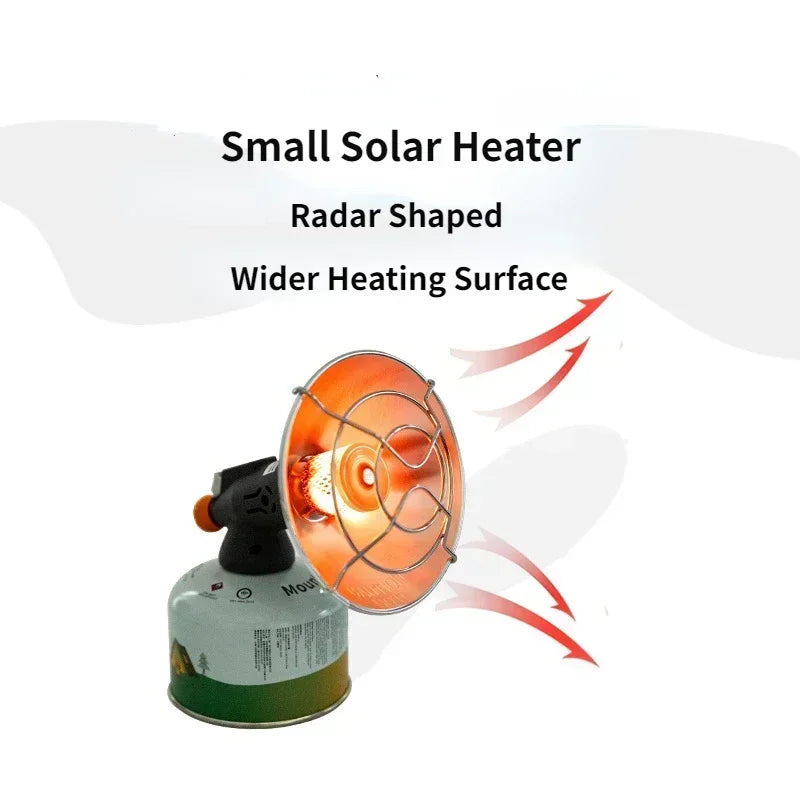
Butane camping stove vs propane—compact heat with dependable real-world performance for outdoor cooking.
Butane vs Propane Stove: Quick Answer
When comparing a butane camping stove vs propane, neither fuel is universally better. The right choice depends on where, when, and how you camp.
Choose propane if you regularly camp in freezing temperatures, cook for groups, or need maximum flame power in windy conditions. Propane maintains higher vapor pressure in cold weather, allowing the stove to deliver a stronger, more reliable flame.
Choose butane if you prioritize lightweight gear, compact storage, quick setup, and efficient cooking during three-season camping. Butane stoves are popular for picnics, road trips, emergency cooking kits, and backpacking where minimizing bulk matters.
For most recreational campers, a portable butane stove provides an excellent balance of convenience, clean-burning performance, and fuel efficiency. If winter camping or alpine conditions are part of your plans, propane is the more dependable option.
- Choose propane for cold-weather camping, high heat output, and larger cooking setups.
- Choose butane for mild temperatures, portable cooking, backpacking, and quick outdoor meals.
Butane vs Propane Stove: Quick Comparison Table
The table below highlights the most important differences between butane and propane camping stoves so you can quickly determine which fuel best matches your camping style.
| Feature | Butane Stove | Propane Stove |
|---|---|---|
| Heat Output | Steady flame with fast ignition in mild weather | Higher pressure for stronger sustained heat |
| Cold Weather Performance | Best above 32°F (0°C); ideal above 40°F (4°C) | Reliable below freezing and in winter conditions |
| Fuel Efficiency | Excellent during three-season camping | Maintains efficiency in cold and windy weather |
| Portability | Compact, lightweight cartridges | Larger cylinders increase overall weight |
| Cost | Lower-cost disposable cartridges | Higher initial fuel cost with longer burn potential |
| Best Use Cases | Backpacking, picnics, casual camping, emergency kits | Winter camping, family camping, high-output cooking |
- Heat Output: Propane generally provides stronger flame pressure, especially when temperatures fall or larger cookware is used.
- Cold Weather: Butane performs well in moderate conditions, while propane continues operating reliably below freezing.
- Fuel Efficiency: Both fuels are efficient when matched to the right environment, though propane maintains performance better in adverse weather.
- Portability: Butane systems are typically lighter, making them easier to carry and store.
- Cost: Butane cartridges usually cost less upfront, whereas propane cylinders often provide longer continuous cooking sessions.
- Best Choice: Butane is ideal for convenience and portability, while propane is better suited to demanding outdoor conditions.
What Is the Difference Between Butane and Propane Fuel?
When comparing a butane vs propane stove , the biggest differences come down to vapor pressure, boiling point, and cold-weather performance rather than the amount of energy stored in the fuel. Both are liquefied petroleum gases (LPG) that burn cleanly and efficiently, but each behaves differently once temperatures begin to fall.
How Butane Fuel Works
Butane is stored as a liquid inside compact pressurized cartridges. As the valve opens, the liquid changes into gas, mixes with oxygen, and produces a stable blue flame. Because butane vaporizes efficiently in moderate temperatures, it offers smooth flame control, quiet operation, and reliable simmering for everyday camping, picnics, and portable outdoor cooking.
Its compact canisters also make butane popular for lightweight camping stoves where minimizing bulk and simplifying setup are priorities.
How Propane Fuel Works
Propane is stored under higher pressure and has a much lower boiling point than butane. This allows it to continue vaporizing even when temperatures fall well below freezing, maintaining consistent fuel delivery and stronger flame output.
For campers who regularly cook in winter, at higher elevations, or during unpredictable weather, a propane stove typically provides more dependable performance because the fuel pressure remains stable in harsher conditions.
Why Temperature Affects Fuel Pressure
All LPG fuels rely on vapor pressure to move fuel from the canister to the burner. As temperatures decrease, vapor pressure also drops. Because butane reaches its boiling point much sooner than propane, it gradually loses pressure as conditions approach freezing, which can result in weaker flames or ignition problems.
Propane continues producing sufficient vapor pressure at much lower temperatures, making it the preferred choice for winter camping, mountain trips, and extended outdoor cooking sessions. Many backpacking fuel canisters blend isobutane with propane to improve cold-weather performance while keeping weight low.
Cold Weather Performance: Butane vs Propane Camp Stove
Temperature has one of the greatest impacts on camping stove performance. Even high-quality stoves can struggle if the fuel cannot maintain enough pressure to feed the burner consistently.
Why Butane Struggles in Cold Temperatures
Standard butane begins losing vapor pressure as temperatures approach 31°F (-0.5°C). Near freezing, ignition may become slower, flame output weakens, and boil times increase noticeably. In extended cold conditions, the stove may fail to maintain a steady flame until the fuel warms.
Keeping butane cartridges insulated before use can improve short-term performance, but it does not eliminate the fuel's natural temperature limitations.
Why Propane Works Better in Winter
Propane continues vaporizing at temperatures as low as -44°F (-42°C), allowing the stove to generate reliable heat even during winter camping or early-morning cooking. This wider operating range makes propane the preferred option for snow camping, high-altitude adventures, and emergency preparedness where dependable ignition is essential.
Minimum Temperature Limits
- Butane: Performs best above 40°F (4°C), with performance declining near freezing.
- Propane: Operates reliably well below freezing and maintains stronger fuel pressure.
- Mixed-fuel canisters: Isobutane-propane blends offer improved cold-weather performance while remaining lightweight for backpacking.
Fuel Efficiency & Burn Time
Fuel efficiency depends on more than the fuel itself. Burner design, wind exposure, cooking temperature, and cookware all influence how much fuel is consumed during a trip. Under comparable conditions, both propane and butane provide excellent efficiency when used within their ideal temperature ranges.
Typical Burn Time for Butane Canisters
A standard 8 oz (220 g) butane cartridge commonly delivers about 1.5 to 2 hours of cooking on medium heat. Its steady flame makes it well suited for boiling water, preparing simple meals, simmering soups, and everyday campsite cooking without excessive fuel consumption.
Typical Burn Time for Propane Tanks
A disposable 1 lb propane cylinder generally provides around 2 to 3 hours of continuous high-heat cooking. Because propane maintains stronger pressure throughout operation, it is often the better choice for larger cookware, extended meal preparation, and cooking for families or groups.
Cost Per Cooking Hour
Butane cartridges are usually less expensive to purchase individually, making them economical for occasional camping and weekend trips. Propane cylinders often cost more upfront but can provide better value during longer outings because they maintain consistent performance in cold, windy, or demanding cooking conditions.
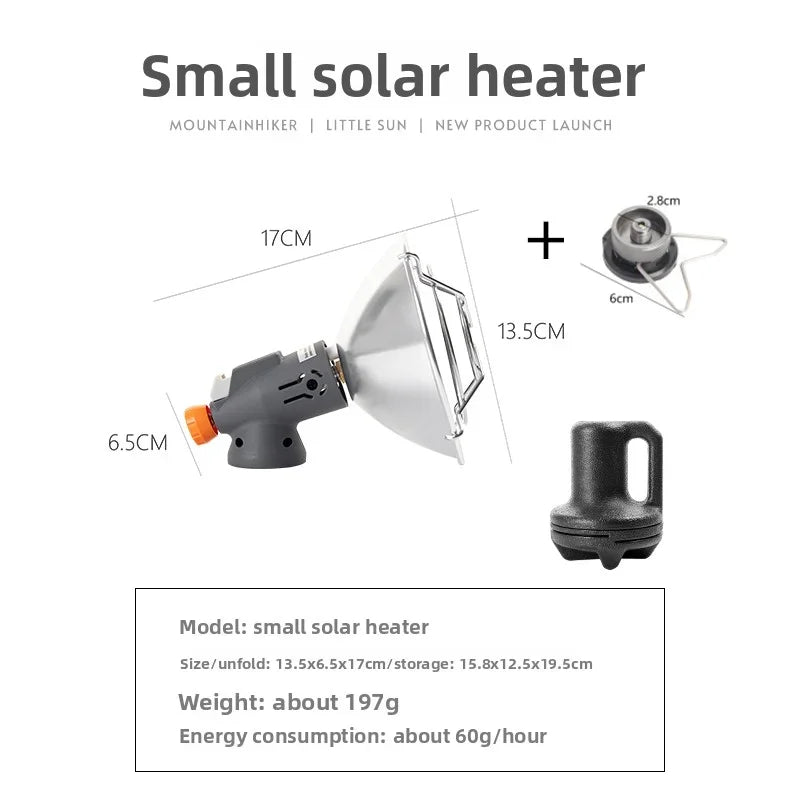
Portable outdoor gas heater performance comparison
Portability & Stove Design
Weight, pack size, and stove compatibility can be just as important as heat output when choosing a camping stove. Your preferred camping style—whether backpacking, car camping, or emergency preparedness—often determines whether a butane or propane setup is the better fit.
Butane Stove Design
Most butane stoves use compact cartridge canisters that lock directly into the stove body, creating an all-in-one cooking system with minimal setup. Many models feature automatic piezo ignition, integrated wind guards, and carrying cases that make transportation and storage simple.
This compact design is ideal for campers who prioritize portability, quick meal preparation, and limited storage space.
Propane Stove Design
Propane stoves typically connect to an external cylinder through a regulator or hose. While this adds weight and takes up more room, it also supports higher fuel pressure, larger burners, and greater cooking capacity.
Many two-burner campsite stoves, family camping cookers, and outdoor grills rely on propane because the larger fuel supply can support extended cooking sessions without frequent canister changes.
Backpacking vs Car Camping
- Backpacking: Lightweight butane or isobutane systems reduce pack weight and are easy to carry over long distances.
- Car camping: Propane offers higher heat output and supports larger cookware for preparing meals for families or groups.
- Emergency kits: Compact butane stoves are easy to store and quick to deploy when portable cooking is needed.
For campers who value simplicity, a butane heater for camping offers a compact, travel-friendly solution that fits easily into vehicles, RVs, or emergency preparedness supplies.
Safety Differences Between Butane and Propane Stoves
Both fuel systems are safe when used according to the manufacturer's instructions. Safe operation depends more on proper ventilation, routine equipment inspection, and correct fuel storage than on the fuel type itself.
Indoor Safety Considerations
Some portable butane stoves are specifically designed and certified for indoor emergency cooking when used with adequate ventilation and according to the manufacturer's guidance. Most propane camping stoves are intended primarily for outdoor use because they produce higher heat output and typically require greater airflow.
Regardless of fuel type, never operate a camping stove inside enclosed spaces such as tents, vehicles, or other poorly ventilated areas.
Fuel Storage and Transport
Store both butane cartridges and propane cylinders in cool, dry locations away from direct sunlight and excessive heat. Before every trip, inspect fuel containers, regulators, hoses, and connections for visible damage or wear.
Because butane cartridges are smaller, they are often easier to pack and transport, while larger propane cylinders may be more practical for extended camping trips.
Leak Risks and Pressure Differences
Propane is stored at higher pressure, so damaged fittings or loose connections can release fuel more rapidly. Butane cartridge systems commonly incorporate locking mechanisms and pressure-relief features that help reduce accidental installation errors.
Routine leak checks, clean burner ports, and proper storage practices are the most effective ways to maintain safe stove operation regardless of which fuel you choose.
Looking for complementary wellness tools for outdoor recovery? Explore options in Body Care and Health Devices or browse Lifestyle essentials for travel comfort.
Cooking Performance: Flame Control and Heat Output
Real-world cooking performance depends on more than fuel pressure alone. Burner design, cookware size, wind exposure, and flame control all influence boil times, fuel consumption, and cooking precision at the campsite.
Boil Time Comparison
Under similar conditions, propane stoves generally bring water to a boil slightly faster because they maintain stronger pressure throughout operation. This makes propane especially useful for large pots, high-heat cooking, and preparing meals for several people.
Butane stoves still provide excellent everyday cooking performance, particularly in moderate temperatures where fuel pressure remains stable.
Flame Stability in Wind
Wind can significantly reduce stove efficiency. Propane's higher operating pressure helps maintain a consistent flame in breezy conditions, while butane stoves often benefit from using a compatible windscreen or cooking in a sheltered area.
Regardless of fuel type, shielding the burner from direct wind improves fuel efficiency and shortens cooking times.
Simmer Control
Many butane stoves excel at low-flame cooking, making them well suited for simmering soups, sauces, rice, or delicate meals that require consistent heat. Propane stoves also offer excellent flame control on quality models but are often chosen when maximum heat output is the priority.
Which Stove Should You Choose? (Real-World Scenarios)
The best camping stove depends on your typical weather, trip length, cooking style, and how much gear you're willing to carry. Matching the fuel to your camping environment delivers better performance than choosing one fuel type for every situation.
Best Stove for Backpacking
Lightweight butane or isobutane stoves are excellent for backpackers who want compact gear, quick setup, and efficient cooking during three-season adventures. Their smaller fuel canisters reduce pack weight while providing enough burn time for short trips.
Best Stove for Winter Camping
Propane is the better choice for freezing temperatures because it continues to vaporize well below 32°F (0°C). If reliable ignition and strong flame output are priorities during snow camping or high-altitude trips, propane provides the greatest confidence.
Best Stove for Emergency Cooking
For emergency preparedness, the right option depends on where the stove will be used. Compact butane stoves are easy to store and transport, while propane systems offer longer operating times and dependable performance across a wider range of outdoor conditions. Always follow the manufacturer's safety instructions and use adequate ventilation.
Best Stove for Casual Camping
Weekend campers, picnickers, and road trippers often prefer butane stoves because they are portable, simple to operate, and convenient for preparing quick meals without carrying large fuel cylinders.
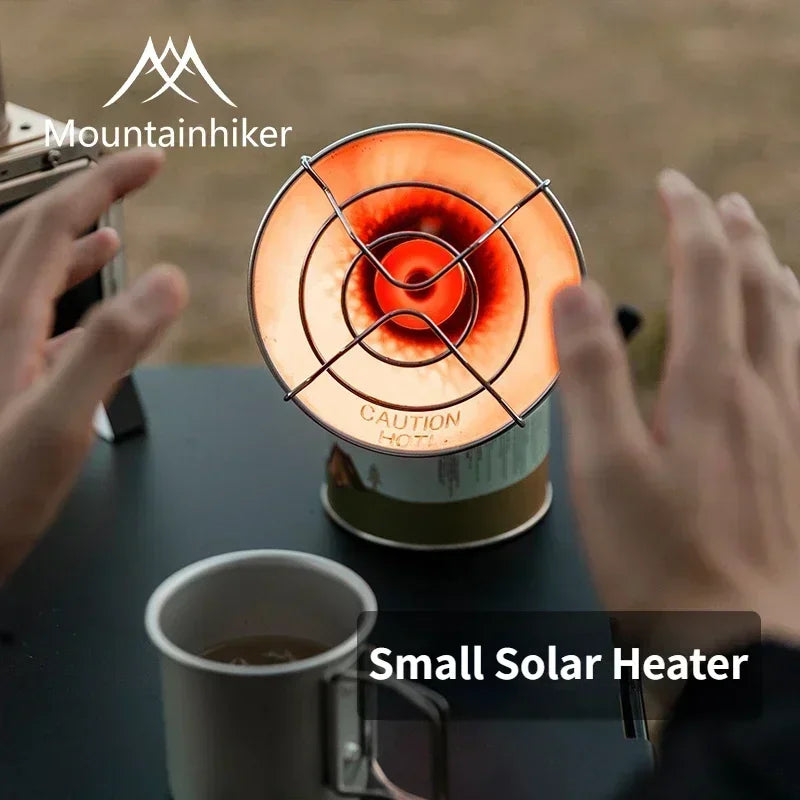
Fuel-efficient camping heater built for real outdoor use
Frequently Asked Questions
Which is safer: butane or propane?
Both fuels are safe when used correctly with approved equipment. Butane operates at lower pressure and is commonly used in compact portable stoves, while propane requires careful handling because of its higher storage pressure. Proper ventilation, regular leak checks, and correct fuel storage are far more important than the choice of fuel itself.
Can I use a butane stove in winter?
Yes, but performance decreases as temperatures approach freezing. Standard butane can struggle to vaporize in cold weather, resulting in weaker flames and slower cooking. If you expect sub-freezing conditions, propane or an isobutane-propane fuel blend is generally the better option.
Is butane more fuel efficient than propane?
In mild weather, butane is often slightly more efficient for everyday cooking because it burns steadily and supports excellent simmer control. In cold or windy environments, however, propane's ability to maintain fuel pressure often makes it the more efficient choice overall.
Which is better for emergency use?
Both fuels have advantages. Butane offers compact storage and portable cooking convenience, while propane provides dependable operation across a wider temperature range. The best choice depends on your expected climate, storage space, and emergency preparedness plan.
Can you use butane at high altitude?
Yes. Altitude alone is not usually the limiting factor. The larger challenge is that high elevations often bring colder temperatures, which reduce butane's vapor pressure. For alpine camping in cold weather, propane or mixed-fuel canisters typically perform better.
Why does butane stop working in cold weather?
As temperatures fall, butane produces less vapor pressure inside the cartridge. Once the pressure becomes too low, insufficient fuel reaches the burner, causing weak flames, difficult ignition, or complete flame failure.
Is propane more expensive than butane for camping?
Propane cylinders often cost more initially than butane cartridges, but they usually provide longer burn times and more reliable performance in demanding conditions. Overall trip cost depends on cooking duration, weather, and fuel consumption.
Which fuel boils water faster?
Under similar conditions, propane generally boils water faster because it maintains higher operating pressure and stronger flame output, especially when cooking outdoors in cool or windy weather.
Can the same stove use both butane and propane?
Some dual-fuel camping stoves are designed to operate with both fuels by using compatible adapters or regulators. Always verify compatibility in the manufacturer's instructions before connecting a different fuel source.
How long does a butane canister last compared with propane?
A typical 220 g butane cartridge often provides around 1.5 to 2 hours of medium-heat cooking, while a disposable 1 lb propane cylinder commonly delivers about 2 to 3 hours of continuous high heat. Actual burn time varies based on burner output, cookware, wind, and cooking habits.
Related Guide: Best Butane Heater for Camping: Top Picks Compared