Does a butane camping stove heat better than propane outdoors?
The butane camping stove vs propane debate comes down to temperature, efficiency, and conditions. Butane stoves heat faster and are quieter in mild weather, while propane performs better in freezing temperatures. For most campers, a modern butane camping stove offers faster setup, cleaner burn, and excellent fuel efficiency for three-season outdoor cooking.
Butane vs Propane Stove: Which Fuel Is Better for Camping and Outdoor Cooking?
Choosing between a butane camping stove and propane can feel confusing—especially when cold weather, fuel efficiency, and safety are all on the line. If you’ve ever struggled to boil water in windy conditions or wondered why your stove lost power in winter, you’re not alone. This guide breaks down exactly how each fuel performs, when one outshines the other, and which option delivers the best real-world heating performance for outdoor adventures.
⏱ 5 min read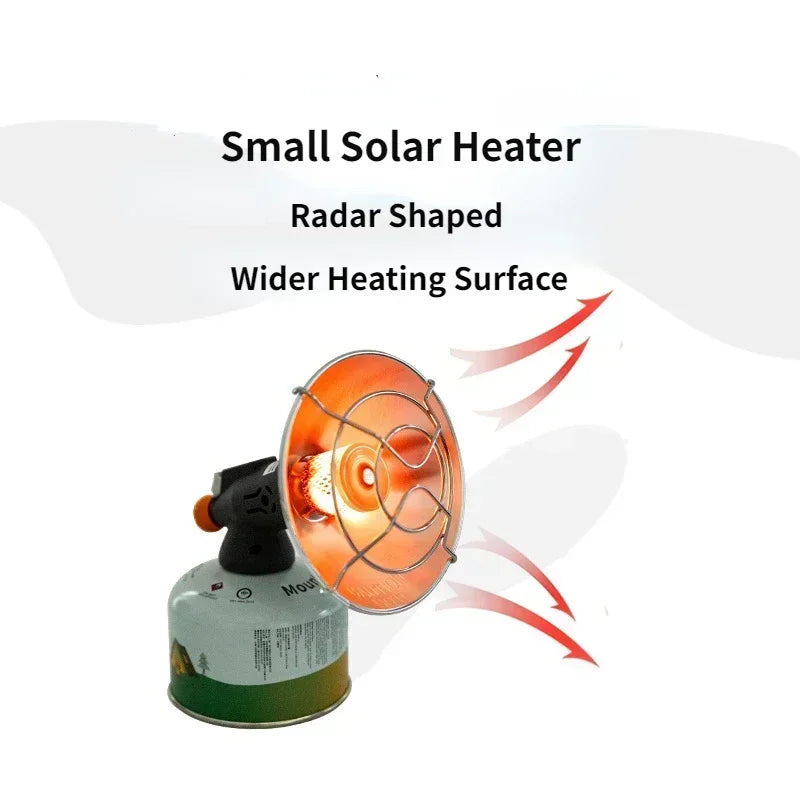
Butane camping stove vs propane — compact heat with real-world performance 💡 See it in action
Butane vs Propane Stove: Quick Answer
A propane stove generally performs better in cold weather and delivers higher pressure fuel output, making it more reliable for winter camping and high-heat cooking. A butane stove, however, is typically lighter, quieter, and easier to transport, which makes it popular for casual camping and portable outdoor cooking.
In simple terms:
- Choose propane if you camp in cold temperatures, need stronger flame output, or cook for multiple people.
- Choose butane if you want a compact stove for mild weather, backpacking, or quick outdoor meals.
Both fuel types are efficient and safe when used properly, but their performance differences become noticeable in cold weather, high-wind environments, and longer cooking sessions.
Butane vs Propane Stove: Quick Comparison Table
The biggest differences between butane and propane stoves involve temperature performance, fuel pressure, and portability. The table below summarizes how the two fuel types compare for camping and outdoor cooking.
| Feature | Butane Stove | Propane Stove |
|---|---|---|
| Heat Output | Moderate pressure, fast ignition | Higher pressure, stronger flame |
| Cold Weather Performance | Best above 32°F (0°C) | Works well below freezing |
| Fuel Efficiency | Efficient in mild weather | Efficient even in wind and cold |
| Portability | Compact cartridges | Bulkier fuel tanks |
| Cost | Lower cartridge price | Longer-lasting tanks |
| Best Use Cases | Casual camping, picnics, quick cooking | Winter camping, group cooking |
- Heat Output: Propane generally produces stronger flame pressure and faster boil times.
- Cold Weather Performance: Propane works well below freezing, while butane struggles in cold temperatures.
- Fuel Efficiency: Both fuels are efficient, though propane performs better in wind and cold.
- Portability: Butane stoves and cartridges are lighter and easier to pack.
- Cost: Butane cartridges are cheaper per canister, while propane tanks often last longer.
- Best Use Cases: Butane suits casual camping; propane suits demanding outdoor cooking.
What Is the Difference Between Butane and Propane Fuel?
Both butane and propane are liquefied petroleum gases (LPG) used in portable camping stoves. While they are chemically similar, their behavior under different temperatures and pressures creates noticeable differences in outdoor cooking performance.
How Butane Fuel Works
Butane is stored as a liquid inside small pressurized cartridges. When released, the fuel vaporizes and mixes with air to create a steady flame. Butane burns cleanly and provides stable heat in mild temperatures, which is why it is commonly used in portable camping stoves and tabletop cooking burners.
How Propane Fuel Works
Propane is stored at a higher pressure than butane and vaporizes more easily in colder environments. This allows propane stoves to maintain consistent flame output even when temperatures drop below freezing.
Why Temperature Affects Fuel Pressure
Fuel pressure decreases as temperatures drop. Because butane has a lower vapor pressure than propane, it struggles to vaporize in cold weather. Propane maintains higher pressure at lower temperatures, allowing the stove to ignite and burn reliably in winter camping conditions.
Cold Weather Performance: Butane vs Propane Camp Stove
Temperature is one of the biggest factors when choosing between butane and propane camping stoves. Cold weather directly affects fuel pressure, which determines whether the stove can maintain a stable flame.
Why Butane Struggles in Cold Temperatures
Butane typically stops vaporizing efficiently at around 31°F (-0.5°C). When temperatures drop near freezing, the fuel pressure inside the cartridge decreases, which can cause weak flames or complete ignition failure.
Why Propane Works Better in Winter
Propane continues to vaporize at temperatures as low as -44°F (-42°C). Because of this wider operating range, propane stoves remain reliable during winter camping, high-altitude trips, and cold mornings.
Minimum Temperature Limits
- Butane: best above 40°F (4°C)
- Propane: works well below freezing
- Mixed fuel stoves: often combine propane and isobutane for improved cold performance
Fuel Efficiency & Burn Time
Fuel efficiency is a key factor when choosing a camping stove. Both propane and butane burn efficiently, but their performance varies depending on weather conditions and cooking style.
Typical Burn Time for Butane Canisters
A standard 8 oz (220g) butane cartridge typically provides around 1.5 to 2 hours of cooking time on medium heat. Because butane burns cleanly and steadily, it works well for simmering meals or boiling water during short camping trips.
Typical Burn Time for Propane Tanks
A 1 lb propane cylinder often provides 2 to 3 hours of continuous high heat. The stronger pressure allows propane stoves to deliver powerful flames suitable for larger pots and group cooking.
Cost Per Cooking Hour
Butane cartridges are usually cheaper per unit, making them cost-effective for occasional camping trips. Propane tanks may cost slightly more upfront but often deliver longer burn times and better performance in challenging conditions.
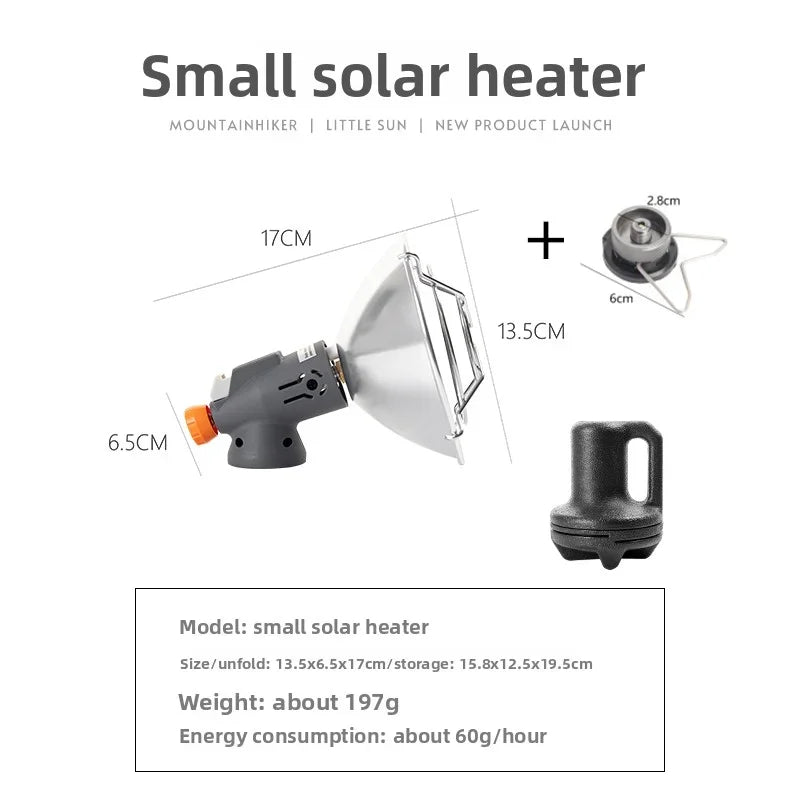
Portable outdoor gas heater performance comparison 🔥
Portability & Stove Design
Portability is one reason many campers choose butane stoves. Their compact design and lightweight cartridges make them easy to transport and store.
Butane Stove Design
Butane stoves typically use small cartridge canisters that snap directly into the stove body. Many models include built-in ignition systems and compact storage cases.
Propane Stove Design
Propane stoves connect to external tanks using a regulator and hose. This design allows stronger fuel pressure but increases the overall size and weight of the setup.
Backpacking vs Car Camping
- Backpacking: butane stoves are lighter and easier to pack
- Car camping: propane stoves provide stronger cooking power
- Emergency kits: butane stoves are compact and simple to store
For campers who value simplicity, a butane heater for camping offers unmatched convenience.
Safety Differences Between Butane and Propane Stoves
Modern camping stoves include multiple safety features, but fuel pressure and ventilation requirements differ between propane and butane systems.
Indoor Safety Considerations
Some butane stoves are approved for indoor use in well-ventilated areas, which makes them popular during power outages or emergency cooking situations. Propane stoves generally require outdoor use or strong ventilation.
Fuel Storage and Transport
Butane cartridges are smaller and easier to transport, while propane cylinders require careful storage due to higher internal pressure.
Leak Risks and Pressure Differences
Propane operates at higher pressure, which means leaks can release fuel faster if a connection is damaged. Butane systems typically include pressure-release mechanisms and cartridge locking systems for added safety.
Looking for complementary wellness tools for outdoor recovery? Explore options in Body Care and Health Devices or browse Lifestyle essentials for travel comfort.
Cooking Performance: Flame Control and Heat Output
Beyond fuel type, cooking performance depends on flame control, wind resistance, and heat output. These factors determine how quickly water boils and how easily meals can be cooked outdoors.
Boil Time Comparison
Propane stoves often boil water slightly faster because the fuel produces higher pressure and stronger flame output. This makes propane ideal for large pots or group cooking.
Flame Stability in Wind
Propane stoves generally perform better in windy conditions because their higher pressure helps maintain flame stability. Butane stoves may require a windscreen for consistent cooking outdoors.
Simmer Control
Many butane stoves provide excellent simmer control, making them useful for delicate cooking tasks like sauces or slow heating.
Which Stove Should You Choose? (Real-World Scenarios)
The best fuel type depends on how and where you plan to use your camping stove. Different camping styles benefit from different fuel characteristics.
Best Stove for Backpacking
Butane stoves are often preferred for lightweight travel because their cartridges are compact and easy to pack.
Best Stove for Winter Camping
Propane stoves perform better in cold environments where butane fuel pressure drops.
Best Stove for Emergency Cooking
Propane stoves are commonly recommended for emergency cooking because the fuel stores well for long periods and works in a wider temperature range.
Best Stove for Casual Camping
Butane stoves are convenient for quick camping trips, picnics, and portable outdoor cooking setups.
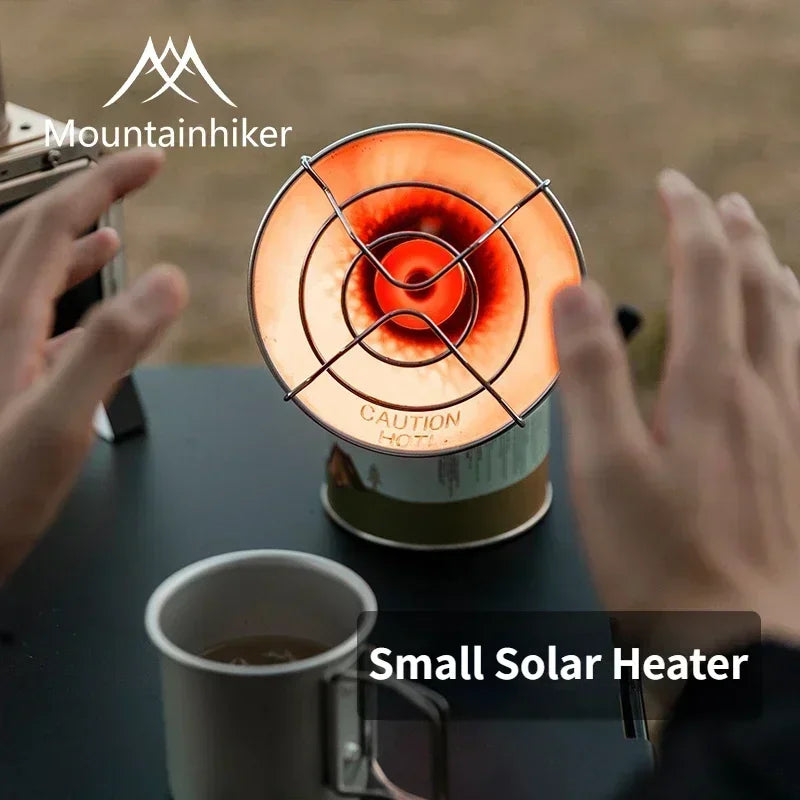
Fuel-efficient camping heater built for real outdoor use 🔥
Butane vs Propane Stove Pros and Cons
Butane Stove Advantages
- Compact and lightweight fuel cartridges
- Easy ignition and quiet flame
- Often cheaper for casual camping
Butane Stove Disadvantages
- Poor performance in cold weather
- Lower fuel pressure
- Less reliable in strong wind
Propane Stove Advantages
- Excellent cold-weather performance
- Higher fuel pressure and stronger flame
- Reliable for group cooking and large pots
Propane Stove Disadvantages
- Heavier fuel tanks
- Bulkier storage
- Sometimes higher upfront fuel cost
Frequently Asked Questions
Which is safer: butane or propane?
Butane is generally safer for casual camping due to lower pressure and built-in safety features. Propane requires more ventilation and careful handling.
Can I use a butane stove in winter?
Yes, but performance drops below freezing. For cold-weather camping, propane performs better.
Is butane more fuel efficient than propane?
Yes. Butane burns cleaner and slower, making it more fuel-efficient for short trips and cooking.
Which is better for emergency use?
Butane stoves are ideal for emergencies thanks to indoor-safe designs and compact storage.
Related Guide: Best Butane Heater for Camping: Top Picks Compared